
Bathroom Decluttering Guide for Small Spaces
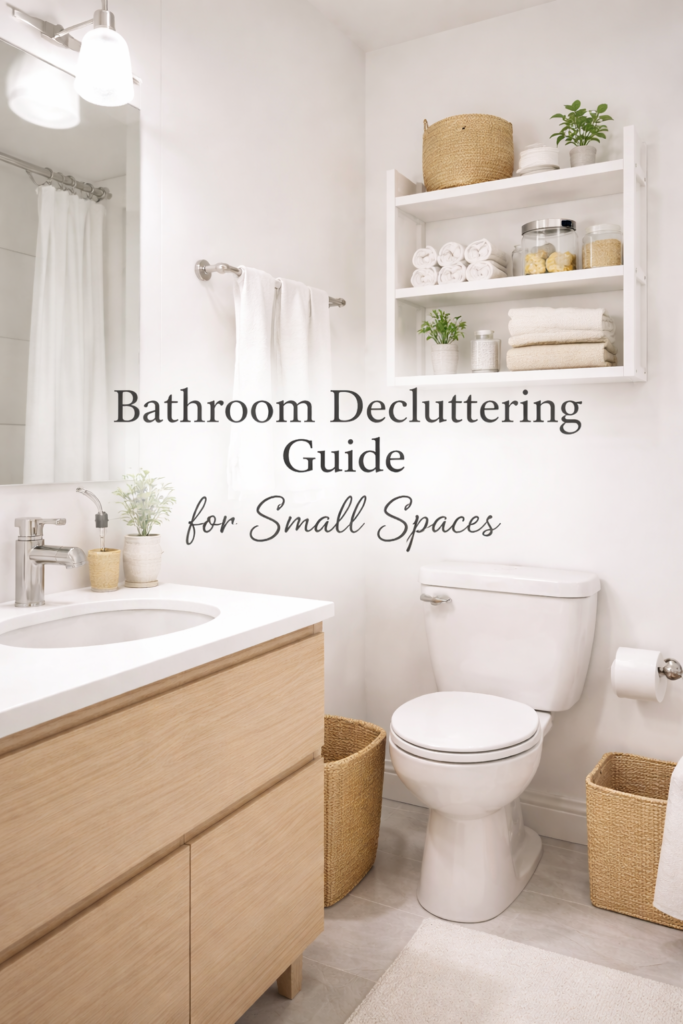
There’s something about a small bathroom that makes clutter feel amplified.
In a larger room, you can sometimes ignore the extra bottles or the crowded drawer. In a small bathroom, every item competes for attention. One hair tool left out. Two skincare products too many. A towel hanging in the wrong place. Suddenly the whole space feels tight.
And because it’s usually the first room you step into in the morning and the last one you use at night, that visual noise adds up.
The good news is this: small bathrooms respond quickly to change. You don’t need a massive overhaul. A few thoughtful decisions can completely shift how the space feels.
Start With an Honest Clear-Out
Before organizing anything, clear it all.
Take everything out of the drawers. Empty the cabinet under the sink. Remove the products lined up in the shower. Yes, even the ones you think you use all the time.
When you see everything in one place, patterns become obvious. You might notice three nearly identical face cleansers. Half-used hotel shampoos. Products you bought because they were trending but never really worked for you.
Check expiration dates. Pay attention to textures and smells. If something has been sitting untouched for months, it’s probably not part of your real routine.
Letting go of unused items in a small bathroom makes a bigger impact than you expect. You’re not just removing objects—you’re removing decisions you no longer need to make every morning.
Keep what supports your daily life. Release what doesn’t.
Clear the Countertops First
If you want a quick win, start with the sink area.
In small bathrooms, countertops are everything. They set the visual tone. A crowded counter instantly makes the entire room feel messy, even if your cabinets are perfectly organized.
Be selective about what stays out. Hand soap is practical. A toothbrush holder makes sense. Maybe one or two products you truly use every single day.
Everything else should live inside a drawer or cabinet.
If you like having something decorative, keep it subtle. A small plant. A simple tray to contain essentials. The goal isn’t emptiness—it’s breathing room.
When the counter is mostly clear, cleaning becomes easier too. And when cleaning is easier, you’re more likely to keep up with it.
Small spaces thrive on simplicity.
Be Realistic About What Belongs in the Bathroom
One of the reasons bathrooms feel overcrowded is because they often store more than they need to.
Ask yourself: does this item truly need to live here?
Extra bulk purchases, backup toiletries, and rarely used tools can often be stored elsewhere. A hallway closet. A bedroom drawer. Even a small storage bin outside the bathroom.
Your bathroom should hold what you actively use, not your entire inventory.
When you shift your mindset from “store everything here” to “store what I need here,” space opens up naturally.
Use Vertical Space Intentionally
In a small bathroom, walls are valuable.
Look up. Is there unused space above the toilet? Above the door? Along a narrow wall?
Slim shelves can hold neatly folded towels or a couple of containers for everyday essentials. Over-the-toilet storage units can add function without taking up precious floor space.
Hooks are especially useful. They often take up less space than traditional towel bars and can hold robes, towels, or even small baskets.
But here’s the key: just because you can add storage doesn’t mean you should fill it completely.
The goal is support, not saturation. Vertical storage should make your life easier, not create another place for clutter to collect.
When you’re intentional about what stays and where it lives, even the smallest bathroom can feel open, calm, and manageable.
Organize the Under-Sink Cabinet With Intention
If there’s one spot that quietly collects chaos, it’s under the sink.
It starts innocently. A cleaning spray gets pushed to the back. Extra shampoo bottles stack on top of each other. A random toiletry bag ends up there “just for now.” Before you know it, you’re kneeling on the floor, digging around pipes and half-open containers just to find one thing.
Instead of treating this space like a hidden storage cave, give it structure.
Take everything out and wipe it down. That simple reset already changes how you see it. Then group items by purpose. Cleaning products together. Hair care backups together. Extra soap and toiletries in one contained space.
Small bins make a big difference here. When items are grouped, you can pull out a single container instead of disrupting everything. It also forces natural limits. If the bin is full, that’s your signal that you probably don’t need more of that category.
And if plumbing reduces usable space, work around it rather than fighting it. Narrow containers, stackable bins, or even a simple tension rod for hanging spray bottles can maximize awkward gaps.
The goal isn’t to pack the cabinet efficiently. It’s to make it usable without frustration.
Limit Towels to What You Actually Use
Towels are one of those things we keep “just in case.”
But in a small bathroom, bulky stacks can easily take over a shelf or cabinet.
Be realistic. How many towels do you truly need accessible at one time? For most people, two or three per person is more than enough. Extras can live outside the bathroom if possible.
When you fold towels consistently, the space immediately looks calmer. Even the same number of towels can feel more organized when they’re aligned neatly instead of loosely stacked.
If shelving is limited, rolling towels and placing them in a vertical basket can save space while still looking tidy. It’s compact, practical, and easy to maintain.
Less bulk means more breathing room.
Create Simple, Logical Zones
Small spaces function best when everything has a clear purpose.
Think in zones rather than random placement. Daily essentials in the top drawer. Hair tools in one defined container. First-aid supplies grouped together. Cleaning items in a separate bin.
When items are scattered, even a small number can feel overwhelming. When they’re grouped logically, your brain processes the space as orderly.
Zones also make quick resets easier. If something is out of place, you immediately know where it belongs. There’s no guessing.
Keep categories broad enough that you’re not overthinking it. You don’t need hyper-specific labels for every product. Simplicity is what keeps the system sustainable.
Build Small Maintenance Habits
Decluttering once feels great. Maintaining it is what actually changes your experience.
Small bathrooms can slip back into clutter quickly because there’s so little room for error. A few extra products on the counter. A drawer left slightly disorganized. It doesn’t take much.
Instead of waiting for things to feel overwhelming again, build small habits into your routine.
Take thirty seconds to return items to their drawer after getting ready. Wipe the counter at the end of the day so products don’t leave residue rings. Once a week, do a quick scan for empties or items that don’t belong.
These tiny resets prevent the buildup that leads to full clean-outs.
The beauty of a small bathroom is that maintenance doesn’t take long. Five intentional minutes can restore the entire space.
Recommended Products
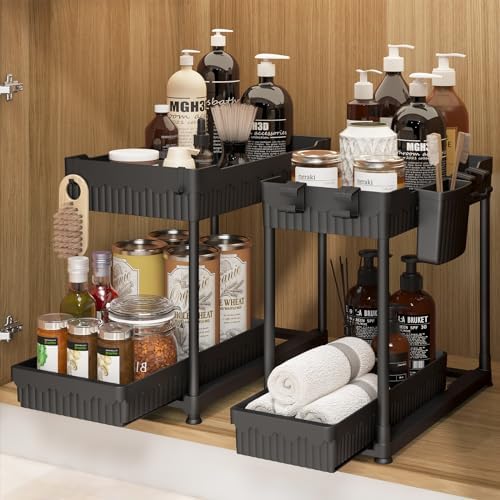
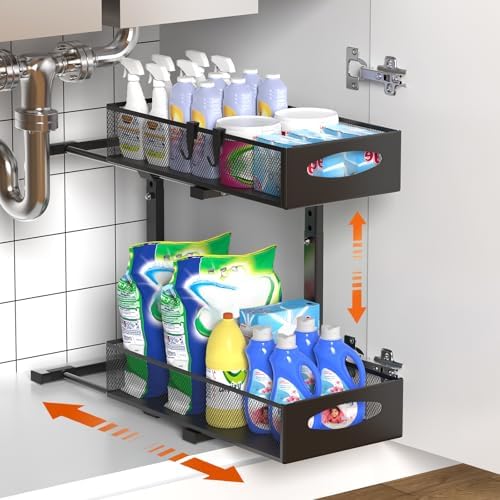
Slim Under-Sink Storage Bins
Small, stackable bins are one of the easiest upgrades you can make in a tight bathroom. Look for narrow containers that fit around plumbing and allow you to group similar items together. Clear bins help you see what you have at a glance, while opaque ones create a cleaner visual look. The goal is to create categories without overcomplicating your system.


Over-the-Toilet Storage Shelf
When floor space is limited, vertical storage becomes essential. A simple over-the-toilet shelf adds extra room for towels, toilet paper, or small baskets without crowding the layout. Choose a minimal design in neutral tones so it blends into the space rather than making it feel heavier.


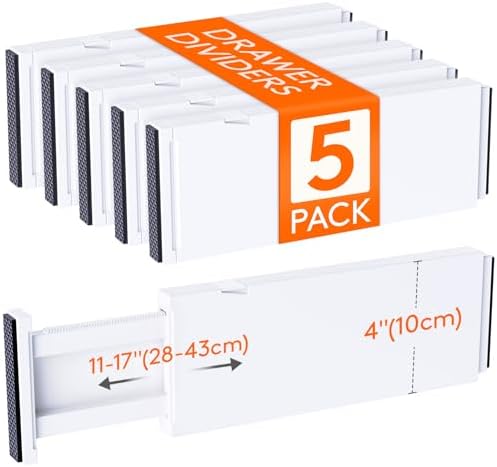
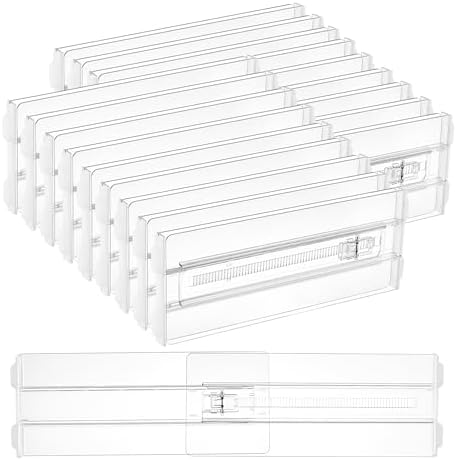
Drawer Dividers for Bathroom Essentials
Bathroom drawers can quickly turn into a mix of tangled cords, makeup, and random items. Adjustable drawer dividers help you create small sections for daily essentials like toothbrushes, skincare, or grooming tools. Once each item has a defined space, keeping the drawer tidy becomes much easier.


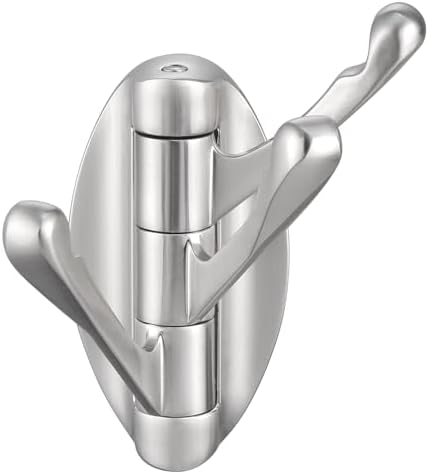
Wall Hooks Instead of Towel Bars
In small bathrooms, traditional towel bars can take up more wall space than necessary. Simple wall hooks offer a more compact solution and often hold multiple items without feeling bulky. They’re practical for towels, robes, or even small hanging baskets.


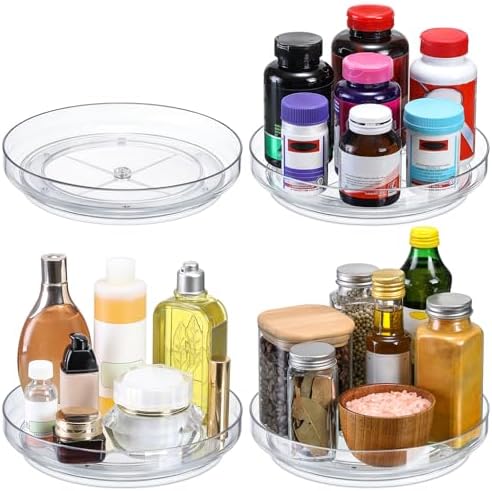
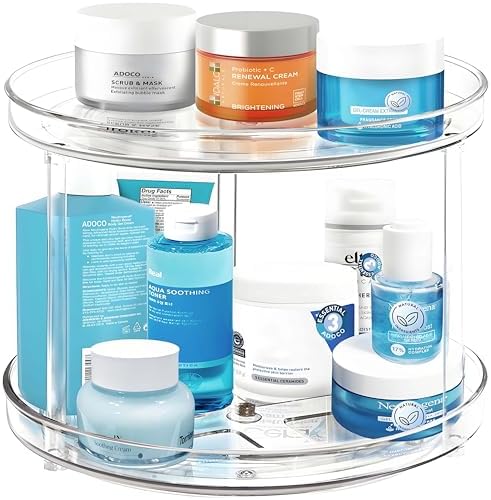
Turntable Organizer for Cabinets
A small rotating tray works surprisingly well under the sink or inside cabinets. Instead of reaching to the back and knocking things over, you can spin the organizer and access what you need instantly. It’s especially useful for skincare bottles, hair products, or cleaning supplies.


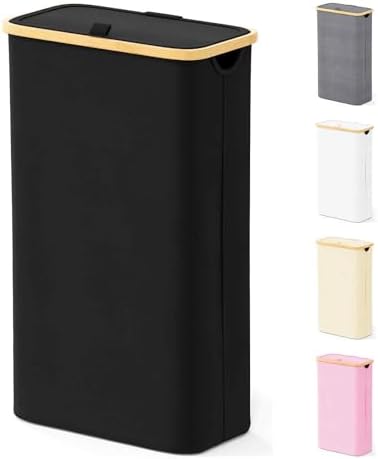
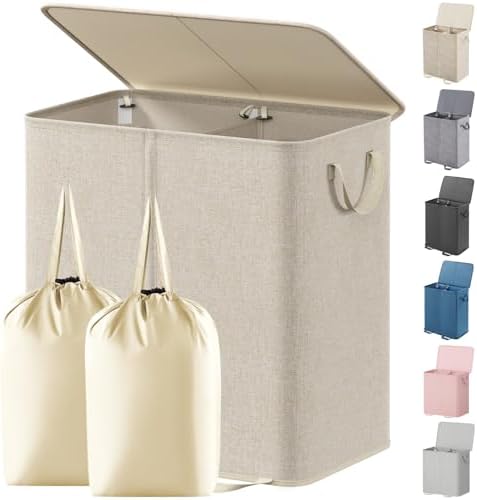
Compact Laundry Hamper
If your bathroom doubles as your laundry drop-off spot, a slim, vertical hamper can prevent clothes from piling up on the floor. Choose a narrow design that fits into tight corners and keeps everything contained without overpowering the room.


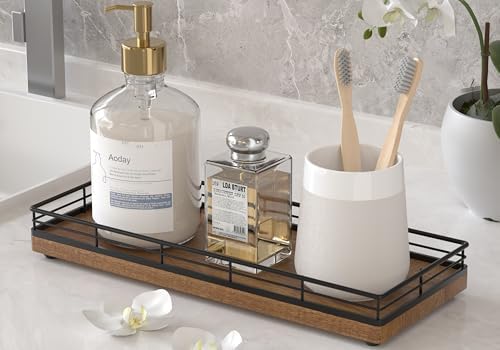
Minimal Countertop Tray
If you prefer keeping a few daily items visible, a small tray can help contain them. It visually groups products together, making the counter look intentional rather than cluttered. Stick to one tray and avoid overfilling it to maintain that clean, open feel.


Final Thoughts
A small bathroom doesn’t have to feel cramped or chaotic.
When you remove what you don’t truly use, clear the surfaces, and create simple structure inside cabinets and drawers, the room shifts. It feels lighter. Calmer. Easier to move through.
You’re not trying to create a showroom. You’re creating a space that supports your real routine — mornings when you’re in a rush, evenings when you’re tired, regular days in between.
In a small space, clarity matters more.
And once you experience a bathroom that feels open and manageable, it’s hard to go back to anything else.