
Best Kitchen Storage Solutions for Small Apartments
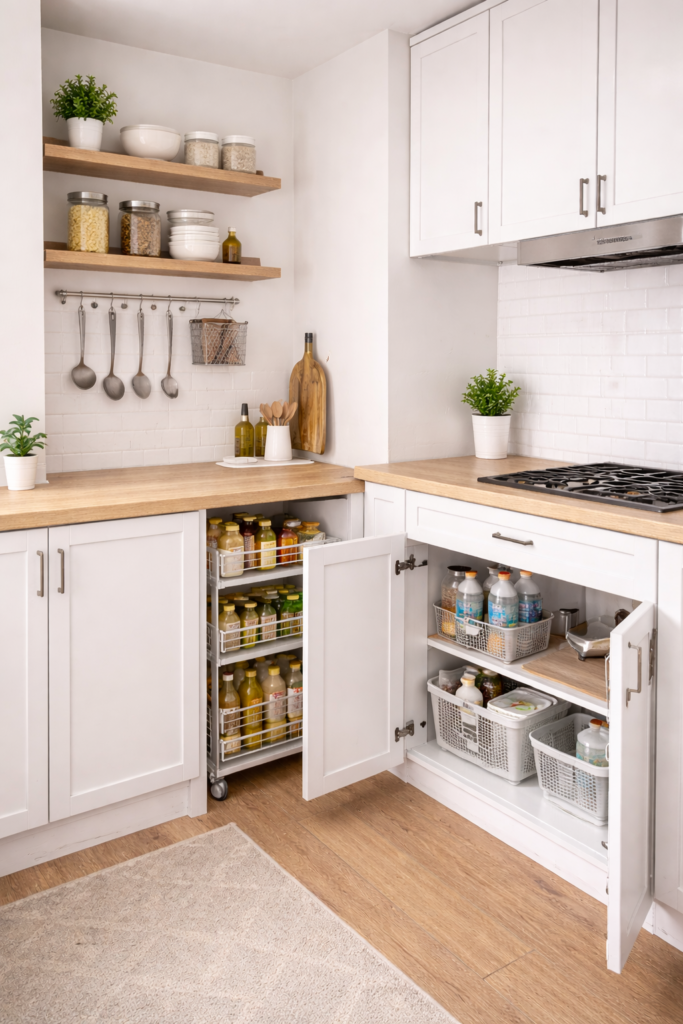
A small kitchen can feel frustrating fast. Counters fill up, cabinets overflow, and somehow there’s never enough room for the things you actually use every day. But a tiny kitchen doesn’t have to feel cramped or chaotic. With the right storage strategies, even the smallest apartment kitchen can feel functional and surprisingly spacious.
The secret isn’t just adding more containers — it’s using space smarter, especially vertical areas and hidden spots you might be overlooking.
Here are some of the best kitchen storage solutions that truly work in small apartments.
1. Use Vertical Wall Space
In a small apartment kitchen, wall space often goes unused, even though it can dramatically increase your storage capacity. When cabinets are full and counters are crowded, your walls can step in as functional storage zones instead of just decorative areas.
Floating shelves are one of the most versatile solutions. Installing one or two shelves above a counter, near the stove, or along an empty wall can hold everyday dishes, glasses, and pantry staples. Keeping frequently used items on open shelves actually makes cooking more efficient because you can grab what you need quickly without opening multiple cabinets.
To keep open shelving from looking cluttered, try grouping similar items together. For example, keep all mugs in one area, stack plates neatly, and use matching jars for dry goods. A cohesive look helps shelves feel styled instead of messy.
Wall-mounted rails with hooks are another excellent vertical solution. These systems can hold utensils, measuring spoons, small strainers, or even lightweight pans. This frees up drawer space and keeps tools within arm’s reach while you cook.
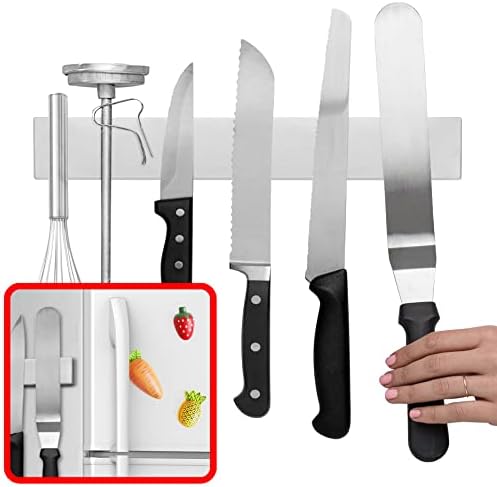
Magnetic strips are also useful, especially for knives or metal spice tins. Mounting a magnetic knife strip on the wall clears drawer space and keeps your most-used tools accessible and visible.
The goal with vertical wall storage is balance: store practical items you use regularly, while avoiding overcrowding the walls so the kitchen still feels open.
2. Add Shelf Risers Inside Cabinets
Kitchen cabinets often have more vertical room than you realize, but without dividers or risers, that space gets wasted. Shelf risers essentially create a second level inside your cabinet, allowing you to store items in layers instead of stacking everything in one tall pile.
This works especially well for dishes. Instead of stacking large plates with smaller plates or bowls on top, a riser lets you separate them into two tiers. This prevents heavy stacks that are hard to manage and reduces the risk of items tipping over.
Mugs also benefit from shelf risers. Many cabinets have unused space above a single row of mugs. A riser doubles that space without requiring permanent installation — perfect for renters.
Pantry cabinets can benefit too. Use risers to create levels for canned goods, jars, or small containers so you can see everything at a glance instead of digging through layers.
Because shelf risers are portable and adjustable, you can easily reconfigure them if your storage needs change. They’re a simple upgrade, but they make cabinets feel far more functional and less chaotic.
3. Use the Inside of Cabinet Doors
The inside of cabinet doors is one of the most underused storage areas in small kitchens. While it might seem like a narrow space, it’s perfect for slim organizers that hold small but frequently used items.
Spice racks designed for cabinet doors can free up valuable shelf space while keeping seasonings visible and easy to grab. Instead of digging through a crowded cabinet, you can see all your spices at once.
You can also attach small bins or holders for items like plastic wrap, aluminum foil, or sandwich bags. These boxes are often awkward to store on shelves but fit neatly on the inside of a door.
Under the sink, the cabinet door can hold cleaning gloves, scrub brushes, or spray bottles. This keeps supplies off the cabinet floor and prevents them from mixing with kitchen items.
Adhesive organizers or over-the-door systems are ideal for renters because they don’t require drilling. They transform wasted space into purposeful storage while keeping your main shelves free for larger items.
4. Maximize Under-Sink Storage
The area under the sink can easily turn into a cluttered pile of bottles and cleaning products. Pipes and limited height make it tricky, but with a little structure, this space can become highly efficient.
Start by removing everything and grouping items by category, such as dishwashing supplies, general cleaners, and trash bags. Then assign each group its own bin or basket. This prevents products from sliding around and makes it easy to pull out exactly what you need.
Stackable drawers or tiered shelves designed for under-sink cabinets can help you use vertical space around plumbing. These create levels so you’re not just piling items on the cabinet floor.
A small turntable (lazy Susan) can also help with bottles, making it easy to reach items in the back without knocking everything over.
Keeping this space organized reduces the urge to store kitchen tools or food items there, which shouldn’t mix with cleaning products anyway. When under-sink storage is neat and contained, the rest of your kitchen cabinets can stay focused on cooking and pantry items.
5. Use Stackable Storage Containers
Stackable storage containers are one of the easiest ways to make a small kitchen feel instantly more organized. Instead of dealing with half-open bags and mismatched packaging, transferring dry goods into uniform containers creates order and saves space at the same time.
Because they’re designed to stack, you can take full advantage of vertical cabinet or pantry space. Without stacking containers, shelves often end up with awkward gaps of unused air above shorter items. Stackable containers fill that space efficiently.
They’re especially useful for:
- Rice, pasta, and grains
- Flour and sugar
- Cereal and snacks
- Baking ingredients
Clear containers make it easy to see when you’re running low, which can also reduce food waste. Airtight lids help keep food fresher longer and protect it from humidity — important in small kitchens where storage areas may be close to heat or moisture.
Uniform containers also create a calmer visual look. Even in a small cabinet, matching shapes and sizes feel far less cluttered than a mix of bags, boxes, and random packaging.
6. Add a Slim Rolling Cart
A slim rolling cart can feel like discovering “hidden” square footage in your kitchen. If you have a narrow gap between the fridge and the wall, next to a cabinet, or along an unused edge, this type of cart can slide right in and turn wasted space into functional storage.
These carts usually have multiple tiers, making them ideal for pantry items like:
- Spices and condiments
- Canned goods
- Cooking oils and sauces
- Snack bars or small packaged foods
Because the cart rolls out, you can easily see and access everything, instead of losing items at the back of a deep cabinet. This makes cooking faster and reduces the chance of forgetting what you already have.
Another benefit is flexibility. If you move apartments or rearrange your kitchen, the cart can easily adapt to a new spot. It’s a renter-friendly way to add storage without installing anything permanent.
Just be mindful not to overload it. Keeping it organized and limited to specific categories prevents it from turning into a random catch-all shelf on wheels.
7. Hang Items Instead of Storing Them
Cabinet and drawer space is limited in small apartment kitchens, so sometimes the best solution is to stop storing certain items altogether — and start hanging them instead.
Hanging frequently used items keeps them accessible while freeing up interior storage for things that truly need to be tucked away.
Wall hooks or rails can hold:
- Cooking utensils
- Small cutting boards
- Oven mitts
- Measuring cups
Ceiling or wall-mounted pot racks are another option if you have the right layout. Hanging pots and pans can open up an entire cabinet that would otherwise be filled with bulky cookware.
Even mugs can be hung from hooks under a shelf, turning empty air space into practical storage.
The key is to be selective. Choose items you use often and that look tidy when displayed. Too many hanging objects can make the kitchen feel visually crowded, but a well-organized hanging system can look intentional and even add character.
8. Keep Counters Clear With “One-Touch” Storage
In a small kitchen, counter space is precious. When counters get cluttered, the whole kitchen feels smaller and harder to work in.
“One-touch” storage means creating systems where putting something away takes almost no effort. If storage is easy and nearby, you’re far more likely to use it instead of leaving things out.
Start by removing small appliances you don’t use daily, like blenders or toasters, and storing them in cabinets. Keep only the essentials on the counter.
Use trays to group everyday items such as:
- Cooking oil and salt
- A coffee station setup
- Frequently used spices
Grouping items on a tray makes them feel organized rather than scattered. When you need to clean, you can simply lift the tray instead of moving multiple small objects.
Drawer organizers also help keep counters clear by giving utensils, gadgets, and tools a proper home. When everything has a designated spot, surfaces naturally stay more open.
Clear counters not only make cooking easier but also make the entire kitchen feel larger and more peaceful.
Recommended Products for Small Apartment Kitchen Storage
Smart storage products can make a huge difference in a small kitchen. These space-saving tools help you stay organized while keeping counters and cabinets from overflowing.
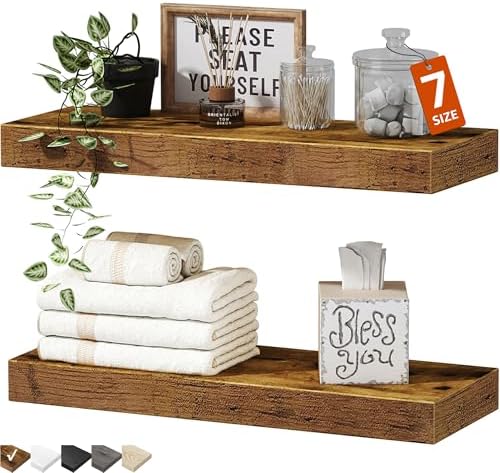
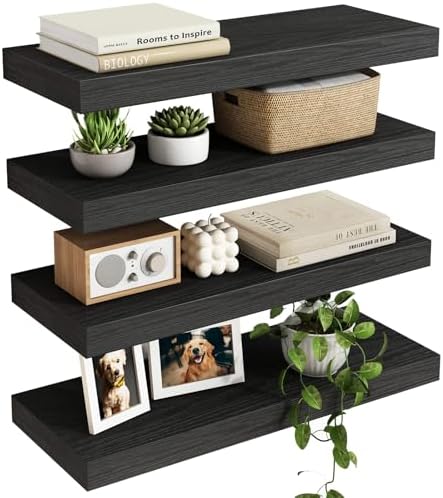
Floating Wall Shelves
Slim floating shelves add storage without bulky cabinets. They’re perfect for dishes, glasses, spice jars, or pantry staples you use every day.


Wall-Mounted Rail with Hooks
A kitchen rail system lets you hang utensils, measuring cups, and small tools within reach, freeing up drawer space and reducing counter clutter.


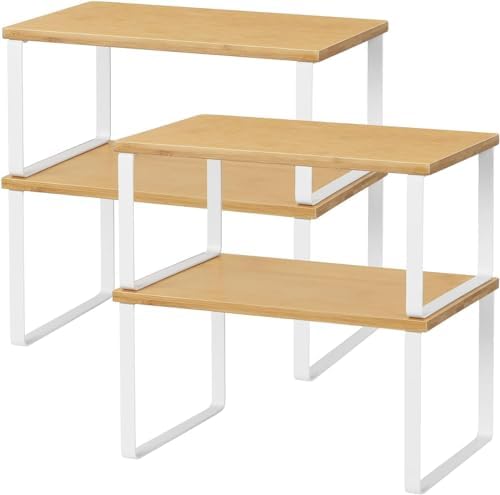
Cabinet Shelf Risers
Shelf risers create an extra level inside cabinets, making it easier to store plates, bowls, or mugs without stacking everything in one unstable pile.


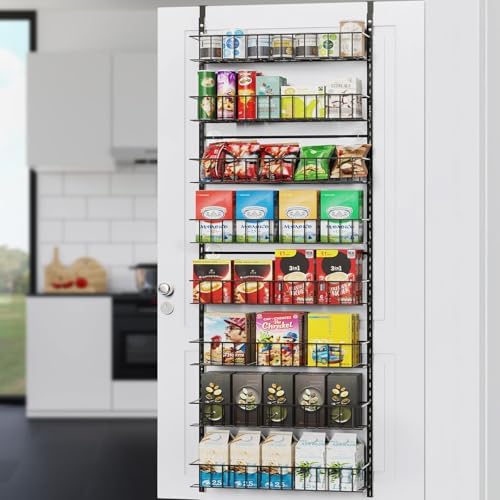
Over-the-Door Cabinet Organizers
These slim racks attach to cabinet doors and are great for spices, cleaning supplies, or wraps and foils that normally take up shelf space.


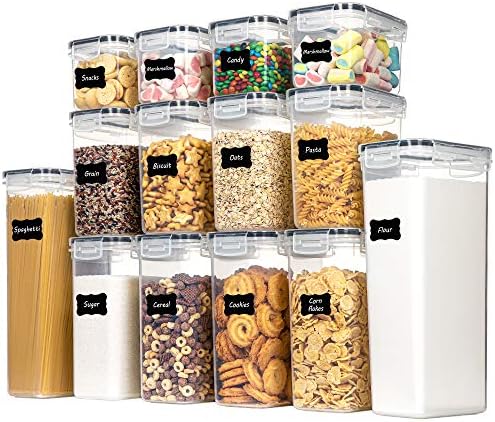
Stackable Airtight Food Storage Containers
Uniform, stackable containers help organize dry goods like rice, pasta, and snacks while maximizing vertical pantry space.



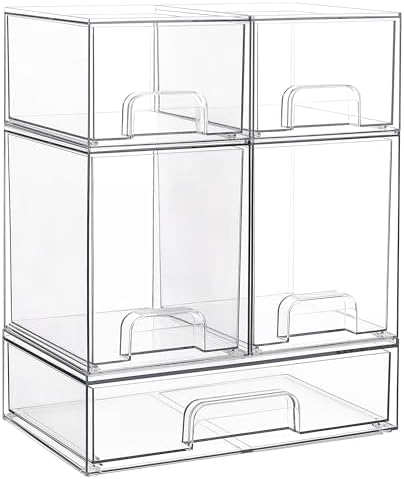
Slim Rolling Storage Cart
A narrow rolling cart fits into tight gaps and works as a mini pantry for canned goods, condiments, or cooking oils. Easy to move and renter-friendly.


Under-Sink Stackable Drawers or Bins
These help you organize cleaning supplies and make better use of the awkward space around plumbing.


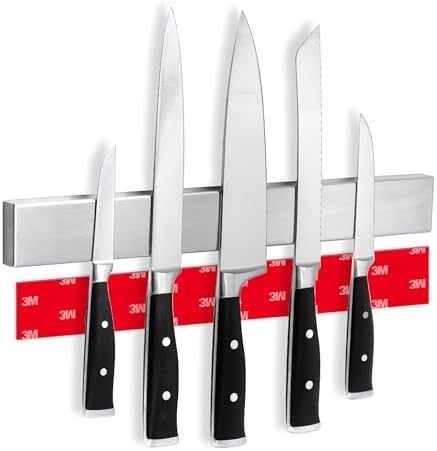
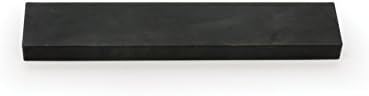
Magnetic Knife Strip
Mounting knives on a magnetic strip frees up drawer space and keeps essential tools easy to access while cooking.

Under-Shelf Mug Hooks
These attach to the bottom of shelves to hang mugs, turning unused air space into practical storage.


A small apartment kitchen will never have endless storage, but with smart vertical solutions, better cabinet organization, and a few flexible tools, you can make the most of every inch. The goal isn’t to fit more stuff — it’s to make your kitchen easier and more enjoyable to use every day.
As an Amazon Associate, I earn from qualifying purchases.