
Best Space-Saving Storage Solutions for Small Homes
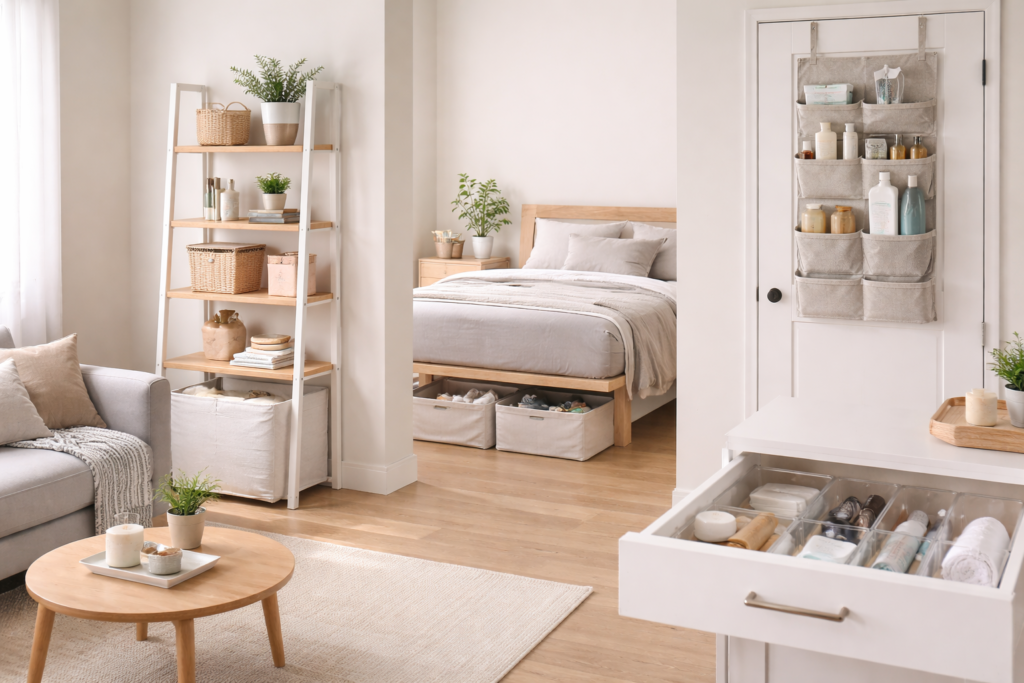
Living in a small home doesn’t mean living in clutter. In fact, limited space often pushes you to be more intentional about what you keep and how you store it. The goal isn’t to cram more things into every corner — it’s to make your home feel open, functional, and easy to maintain.
The good news? A few smart storage strategies can completely change how your space works without making it feel crowded.
1. Use Vertical Space Like a Pro
When you live in a small home, thinking vertically can completely change how much usable space you actually have. Most people focus only on what fits on the floor or inside low cabinets, but walls offer a huge amount of storage potential that often goes unused.
Tall shelving units are one of the easiest ways to add storage without increasing clutter. A slim, floor-to-ceiling bookshelf can hold books, storage baskets, decorative items, and even folded clothes if placed in a bedroom. Because it takes up minimal floor space, the room still feels open.
Wall-mounted shelves are another great option, especially in kitchens and living rooms. In the kitchen, they can store dishes, spices, or glass jars with dry goods. In living areas, they’re perfect for books, framed photos, and small baskets that hide miscellaneous items. The trick is to mix functional items with a bit of décor so the shelves feel styled rather than purely utilitarian.
Don’t forget about high, awkward spaces near the ceiling. These areas are ideal for storing items you don’t use every day, like seasonal décor or extra linens. Just use matching bins or baskets to keep things looking tidy.
Helpful tip: Keep heavier items on lower shelves and lighter items up high. This makes shelves safer and also keeps the room from feeling visually top-heavy.
2. Choose Furniture That Does Double Duty
In a small home, furniture should do more than just look good — it should work hard behind the scenes. Pieces with built-in storage help you hide everyday clutter while keeping your rooms functional and comfortable.
Storage ottomans are a classic example. They can hold blankets, board games, kids’ toys, or extra pillows while still serving as seating or a footrest. In small living rooms, this kind of hidden storage can replace bulky cabinets.
Beds with drawers underneath are another game changer. Instead of using up closet space for extra bedding or off-season clothing, you can store those items right under your mattress. Some bed frames even lift up to reveal a large storage compartment, which is perfect for items you don’t need every day.
Coffee tables with shelves or lift-top designs are also incredibly useful. The hidden compartment can store remotes, chargers, magazines, or notebooks, keeping the tabletop clear and the room looking less cluttered.
Helpful tip: Before buying new furniture, ask yourself: “What can this piece store?” If the answer is “nothing,” it might not be the best choice for a small space.
3. Make the Most of Under-Bed Storage
The space under your bed is often wasted simply because it’s out of sight. But in a small home, this area can become one of your most valuable storage zones.
Low, wide storage bins are perfect for keeping items dust-free and organized. Off-season clothes, extra sheets, blankets, and even shoes can all be stored neatly under the bed. This frees up closet and drawer space for items you use more often.
For bulkier items like winter coats or spare comforters, vacuum-sealed bags can make a huge difference. Compressing these items reduces the space they take up and helps you fit more underneath without creating a mess.
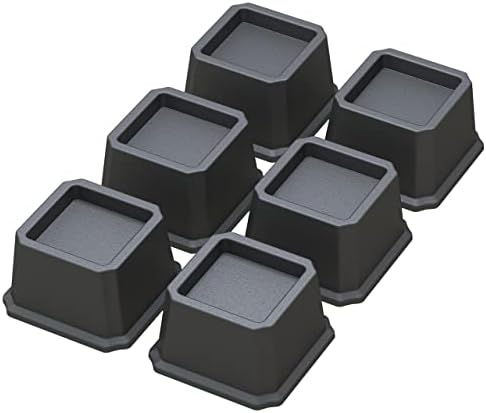
If your bed frame sits too low, simple bed risers can create extra clearance. Alternatively, choosing a bed frame with built-in drawers eliminates the need for separate bins and makes access much easier.
Helpful tip: Rotate items seasonally. Keep what you need now in your main storage areas and move out-of-season items under the bed.
4. Use Clear Bins and Labels
In small homes, disorganization spreads fast when you can’t easily see what you own. Clear storage bins help solve this by making everything visible at a glance.
Instead of opening multiple boxes to find one item, you can instantly see what’s inside. This works especially well in closets, under sinks, kitchen cabinets, and storage shelves. Group similar items together — like cables and electronics, cleaning supplies, or personal care products — so each bin serves a clear purpose.
Labels take this system to the next level. Even simple handwritten labels make it obvious where things belong, which helps everyone in the household maintain the system. It also prevents the “I’ll just put this here for now” habit that leads to clutter.
Another benefit of clear bins is that they help you notice when you have duplicates or items you no longer need. That makes decluttering easier and prevents overbuying.
Helpful tip: Don’t overfill bins. When they’re packed too tightly, they become hard to use — and that’s when items start creeping back onto surfaces.
5. Take Advantage of Door and Wall Hooks
Hooks might seem simple, but they’re one of the most powerful storage tools in a small home. They use vertical space that would otherwise stay empty and make it easy to keep frequently used items off the floor, chairs, and countertops.
Behind doors is prime storage space. Over-the-door hook racks are perfect for jackets, bags, robes, or towels. In bedrooms, they can hold tomorrow’s outfit. In bathrooms, they’re ideal for extra towels or shower caddies. This keeps bulky items from piling up on furniture.
Wall hooks also work well in kitchens. You can hang mugs, measuring cups, or small pans to free up cabinet space. In entryways, a simple row of sturdy hooks can replace a large coat rack and still handle coats, backpacks, and umbrellas.
Hooks make daily routines easier because items are visible and easy to grab. At the same time, they prevent that “drop it anywhere” habit that creates clutter hotspots.
Helpful tip: Don’t overcrowd one area with too many hooks. Leave a little space between items so the wall doesn’t start to look cluttered.
6. Use Stackable Storage
When space is tight, stacking is often better than spreading things out. Stackable storage helps you build upward inside cabinets, closets, and shelves so you can fit more without making the space feel chaotic.
Stackable bins and drawers are especially useful in closets. You can store folded clothes, accessories, or seasonal items in separate containers and place them on top of each other. This keeps categories separate while maximizing every inch of vertical space.
In kitchens and bathrooms, stackable organizers can double the usable space inside cabinets. For example, stacking shelves inside a cabinet lets you store dishes or cleaning supplies in layers instead of one hard-to-reach pile.
Uniform containers also make a big visual difference. Matching bins create a cleaner, more cohesive look than a mix of random boxes and bags.
Helpful tip: Make sure stacked containers are still easy to access. If you have to unstack everything just to reach one item, the system won’t last.
7. Create “Zones” for Everyday Items
Clutter often builds up not because you have too much stuff, but because items don’t have a clear “home.” Creating small, defined zones for everyday items helps keep things from spreading across your entire home.
Think about your daily routines. Where do you drop your keys? Where do you usually leave your bag? Where do remotes end up? Instead of fighting these habits, design storage around them.
A small tray or bowl near the entryway can become a dedicated key and wallet zone. A basket in the living room can hold remote controls, chargers, or small electronics. In the bathroom, a drawer divider can create a zone just for daily skincare or grooming items.
When items have a consistent spot, you spend less time searching and more time keeping your home tidy. It also makes cleaning easier because you’re not constantly moving things from place to place.
Helpful tip: Keep zones small and specific. If one area becomes a catch-all for everything, it will turn into clutter again.
8. Declutter Regularly
Even the smartest storage solutions can’t fix a space that’s holding more than it can handle. In small homes, regular decluttering is just as important as good organization.
Make it a habit to go through your belongings every few months. Check closets, drawers, cabinets, and shelves for items you no longer use or need. Clothes that don’t fit, duplicate kitchen tools, expired products, and old paperwork can all quietly take up valuable space.
Letting go of unnecessary items creates room to store what truly matters in a way that feels calm and manageable. It also makes cleaning and organizing much easier because you’re not constantly working around excess stuff.
Decluttering doesn’t have to be overwhelming. You can tackle one drawer, one shelf, or one category at a time. Small, consistent efforts make a big difference over time.
Helpful tip: If you haven’t used something in a year and it doesn’t have strong sentimental value, it’s probably safe to let it go.
Recommended Products for Maximizing Storage in Small Homes
You don’t need a full renovation to make a small home feel organized. A few smart, space-saving products can dramatically improve how your home functions without making it feel crowded.
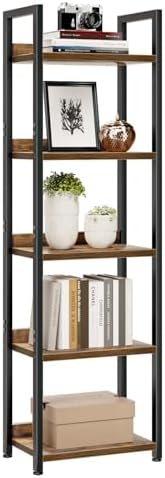
Tall Narrow Shelving Units
Slim vertical shelves are ideal for small spaces because they use height instead of floor area. They work well in living rooms, bedrooms, and even bathrooms, providing storage for baskets, books, and everyday essentials while keeping the footprint minimal.


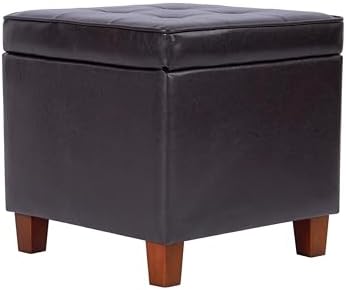
Storage Ottomans
An ottoman with hidden storage is one of the most versatile pieces you can own in a small home. It can hold blankets, games, or extra pillows while also serving as seating or a footrest. Some designs even double as small coffee tables.


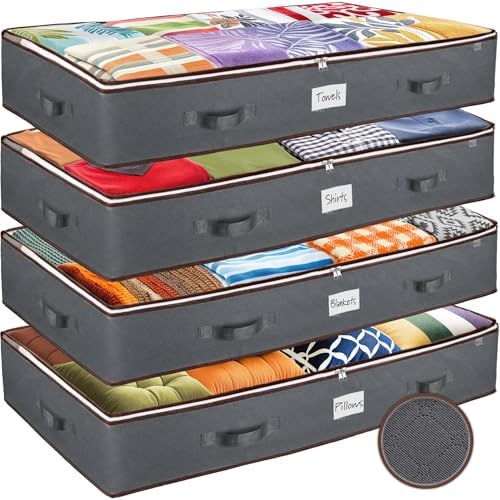
Under-Bed Storage Bins
Low-profile storage containers are perfect for making use of the space under your bed. They’re great for off-season clothes, extra bedding, or shoes. Look for bins with lids or zippered covers to keep contents clean and dust-free.



Bed Risers or Storage Bed Frames
If your bed sits too low, bed risers can instantly create extra storage space underneath. For a more long-term solution, bed frames with built-in drawers provide hidden storage that’s easy to access.



Stackable Storage Bins
Stackable bins help you use vertical space inside closets, cabinets, and shelves. They keep items grouped by category and prevent things from turning into messy piles. Clear bins make it easier to see what’s inside at a glance.


Over-the-Door Organizers
These are perfect for adding storage without taking up floor or wall space. Use them in bedrooms for shoes and accessories, in bathrooms for toiletries, or in kitchens for cleaning supplies and small items.


Wall Hooks and Adhesive Hooks
Hooks are simple but incredibly effective. They’re great for jackets, bags, towels, and kitchen tools. Adhesive options are renter-friendly and allow you to add storage without drilling holes.


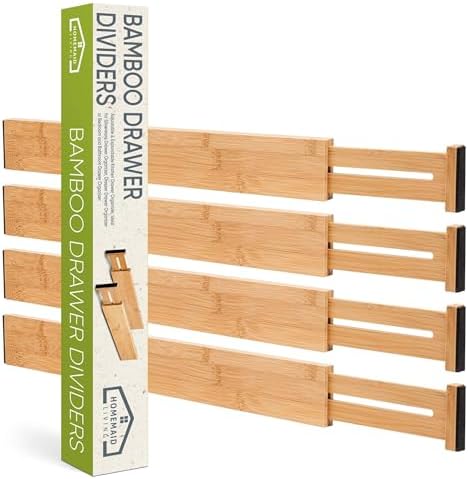
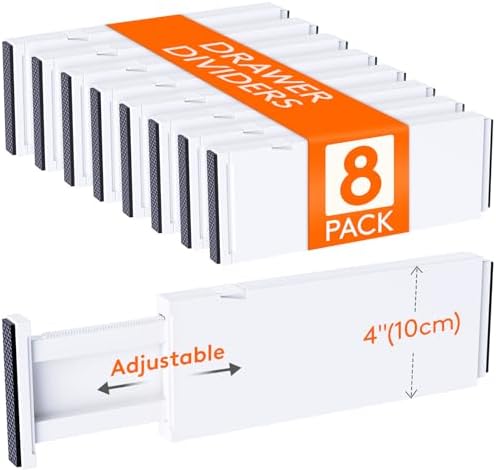
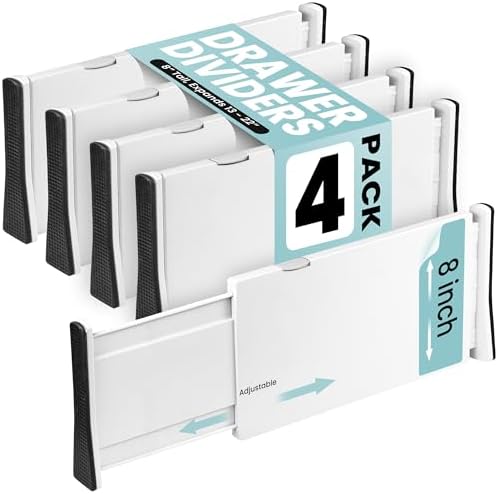
Drawer Dividers
Drawer dividers help keep small items organized so they don’t spread to other surfaces. They’re useful in kitchens, bathrooms, bedrooms, and even home offices for keeping essentials neat and easy to find.

Final Thoughts
Living in a small home comes with challenges, but it also gives you an opportunity to be more intentional about how you use your space. The goal isn’t to fit more and more things into every corner — it’s to create a home that feels calm, functional, and easy to live in.
Small changes can make a big impact. Using vertical storage, choosing furniture with hidden compartments, and making use of overlooked areas like under the bed or behind doors can completely transform how your home works. When everything has a place, daily life feels smoother and less overwhelming.
At the same time, storage solutions work best when paired with mindful habits. Regular decluttering and being selective about what you bring into your home will help keep your space from feeling crowded again.
A small home that’s thoughtfully organized can feel just as comfortable — and often more peaceful — than a larger one. With the right systems in place, you’ll spend less time managing clutter and more time actually enjoying your space.
As an Amazon Associate, I earn from qualifying purchases.