
Best Storage Ideas for Small Spaces That Actually Work
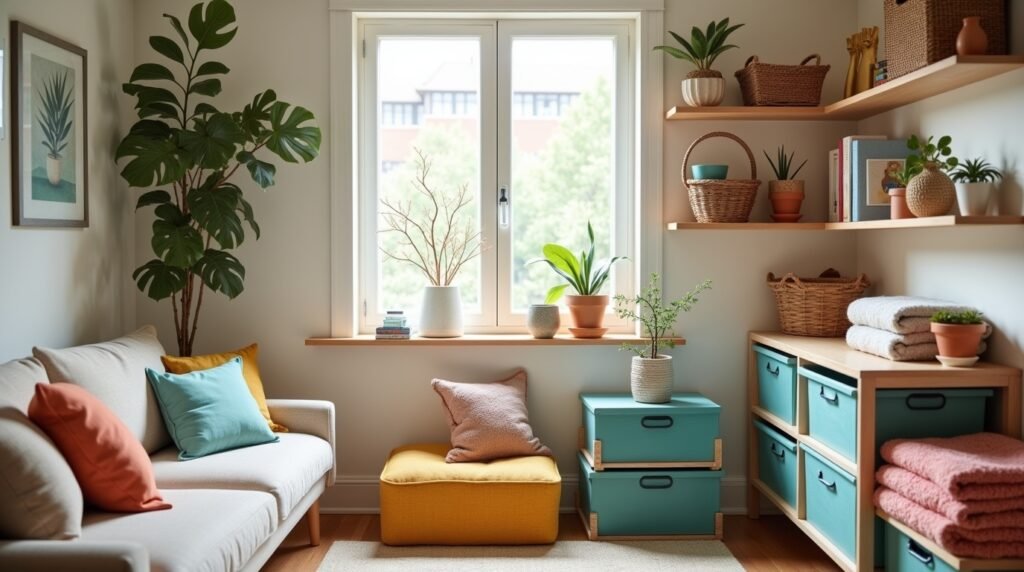
Living in a small space teaches you one thing very quickly: clutter builds up fast. A few extra items on a table, a chair used as a “temporary” clothes rack, a drawer that won’t close anymore — it doesn’t take much to make a small home feel overwhelming.
The good news? You don’t need a bigger place. You just need smarter storage. Here are storage ideas that aren’t just pretty on Pinterest — they actually work in real life.
Use Vertical Space Like Your Life Depends on It
When you live in a small space, the floor fills up fast. A couple of storage boxes, a small shelf, maybe a laundry basket — and suddenly there’s barely room to walk. That’s why thinking vertically isn’t just helpful, it’s essential.
Start by looking at your walls differently. That empty space above eye level? It’s valuable storage real estate. Tall bookcases, even slim ones, can hold a surprising amount without making the room feel crowded. Use the lower shelves for everyday items and the higher ones for things you don’t need as often, like keepsakes, seasonal decor, or extra supplies.
Wall-mounted shelves are especially useful in kitchens, bedrooms, and living rooms. In a kitchen, they can hold jars, mugs, or small baskets. In a bedroom, they’re perfect for books, folded clothes, or decorative storage boxes. In living areas, they can replace bulky side tables by holding lamps, plants, and small essentials.
Hooks are another underrated vertical solution. A row of wall hooks near the entryway can hold jackets, bags, and hats without needing a coat rack. Inside closets, hooks can hold belts, scarves, or bags. Even the back of a door can become storage space with over-the-door hooks or organizers.
Once you start using your walls with intention, you’ll realize you had more space than you thought — you just weren’t using it yet.
Choose Furniture That Hides Storage
In small spaces, every piece of furniture should earn its spot. If something only serves one purpose, it might be taking up space that could be used more efficiently.
Storage ottomans are a perfect example of smart furniture. They can store blankets, board games, cables, or random living room clutter while also working as a footrest or extra seating. In a small apartment, that kind of double function makes a big difference.
Beds are another major opportunity for hidden storage. The area under the bed is often wasted or becomes a place where things get shoved and forgotten. Instead, use under-bed storage bins or choose a bed frame with built-in drawers. This space is ideal for off-season clothes, shoes, or spare bedding.
Coffee tables can also work harder. Look for models with shelves underneath or lift-top designs with hidden compartments. Instead of covering the surface with remotes, chargers, and mail, you can store those items inside while keeping the room looking tidy.
Even benches can become storage heroes. A bench with storage inside can sit at the end of a bed, in an entryway, or along a wall, holding shoes, bags, or linens. When furniture hides clutter, your space instantly feels calmer and more open.
Contain the Clutter With Baskets and Bins
Small spaces don’t usually look messy because of big items — it’s the little things. Cables, papers, beauty products, snacks, and random daily-use items spread across surfaces make a room feel chaotic fast.
That’s where baskets and bins come in. They give loose items a defined home. Instead of having five small things sitting separately on a shelf, you can group them into one basket. Visually, that reads as “organized” instead of “cluttered.”
In living rooms, baskets can hold throws, magazines, or kids’ toys. In bedrooms, they’re great for accessories, sleepwear, or extra linens. In bathrooms, they can organize hair products, skincare, or backup toiletries. The key is grouping similar items together so you always know where to look.
Clear bins are especially helpful in closets and kitchens. Being able to see what’s inside saves time and prevents you from buying duplicates because you forgot what you already had. They’re also great for deep shelves where items tend to get lost in the back.
Labels take this one step further. A simple label — even handwritten — helps everyone in the household know where things belong. This makes it much easier to maintain organization instead of constantly reorganizing from scratch.
Make Use of “Dead” Spaces
Most small homes have storage potential hiding in plain sight. The trick is learning to notice the spaces that usually get ignored.
Look above things first. The space above kitchen cabinets, wardrobes, or tall shelves can store bins with items you rarely use. These areas are perfect for seasonal decorations, travel gear, or backup household supplies.
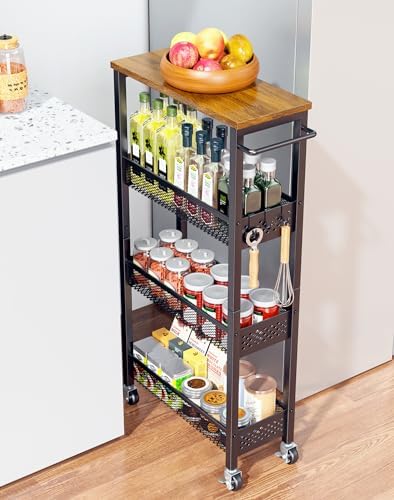
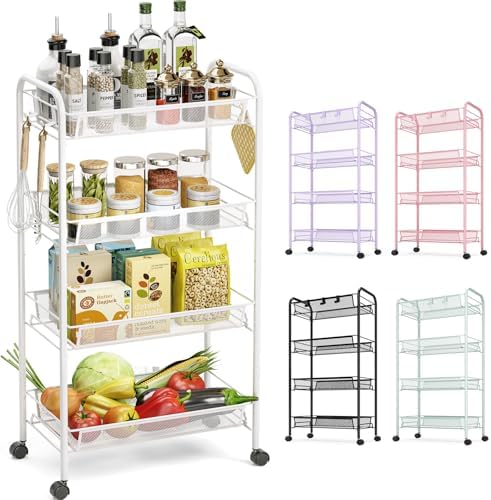
Next, check narrow gaps. That slim space between the fridge and the wall, or between a dresser and the bed, might fit a rolling storage cart. These carts are great for canned goods, toiletries, cleaning supplies, or office materials.
Corners are another commonly wasted area. Corner shelves or corner desks can turn awkward angles into useful storage without making the room feel crowded. Even a small corner unit can hold books, baskets, or decorative storage boxes.
Don’t forget low spaces, either. Under sofas, beds, and benches, you can slide flat storage bins for items you don’t use every day. This keeps things out of sight but still accessible when needed.
When you start paying attention to these “dead” zones, you’ll find storage opportunities you didn’t even realize you had — and your small space will start working a lot harder for you.
Go Vertical Inside Cabinets and Closets
When storage feels tight, most people assume they need more shelves or bigger furniture. But often, the real problem is that the space inside cabinets and closets isn’t being used efficiently.
Take a look at a typical shelf. There’s usually a lot of empty air between the top of one stack and the bottom of the shelf above it. Shelf risers fix this instantly by creating a second level. In kitchens, they’re great for stacking plates, bowls, or mugs. In closets, they can double the space for folded clothes, bags, or linens.
Stackable bins or small drawer units also help make better use of vertical space. Instead of piling items on top of each other and creating a mess, you can separate them into layers. This makes everything easier to see and reach — no more digging through a pile and ruining your organization every time you need one item.
Hanging organizers are another smart solution, especially in small closets. They turn vertical hanging space into shelves for sweaters, jeans, shoes, or accessories. This is perfect if your closet has more hanging height than shelf space.
The goal is simple: stop storing things in single layers when you can safely stack upward. Once you start thinking in levels instead of flat surfaces, your existing storage suddenly feels much bigger.
Keep Surfaces as Clear as Possible
In a small space, visual clutter feels heavier than physical clutter. Even if you don’t own that much, having lots of items sitting out in the open can make your home feel cramped and stressful.
Start by choosing which surfaces truly need to stay clear. Kitchen counters, desks, nightstands, and entryway tables are usually the biggest clutter magnets. The more open these areas stay, the more spacious your home will feel.
Instead of leaving everyday items scattered around, create nearby “homes” for them. A small drawer organizer for mail and keys near the entryway, a basket for chargers near the couch, or a drawer for skincare in the bathroom can keep essentials accessible but out of sight.
Trays are another simple but powerful tool. If you do need to keep certain items on a surface, placing them on a tray makes them look intentional instead of messy. A tray on a coffee table for remotes and candles or one on a dresser for perfumes and jewelry creates visual order.
The rule isn’t that surfaces must be empty — it’s that they should look controlled. The less random clutter your eyes see, the bigger and calmer your space will feel.
Rotate Instead of Storing Everything at Once
One big mistake people make in small homes is trying to store everything in active spaces all year round. When every drawer and shelf is packed, daily life becomes frustrating fast.
Rotating items by season or frequency of use can instantly create breathing room. For example, keep only the clothes you’re currently wearing in your main closet or dresser. Off-season clothes can go into labeled bins under the bed or on high shelves.
The same idea works in kitchens. If you only use certain appliances or tools occasionally — like holiday bakeware or specialty gadgets — store them in less accessible spots. Save the most convenient spaces for items you use weekly or daily.
Home decor can also be rotated. Instead of displaying everything at once, switch out decorative pieces seasonally. This keeps your space feeling fresh while reducing the amount of stuff you need to store in visible areas.
When you stop trying to keep everything in reach at all times, your home starts to feel more manageable — and a lot less crowded.
Declutter Regularly (Storage Can’t Fix Too Much Stuff)
No storage system can keep a small space organized if there’s simply too much inside it. At some point, the real solution isn’t more bins or shelves — it’s owning less.
Regular decluttering keeps things from building up to an overwhelming level. You don’t need to do massive clean-outs all the time. Even small, consistent edits make a big difference. Every few months, go through one drawer, one shelf, or one closet section and remove what you no longer use.
Pay attention to items you keep “just in case.” In small spaces, these things add up quickly. If you haven’t used something in a year and it’s easy to replace, it might not deserve valuable storage space.
Decluttering also makes organizing easier. Fewer items mean you can actually see what you have, reach things easily, and maintain systems without constant frustration.
Think of decluttering as part of your storage strategy, not a separate chore. The less you have to manage, the more peaceful and functional your small space will feel every day.
Recommended Products That Make Small-Space Storage Easier
You don’t need to buy a ton of organizers to improve a small space — but a few smart tools can make a big difference. These are practical, space-saving items that actually help you stay organized long-term.
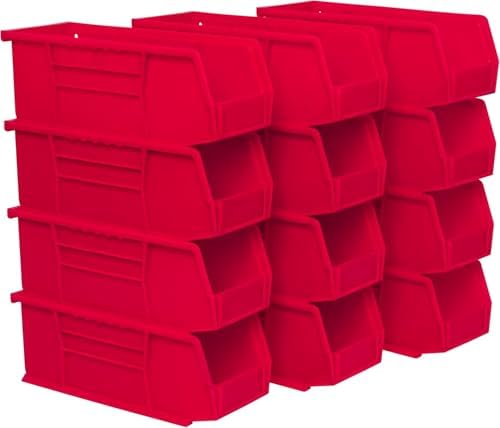
Stackable Storage Bins
Clear, stackable bins are perfect for closets, cabinets, and shelves. They help you use vertical space while keeping items visible and easy to grab. Great for clothes, pantry items, toiletries, or office supplies.


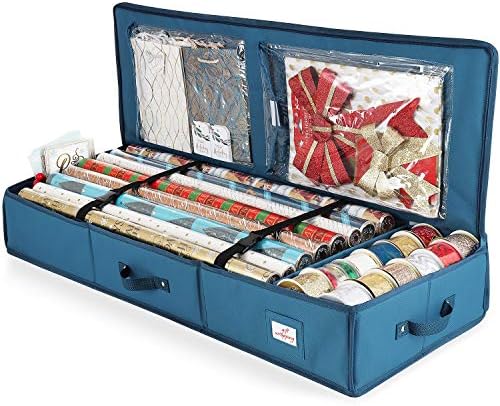
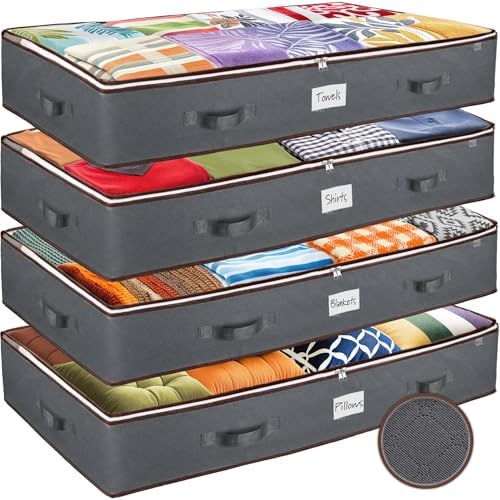
Under-Bed Storage Containers
Flat, rolling, or zippered under-bed bins turn unused space into valuable storage. They’re ideal for seasonal clothes, extra bedding, shoes, or anything you don’t need every day but still want to keep.


Over-the-Door Organizers
These are lifesavers in small homes. You can use them in bedrooms, bathrooms, or kitchens to store shoes, cleaning supplies, toiletries, or snacks — all without taking up floor or shelf space.


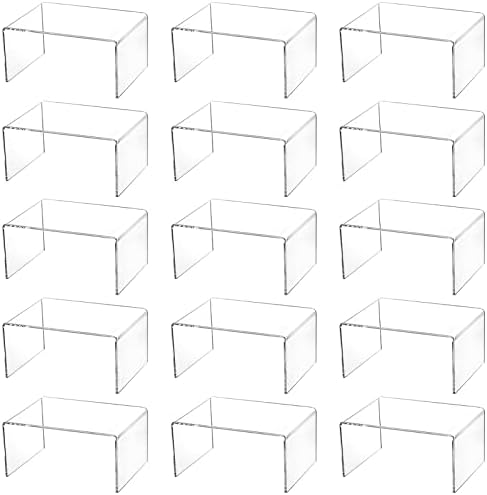
Shelf Risers
Shelf risers instantly double the usable space inside cabinets and closets. They’re especially helpful in kitchens for dishes and mugs, and in closets for folded clothes or handbags.


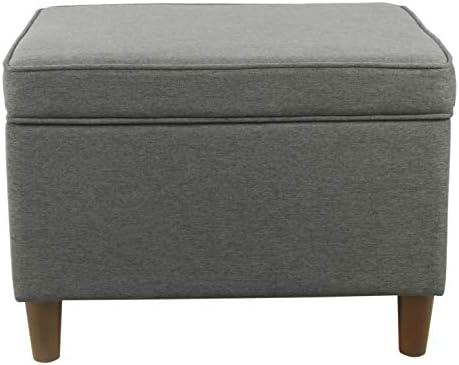
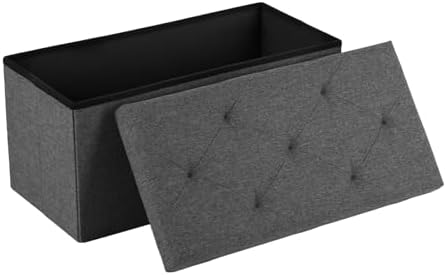
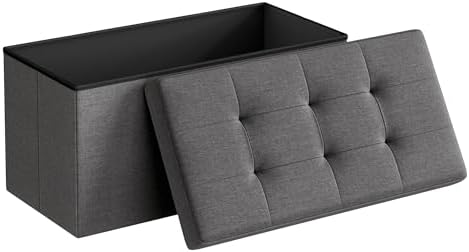
Storage Ottomans
A storage ottoman adds hidden space for blankets, electronics, toys, or random living room clutter. Plus, it doubles as extra seating or a footrest — perfect for small living areas.

Drawer Organizers
From kitchen utensils to makeup and office supplies, drawer dividers keep small items from turning into messy piles. They make it easier to find what you need and maintain order over time.


Slim Rolling Carts
Narrow rolling carts fit into tight gaps between furniture or appliances. They’re great for bathrooms, kitchens, or laundry areas where space is limited but extra storage is needed.


Final Thoughts
Small spaces don’t have to feel cramped or chaotic. With the right storage strategies, even the tiniest home can feel functional and peaceful. Focus on using vertical space, choosing furniture that multitasks, and keeping clutter contained and edited.
It’s not about fitting more into your home — it’s about making your space work better for the life you actually live.
As an Amazon Associate, I earn from qualifying purchases.