
Closet Decluttering Checklist: What to Keep and What to Toss
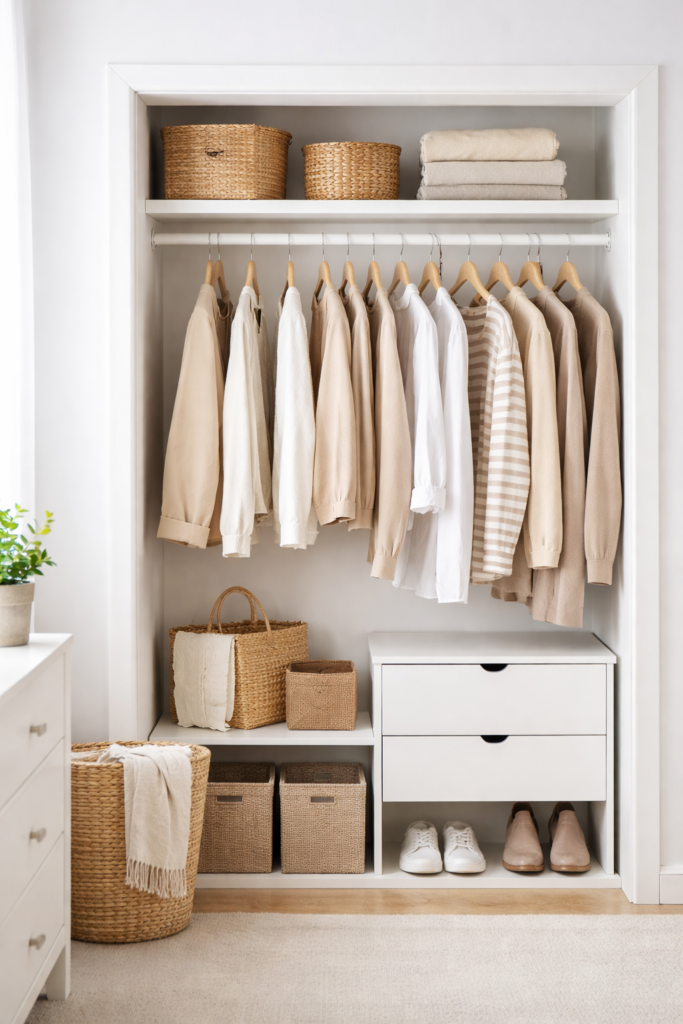
Closets have a sneaky way of filling up. One day everything fits, and the next you’re wrestling with hangers, wondering why you have five black shirts you never wear.
Decluttering your closet isn’t about becoming a minimalist overnight. It’s about creating a space where getting dressed feels easy instead of frustrating. This checklist will help you decide — without the usual stress — what stays and what goes.
✅ Step 1: Start With a Clean Slate
This step is the one most people try to skip — and it’s also the most important.
Yes, it’s a bit of work, but it completely changes how you see your wardrobe.
✔ Take everything out of the closet
✔ Place items on your bed or a clean surface
✔ Empty drawers if you’re doing a full reset
✔ Group similar items together
Shirts with shirts. Jeans with jeans. Jackets with jackets.
Why taking everything out works so well
When clothes stay inside the closet, it’s easy to underestimate how much you own.
But once everything is visible?
👉 That pile of sweaters feels very different
👉 Those “few” pairs of jeans suddenly multiply
👉 Forgotten items resurface
It’s not about creating a mess — it’s about creating awareness.
And awareness is what makes better decisions possible.
Pro tip: Declutter in categories
Instead of bouncing randomly between items:
Tackle one group at a time:
👕 Tops
👖 Bottoms
🧥 Outerwear
👟 Shoes
👜 Accessories
This reduces overwhelm and decision fatigue.
👕 What to Keep
Decluttering isn’t just removing things — it’s identifying what deserves space.
Let’s focus on what stays.
✔ Clothes You Actually Wear
This sounds obvious, but it’s where most hesitation happens.
Ask yourself:
👉 Have I worn this in the last 6–12 months?
Be honest — not optimistic.
Keep items that:
✔ You reach for regularly
✔ Fit your current routine
✔ Feel comfortable
✔ Make you feel like yourself
Watch out for “almost favorites”
We all have them:
- “I like it, but…”
- “It’s okay, I guess…”
- “Maybe with different shoes…”
If something is constantly passed over, it’s quietly telling you something.
Your closet should be filled with easy yeses, not reluctant maybes.
✔ Items That Fit Well Right Now
This one can be emotionally tricky.
But your closet is not a storage unit for future scenarios.
Keep clothes that:
✔ Fit your body comfortably today
✔ Don’t pinch, pull, or sag
✔ Feel good without adjustment
Why this matters psychologically
Ill-fitting clothes create tiny moments of discomfort:
👉 Tight waistband
👉 Sleeves that don’t sit right
👉 Constant tugging or adjusting
Over time, that adds subtle daily stress.
Your wardrobe should support your confidence — not challenge it.
✔ Versatile, Easy-to-Mix Pieces
These are your wardrobe workhorses.
Think:
✔ Neutral tops
✔ Well-fitting jeans
✔ Comfortable everyday shoes
✔ Simple layers
Versatile items:
- Reduce outfit frustration
- Increase combinations
- Prevent “nothing to wear” moments
👉 These pieces earn their space repeatedly.
✔ Sentimental Pieces (But With Boundaries)
It’s completely okay to keep items with emotional value.
But they shouldn’t crowd your functional wardrobe.
Better strategy:
✔ Limit to truly meaningful items
✔ Store separately in a keepsake box
✔ Avoid keeping guilt-based items
❌ What to Toss / Donate / Sell
This is the part where decisions get uncomfortable — but also where the biggest transformation happens.
Decluttering isn’t just about space.
It’s about removing friction, guilt, and visual noise from your daily routine.
Let’s make it easier.
✖ Clothes You Never Wear
This category hides more items than people expect.
Be honest with yourself:
👉 Have I actually worn this — not planned to — in the past year?
Warning signs:
- Still has tags
- Always gets skipped
- You forgot you owned it
- Only worn once (years ago)
The “Why Am I Keeping This?” test
If your answer sounds like:
✖ “It was expensive…”
✖ “I might wear it someday…”
✖ “It still fits technically…”
That’s usually emotional storage, not practical storage.
👉 Unworn clothes take up physical space and mental space.
✖ Items That Don’t Fit
Too tight. Too loose. Too uncomfortable.
This one can feel personal — but keeping ill-fitting clothes often does more harm than good.
Why?
Because every time you see them, they whisper:
👉 “You should be different.”
Your closet should reflect acceptance, not pressure.
A healthier mindset
Instead of:
✖ “I’ll keep this for when…”
Try:
✔ “If my body changes, I’ll choose clothes that fit that version of me.”
Let go of clothes that don’t serve your current comfort.
✖ “Fantasy Self” Clothing
Almost everyone has these.
- The ultra-formal outfit for events you never attend
- The bold style that isn’t really you
- The shoes that look amazing but hurt
Reality vs imagination
Ask:
👉 Does this match my real lifestyle?
If your week mostly involves:
✔ Work
✔ Errands
✔ Casual outings
But your closet is full of:
✖ Gala dresses
✖ Uncomfortable statement pieces
There’s a mismatch.
Keep clothes for your real life — not hypothetical scenarios.
✖ Worn-Out or Damaged Pieces
We tend to keep these longer than we should.
Common offenders:
- Faded t-shirts
- Stretched sweaters
- Stained fabrics
- Broken zippers
- Misshapen shoes
The “Would I Wear This Outside?” rule
If you wouldn’t confidently wear it in public → reconsider.
Exceptions:
✔ A few designated home / lounge clothes
But even lounge wear should feel decent, not defeated.
✖ Duplicates You Don’t Need
Duplicates quietly clog closets.
Five similar white shirts.
Three nearly identical hoodies.
How to handle duplicates
Keep:
✔ Best fit
✔ Best condition
✔ Most frequently worn
Release:
✖ Backups you never reach for
👉 Owning fewer but better options simplifies everything.
Quick Decision Questions (When You Feel Stuck)
If you’re hesitating, run through this mental checklist:
✔ Do I feel good wearing this?
✔ Would I buy this again today?
✔ Does this suit my current lifestyle?
✔ Have I worn this recently?
✔ Does this fit comfortably right now?
If most answers lean toward “no”…
you already know.
Step 2: Rebuild Your Closet With Intention
Now comes the rewarding part.
Instead of stuffing things back randomly, reset your closet strategically.
Simple organizing principles
✔ Group by category (shirts, pants, etc.)
✔ Use matching hangers
✔ Leave breathing room between items
✔ Store off-season clothes separately
✔ Place frequently used pieces at eye level
👉 An organized closet stays decluttered longer.
Why this step matters
Without structure, clutter slowly returns.
Organization:
✔ Preserves your effort
✔ Makes outfits easier
✔ Reduces visual overload
✔ Helps maintain clarity
Recommended Products for Closet Decluttering & Organization
Decluttering is the first step — but having the right tools makes keeping your closet organized much easier. These are practical upgrades that genuinely help without overcomplicating your space.
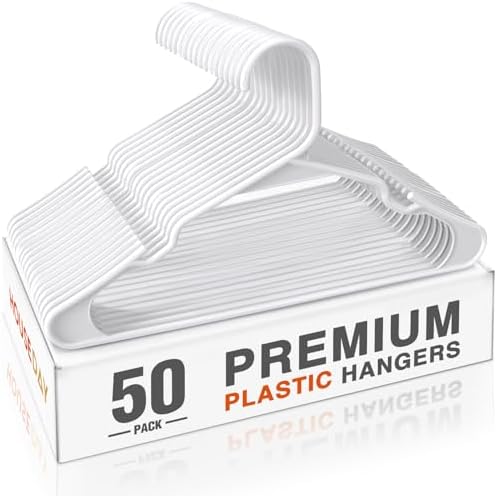
Slim, Space-Saving Hangers
Bulky hangers waste a surprising amount of closet space.
Slim hangers:
✔ Create a cleaner, uniform look
✔ Prevent clothes from slipping
✔ Free up noticeable hanging space
👉 One simple swap can feel like you gained extra room instantly.


Drawer Organizers
Drawers easily become clutter magnets, especially for smaller items.
Organizers help:
- Separate categories (underwear, socks, accessories)
- Prevent messy piles
- Make items easy to find
👉 Ideal for maintaining order after decluttering.


Storage Boxes or Bins
Not everything needs to live in your main closet area.
Perfect for:
✔ Seasonal clothes
✔ Sentimental pieces
✔ Rarely used items
Look for stackable or clear options to maximize visibility and space.


Hanging Shelf Organizers
Great for closets with limited drawer space.
Use them for:
- Sweaters
- T-shirts
- Jeans
- Bags
👉 Adds vertical storage without furniture.


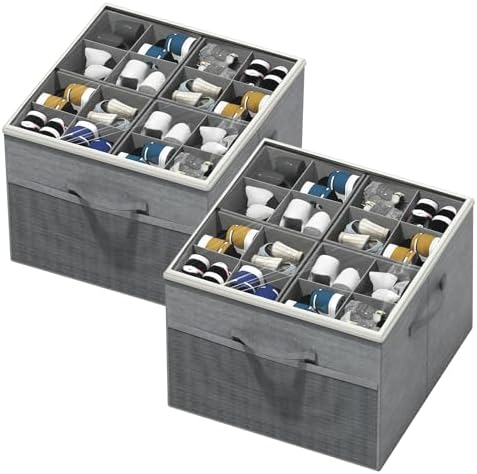
Shoe Organizers
Shoes are one of the fastest ways to overcrowd a closet.
Options include:
✔ Stackable shoe boxes
✔ Hanging shoe shelves
✔ Under-bed storage
👉 Keeps pairs visible, protected, and contained.



Over-the-Door Organizers
An underrated storage solution.
Perfect for:
- Accessories
- Small clothing items
- Shoes
- Bags
👉 Uses space that normally goes to waste.


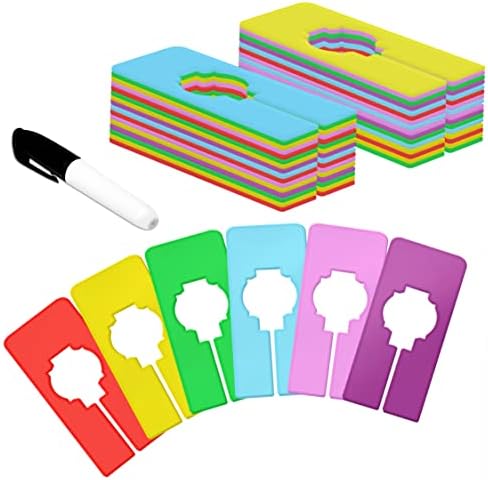
Closet Dividers
Simple but powerful for maintaining structure.
They help:
✔ Separate clothing categories
✔ Organize by season or type
✔ Prevent clutter creep
👉 Especially helpful in shared closets.



Final Thoughts
Closet decluttering isn’t about strict rules or perfection.
It’s about:
✔ Making mornings smoother
✔ Reducing decision fatigue
✔ Creating visual calm
✔ Keeping what truly supports you
Less clutter doesn’t mean less style.
It means more space, more clarity, and less stress.
And remember:
Letting go of clothes isn’t wasteful.
Keeping things you don’t use is.
FAQ – Closet Decluttering
How often should I declutter my closet?
Every 6–12 months works well. Seasonal transitions are ideal moments.
What if I regret donating something?
If you rarely wore it before, you likely won’t miss it long-term. Relief usually outweighs regret.
Should I organize before decluttering?
No. Declutter first, then organize. Otherwise you’re just rearranging excess.
What’s the biggest decluttering mistake?
Keeping clothes tied to guilt, past identity, or unrealistic future scenarios.