
How to Create Storage in a Home With No Closets
Moving into a home without closets can be a surprise you didn’t plan for.
You walk through the space imagining where everything will go, and then it hits you — there’s nowhere to hide anything. No sliding doors to tuck away jackets. No built-in shelves for towels. No quiet corner to stack boxes you “might need later.”
At first, it can feel like the walls are closing in. But over time, you realize something important: closets don’t create organization. Systems do.
And when you don’t have closets, you’re forced to build better systems.
Rethink What Storage Really Means
Most of us grow up thinking storage equals hidden space. If it’s behind a door, it’s organized. But in reality, closets often become black holes where things disappear and multiply.
In a home without closets, you don’t have that luxury. Everything is more visible. And visibility can be uncomfortable at first.
That discomfort is actually useful.
When you can see what you own, it becomes easier to question it. Do you really wear all those jackets? Do you need five extra blankets within arm’s reach? Are you keeping things out of habit rather than necessity?
Before buying a single storage solution, sit with what you already have. Lay out your clothes. Gather your shoes in one place. Stack your linens together. Seeing the volume clearly changes how you approach the problem.
Creating storage often starts with reducing what needs to be stored.
It’s not about extreme minimalism. It’s about being realistic about your space. When storage is limited, clarity becomes your best tool.
Use Furniture That Does More Than One Job
In a home without closets, every piece of furniture has potential.
That bench by the door? It could hold shoes underneath. The bed? It can store off-season clothes in drawers or containers below. A coffee table with a lower shelf can hide baskets that hold everyday items.
Instead of asking, “Where do I put this?” start asking, “What piece of furniture can help me store this?”
Multi-functional furniture isn’t just practical, it’s stabilizing. It gives your home structure when built-ins are missing.
But here’s the important part: choose pieces that feel intentional. Avoid temporary-looking plastic drawers or random bins scattered around. When your storage looks cohesive, the entire room feels calmer.
Storage should blend into your life, not constantly remind you that you’re improvising.
Create a Wardrobe System That Feels Personal
If your bedroom has no closet, this is usually the biggest concern.
The idea of clothes being exposed can feel overwhelming. But open wardrobes can actually encourage you to be more thoughtful about what you keep.
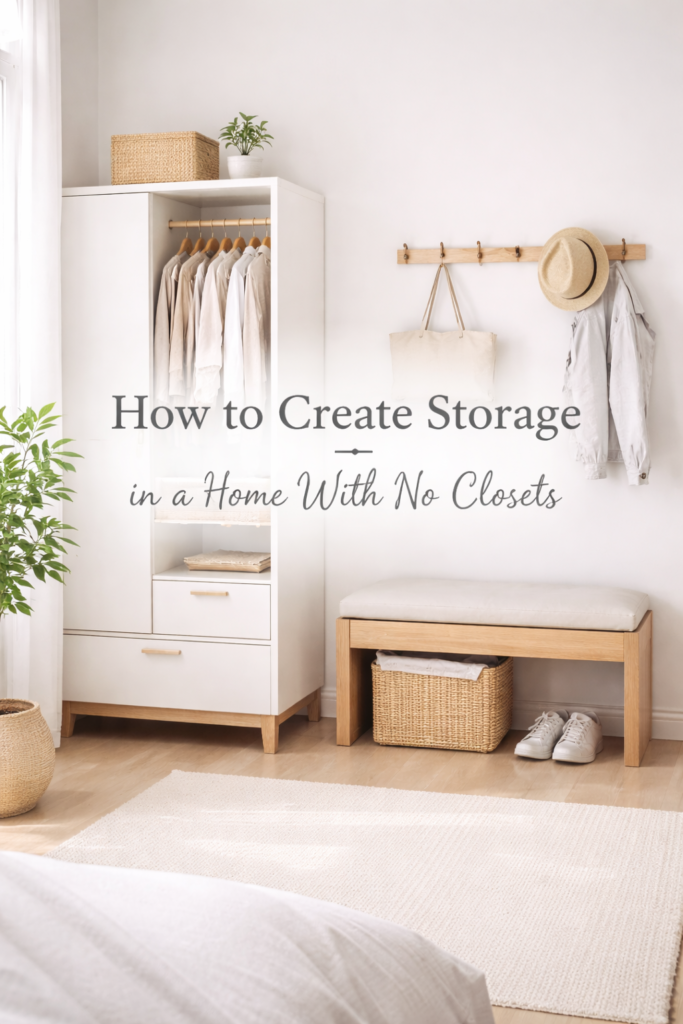
A freestanding wardrobe is the most straightforward solution. It mimics a traditional closet while giving you flexibility in placement. But even a simple clothing rack can work beautifully if styled intentionally.
Use matching hangers. Keep the color palette of your wardrobe relatively cohesive. Avoid overcrowding the rack. Negative space makes a big difference.
You don’t need to display everything you own. Store off-season clothes under the bed or in higher shelves. Rotate pieces as the weather changes.
If you prefer a softer look, adding a curtain in front of your clothing rack can instantly create a sense of separation without permanent construction.
Over time, this system starts to feel less like a compromise and more like a curated display of what you actually love to wear.
Think in Practical Zones
Without closets dividing storage into neat categories, it helps to create zones intentionally.
Near the entrance, you might have a small “landing area” with hooks for coats and a tray for keys. In the living room, one bookshelf shelf could be dedicated to extra linens. In the bedroom, a specific drawer could hold accessories instead of scattering them across surfaces.
Zones prevent the slow drift of clutter.
When something doesn’t have a defined home, it tends to migrate. It lands on tables. It stacks on chairs. It lingers in corners.
But when you assign even a small, clear area for each category, your home starts to feel structured again.
And structure is what replaces the comfort that closets usually provide.
Living without closets requires a bit more awareness. But that awareness often leads to a home that feels lighter, more intentional, and far more reflective of how you actually live.
Use Vertical Space Without Overwhelming the Room
When closets aren’t part of the layout, your walls quietly become your best ally.
But there’s a balance here. It’s easy to get excited about adding shelves everywhere and suddenly feel like the room is closing in again. The goal isn’t to cover every inch of wall space. It’s to use height strategically.
Tall bookcases can replace bulky dressers. Slim cabinets can tuck into corners that would otherwise go unused. Floating shelves above a desk or sofa can hold baskets for smaller items that don’t need to be on display.
If you’re storing visible items on open shelving, keep it visually calm. Mix closed baskets with a few open stacks. Don’t fill every shelf completely. A little empty space makes everything feel lighter.
When you use vertical space thoughtfully, the room feels taller instead of tighter.
Turn Awkward Spaces Into Assets
Homes without closets often have odd nooks that seem useless at first. A narrow hallway. A shallow corner. The space behind a door.
Instead of ignoring these spots, look at them with curiosity.
A slim cabinet in a hallway can hold linens. Hooks behind a bedroom door can store bags or scarves. The space under a window can fit a low storage bench.
Even under the bed can become valuable real estate. Rolling bins or low-profile containers are perfect for off-season clothes, extra bedding, or items you don’t need daily.
These solutions aren’t glamorous. But they work.
And when everything has a home — even if that home is creative — the entire house feels more intentional.
Keep Visible Storage Visually Consistent
One of the biggest challenges without closets is that more of your belongings stay in sight.
That’s not necessarily a bad thing. It just means you have to think about visual cohesion.
If you’re using baskets, try to keep them similar in color or material. If you have open clothing racks, use matching hangers. If you’re storing items on shelves, group them neatly rather than scattering them.
This isn’t about perfection. It’s about reducing visual noise.
When containers, colors, and materials feel cohesive, your brain reads the space as organized — even if there’s technically the same amount of stuff.
Clutter often feels chaotic not because of quantity, but because of inconsistency.
Create Simple Reset Rituals
In a home without closets, you don’t get the luxury of shutting a door on the mess.
That might sound stressful, but it can actually be freeing.
Because everything is more visible, small resets go a long way. Hanging your jacket back on its hook takes five seconds. Sliding shoes neatly into place takes ten. Folding a blanket before bed takes less than a minute.
When you build these micro-habits into your routine, your home rarely spirals into chaos.
You don’t need a full weekend overhaul every month. You just need small, consistent attention.
And honestly, when your storage is simple and intentional, maintenance becomes easier.
Recommended Products
Freestanding Wardrobe
A freestanding wardrobe is one of the most practical solutions for a home without closets. It provides concealed storage for clothing while still feeling intentional and stylish. Look for a clean design with both hanging space and shelves so you can organize clothes, shoes, and folded items in one place. Neutral finishes like white, natural wood, or matte black tend to blend easily into most interiors.


Heavy-Duty Clothing Rack
If you prefer an open concept, a sturdy clothing rack can function as a minimalist wardrobe. Choose one with a lower shelf for shoes or storage bins. When paired with matching hangers and a limited color palette, it can look curated rather than temporary. This works especially well for smaller bedrooms or studio apartments.


Under-Bed Storage Containers
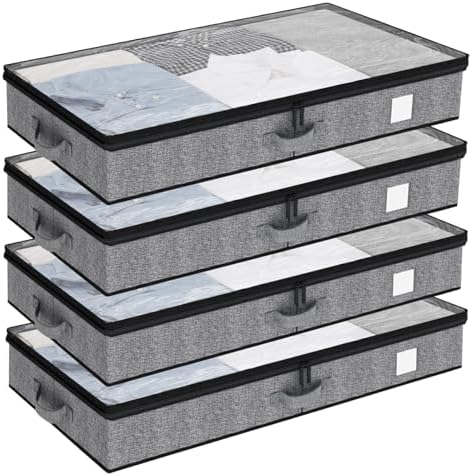
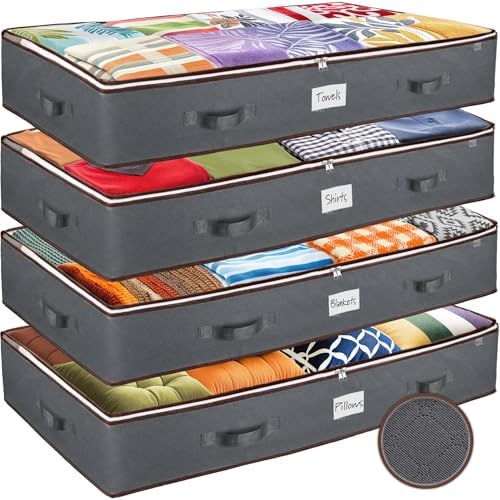
The space under your bed is valuable storage real estate. Low-profile containers with wheels make it easy to store off-season clothing, extra bedding, or rarely used items. Clear lids can help you see what’s inside, while fabric bins offer a softer look if your bed frame is open underneath.


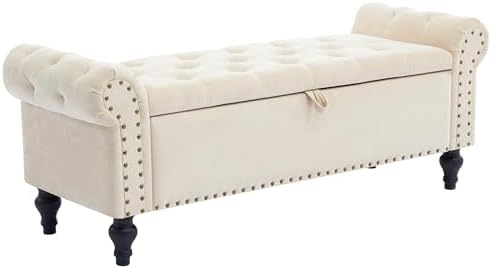
Storage Bench with Hidden Compartment
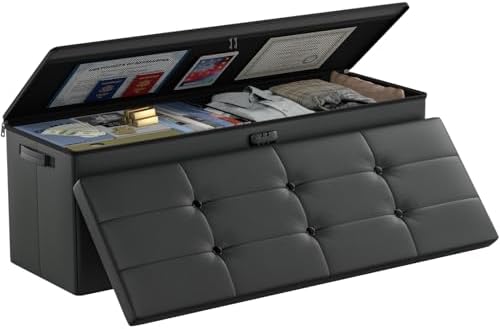
A storage bench near the entryway or at the foot of the bed adds both seating and concealed storage. It’s perfect for shoes, bags, blankets, or everyday essentials that would otherwise sit out. Choose a design that complements your furniture so it feels like a natural part of the room.


Tall Bookshelf with Baskets
A tall bookshelf can double as a flexible storage system. Use baskets on lower shelves to hide smaller items, and keep upper shelves lighter with neatly folded linens or decorative boxes. This solution maximizes vertical space without taking up much floor area.


Wall-Mounted Hooks
Simple wall hooks are underrated but incredibly effective. Install them near the entrance for coats and bags, in the bedroom for accessories, or behind doors for additional hanging storage. They take up minimal space and can instantly create a functional zone where none existed before.


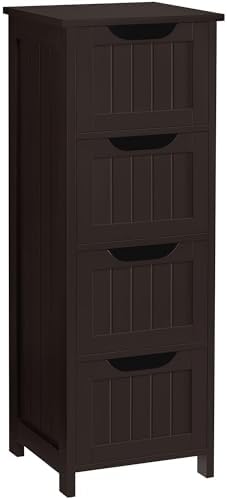
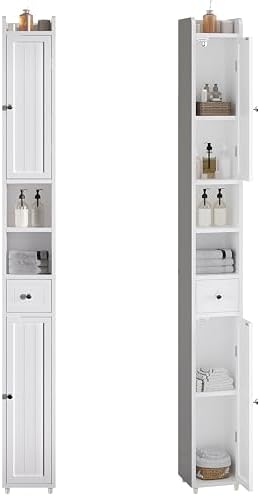
Slim Vertical Cabinet
For narrow hallways or tight corners, a slim vertical cabinet can provide surprising storage capacity. It’s ideal for linens, cleaning supplies, or miscellaneous household items. Because it uses height rather than width, it keeps the room feeling open while adding much-needed organization.


Final Thoughts
Living in a home without closets isn’t a design flaw. It’s a different starting point.
It asks you to be more aware of what you bring into your space. It pushes you to choose furniture carefully. It encourages you to create systems that actually match your daily life instead of relying on hidden storage to mask disorganization.
Over time, something shifts.
You stop wishing for more square footage. You stop craving extra doors to hide things behind. Instead, you start appreciating how streamlined your home feels.
When every item has a purpose and a place, even a home without closets can feel calm, functional, and surprisingly spacious.