
How to Declutter and Organize a Small Space Fast
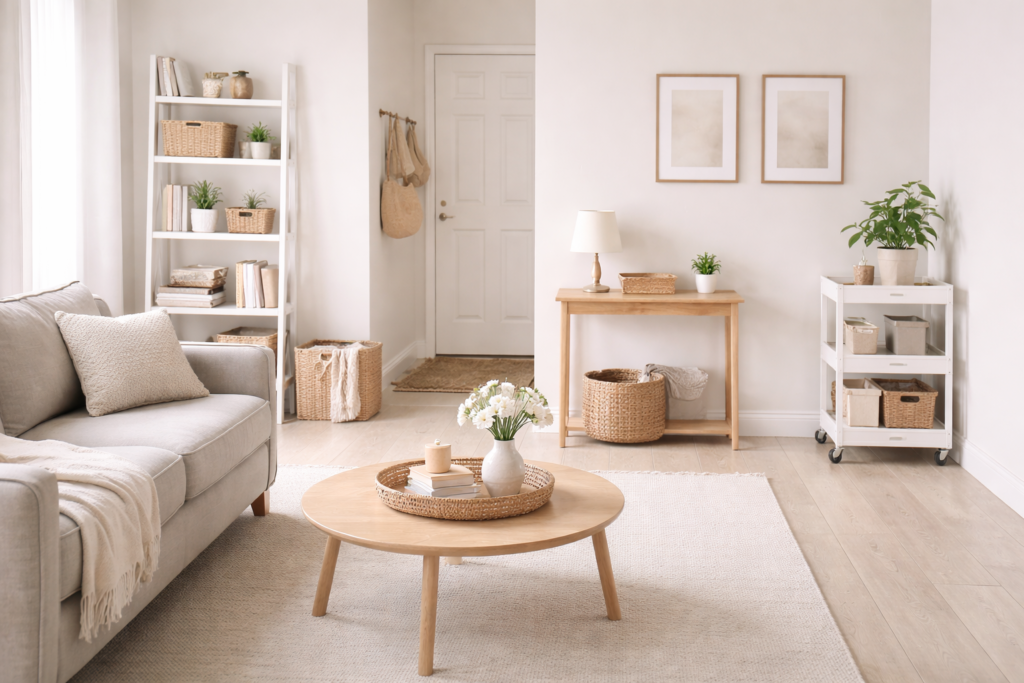
When you live in a small space, clutter doesn’t just look messy — it feels overwhelming. A single chair covered in clothes or a crowded countertop can make the entire room seem smaller than it really is. The good news? You don’t need a full weekend or a complete lifestyle overhaul to fix it.
With a focused plan and a few smart strategies, you can make a noticeable difference in just a few hours. Here’s how to declutter and organize a small space quickly, without burning out halfway through.
Start With a Quick Reset, Not a Deep Clean
One of the biggest mistakes people make when trying to get organized is going too big, too fast. They think, “I’ll scrub everything, reorganize every drawer, and deep-clean while I’m at it.” A few hours later, they’re exhausted, surrounded by half-finished piles, and the space somehow looks worse than before.
That’s why a quick reset works so much better at the beginning. You’re not trying to perfect the space — you’re trying to make it manageable.
Start by removing the most obvious visual clutter:
- Toss wrappers, receipts, and random packaging
- Put dirty dishes in the sink or dishwasher
- Gather all laundry into one basket, even if you don’t wash it yet
- Return items that clearly belong in another room
This step alone can completely change how the room feels. When surfaces start to reappear and the floor becomes visible again, your brain relaxes. It no longer feels like chaos — it feels like something you can actually handle. That mental shift is what keeps you going.
Think of this as clearing the stage before the real organizing begins.
Use the “Keep, Relocate, Remove” Method
Decision fatigue is real, especially when you’re surrounded by clutter. If you stand there trying to create complicated categories, you’ll stall out quickly. The “Keep, Relocate, Remove” method keeps things simple and fast.
As you go through items, sort them into three basic groups:
Keep – You use it, need it, and it belongs in this space
Relocate – You use it, but it belongs somewhere else
Remove – You don’t use it, need it, or even like it anymore
The key here is speed. Don’t pick something up and start reminiscing or creating “maybe” piles. Quick decisions build momentum, and momentum is everything when you want fast results.
If you feel stuck, ask yourself:
- Would I notice if this disappeared?
- Have I used this in the last 3–6 months?
- Am I keeping this out of guilt or habit?
Working in small zones — one drawer, one shelf, one corner — helps prevent overwhelm. Finishing a small area gives you a sense of progress, which makes it easier to keep going.
Clear the Floor and Surfaces First
If you only have energy for one thing, make it this. Clearing floors and flat surfaces creates an immediate visual transformation, even if everything else is still a work in progress.
In small spaces especially, clutter spreads horizontally. Piles on chairs, stacks on tables, and random items on the floor make the entire room feel cramped and chaotic.
Focus on:
- Floors (clothes, bags, boxes)
- Coffee tables and desks
- Nightstands
- Kitchen and bathroom counters
You’re not organizing perfectly yet — you’re just removing what doesn’t need to be there. Put items into temporary baskets if you have to. The goal is open space.
Clear surfaces give your eyes a place to “rest.” That alone makes a room feel bigger and calmer. It also makes cleaning easier later because you’re not constantly moving things around just to wipe something down.
This step delivers a fast visual win, which is incredibly motivating when time and energy are limited.
Declutter by Category, Not Just Location
In small homes, items tend to scatter. A few pens in the kitchen, some in a drawer, others in a bag. Toiletries in the bathroom, bedroom, and travel kit. Chargers in every corner. When everything is spread out, it’s almost impossible to see how much you actually own.
That’s why decluttering by category can be a game changer.
Pick one type of item and gather all of it into one spot:
- All cables and chargers
- All papers and mail
- All beauty or grooming products
- All reusable bags
When you see everything together, patterns become obvious. You might realize you have five nearly identical lotions or a pile of old cables you can’t even match to a device anymore. That clarity makes letting go much easier and more logical.
It also helps you decide how much space that category truly deserves. Instead of stuffing things back randomly, you can say, “This is all I’m keeping, and it needs to fit in this one container or drawer.” That boundary naturally prevents clutter from creeping back.
Use Containers to Create Instant Order
Once you’ve decluttered, the fastest way to make a space look organized (and stay that way) is by using containers. Not because they’re trendy, but because they give your items a clear home. Without boundaries, clutter spreads. With containers, it naturally stays contained.
Think of containers as “invisible walls” for your stuff.
You don’t need anything fancy. Baskets, bins, shoeboxes, drawer dividers, and small trays can all work. The goal is to group similar items together so they stop floating around the room.
For example:
- A small basket near the entry can hold keys, sunglasses, and your wallet
- A bin in the living room can corral remotes, chargers, and random tech
- Drawer dividers can keep socks, underwear, or office supplies from turning into a mess again
This not only looks better, but it also makes tidying up faster. When everything has a designated place, you don’t waste time wondering where something should go — you just drop it in its container and move on.
Clear or labeled containers help even more because you can see what’s inside without digging. That reduces the chances of buying duplicates or forgetting what you already own.
Go Vertical to Multiply Your Space
When floor space is limited, the only direction left is up. Vertical storage is one of the most powerful tricks for organizing small spaces quickly because it uses areas that are usually empty.
Look at your walls, doors, and the space above furniture. There’s often a lot of unused potential there.
You can add:
- Wall hooks for bags, jackets, or hats
- Over-the-door organizers for shoes, cleaning supplies, or toiletries
- Floating shelves for books, décor, or storage bins
- Tall, narrow shelving units that take up very little floor space
Vertical storage keeps things accessible without making the room feel crowded. It also helps lift clutter off the floor and surfaces, which instantly makes a space feel larger and cleaner.
The key is not to overload every wall. Choose a few strategic areas where vertical storage will solve a real problem — like entryway clutter or bathroom overflow — and keep the rest visually calm.
Create “Drop Zones” to Prevent Future Clutter
A lot of clutter doesn’t come from having too much stuff — it comes from not having a place for everyday items that move in and out of your hands constantly.
That’s where drop zones come in.
A drop zone is a small, intentional space where you expect certain items to land. Instead of fighting the habit of dropping things wherever, you guide it.
Good places for drop zones:
- Near the door for keys, mail, and bags
- On a nightstand for glasses, chargers, and books
- In the bathroom for daily skincare or grooming items
- On a desk for notebooks, pens, and devices
A simple tray, bowl, or small basket is enough to define the area. It keeps these daily-use items from spreading across the entire room while still keeping them easy to grab.
This is one of the most effective ways to stay organized long term, because it works with your real-life habits instead of expecting perfection.
Finish With a 10-Minute Reset Routine
Organizing fast is great — but keeping it that way is where the real magic happens. The good news is, once you’ve decluttered and set up simple systems, maintenance takes way less time than you think.
A short daily or evening reset can keep your space from sliding back into chaos.
Set a timer for 10 minutes and focus on quick wins:
- Put items back into their containers
- Clear off surfaces
- Throw away trash or empty packaging
- Return a few things to their proper rooms
Because you already did the hard work of deciding what stays and where it belongs, this step becomes almost automatic. It’s not a full cleaning session — just a gentle reset that keeps small messes from turning into overwhelming clutter again.
Think of it like brushing your teeth. A few minutes of consistency saves you from a much bigger problem later.
Recommended Products to Declutter and Organize a Small Space Fast
You don’t need complicated systems to get organized quickly. A few versatile, space-saving tools can make a big difference right away.
Collapsible Storage Bins
These are perfect for grouping loose items like accessories, paperwork, or random household essentials. Collapsible bins are especially useful in small homes because they can be folded away when not in use. Choose neutral colors for a calm look or clear bins if you prefer to see what’s inside.


![Fab totes Storage Bins [3-Pack], Foldable Storage Baskets for Org...](https://m.media-amazon.com/images/I/41xO-WYPauL._AC_.jpg)

Over-the-Door Organizers
Doors are often overlooked storage spots. Over-the-door organizers with pockets or shelves can hold shoes, cleaning supplies, toiletries, or accessories without using floor space. They’re great for closets, bathrooms, and even kitchen pantry doors.


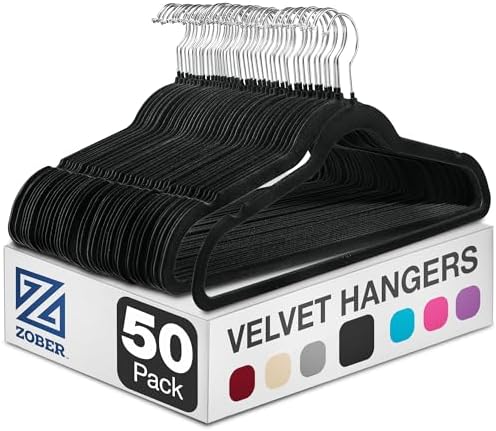
Slim Hangers
Switching to slim, non-slip hangers instantly creates more room in a crowded closet. They take up less space than bulky plastic or wooden hangers and help clothes stay in place, which keeps your closet looking neater with minimal effort.


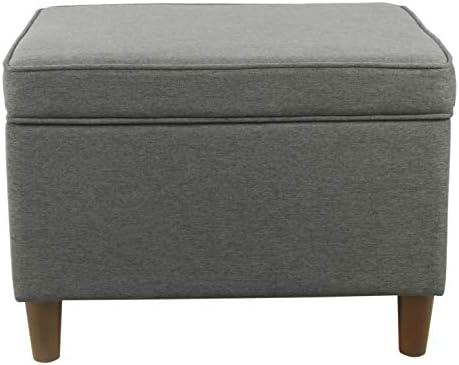
Multi-Purpose Storage Ottoman
An ottoman with hidden storage can work as seating, a footrest, and a place to stash blankets, magazines, or extra items. It’s ideal for small living rooms or bedrooms where every piece of furniture needs to serve more than one purpose.


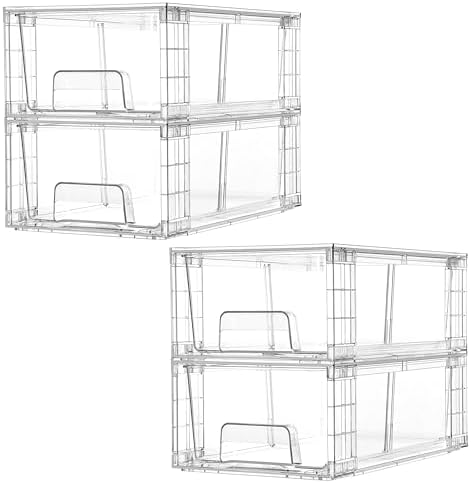
Stackable Drawer Organizers
Drawer clutter disappears quickly when everything has a section. Stackable organizers are great for office supplies, makeup, kitchen utensils, or miscellaneous items that tend to mix together.


Wall Hooks or Adhesive Hooks
Hooks are one of the fastest ways to clear clutter off the floor and furniture. Use them for bags, hats, towels, or jackets. Adhesive versions are renter-friendly and can be installed in minutes.


Clear Storage Turntables (Lazy Susans)
These are excellent for cabinets, shelves, or countertops. A quick spin lets you access items stored in the back without knocking things over. They’re especially useful for spices, toiletries, or small household items.
Rolling Storage Cart
A slim rolling cart can slide into narrow gaps beside a desk, bed, or kitchen cabinet. It’s perfect for storing supplies while keeping them mobile and easy to access when needed.
Final Thoughts
Decluttering and organizing a small space quickly isn’t about being perfect — it’s about making your home feel lighter, calmer, and easier to live in. Even small changes, like clearing one surface or filling one donation bag, can completely shift how a room feels.
The key is to focus on impact, not perfection. Clear the things you see and use every day first. Create simple systems that are easy to maintain. And most importantly, don’t aim for a picture-perfect space that’s hard to keep up with — aim for a home that works for your real life.
Small spaces don’t have to feel cramped or chaotic. With a little intention and a few smart storage habits, they can feel cozy, functional, and surprisingly spacious. Start small, move fast, and enjoy the instant difference a clutter-free space makes.
As an Amazon Associate, I earn from qualifying purchases.