
How to Organize a Shared Bathroom
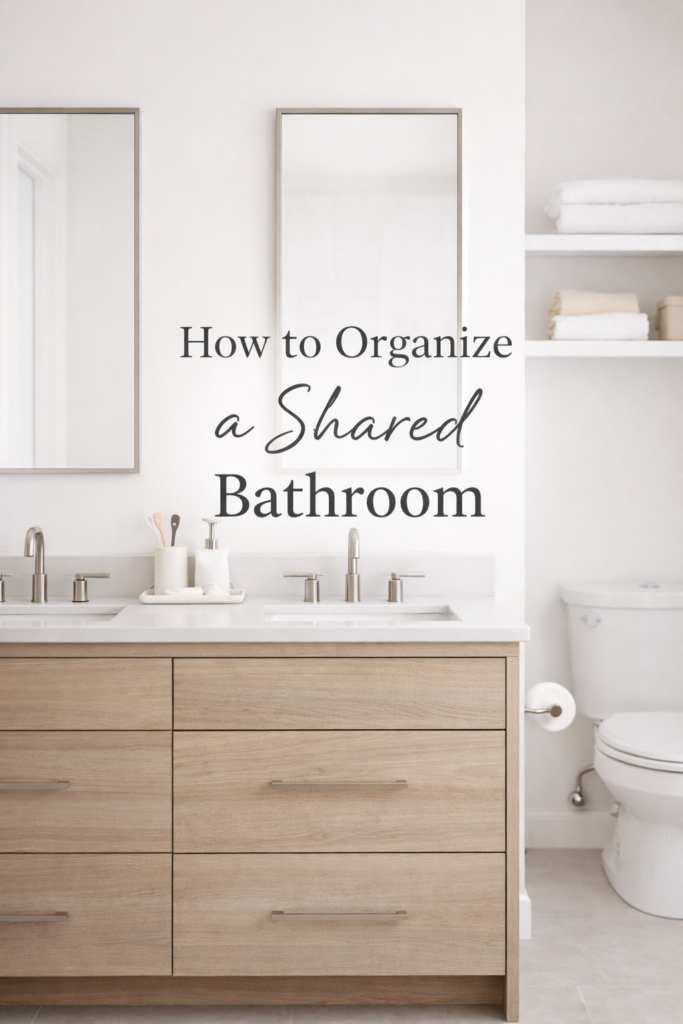
Sharing a bathroom sounds manageable in theory. In reality, it’s where small habits collide.
One person leaves the toothpaste uncapped. The other lines products up perfectly. One has three skincare steps. The other has twelve. And somehow, no matter the size of the vanity, the counter always feels smaller than it did yesterday.
A shared bathroom isn’t just about storage. It’s about coexistence.
The goal isn’t to create a showroom-perfect space. It’s to build a setup that reduces friction during the busiest parts of the day — usually early mornings and late nights.
Start With a Full Reset (Together)
If you really want the system to work, both people need to be involved from the beginning.
Take everything out. Clear the drawers. Empty the cabinet under the sink. Remove the items that have slowly taken over the counter.
Lay it all out where you can see it.
This is usually the moment of truth. You realize how many almost-empty bottles are hanging around. How many duplicates are open at the same time. How many products are technically “in rotation” but rarely used.
Have an honest conversation about what actually needs to live in the bathroom daily.
Backups? Store them elsewhere.
Expired items? Toss them.
Products no one uses? Let them go.
When you reduce volume first, organizing becomes simpler and more fair.
Define Personal Space Clearly
One of the biggest reasons shared bathrooms feel chaotic is because ownership is unclear.
If drawers are mixed and shelves are shared without structure, items naturally drift. A razor moves. A face cream shifts spots. Over time, the space feels unpredictable.
Instead, create visible boundaries.
One drawer per person if possible.
One shelf under the sink each.
Separate containers inside shared drawers.
Even in a very small bathroom, subtle divisions make a difference. A small bin labeled with initials. A tray that defines one person’s section of the counter.
It’s not about strict rules. It’s about clarity.
When everyone knows where their space begins and ends, frustration decreases immediately.
Limit What Lives on the Counter
Counters are prime territory. And in a shared bathroom, they fill up fast.
It’s easy to justify leaving things out “because I use it every day.” But when two people say that about ten different products, surfaces disappear.
Try this rule: if it can be put away in under five seconds, it probably should be.
Keep only true daily essentials visible. Toothbrushes. Soap. Maybe one or two frequently used items per person.
If certain products must stay out, contain them on a small tray. This prevents them from spreading across the entire surface and visually crowding the room.
An open stretch of counter instantly makes a shared bathroom feel calmer — even if the cabinets are full.
Make Storage Match Your Routines
A shared bathroom only works when it reflects real habits.
If one person gets ready quickly while the other uses multiple tools, adjust drawer space accordingly. If someone showers at a different time of day, make sure their items are easy to access without disrupting the other person’s setup.
Some people prefer keeping their daily products in a small portable caddy. Others like everything neatly arranged in drawers.
There’s no single “correct” way. The best system is the one both people will consistently maintain.
When storage aligns with routines, mornings feel less rushed and evenings feel less cluttered.
That’s when a shared bathroom starts to feel shared — not divided.
Use Vertical Space to Create Breathing Room
When drawer and counter space are limited, the walls become your best friend.
A simple shelf above the toilet can hold extra towels or neatly folded backups. Hooks behind the door can keep robes and frequently used towels from ending up on the floor. Even a slim wall-mounted organizer can free up valuable cabinet space.
The trick is not to overdo it. Just because you can add more storage doesn’t mean you should fill every inch. The goal is to relieve pressure from crowded areas, not create new clutter zones higher up.
Think of vertical storage as support, not overflow.
Give Everyday Items Easy Access
In a shared bathroom, convenience matters. If something is difficult to reach, it won’t be put back properly.
Hair tools tangled in a deep cabinet. Cleaning supplies buried under a pile of products. Extra toilet paper stacked awkwardly behind pipes.
Simplify access wherever you can.
Use small bins under the sink so items can be pulled out in one motion instead of shuffled around. Keep frequently used tools near the front. Store rarely used items higher or farther back.
When putting something away feels effortless, the system holds up longer.
Agree on a Simple Cleaning Rhythm
This is the part most people skip.
Even the best organization will slowly fall apart if there’s no maintenance. Toothpaste splatters. Empty bottles linger. Towels pile up.
Instead of waiting for frustration to build, agree on small, consistent resets.
Maybe it’s a quick wipe-down every Sunday evening. Maybe it’s a two-minute tidy each night before bed. It doesn’t have to be formal — it just has to be shared.
When both people feel responsible for maintaining the space, resentment disappears. The bathroom stays functional without feeling like a chore.
Handle Conflicts Early
Shared spaces magnify small annoyances.
If something isn’t working — not enough drawer space, products spilling over, items constantly mixing — adjust sooner rather than later.
Organization isn’t static. It evolves.
Sometimes one person’s routine changes. Sometimes new products enter the rotation. That’s normal.
The key is being willing to tweak the system instead of silently tolerating frustration.
A five-minute conversation can save weeks of quiet irritation.
Keep the Space Feeling Neutral
In a shared bathroom, balance matters visually too.
If possible, use neutral containers, matching bins, or similar storage styles. It creates cohesion even if the products inside are completely different.
When the room feels visually calm, it feels more shared and less like two competing setups squeezed into one space.
You don’t need a designer makeover. Just aim for consistency.
Recommended Products
Stackable Under-Sink Organizers
Under-sink space can quickly turn into a cluttered mess of pipes, bottles, and forgotten products. Stackable organizers create layers, making it easier to separate daily-use items from backups. Pull-out drawers are especially helpful because you can access everything without digging through the back.


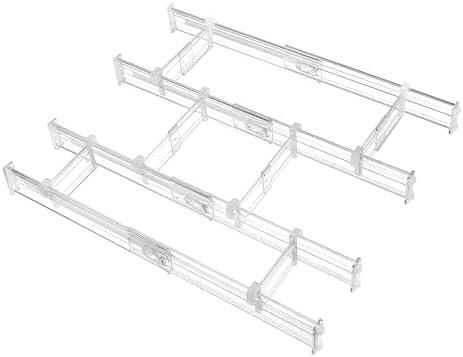
Clear Acrylic Drawer Dividers
Shared drawers need structure. Clear acrylic dividers allow each person to have their own section while keeping everything visible. They’re ideal for skincare, grooming tools, and smaller daily essentials that tend to get mixed together.


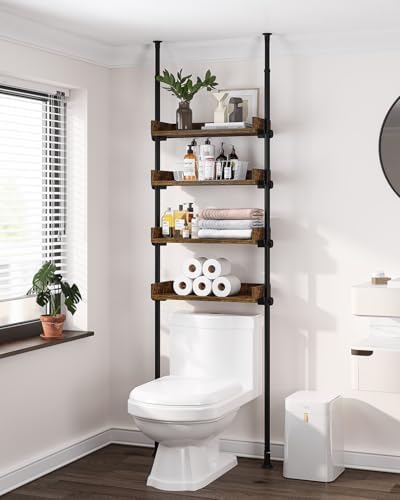
Over-the-Toilet Storage Shelf
When floor space is limited, vertical storage above the toilet adds extra room without crowding the vanity. It’s perfect for towels, extra toilet paper, or neatly arranged bins that hold less frequently used products.


Bathroom Counter Tray
A simple tray keeps everyday essentials contained instead of scattered across the counter. It creates a defined zone for toothbrushes, soap, or skincare while still leaving open space around it for a cleaner look.


Wall-Mounted Towel Hooks
Hooks take up less space than traditional towel bars and make it easier for each person to hang their towel separately. They’re especially useful in smaller bathrooms where wall space is limited.




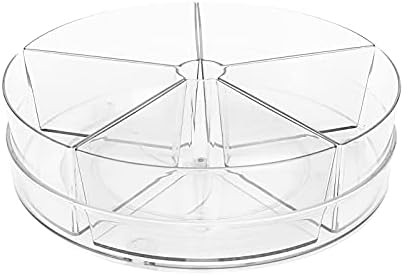
Rotating Turntable Organizer
A small lazy Susan works well under the sink or inside cabinets. It allows both people to easily access products without knocking things over or pushing items to the back.



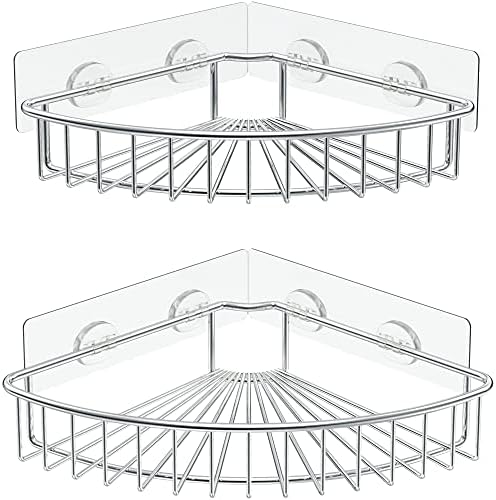
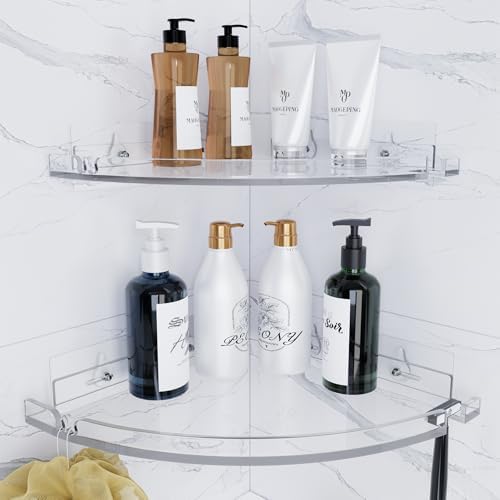
Shower Caddy or Corner Shelf
If the shower is shared, a caddy or corner shelf helps divide products clearly. Each person can have their own section, which prevents bottles from stacking up on the floor of the shower.


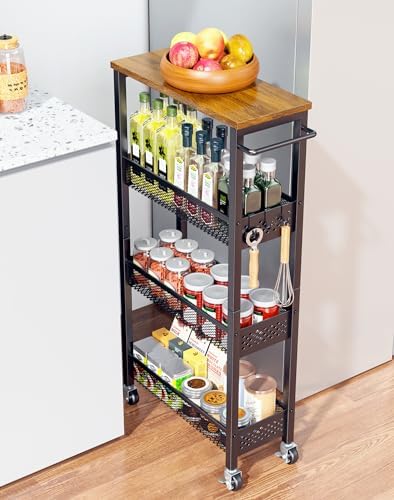
Slim Rolling Storage Cart
For very tight bathrooms, a narrow rolling cart can slide between the vanity and wall. It provides extra storage for toiletries, hair tools, or cleaning supplies without taking up permanent space.


Final Thoughts
Organizing a shared bathroom isn’t about perfection. It’s about cooperation.
Clear zones. Realistic expectations. Small maintenance habits.
When both people feel like the space works for them, mornings run smoother. Evenings feel less rushed. And the bathroom becomes what it should be — functional, calm, and easy to use.
In the end, the most important system isn’t the storage.
It’s the agreement behind it.