
How to Organize a Small Closet Without Buying a New One

A small closet can feel like a daily frustration. Clothes get crammed together, shoes pile up at the bottom, and finding anything becomes a struggle. The good news? You don’t need a bigger closet or expensive custom furniture to fix it. With a smarter layout and a few space-saving tricks, you can completely transform the closet you already have.
Why Small Closets Feel More Cluttered Than They Really Are
Most small closets aren’t actually “too small” — they’re just poorly used. Vertical space goes empty, shelves become messy piles, and bulky hangers take up more room than the clothes themselves.
When everything is hard to see, you end up wearing the same few outfits while the rest of your wardrobe stays hidden. Organizing your closet isn’t just about making it look nicer — it makes getting dressed faster and less stressful every single day.
Step 1: Empty the Closet (Yes, All of It)
This step might feel overwhelming, but it’s the most important part of small closet organization. Taking everything out gives you a complete reset and helps you see the space with fresh eyes.
Lay all your clothing on the bed or a clean surface and group similar items together as you go. Once the closet is empty, take a few minutes to clean shelves, vacuum the floor, and wipe down rods and corners. You’ll be surprised how much dust and forgotten clutter builds up over time.
Seeing your closet completely empty also helps you better understand its true storage potential. Notice how much vertical space you have, how high the shelves go, and whether there’s unused space at the bottom. This is the moment where you stop seeing the closet as “too small” and start seeing it as a space that just needs a better system.
Step 2: Declutter Ruthlessly
A small closet cannot function well if it’s holding too many clothes. The fastest way to maximize closet space is to reduce what’s inside.
As you go through each item, ask practical questions:
- Do I wear this regularly?
- Does it fit comfortably right now?
- Would I buy this again today?
If the answer is no, it’s likely just taking up room. Be honest with yourself about “just in case” clothes — they are usually the biggest space wasters.
Create clear piles: keep, donate, store elsewhere, and discard. Items you truly love and wear often deserve prime space in your closet. Everything else should either leave or move to a less valuable storage area. The fewer pieces you keep, the easier it becomes to organize a small closet and keep it tidy long term.
Step 3: Group Clothes by Category
Before putting anything back, sort what you’re keeping into clear clothing categories. This simple step makes a huge difference in how organized your closet feels every day.
Separate items into groups like:
- Everyday tops
- Work clothes
- Pants and jeans
- Dresses
- Jackets and outerwear
- Workout or lounge wear
When similar items live together, you can instantly see what you have. This prevents overbuying, saves time when getting dressed, and makes your closet feel intentional instead of chaotic.
Grouping also helps you assign the right amount of space to each type of clothing. If you have a lot of jackets but only a few dresses, your layout should reflect that. Organization should match your real lifestyle, not a picture-perfect closet from social media.
Step 4: Maximize Hanging Space
In most small closets, hanging space is the most valuable storage area. Using it efficiently can nearly double how much your closet holds.
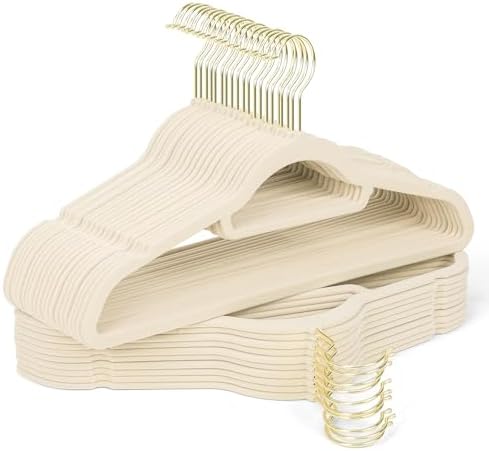
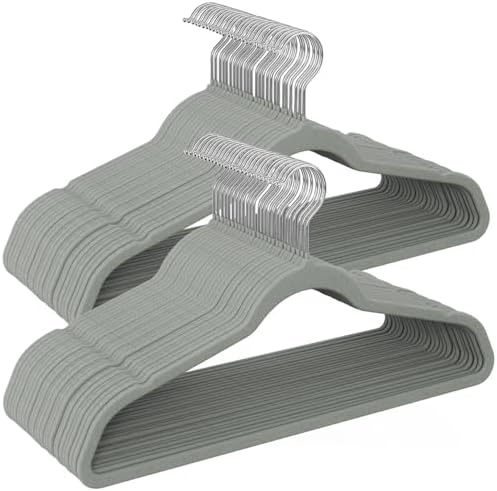
Start by switching to slim, space-saving hangers. Bulky hangers create gaps between clothes and waste several inches of rod space. Slim velvet hangers allow clothes to sit closer together and prevent items from sliding off.
Next, look at the length of the clothes you hang. Shorter items like shirts and folded pants often leave empty space underneath. This is the perfect place to add a second hanging rod or small storage bins. Doubling your hanging space is one of the most effective small closet storage ideas.
Also, keep similar-length items together. When long dresses are mixed with short tops, it creates awkward gaps that waste vertical room. A more uniform hanging layout makes your closet look cleaner and function better.
Step 5: Use Vertical Space Like a Pro
In a small closet, empty air is wasted opportunity. Many people focus only on the hanging rod and forget that the real magic happens above and below eye level.
Look at the top shelf first. This area is perfect for items you don’t need every day, like seasonal clothing, travel bags, or special-occasion pieces. Use stackable storage bins to keep these items contained and easy to grab when needed. Clear bins or labeled boxes save you from digging through everything later.
Below your hanging clothes is another often-overlooked zone. If there’s empty space under shorter garments, you can place small dressers, bins, or shoe racks there. This transforms unused space into functional storage without making the closet feel crowded.
Vertical organization is one of the most effective small closet solutions because it increases storage without increasing clutter.
Step 6: Fix the Shoe Situation
Shoes are one of the fastest ways to make a small closet look messy. When they’re scattered across the floor, they take up valuable space and make the closet feel cramped.
Start by sorting your shoes. Keep the pairs you wear most often in easy-to-reach spots and move occasional or seasonal shoes higher up or into storage bins.
Instead of lining shoes randomly along the floor, try using a vertical shoe rack or stackable shoe shelves. These use height instead of width, leaving more walking room inside the closet. An over-the-door shoe organizer is another great option that frees up floor space entirely.
Keeping shoes contained and off the floor instantly makes your closet feel bigger, cleaner, and easier to use.
Step 7: Organize Accessories the Smart Way
Accessories may be small, but they create big clutter when they don’t have a dedicated place. Belts, scarves, bags, and jewelry often end up tangled or buried under clothes.
Use hooks on walls or inside the closet to hang belts and handbags. This keeps them visible and prevents them from getting crushed. Small bins or baskets work well for scarves, hats, or gloves, especially on upper shelves.
For jewelry or small accessories, drawer organizers or divided trays can keep everything separated and easy to find. When accessories are neatly stored, you’re more likely to use them — and less likely to buy duplicates because you forgot what you already own.
Step 8: Don’t Ignore the Closet Door
The back of your closet door is valuable storage space that often goes unused. In a small closet, every surface matters.
Over-the-door organizers can hold shoes, folded clothes, cleaning supplies, or accessories. This adds storage without taking up any extra room inside the closet itself.
You can also add hooks to the door for items you grab frequently, like a robe, purse, or tomorrow’s outfit. Just be careful not to overload the door — keeping it neat prevents it from looking cluttered.
Using the closet door wisely is one of the simplest ways to maximize closet space without buying new furniture or making permanent changes.
Mistakes That Make Small Closets Feel Even Smaller
Avoid these common problems:
Keeping clothes that don’t fit
Using bulky hangers
Stacking clothes in unstable piles
Letting shoes take over the floor
Mixing all clothing types together
Fixing just one or two of these can make a dramatic difference.
How to Keep Your Closet Organized Long-Term
Once your closet is organized, the goal is to keep it that way with simple habits.
Do a quick reset every few weeks to put items back in their proper categories. After laundry day, return clothes to the correct section instead of piling them wherever there’s space.
Adopt a “one in, one out” rule: whenever you buy a new clothing item, remove one you no longer wear. This prevents overcrowding and keeps your wardrobe manageable.
Finally, reassess your closet at the start of each season. Rotating seasonal clothes and removing what you didn’t wear last year helps maintain a clutter-free, functional closet all year long.
Recommended Products for Small Closet Organization
These simple tools can make a big impact in tight spaces:
Slim Velvet Hangers
Save space and keep clothes from slipping off.

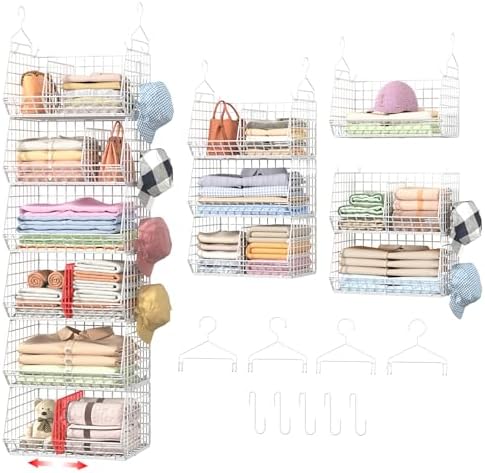
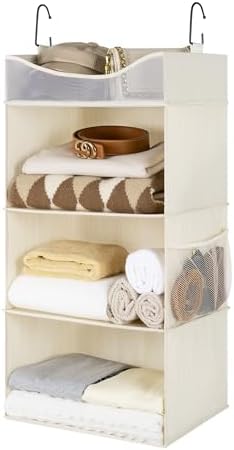
Hanging Closet Shelf Organizer
Adds instant shelves for folded clothes or bags.

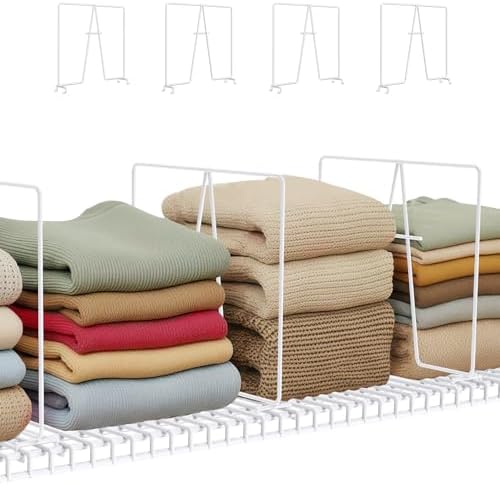
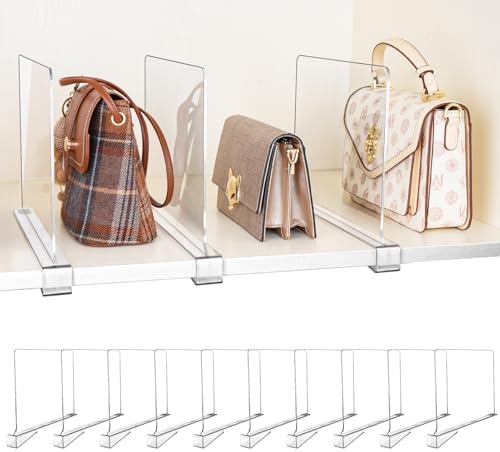
Shelf Dividers
Keep stacks of clothes neat and upright.

Over-the-Door Shoe Organizer
Perfect for freeing up floor space.


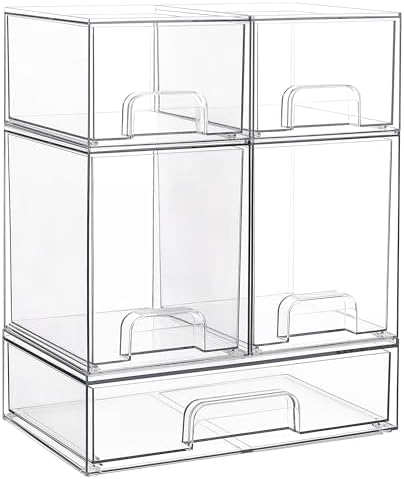
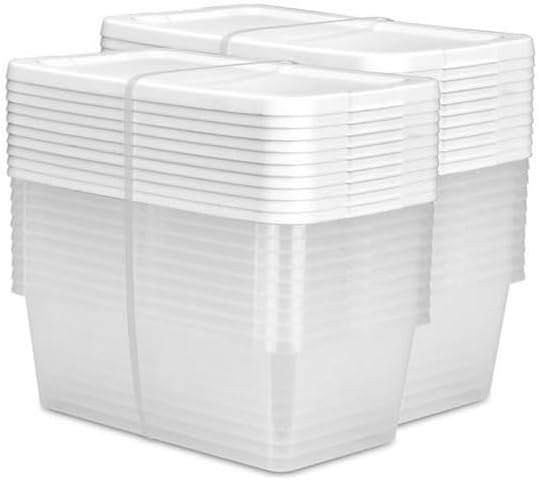
Stackable Storage Bins
Great for seasonal or rarely used items.

Final Thoughts
You don’t need a bigger closet — you just need a smarter system. By decluttering, grouping items, and using vertical space, even the smallest closet can feel organized and functional. Start with one section today, and you’ll notice the difference immediately.
As an Amazon Associate, I earn from qualifying purchases.