How to Organize a Small Pantry With Limited Space

A small pantry can feel frustrating fast. One day it’s neatly stocked, and the next it’s a jumble of half-used bags, cans you forgot you had, and snacks falling off the shelves. The good news? You don’t need a bigger pantry — you just need a smarter system.
Here’s how to make a tiny pantry work like a much bigger one.
1. Take Everything Out First
It’s tempting to “organize as you go,” but that usually just means shifting clutter from one spot to another. If you really want your small pantry to work better, start by removing everything from the shelves. Yes — even the things that seem already organized.
Seeing your pantry completely empty gives you a fresh perspective. You’ll notice shelf height, depth, and any awkward spaces you couldn’t see before. It also makes cleaning much easier. Wipe down the shelves, corners, and walls so you’re starting with a clean, fresh space instead of building a new system on top of old crumbs and spills.
As you take items out, place them on a counter or table and begin grouping them into rough categories. Don’t overthink it yet — just keep similar foods together. You might naturally end up with piles for canned goods, pasta and grains, snacks, baking supplies, breakfast foods, and condiments. This visual sorting step is incredibly helpful because it shows you what you have too much of and what you barely use.
You may even discover duplicates you forgot about or foods pushed to the back that never got used. That alone can change how you plan your pantry layout.
2. Declutter Expired and Unused Items
A small pantry simply doesn’t have room for “maybe someday” food. Once everything is out and grouped, go through each category and check expiration dates. Be honest with yourself — if something expired months ago, it’s not worth keeping just because you feel guilty throwing it away.
Beyond expiration dates, think about your real eating habits. Did you buy a special sauce for one recipe and never touch it again? Is there a grain or health food you thought you’d start using but didn’t? These items quietly take up valuable space that could be used for foods you actually reach for every week.
Set up three quick piles: keep, donate, and discard. Unopened, in-date items that you know you won’t use can often be donated. Everything expired or stale goes in the trash. What’s left should be food you realistically plan to eat.
This step alone often frees up more space than any organizer ever could. Less stuff means less visual clutter and a pantry that’s easier to manage long-term.
3. Use Clear Containers for Dry Goods
Original packaging is rarely designed with small spaces in mind. Bags of rice slump over, cereal boxes leave wasted gaps, and half-used pasta bags never stand up properly. Transferring dry goods into clear, airtight containers instantly makes your pantry more functional.
Clear containers let you see how much you have at a glance, which helps prevent overbuying and reduces food waste. Instead of guessing whether you’re low on rice or flour, you’ll know immediately. This also makes grocery planning much easier.
Square or rectangular containers are best because they sit flush against each other and maximize shelf space. Round containers often leave awkward gaps that add up in a small pantry. Stackable containers are even better, allowing you to use vertical space that would otherwise be wasted.
Don’t skip labels. Even if you think you’ll remember what’s inside, many dry goods look similar. A simple label with the name (and even the cooking instructions, if you want) saves time later.
4. Create Zones Based on How You Cook
A pantry that looks organized but doesn’t match your daily habits will quickly fall apart. The key is to organize based on how you actually cook and eat — not just how things look on Pinterest.
Think through a typical week in your kitchen. Do you make quick breakfasts? Pack lunches? Cook dinner from scratch most nights? Your pantry layout should make those routines easier, not harder.
Create simple zones that reflect your real life. For example, a snack zone can hold granola bars, crackers, nuts, and chips in one easy-to-reach area. A breakfast zone might include cereal, oats, pancake mix, and coffee supplies. If you bake often, keep flour, sugar, chocolate chips, and baking powder together in a dedicated baking zone.
Meal-building foods like pasta, rice, canned tomatoes, and beans can live in a dinner zone, making it easier to grab what you need when cooking. When items are stored near others they’re commonly used with, you spend less time searching and more time actually preparing meals.
Zoning turns your pantry from a random food closet into a system that supports how your household really functions.
5. Add Shelf Risers to Double Your Space
One of the biggest problems in a small pantry is wasted vertical space. Most shelves are tall enough to hold two layers of items, but without a system, things just get stacked in messy piles where you can’t see what’s in the back. That’s where shelf risers make a huge difference.
Shelf risers act like mini shelves that sit on top of your existing shelf, creating a second level. Instead of stacking cans or jars directly on top of each other, you can place some underneath and some on top of the riser. This keeps everything visible and much easier to grab.
They’re especially helpful for canned goods, spice jars, small boxes, and condiments. Rather than moving five items just to reach one in the back, you can see nearly everything at a glance. This not only saves time but also reduces the chance of food getting forgotten and expiring.
If you have adjustable shelves, you can combine risers with custom shelf heights to really maximize the space. In a small pantry, using vertical space wisely is just as important as organizing side to side.
6. Use Bins to Contain Small or Loose Items
Loose packets, small bags, and random snack items are often what make a pantry feel chaotic. Even if everything is technically “put away,” these small items tend to spread out and create visual clutter. Bins and baskets help contain that mess.
Think of bins as drawers for your shelves. Instead of having seasoning packets scattered everywhere, place them all in one small bin. The same goes for snack packs, instant oatmeal, drink mixes, or baking decorations. Grouping these items together keeps them from getting lost and makes your shelves look instantly neater.
Bins also make access easier. Instead of reaching to the back of a deep shelf, you can simply pull the bin out, grab what you need, and slide it back in. This is especially helpful for kids’ snacks or frequently used items.
Clear bins let you see what’s inside, while labeled opaque bins can create a cleaner visual look. Either way, they prevent small items from taking over your pantry.
7. Store Less-Used Items Up High
In a small pantry, the most convenient shelves should be reserved for foods you use all the time. Items that are only needed occasionally shouldn’t take up prime real estate at eye level.
Use the highest shelves for specialty or seasonal items — things like holiday baking supplies, party platters, backup condiments, or bulk items you don’t reach for every day. Since you won’t need them often, it’s okay if you need a small step stool to reach them.
This strategy keeps your everyday zones clear and easy to access. When frequently used foods are front and center, cooking becomes smoother and less frustrating. You’re not constantly moving things out of the way to find what you need.
To make high shelves more manageable, consider storing those items in larger bins. That way, you can pull down one container instead of juggling several loose items.
8. Keep a Simple “Pantry Reset” Routine
Even the best-organized pantry won’t stay perfect on its own. Life gets busy, groceries get put away quickly, and before you know it, things start drifting out of place. That’s why a simple reset routine is so important.
Once a week — or even every two weeks — take a few minutes to do a quick pantry check. Put stray items back in their correct zones, toss empty boxes, and wipe up any crumbs or spills. This prevents small messes from turning into big clutter problems.
It also helps to rotate food during these resets. Move older items toward the front and newer ones to the back so nothing gets forgotten. This is especially useful for canned goods and snacks.
The goal isn’t perfection — it’s maintenance. A short, regular reset keeps your small pantry working smoothly and saves you from needing another big, time-consuming overhaul later.
Recommended Products for Organizing a Small Pantry
Here are a few affordable tools that make a big difference in small pantry spaces:
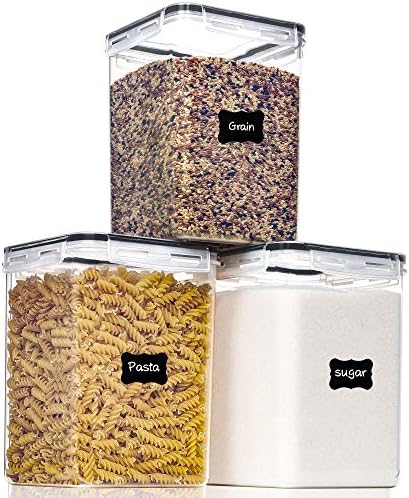
Clear Airtight Food Storage Containers
Great for dry goods like rice, pasta, flour, cereal, and snacks. They keep food fresh longer and make shelves look instantly cleaner. Clear containers also help you see when you’re running low.



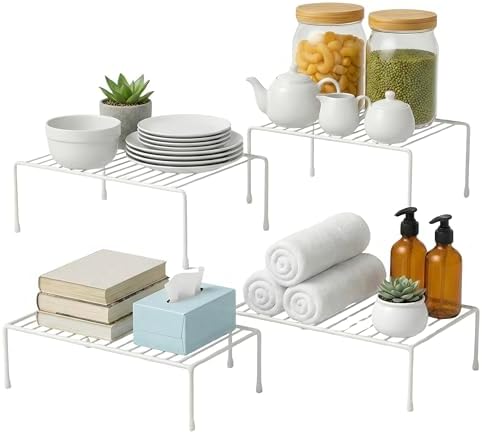
Shelf Risers
These double your vertical storage by creating an extra level on each shelf. Perfect for canned goods, spices, or small jars that usually get lost behind taller items.



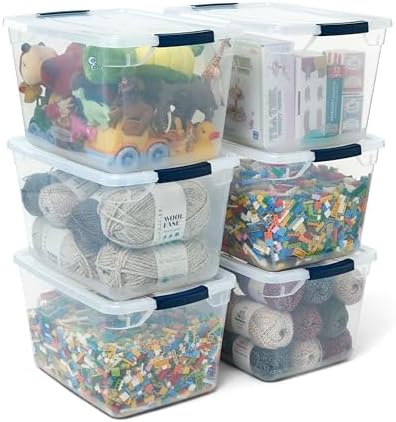
Stackable Storage Bins
Ideal for grouping snacks, baking supplies, or packet foods. Instead of loose items sliding around, everything stays contained and easy to pull out when needed.



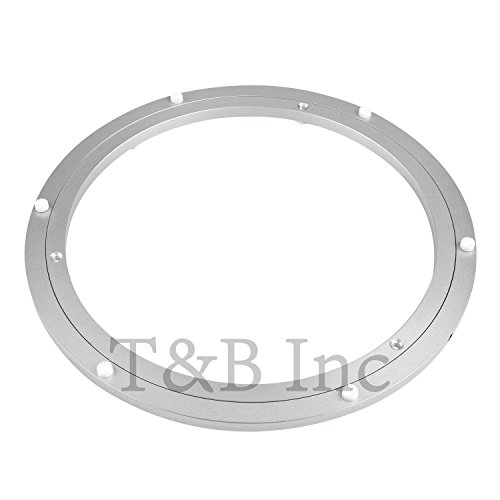
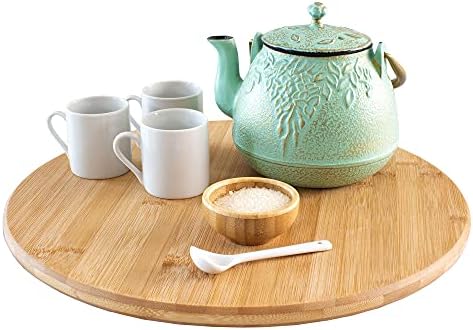
Lazy Susan Turntable
A game-changer for deep shelves. Use it for oils, sauces, condiments, or small jars so you can spin and grab items from the back without knocking things over.


Under-Shelf Baskets
These slide onto existing shelves and create extra storage underneath. They’re great for lightweight items like napkins, snack bars, or small packages.


Pantry Door Organizer
If you have a pantry door, this adds a surprising amount of storage for spices, small jars, or packets without taking up shelf space.


Label Stickers or Chalkboard Labels
Labels make it easier for everyone in the house to keep things in the right place. They also give your pantry a more organized, intentional look.


Final Thoughts
Organizing a small pantry with limited space isn’t about having a picture-perfect setup — it’s about making your daily routine easier. When everything has a place and you can see what you have, cooking becomes less stressful and food waste goes down. Even small changes, like using clear containers or grouping similar items together, can make a big difference.
Start simple and improve your system over time. As your needs change, your pantry organization can change with you. The goal isn’t perfection — it’s a space that works for your real life, every single day.
As an Amazon Associate, I earn from qualifying purchases.