
How to Organize a Studio Apartment Efficiently
Living in a studio apartment means your bedroom, living room, kitchen, and sometimes even your workspace all share the same open area. When everything happens in one room, clutter builds up fast — and suddenly your home can feel more like a storage unit than a place to relax.
The key to organizing a studio efficiently isn’t about owning less of everything. It’s about being intentional with space, creating “zones,” and choosing storage that works with your layout instead of fighting against it.
Here’s how to make a small studio feel more open, functional, and comfortable.
1. Divide the Space Into Clear Zones
One of the biggest challenges in a studio apartment is that everything happens in the same room. You sleep, eat, relax, work, and store your belongings all within a single open space. Without clear zones, the apartment can quickly feel messy and overwhelming, even if you don’t own that much.
Creating zones gives structure to your space and helps your brain switch modes throughout the day. When you can visually separate where you sleep from where you relax or work, your home feels more intentional and less chaotic.
Start by identifying your main zones:
- A sleeping area
- A living or lounging area
- A workspace or dining area
- Storage zones
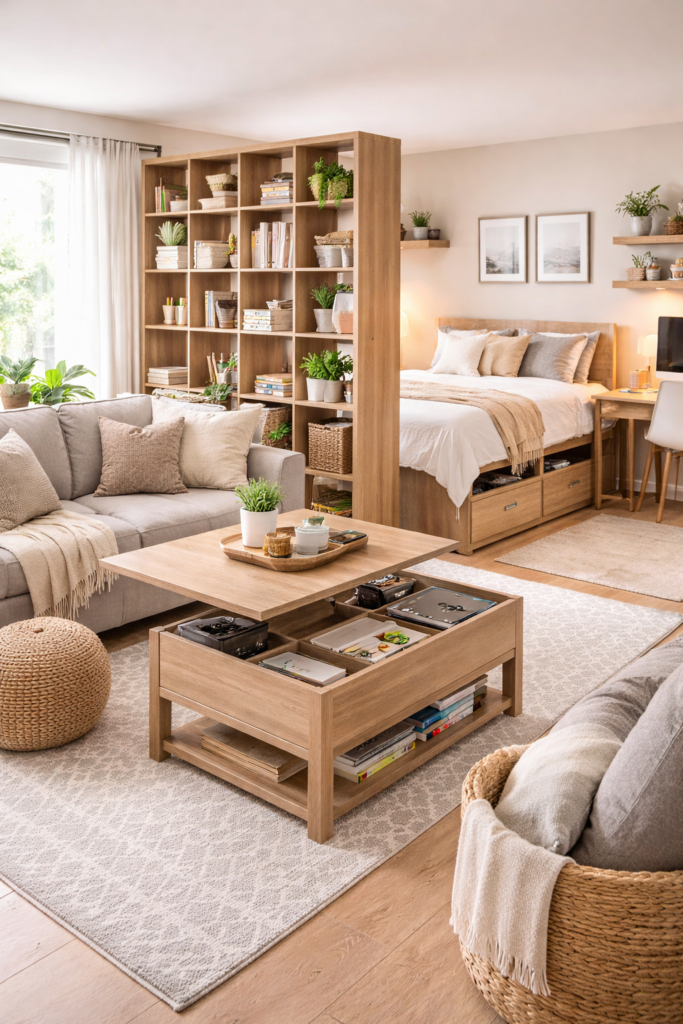
You don’t need walls to make this happen. Furniture placement is your best tool. For example, placing a sofa with its back facing your bed instantly creates a visual divider. A console table behind the sofa can reinforce that separation while adding extra storage for small items.
Bookshelves are another great option. An open-backed shelf can act as a partial divider, letting light pass through while still giving the feeling of separate spaces. You get both storage and structure without making the studio feel boxed in.
Rugs also play a big role. A rug under the bed anchors the sleeping zone, while another under the coffee table defines the living area. These subtle visual cues help break up the room and make each section feel purposeful.
When each zone has a clear function, it becomes easier to keep things in their place instead of letting everything blend into one big pile.
2. Choose Furniture That Doubles as Storage
In a studio apartment, every piece of furniture should earn its spot. If something only serves one purpose, it may be taking up more space than it should.
Multi-functional furniture is one of the smartest ways to stay organized without adding bulky cabinets or extra dressers. These pieces hide your belongings while keeping the space looking clean.
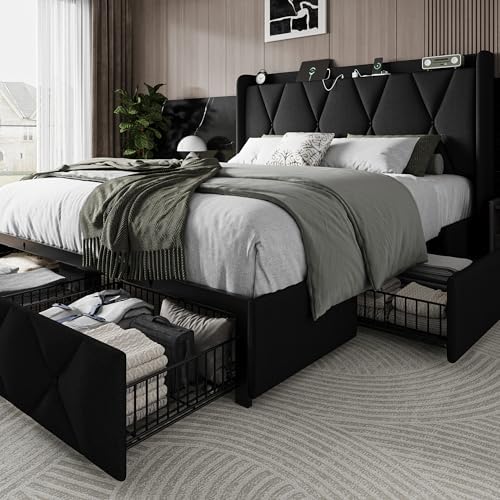
A storage bed is one of the most powerful upgrades you can make. Drawers underneath can hold clothes, shoes, extra bedding, or seasonal items. This can reduce or even eliminate the need for a large dresser, freeing up valuable floor space.
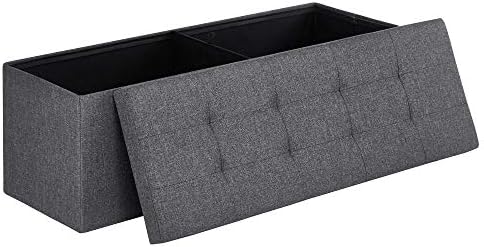
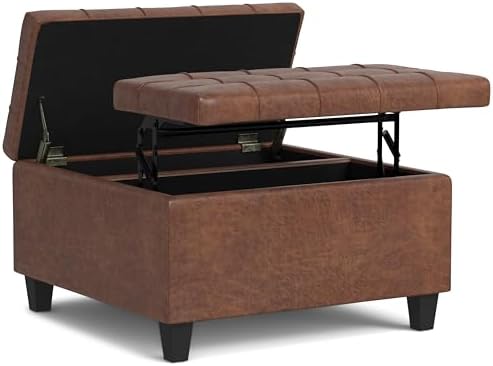
Storage ottomans are another small but mighty solution. They can store blankets, books, electronics, or random living room items while also serving as seating or a footrest. Some even double as coffee tables with a tray on top.
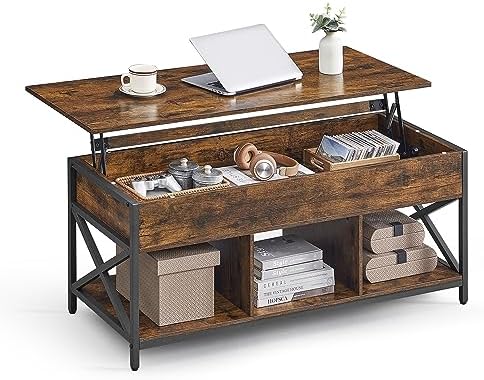
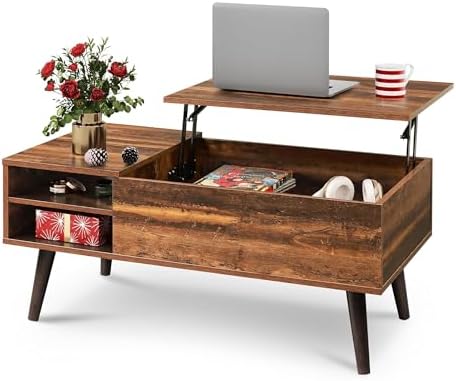
Look for coffee tables with shelves, lift-up tops, or hidden compartments. These are perfect for storing remote controls, chargers, notebooks, or anything that tends to clutter surfaces.
Benches with storage inside are great along a wall, at the foot of the bed, or near the entry. They give you a place to sit while also hiding shoes, bags, or extra linens.
When your furniture stores things for you, you reduce the need for extra storage units — which keeps your studio feeling open instead of crowded.
3. Use Vertical Space Everywhere You Can
In a studio apartment, floor space runs out quickly. Vertical space, however, is often underused.
Using your walls effectively helps you store more without shrinking your walking area. Tall storage draws the eye upward, which can even make your apartment feel larger and more open.
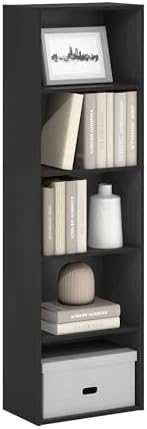
Start with tall bookcases or shelving units that go close to the ceiling. The higher shelves are perfect for items you don’t use every day, like keepsakes, seasonal decor, or extra linens. Lower shelves can hold everyday essentials in baskets or bins.
Floating shelves are great above desks, sofas, and beds. These can store books, small baskets, or decorative items without taking up floor space. Just be careful not to overload them visually — balance storage with a bit of open space.
Hooks are another vertical storage hero. Wall hooks can hold jackets, bags, hats, or even accessories. In a studio, this can replace the need for a bulky coat rack.
Don’t forget unexpected spots, like:
- Above door frames
- Above kitchen cabinets
- Corners where a slim corner shelf could fit
By shifting storage upward, you keep the floor clearer, which makes the whole studio feel less cramped and easier to move around in.
4. Keep Surfaces as Clear as Possible
In a small studio, clutter spreads fast — and surfaces are usually the first place it shows up. A few items left on a table or counter can make the entire apartment feel messy.
Clear surfaces create visual calm. Even if your storage isn’t perfect inside drawers and cabinets, tidy surfaces instantly make the space feel more organized.
Start by limiting what lives on each surface. Your coffee table, desk, kitchen counter, and nightstand should only hold items you use daily or that truly add to the space visually.
Use trays to contain small items. A tray on the coffee table can hold remotes and candles in one neat group instead of letting them scatter. A small dish near the entry can catch keys and loose change.
In the kitchen, try to keep counters mostly free by storing appliances you don’t use every day in cabinets. In the sleeping area, a simple nightstand with just a lamp and one or two essentials feels much calmer than a pile of random items.
The clearer your surfaces, the more spacious your studio will feel — even if the square footage doesn’t change at all.
5. Store Items Close to Where You Use Them
In a studio apartment, it’s easy for things to wander. You bring a blanket from the bed to the sofa, a notebook from your desk to the kitchen table, or a charger from one corner to another — and suddenly nothing has a clear home anymore.
One of the simplest ways to stay organized is to store items as close as possible to where you actually use them. This reduces the chances of things being left out and makes daily routines smoother.
For example:
- Keep throws and extra pillows in a basket next to the sofa
- Store work supplies in drawers or bins right by your desk
- Keep cooking tools and frequently used utensils within easy reach in the kitchen zone
When storage matches your habits, you’re less likely to drop items in random places “just for now,” which is how clutter starts building.
Small containers are especially helpful here. A basket for tech accessories near your workspace or a bin for snacks in the kitchen area keeps categories contained without spreading across the whole room.
Think of each zone in your studio as having its own mini storage system that supports what happens there.
6. Rotate Seasonal and Rarely Used Items
A studio apartment doesn’t have the luxury of storing everything all year long. Bulky or rarely used items can quietly take over your limited storage if you’re not careful.
That’s where rotation comes in. Instead of keeping all seasons and “just in case” items accessible at all times, store them out of the way until you actually need them.
Examples of items to rotate:
- Heavy winter coats and boots
- Thick blankets and bedding
- Holiday decorations
- Luggage or travel gear
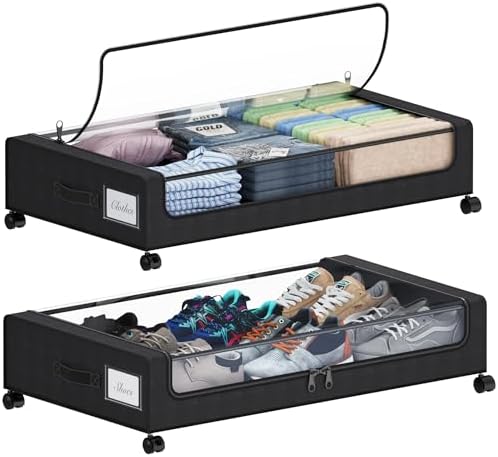
Use under-bed storage bins, high shelves, or the top of your closet for these items. Suitcases are also great for storing off-season clothes — they’re already designed to hold fabric and can slide easily into a closet or under the bed.
This frees up your most accessible storage for items you use daily. When your closet and drawers aren’t stuffed with things you don’t currently need, it’s much easier to keep them organized.
A quick seasonal swap a few times a year can make your studio feel refreshed and less crowded without getting rid of things you still use.
7. Use Light Colors and Mirrors to Reduce Visual Clutter
Organization isn’t only about where things are stored — it’s also about how the space feels visually.
In a studio apartment, dark or heavy-looking furniture can make the space feel smaller and more crowded, even if everything is technically put away. Lighter colors help reflect light and create a sense of openness.
Consider lighter tones for:
- Bedding
- Curtains
- Rugs
- Larger furniture pieces
This doesn’t mean everything has to be white, but keeping a soft, cohesive color palette helps the eye move smoothly around the room instead of stopping at lots of visual “noise.”
Mirrors are another powerful tool. A well-placed mirror reflects both light and space, making the studio feel larger than it actually is. Placing a mirror across from a window can brighten the entire apartment.
When the room feels lighter and more open, it naturally feels less cluttered — even before you change any storage.
8. Build Simple Daily Reset Habits
In a studio apartment, there’s no spare room to hide mess behind a closed door. A few dishes on the counter or clothes on a chair can affect the entire space.
That’s why small daily habits make such a big difference. Instead of waiting for a big cleaning session, aim for short resets that keep clutter from building up.
Spend 5–10 minutes each evening doing a quick reset:
- Put items back in their designated zones
- Clear off main surfaces
- Fold blankets and fluff pillows
- Hang up clothes instead of leaving them out
This routine helps your apartment return to a neutral, tidy state every day. It also makes mornings less stressful because you’re starting with a clean, organized space.
The goal isn’t perfection — it’s consistency. In a small home, a little effort done regularly is far more effective than occasional deep cleaning marathons.
Recommended Products for Organizing a Studio Apartment
Living in a studio means every item needs to be functional. These smart storage products help you stay organized without making your space feel crowded.
Storage Bed with Drawers
A bed with built-in drawers underneath can replace bulky dressers or extra storage units. It’s perfect for clothes, shoes, extra bedding, or seasonal items.


Storage Ottoman
A storage ottoman works as seating, a footrest, or even a coffee table while hiding blankets, books, or everyday clutter inside.


Lift-Top Coffee Table
This type of coffee table provides hidden storage and a raised surface that can double as a desk or dining space — ideal for small living areas.


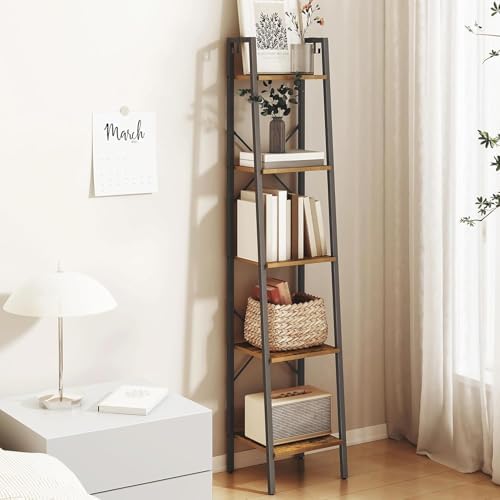
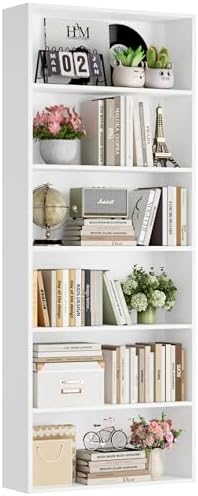
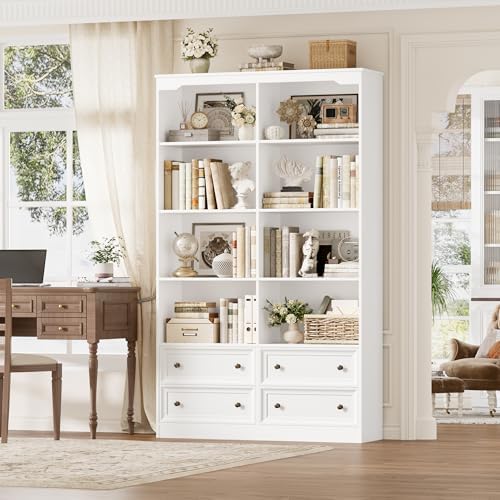
Tall Narrow Bookshelf
A slim, vertical bookshelf maximizes wall height without taking up much floor space. Use baskets on shelves to store small items neatly.

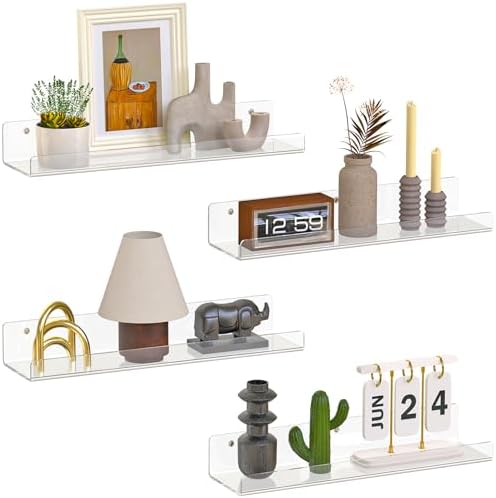
Floating Wall Shelves
Floating shelves add storage above desks, sofas, or beds without crowding the room. Great for books, décor, and small storage bins.


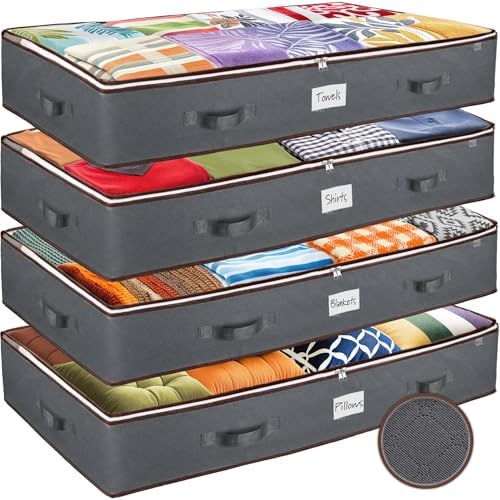
Low-profile bins with lids are perfect for storing off-season clothes, extra linens, or rarely used items out of sight.



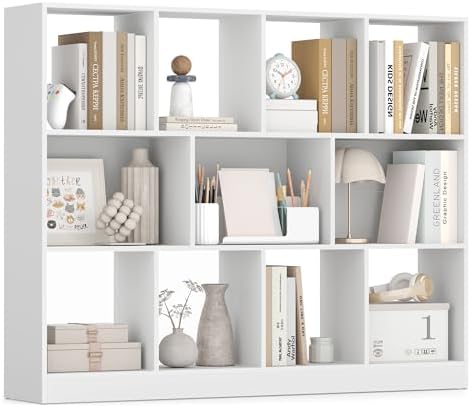
Room Divider Bookshelf
An open bookshelf can act as a subtle divider between your sleeping and living areas while also providing valuable storage.


Wall Hooks or Peg Rails
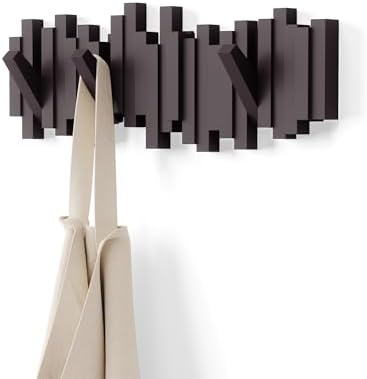
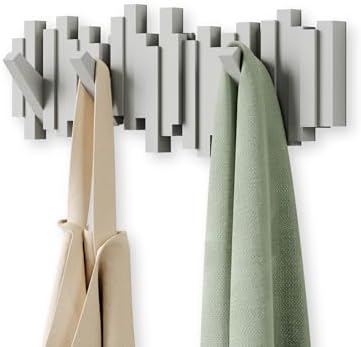
Hooks are ideal for bags, jackets, hats, and accessories. They keep frequently used items accessible without needing bulky furniture.


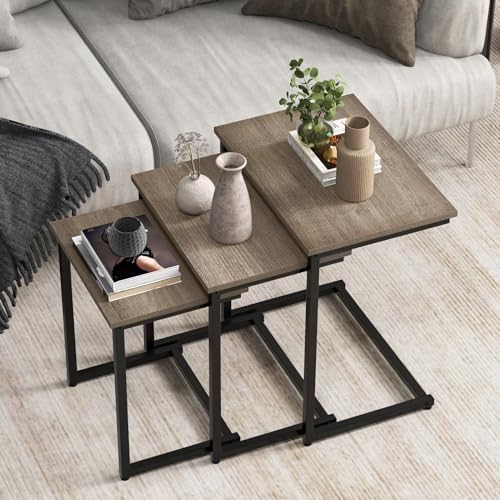
Foldable or Nesting Tables
These provide extra surface space when needed and tuck away easily when not in use — great for dining or working in a small studio.



Organizing a studio apartment efficiently isn’t about perfection — it’s about creating a space that supports your daily life without feeling cramped. With smart storage, defined zones, and a few simple habits, even the smallest studio can feel like a well-designed home.
As an Amazon Associate, I earn from qualifying purchases.