
How to Organize Accessories in a Small Closet
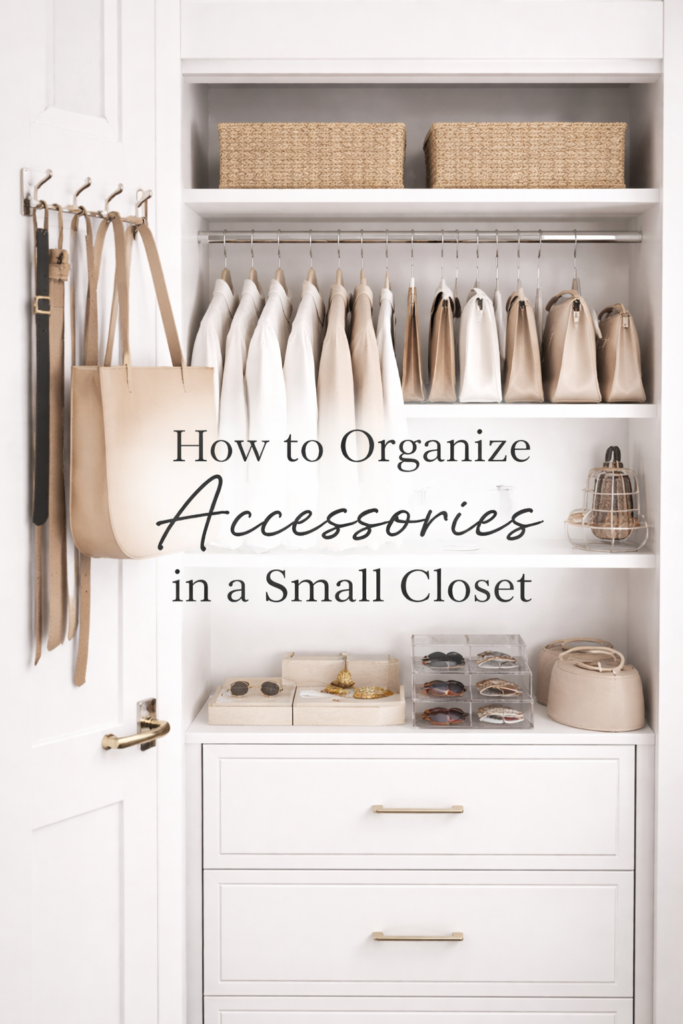
Accessories are small. That’s exactly why they’re so easy to lose.
Belts disappear behind hangers. Scarves get twisted together. Jewelry ends up scattered between drawers and random boxes. And somehow, even if your clothes are neatly arranged, the accessories section can still feel chaotic.
In a small closet, that chaos multiplies quickly. There’s less room for “I’ll deal with it later.” Every misplaced item becomes visible clutter.
The good news is that organizing accessories doesn’t require more space. It requires clearer decisions.
Take Everything Out (Yes, Everything)
It might feel unnecessary, but pulling everything out of the closet is the fastest way to reset.
When accessories stay inside the closet, it’s easy to underestimate how much you own. Once they’re laid out on your bed or a table, patterns start to appear.
Five black belts.
Ten scarves you haven’t worn in years.
Jewelry you forgot existed.
Seeing it all in one place creates clarity. And clarity makes it easier to edit.
As you go through each item, ask simple but honest questions:
When was the last time I wore this?
Does this still fit my style?
Is it in good condition?
Small closets reward decisiveness. The fewer “maybe” items you keep, the easier everything else becomes.
Be Honest About Your Real Style
We all have aspirational accessories. The bold statement necklace. The dramatic hat. The bright scarf that felt exciting in the store.
But if they don’t match your everyday outfits, they end up taking space without adding value.
This doesn’t mean getting rid of everything fun. It just means recognizing what truly supports your current wardrobe.
Accessories should feel accessible and wearable — not like archived versions of your past tastes.
Group First, Then Refine
Once you’ve edited down, start grouping everything by category.
Belts together.
Scarves together.
Jewelry sorted by type.
Bags in one area.
Hats in another.
At this stage, don’t worry about perfect placement. Just focus on creating clear categories.
This step alone reduces mental clutter. Instead of a scattered mix of items, you now have defined groups. That structure makes the next steps much easier.
After grouping, take it one level deeper. Within each category, notice what you wear most.
Your go-to belt.
Your everyday handbag.
The earrings you reach for weekly.
These deserve prime access. The occasional or seasonal pieces can live slightly out of reach.
Organization should reflect your habits, not an idealized version of them.
Think Visibility, Not Just Storage
In small closets, hidden items are often forgotten items.
If accessories are stuffed into opaque boxes or buried under piles, you’ll default to the same few pieces over and over — even if you own better options.
Visibility changes that.
Hanging scarves instead of folding them.
Displaying belts on hooks instead of stacking them.
Keeping frequently worn jewelry in shallow trays rather than deep containers.
When you can see what you own at a glance, getting dressed becomes faster and more enjoyable.
The goal isn’t to create a showroom. It’s to remove friction from your daily routine.
And that starts with making your accessories easy to see and easy to reach.
Use Vertical Space Without Overcrowding It
In a small closet, vertical space is everything. But there’s a difference between using it wisely and stuffing it until it feels overwhelming.
Hooks on the inside of the door can hold belts or lightweight bags. Slim hanging organizers can store clutches or folded scarves. Even a simple row of wall hooks can transform an empty strip of space into something useful.
The key is spacing.
If everything is crammed tightly together, it becomes hard to grab one item without disturbing three others. Leave a little room between pieces so they don’t compete for space. When accessories hang freely, the closet feels lighter and easier to navigate.
Give Jewelry a Simple, Dedicated System
Jewelry tends to be the most frustrating category. It’s small, delicate, and prone to tangling.
Instead of tossing pieces into a single box, create small boundaries. A divided tray for rings and earrings. A few hooks or a slim hanging organizer for necklaces. A shallow drawer insert that keeps everything visible.
You don’t need a complicated setup. In fact, simpler systems are easier to maintain.
The goal is to be able to pick a piece quickly and return it just as easily. If putting jewelry away feels like a chore, it will end up on your dresser instead.
Store Bags So They Keep Their Shape
Handbags deserve a bit of structure. When they’re stacked or piled on top of each other, they lose shape and create visual clutter.
If you have shelf space, stand them upright with a small gap between each one. For softer bags, consider lightly stuffing them so they hold their form. If shelves are limited, hooks can work for lightweight pieces.
The point is to give bags a defined home. Once they have a place, they’re less likely to migrate to the floor.
Respect the Power of Empty Space
It’s tempting to use every inch of a small closet. But overcrowding is what makes it feel smaller than it actually is.
Leaving small gaps between categories makes a big difference. A bit of breathing room on a shelf. Space between hanging scarves. An uncluttered corner.
Empty space isn’t wasted space. It’s what allows the rest of your system to function smoothly.
When everything has a little room, the closet feels intentional instead of stuffed.
Build a Quick Reset Habit
Even the best organization system will drift if you never reset it.
A belt won’t make it back to its hook. A pair of sunglasses will land somewhere random. A bag will sit on the floor after a long day.
Instead of waiting for things to spiral, do small resets regularly. Once a week, take five minutes to return items to their zones. Straighten what’s leaning. Remove anything that doesn’t belong.
Small corrections prevent big messes.
Recommended Products
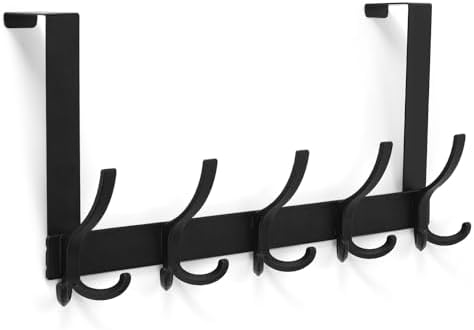
Over-the-Door Hook Rack
An over-the-door hook rack instantly adds vertical storage without taking up shelf or floor space. It’s perfect for belts, lightweight bags, hats, or even frequently used scarves. Because it uses space that would otherwise go unused, it’s one of the simplest upgrades for a small closet.



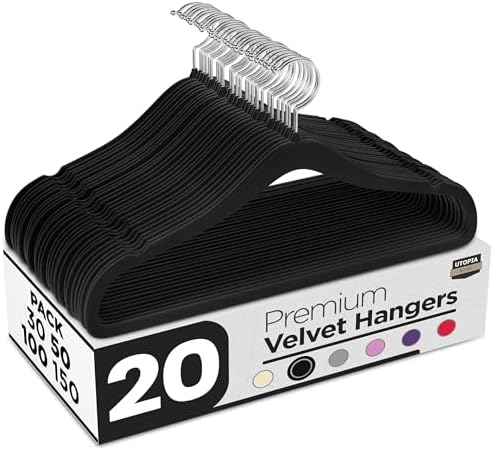
Slim Velvet Hangers
Switching to slim velvet hangers creates more breathing room in a tight closet. They take up less horizontal space and keep clothing from slipping, which prevents accessories like belts or lightweight scarves from constantly sliding off.


Hanging Scarf Organizer
A vertical scarf organizer with multiple loops keeps scarves visible and untangled. Instead of stacking them in a drawer where you forget what you own, you can see every option at a glance and grab one without disrupting the rest.


Clear Acrylic Drawer Dividers
For jewelry, sunglasses, or smaller accessories, clear drawer dividers create structure without visual heaviness. They keep items separated, easy to find, and easy to return after use.


Stackable Shelf Dividers
Shelf dividers help keep handbags upright and prevent them from collapsing into each other. They’re especially useful if you store multiple bags on one shelf and want to maintain clean lines.


![12 Inches [Extra Tall Version] Clear Shelf Dividers for Closet Or...](https://m.media-amazon.com/images/I/41wakCL5bEL._AC_.jpg)
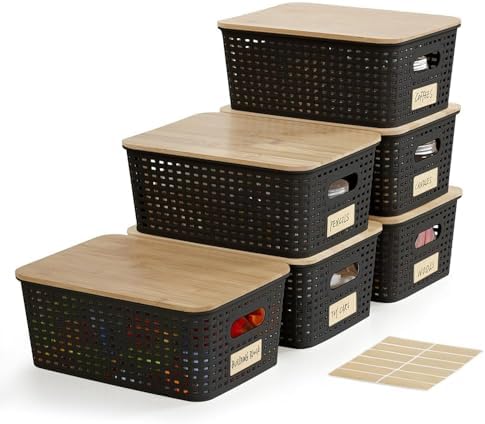
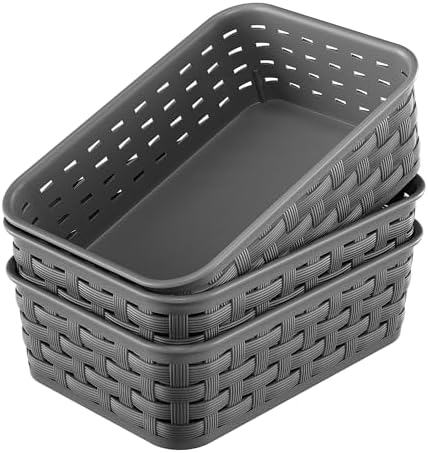
Small Storage Bins or Baskets
For seasonal accessories or less frequently used items, small bins keep everything contained. Clear bins work well for visibility, while neutral fabric or woven options create a softer look if your closet is partially open.


Jewelry Tray or Organizer Insert
A shallow jewelry tray with compartments keeps rings, earrings, and bracelets separated. It prevents tangling and makes choosing accessories feel intentional rather than rushed.


Under-Shelf Hanging Basket
If you have tall shelves, an under-shelf basket adds an extra layer of storage for lightweight items like clutches or folded scarves. It maximizes vertical space without permanent installation.


Final Thoughts
Organizing accessories in a small closet isn’t about fitting more inside. It’s about reducing friction.
When you can see your options clearly and reach them without digging, getting dressed feels calmer. Faster. More intentional.
A small closet doesn’t have to feel limiting. With a thoughtful layout and a bit of restraint, it can feel streamlined and surprisingly spacious.
Sometimes, the difference isn’t more storage.
It’s simply better decisions about what stays — and where it belongs.