
How to Organize Kitchen Cabinets in a Small Kitchen

If you have a small kitchen, you already know how quickly cabinets become crowded and frustrating to use. Pots fall over, lids get lost, and pantry items disappear into the back of shelves. The good news is that you don’t need a bigger kitchen — you just need smarter cabinet organization. With the right steps and tools, even the smallest cabinets can feel functional and easy to use.
Step 1: Empty and Assess Your Kitchen Cabinets
Before delving into the organization of your small kitchen cabinets, a thorough assessment of your kitchen space is essential. Understanding the layout, cabinet size, and current storage situation will serve as a foundation for designing an efficient organization plan. Begin by evaluating the dimensions of your kitchen cabinets; ensuring you know their height, width, and depth will guide your choice of storage solutions.
In small kitchens, maximizing vertical space is crucial. Consider measuring the distance from the countertop to the bottom of the upper cabinets, which often provides an opportunity to use stackable containers or shelf risers. Utilize underutilized areas, such as the space above your cabinets, which can accommodate decorative storage or rarely used items. Assessing this vertical landscape will allow you to optimize your kitchen’s functionality.
A critical aspect of your assessment is inventorying kitchen items. Go through the contents of each cabinet and take note of the items you use daily versus those languishing in the back. Categorization is vital at this stage; group similar items together to identify not only what you need but also what can be eliminated. Have you ever found utensils or appliances that you haven’t used for months or even years? Consider their relevance and frequency of usage. Decluttering can free up valuable cabinet space and streamline your cooking process.
Finally, consider how these items are currently arranged within your cabinets. Are pots and pans stacked in a way that makes them difficult to access? Is there excess clutter within drawers that could be organized through dividers? Evaluating the existing arrangement helps highlight areas that require adjustment, leading to a more efficient and enjoyable cooking experience. Focus on these key components to create a well-organized kitchen space tailored to your needs.
Decluttering and Sorting Kitchen Items
In the quest to organize kitchen cabinets, the first and most critical step is decluttering. A well-organized kitchen begins with an assessment of the items contained within it. Begin by removing everything from the cabinets and laying them out on a flat surface. This provides a clear overview of the quantity and types of items you possess, making it easier to identify those that are no longer needed.
As you examine each item, categorize them into three distinct groups: frequently used, rarely used, and seasonal items. Frequently used items should include essentials that are utilized daily or weekly, such as pots, pans, utensils, and often-used dishes. These items will be the easiest to find places for in your newly organized cabinets. On the other hand, rarely used items may consist of specialty gadgets or equipment that you seldom use, such as a fondue pot or a slow cooker.
Consider if you have items that you have not used in over a year, as they might not hold significant value to you anymore. Seasonal items often include baking trays and decorative dishes that are specific to certain holidays; it may be beneficial to store these items at the back or in less accessible areas.
Once you have sorted your items, you are positioned to make informed decisions regarding what can be discarded, recycled, or donated. Reducing the number of items in your kitchen cabinets not only maximizes available space but also simplifies your organizational process. A decluttered space allows for better accessibility and a more pleasant cooking environment. By systematically categorizing kitchen items, it will become easier to maintain organization, ultimately leading to a more efficient cooking experience in your small kitchen.
Step 2: Group Items by Category
Once you have decluttered your cabinets, the next step is grouping similar items together. This is one of the most effective ways to organize kitchen cabinets in a small kitchen because it prevents wasted space and makes everything easier to find.
Start by placing dishes, bowls, and glasses in the same cabinet or shelf zone. Keep food storage containers together, and make sure lids are stored in the same area so they don’t get lost. Group pantry items like canned goods, spices, and snacks so you can quickly see what you have.
Cooking tools should also be categorized. Store baking items in one place, everyday cookware in another, and cleaning supplies under the sink. When items are grouped by purpose, you avoid overcrowding random shelves and maximize cabinet space more efficiently.
Best Cabinet Organizers for Small Kitchens
Using the right tools can completely change how your cabinets function. Smart organizers help you use vertical space, reduce clutter, and make items easier to access — which is essential in a small kitchen.
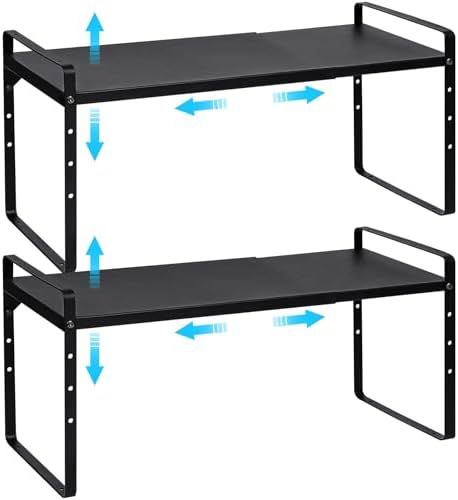
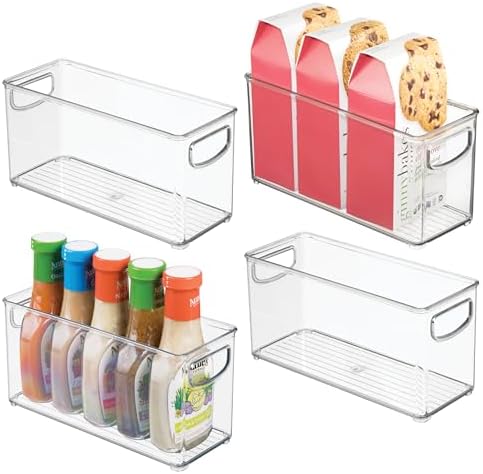
Shelf risers are one of the simplest ways to double your storage space. They allow you to stack plates, bowls, or pantry items without creating unstable piles. Stackable storage bins are also helpful for grouping similar products while keeping shelves tidy.
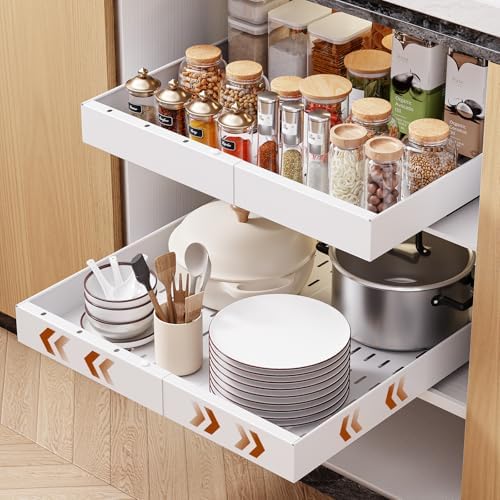
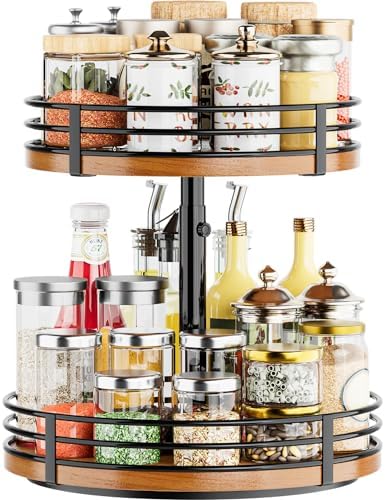
Pull-out cabinet shelves make deep cabinets easier to use, preventing items from getting lost in the back. Lazy Susans are perfect for corners or hard-to-reach shelves, especially for spices, oils, or small containers. Under-shelf baskets add an extra layer of storage beneath existing shelves, making use of space that usually goes unused.
Adding even a few of these organizers can dramatically improve small kitchen storage and make your cabinets more functional every day.
Organize Cabinets Based on Frequency of Use
One of the smartest kitchen cabinet organization ideas is arranging items based on how often you use them. In a small kitchen, prime space should always be reserved for everyday essentials.
Place frequently used dishes, glasses, and cooking tools at eye level so they are easy to grab. Items you use weekly can go on higher or lower shelves, while rarely used appliances or specialty cookware should be stored in the hardest-to-reach areas.
This system reduces daily frustration and helps maintain order over time. When everything has a logical place based on use, it becomes much easier to keep your cabinets organized.
Common Mistakes When Organizing Small Kitchen Cabinets
Even with the best intentions, it’s easy to make mistakes that waste valuable space. One common issue is keeping too many duplicate items, such as extra mugs or unused containers, which quickly overcrowd small cabinets.
Another mistake is failing to use vertical space. Without shelf risers or stackable solutions, cabinets often have empty air above shorter items. Storing heavy or frequently used items on high shelves can also make your kitchen less functional and even unsafe.
Finally, many people ignore cabinet doors, which can be used for hooks or small racks. Avoiding these mistakes will help you maximize cabinet space and create a more efficient kitchen overall.
Maintaining an Organized Kitchen Over Time
Ensuring that your kitchen cabinets remain organized over the long haul requires dedication and regular upkeep. Establishing a system for routine organization can help maintain order in a small kitchen, especially as it is often prone to clutter. One effective strategy is to schedule periodic clean-out reminders. This can be as simple as setting a calendar notification every few months to review the contents of your cabinets. During these clean-outs, assess which items are essential and which can be donated or discarded, helping to prevent the buildup of unused kitchenware.
Another important aspect of maintaining organization in the kitchen involves evaluating new items entering your home. Whenever you purchase new kitchen equipment or supplies, it is essential to determine whether they truly fit into your current storage system. Ask yourself if you will use the item regularly and if it adds value to your cooking experience. If not, reconsider its placement or decide if it should be returned or given away. By developing a habit of careful evaluation, you’ll enhance your ability to keep a streamlined kitchen environment.
Additionally, it is vital to cultivate habits that promote ongoing organization. Simple practices, such as returning items to their designated spots after use or rearranging cabinets periodically, can significantly improve the efficiency of your kitchen. Recognize that as your cooking styles and storage needs evolve, you may need to adjust your organization methods accordingly. Being flexible with your approach will help ensure that your kitchen cabinets operate optimally as your culinary practices change.
By establishing a routine, taking proactive measures when introducing new items, and adapting your habits over time, achieving and maintaining an organized kitchen can become a manageable and rewarding endeavor. Organizing kitchen cabinets in a small kitchen isn’t about perfection — it’s about creating systems that make daily life easier. With a little decluttering, smarter grouping, and the right organizers, you can transform even tight cabinets into efficient storage spaces. Start with one cabinet today, and you’ll quickly see how small changes make a big difference.
Recommended Products for Small Kitchen Cabinet Organization
Organizing small kitchen cabinets is much easier when you use the right tools. Below are some of the most effective organizational products that help maximize space, keep items accessible, and reduce clutter — especially in compact kitchens.
1. Shelf Risers – Maximize Vertical Space
Shelf risers are perfect for stacking dishes, bowls, or pantry items without creating unstable piles. They help you make use of the full height inside small cabinets.
- Ideal for plates, cups, and pantry items
- Helps double usable space
- Great for small kitchens with limited cabinet height
You might look for adjustable shelf risers that fit different cabinet size



2. Pull-Out Cabinet Shelves – Easy Access
Pull-out shelves allow you to slide out the contents of deep cabinets, making it easier to reach items in the back without bending or digging.
- Great for lower cabinets
- Makes deep spaces usable
- Prevents items from getting lost in the back
Look for options that are easy to install and fit under existing shelves.


3. Stackable Storage Bins – Group Similar Items
Stackable bins help keep like items together without loose clutter. They’re ideal for dry goods, snacks, spices, and smaller pantry items.
- Keeps pantry items neat
- Great for food storage containers
- Easy to pull out and see contents
Choose bins with labels or clear sides for quick recognition.


4. Lazy Susans – Turn Hard-to-Reach Areas into Organized Space
Lazy Susans are excellent for corner spaces or areas that are difficult to access. They rotate easily, so you can see and reach everything without rearranging items.
- Works well for spices, oils, and condiments
- Perfect for cabinets with deep corners
- Makes small spaces feel more functional
Simple turntables or tiered versions both work well


5. Under-Shelf Baskets – Add Extra Storage Layers
Under-shelf baskets hang beneath existing shelves and create an additional layer of storage. They’re perfect for items you want easy access to but don’t use every day.
- Adds storage without permanent installation
- Ideal for lids, small plastics, or extras
- Great for maximizing awkward spaces
Pick baskets that clip on securely and fit your cabinet width.


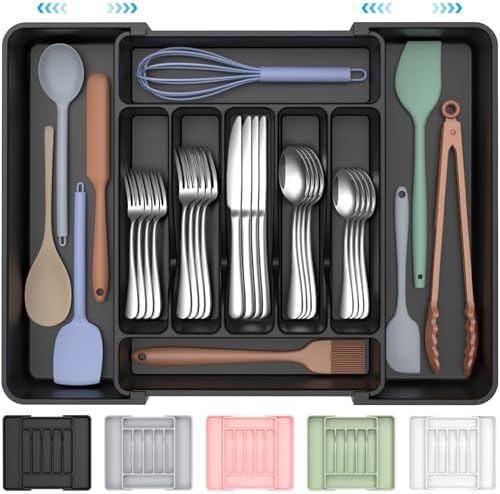
6. Drawer Organizers – Keep Utensils and Tools Tidy
Drawer organizers help keep cutlery, cooking tools, and other small items separated so they don’t become a tangled mess in cramped drawers.
- Keeps utensils neat and easy to find
- Helps organize cooking tools and gadgets
- Great for homes that rely on drawer storage
Adjustable dividers work best for different sized utensils.


As an Amazon Associate, I earn from qualifying purchases.