
How to Organize Kitchen Shelves Like a Pro
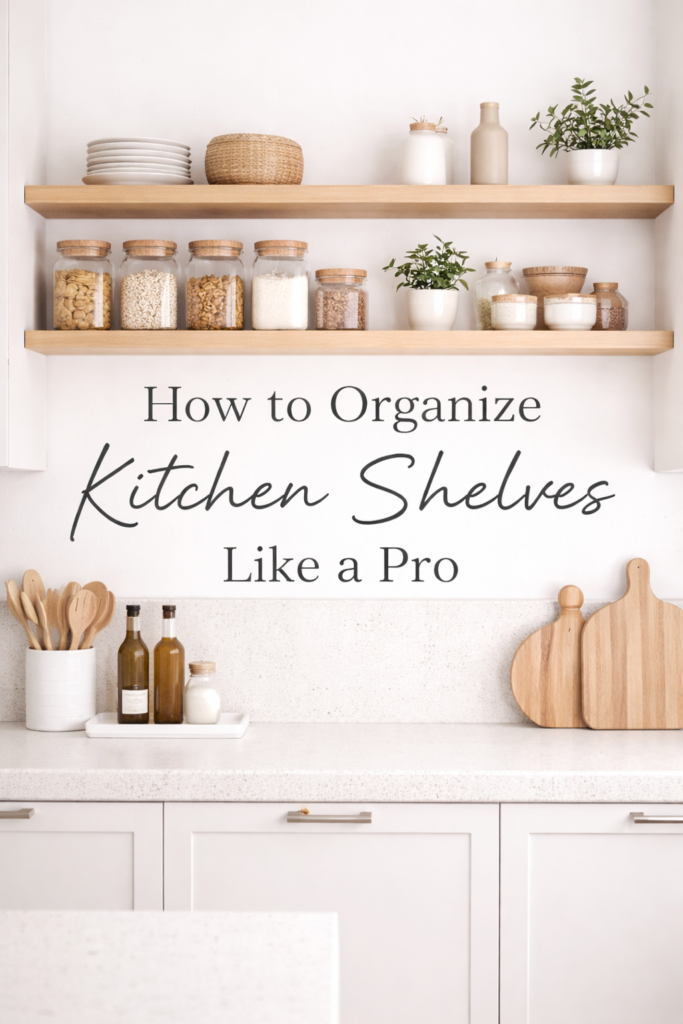
Kitchen shelves can either make your space feel calm and functional — or chaotic and cramped. There’s rarely an in-between.
The difference isn’t about having a huge kitchen or buying expensive organizers. It’s about intention. When shelves are arranged thoughtfully, everything becomes easier: cooking, cleaning, even putting groceries away.
If opening your cabinet feels like a small avalanche might happen at any moment, you’re not alone. Shelves tend to become “temporary” storage spots that quietly turn permanent. A jar gets placed wherever there’s room. A new box gets squeezed in. Slowly, order disappears.
The good news? A few smart changes can completely reset the space.
Start With a Full Reset
Before you reorganize, pull everything out. It may feel dramatic, but it’s the fastest way to see what’s really happening.
Line everything up on the counter. Suddenly you’ll notice duplicates, half-empty containers, expired items, and things you forgot you even owned.
This step isn’t just about cleaning — it’s about awareness.
When you see the full picture, it becomes easier to decide what actually deserves shelf space.
Ask yourself:
Do I use this weekly?
Is this stored here because it makes sense — or just because it fits?
Would I miss this if it wasn’t here?
Professional-looking shelves start with clear decisions.
Edit With Intention, Not Guilt
Kitchens are notorious for holding onto “maybe” items. Specialty appliances. Ingredients from one recipe months ago. Random mugs you don’t love but feel bad discarding.
Shelves are prime space. They shouldn’t be occupied by guilt.
If something hasn’t been touched in a long time, consider relocating it to a higher cabinet or letting it go. Everyday shelves should prioritize items that support your real routine.
When you reduce volume first, organizing becomes dramatically easier.
Group by How You Actually Cook
This is where most people go wrong. They organize by category labels that look tidy but don’t reflect how they move in the kitchen.
Instead, think about your natural flow.
If you make coffee every morning, keep mugs, coffee, and filters within easy reach of each other.
If you bake often, keep flour, sugar, mixing bowls, and measuring tools in the same zone.
If snacks are constantly being grabbed, give them their own defined section.
Organization should follow behavior.
When shelves match your habits, cooking feels smoother — almost automatic.
Use Vertical Space Thoughtfully
One of the biggest mistakes on kitchen shelves is wasted height.
Tall shelves often end up with short stacks and empty air above them. That unused vertical space could be working for you.
Simple risers, stackable containers, or even neatly stacked plates can maximize height without creating unstable towers.
The key is accessibility.
You shouldn’t have to unstack half the shelf to reach one item. If you do, the system won’t last.
Professional organization always prioritizes ease over perfection.
Give Everyday Items Eye-Level Priority
There’s a reason professional kitchens are arranged for speed.
Eye-level space is valuable. That’s where your most-used items should live.
Plates
Glasses
Cooking oils
Spices you reach for daily
Less frequently used items can go higher or lower. This small adjustment reduces friction every single time you cook.
It may seem subtle, but when you stop reaching, stretching, or digging constantly, the kitchen feels more efficient almost immediately.
Good shelf organization isn’t about making things look staged.
It’s about making your daily routine easier.
Contain the Small Stuff Before It Spreads
If you’ve ever opened a cabinet and seen spice packets sliding around, tea bags hiding behind jars, or random sauce envelopes floating freely, you already know how quickly small items create visual chaos.
Tiny things don’t look like a big deal on their own. But once they start drifting, shelves feel messy even when they aren’t technically full.
The fix isn’t complicated. It’s containment.
Small bins, shallow baskets, or clear containers instantly create boundaries. Suddenly, instead of twenty loose items, you have one defined category. And when everything has a container, it’s easier to pull it out, use what you need, and put it back without disturbing the rest of the shelf.
This is one of those subtle upgrades that makes your kitchen feel more intentional almost overnight.
Create “Zones” That Make Sense
Think of your shelves as neighborhoods, not random streets.
Instead of scattering items wherever there’s space, assign each shelf a purpose. Maybe one shelf is strictly for everyday dishes. Another is for dry pantry staples. Another for snacks.
When zones are clearly defined, your brain relaxes. You’re no longer scanning every shelf looking for something. You know exactly where to go.
This also makes grocery restocking easier. You’re not just shoving new items into open spots — you’re returning them to their zone.
And if something doesn’t have a zone? That’s usually a sign it doesn’t belong there.
Leave a Little Empty Space
It’s tempting to fill every inch of shelf space. After all, empty space can feel like wasted space.
But here’s the truth: breathing room is what makes shelves look professional.
A slightly open gap between stacks. A little space beside a container. Room to slide items in and out without friction.
When shelves are packed tightly, they feel stressful. When they have a bit of air, they feel controlled.
You don’t need showroom-level minimalism. Just avoid cramming things in “because they fit.”
Sometimes the most powerful organizing decision is stopping before the shelf is completely full.
Make It Easy to Maintain
Even the best shelf setup will fail if it’s too complicated.
If a system requires moving five things to reach one item, it won’t last. If containers are too heavy, too tall, or too awkward, you’ll stop using them correctly.
The goal isn’t perfection — it’s sustainability.
Do small resets once a week. Straighten stacks. Return items to their zones. Remove anything that wandered in from another part of the kitchen.
These tiny check-ins take minutes, but they prevent the slow buildup of clutter.
Professional-looking shelves aren’t born from one big organizing day. They’re maintained through small, consistent adjustments.
Recommended Products
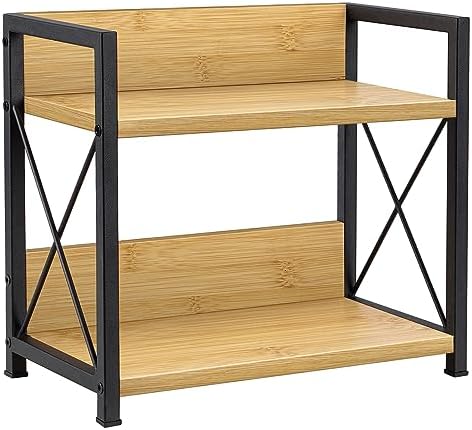
Shelf Risers for Vertical Space
Expandable shelf risers are one of the simplest upgrades you can make. They instantly double usable space by creating a second level for plates, bowls, or pantry items. Instead of stacking everything in unstable piles, you create layers that are easy to see and reach. Look for sturdy metal or bamboo options that won’t wobble under weight.


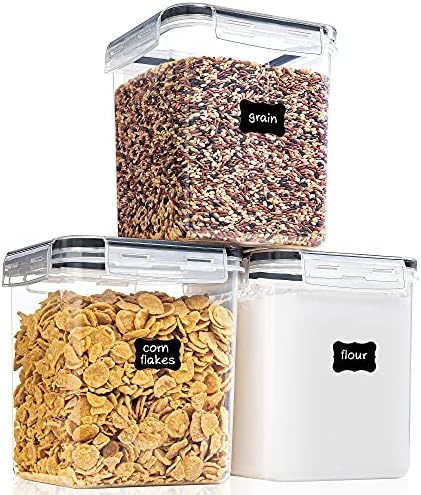
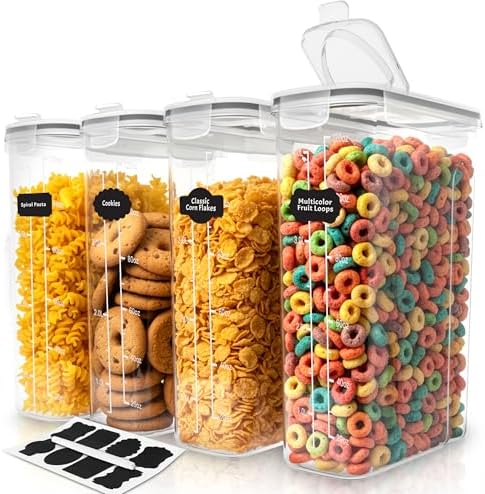
Clear Airtight Storage Containers
Uniform, clear containers make a huge difference visually and functionally. They keep dry goods fresh while allowing you to see exactly what you have. Flour, rice, pasta, snacks, and cereals look cleaner and take up less space when transferred out of bulky packaging. Stackable designs help maximize height without wasting shelf space.


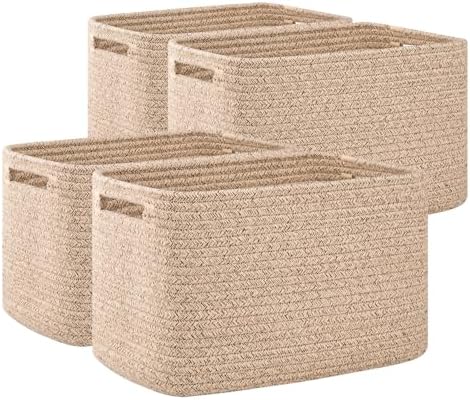
Small Storage Bins and Baskets
For spices, sauce packets, baking supplies, or snack bars, small bins create instant order. Instead of loose items drifting around, everything stays contained within its category. Clear bins make it easy to identify contents, while woven or matte plastic options can soften the look of open shelving.


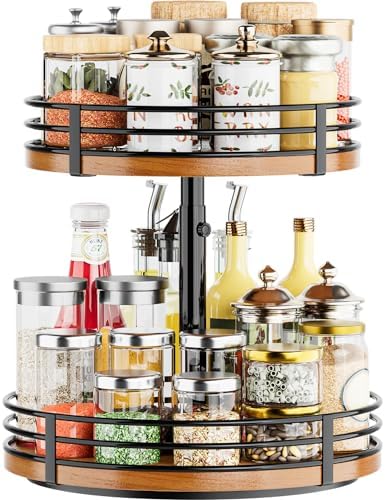
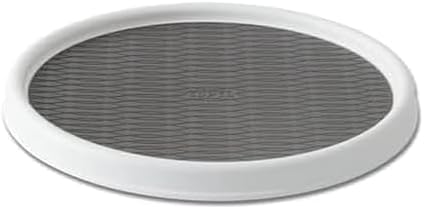
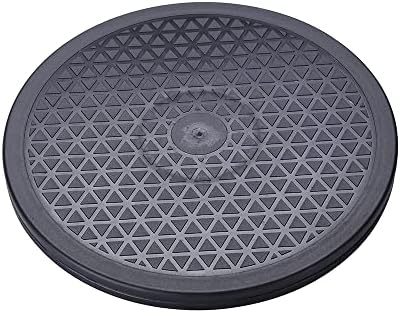
Lazy Susan Turntables
A simple turntable can completely change hard-to-reach shelves. Perfect for oils, vinegars, condiments, or spices, it allows you to rotate items instead of digging behind them. This works especially well in deeper cabinets where items tend to get lost in the back.

Label Maker or Minimalist Labels
Labels aren’t just aesthetic — they reinforce the system. When containers are clearly marked, everyone in the household knows where things belong. Simple, clean labels keep the look cohesive while making maintenance easier long term.




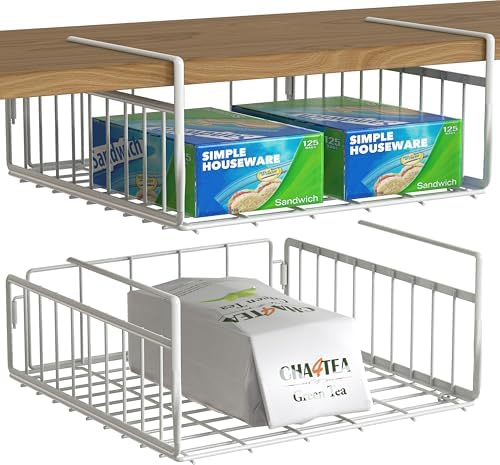
Under-Shelf Baskets
If you have taller shelves, under-shelf baskets create an extra layer of storage without installing anything permanent. They’re ideal for lightweight items like dish towels, wraps, or small pantry goods, and they help utilize empty vertical space that usually goes unused.


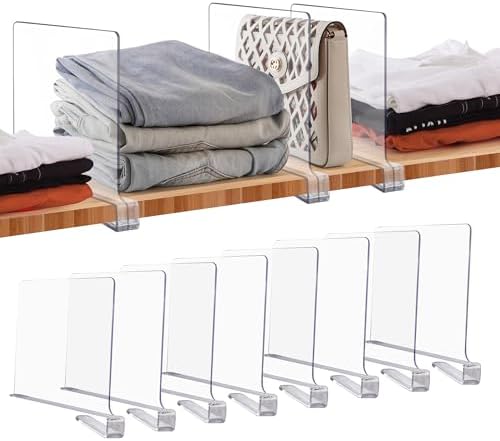
Adjustable Shelf Dividers
For stacks of plates, cutting boards, or baking trays, adjustable dividers prevent leaning and shifting. They keep everything upright and easy to grab, which reduces the frustration of pulling one item and disturbing the entire shelf.


Stackable Can Organizers
If canned goods are taking over your shelves, stackable can organizers keep them aligned and visible. Instead of pushing cans to the back and forgetting about them, you can see exactly what you have at a glance. This not only looks better but also reduces waste from expired items.


Final Thoughts
Organizing kitchen shelves like a pro doesn’t mean making them look staged or untouchable.
It means creating a space that supports how you actually live.
When everything has a clear purpose and logical place, cooking feels smoother. Cleanup feels lighter. Even something as simple as putting groceries away becomes less frustrating.
And maybe the most important part?
You stop feeling like your kitchen is working against you.
Because in a well-organized space, you’re not constantly adjusting to clutter — the space quietly supports you instead.