
How to Organize Seasonal Clothes Without Extra Space
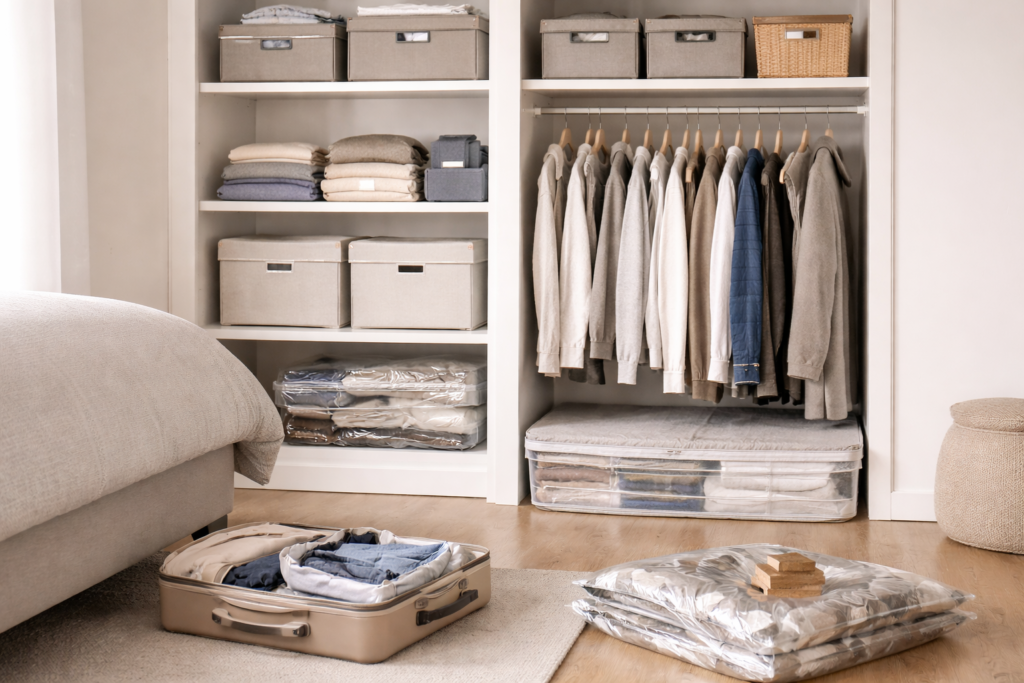
Seasonal clothes have a way of quietly taking over closets. One minute it’s just a couple of sweaters, and the next you’re trying to squeeze bulky coats next to summer dresses that you won’t touch for months.
The good news? You don’t need an extra closet or storage unit to keep seasonal clothing under control. With a few smart strategies, you can rotate your wardrobe, free up space, and still keep everything easy to find when the weather changes.
1. Rotate, Don’t Store Everything at Once
Trying to keep every piece of clothing accessible all year round is one of the fastest ways to overcrowd a small closet. When winter coats, summer dresses, and everything in between all compete for the same rod space, your closet quickly becomes hard to manage.
Instead, treat your wardrobe like a rotating system. Keep only what you realistically wear during the current season front and center. Everything else can be stored in secondary spaces that are still accessible but not part of your daily routine — like under the bed, on a high closet shelf, or in storage bins tucked into unused corners.
This rotation doesn’t just save space — it also makes getting dressed easier. When your closet only holds season-appropriate clothes, you spend less time digging past items you can’t even wear. It also gives you a clearer view of what you actually have, which helps prevent overbuying.
Seasonal rotation is also a great built-in reminder to reassess your wardrobe. As you pack items away, you’ll naturally notice what you didn’t wear, what no longer fits, or what you simply don’t like anymore.
Helpful tip: Store off-season clothes in a consistent spot each year so you always know where to find them when the weather changes.
Use Vacuum-Sealed Bags for Bulky Items
Bulky winter clothing is often the biggest storage challenge. Sweaters, puffer jackets, scarves, and thick blankets can take up an entire section of your closet on their own. Vacuum-sealed storage bags can shrink these items down to a fraction of their original size.
By removing excess air, you can compress soft fabrics into flat, stackable shapes that are easy to slide under a bed, onto a high shelf, or into a suitcase. This is especially helpful in small apartments where closet shelves are limited.
These bags are ideal for items you won’t need for several months. Just make sure everything is freshly washed and completely dry before sealing. Trapped moisture can lead to odors or mildew over time.
Another benefit is protection. Vacuum-sealed bags help keep out dust, moisture, and even pests, which is especially useful if your storage areas aren’t fully enclosed.
Helpful tip: Don’t overfill the bags. Leaving a little extra room helps them seal properly and prevents stress on zippers or seams.
Store Items Inside Luggage
Empty suitcases are basically ready-made storage containers — sturdy, zippered, and designed to protect clothing. Instead of letting them sit unused and take up space, put them to work storing off-season clothes.
Folded sweaters, jeans, jackets, or even spare bedding can fit neatly inside. Since suitcases often slide easily under a bed or into the back of a closet, they make great hidden storage solutions that don’t add visual clutter to your room.
This is also helpful if you don’t want to buy additional storage bins. You’re simply repurposing something you already own. When travel season comes around, you can swap the contents back into your closet and use the suitcase as usual.
Using luggage for storage also keeps similar items grouped together. For example, one suitcase can hold all winter sweaters, while another stores summer shorts and swimwear.
Helpful tip: Place a small moisture absorber or fabric sachet inside to keep clothes smelling fresh during long-term storage.
Use the Top Shelf of Your Closet Wisely
The top shelf of a closet is often underused or filled with random items that don’t really belong anywhere. With a little structure, this space can become a key storage zone for off-season clothing.
Instead of stacking loose piles, use storage bins, fabric boxes, or zippered organizers to keep items contained. This prevents clothes from toppling over and keeps dust from settling directly on fabrics. Matching containers also create a cleaner, less cluttered look.
The top shelf is ideal for items you won’t need for a while, like heavy sweaters in summer or swimsuits and beachwear in winter. Because it’s not as convenient to reach, it naturally encourages you to keep only long-term storage items there.
Clear bins make it easy to see what’s inside, while labeled opaque bins look tidier and still help you stay organized. Either option works — the key is consistency.
Helpful tip: Store lighter items on the highest shelves and avoid overloading bins, so they’re easier and safer to lift down when needed.
Separate “Heavy” and “Light” Clothing
Instead of organizing clothes only by type — like shirts, pants, or dresses — it can be much more efficient to group them by fabric weight. Separating heavy, cold-weather pieces from lightweight, warm-weather ones makes seasonal rotation faster and less overwhelming.
For example, thick sweaters, wool pants, and heavy hoodies can be stored together in one area, while linen shirts, shorts, and light dresses stay in another. When the seasons change, you can simply swap entire groups instead of going through every single item in your closet.
This method also helps you understand how much seasonal clothing you actually own. You might realize you have far more winter sweaters than you need or barely any summer basics. Seeing items grouped this way makes future shopping decisions more intentional.
It also prevents your closet from feeling visually cluttered. Mixing bulky knits with thin fabrics can make rods look overcrowded even when there’s technically enough space.
Helpful tip: Use shelf dividers or labeled bins to clearly separate heavy and light categories if they share the same shelf.
Use Slim Hangers to Maximize Rod Space
Hangers might not seem like a big deal, but they can dramatically affect how much fits in your closet. Thick plastic or wooden hangers take up more horizontal space, which limits how many clothes you can hang comfortably.
Slim, non-slip hangers are designed to be space-efficient. Switching your entire closet to the same style creates a uniform look and instantly frees up extra room on your rod. This is especially helpful during seasonal transitions, when you might temporarily store more items in your closet.
Slim hangers also help clothes stay in place. Many have a velvety coating that prevents slippery fabrics from sliding off, which keeps your closet looking neater and reduces clothes ending up on the floor.
Another bonus is visual calm. Matching hangers make your closet feel more organized even before you declutter anything.
Helpful tip: As you switch hangers, take the opportunity to remove clothes you no longer wear instead of transferring everything automatically.
Keep a Small “In-Between” Section
Seasonal changes rarely happen overnight. Some days are warm, others are chilly, and you might need a mix of clothing types for a while. That’s where a small “in-between” section of your closet comes in handy.
Designate a small portion of your rod or one shelf for transitional pieces — light jackets, cardigans, long-sleeve tops, or versatile layers. These are the items you’re most likely to reach for during unpredictable weather.
Having this buffer zone prevents you from dragging all your off-season clothes back into the main closet just because of a few cooler or warmer days. It keeps your system intact while still giving you flexibility.
This section should stay limited. If it grows too large, it can quickly turn into a catch-all that defeats the purpose of rotating your wardrobe.
Helpful tip: At the end of each season, reassess this section and move items fully into storage or back into your main wardrobe.
Declutter at Every Seasonal Switch
Seasonal rotation is the perfect built-in reminder to declutter. Each time you pack clothes away or bring them back out, you have a chance to rethink what truly deserves space in your home.
Pay attention to what you didn’t wear during the last season. If something stayed untouched for months, ask yourself why. It might not fit comfortably, match your current style, or suit your lifestyle anymore.
Letting go of these pieces makes future rotations easier and keeps storage areas from becoming overcrowded. It also helps you appreciate and wear the clothes you actually love instead of feeling overwhelmed by too many choices.
Decluttering doesn’t have to be extreme. Even removing a few items each season can make a noticeable difference over time.
Helpful tip: Keep a small donation bag in your closet so you can drop in items year-round, not just during seasonal swaps.
Recommended Products for Storing Seasonal Clothes
The right storage tools can make rotating seasonal clothing faster, easier, and far less stressful. You don’t need fancy systems — just a few smart, space-saving essentials.
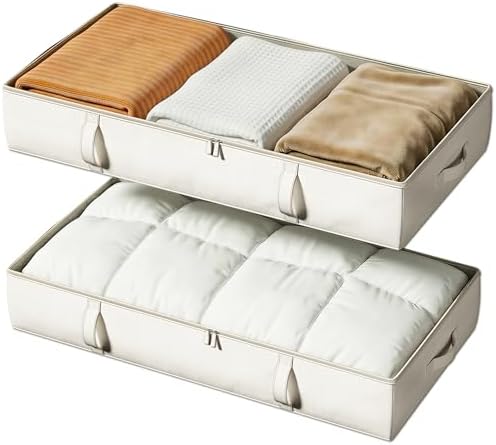
Underbed Storage Containers
Underbed bins are perfect for bulky off-season items like sweaters, coats, and jeans. They use space that would otherwise go to waste and keep clothes protected from dust.
Look for containers with:
- Zippered lids
- Clear tops or label windows
- Low-profile designs that slide easily under the bed
Wheeled versions are especially helpful if you rotate clothing often.


Vacuum Storage Bags
Vacuum-sealed bags are ideal for thick winter clothing, comforters, and puffy jackets. By removing excess air, they dramatically reduce how much space these bulky items take up.
They’re best for:
- Heavy coats
- Sweaters
- Blankets and bedding
Just make sure clothes are completely clean and dry before sealing to prevent odors or moisture damage.


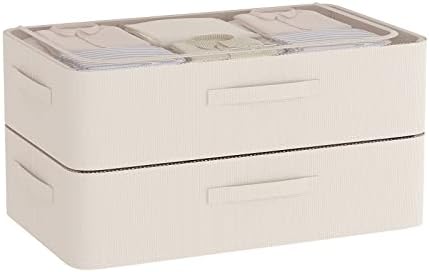
Fabric Storage Bins with Lids
For items you want to store on shelves or in closets, fabric bins with structured sides work great. They look neat, are easy to stack, and allow airflow — which is better for delicate fabrics than plastic in some cases.
Choose neutral colors for a clean look, and add labels so you don’t have to open every bin to find what you need.


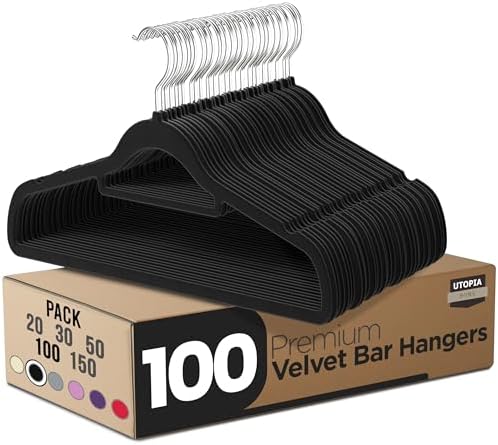
Slim, Non-Slip Hangers
When space is limited, upgrading your hangers can instantly create more room. Slim velvet hangers keep clothes from slipping and allow you to fit more items on the same rod.
They’re especially useful for:
- Blouses
- Lightweight jackets
- Dresses and shirts
Uniform hangers also make your closet look more organized with minimal effort.



Shelf Dividers
Shelf dividers help keep stacked clothing from toppling over, which is especially helpful when storing seasonal items on higher closet shelves. They create clear sections for sweaters, jeans, or accessories and prevent piles from blending together.
They’re simple, affordable, and make shelves feel custom-organized.


Garment Bags for Special Items
If you have coats, formalwear, or delicate fabrics that need hanging storage, breathable garment bags are a smart investment. They protect clothes from dust while still allowing air circulation.
Avoid plastic dry-cleaning bags for long-term storage — they can trap moisture and cause damage over time.


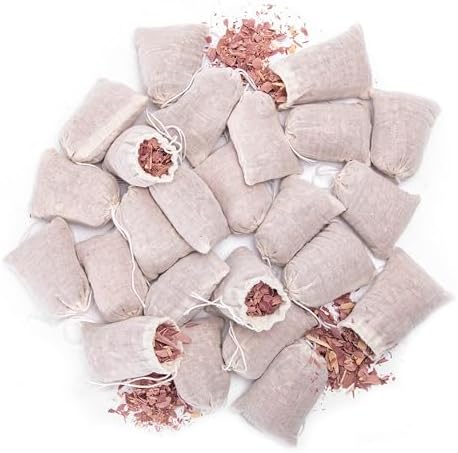
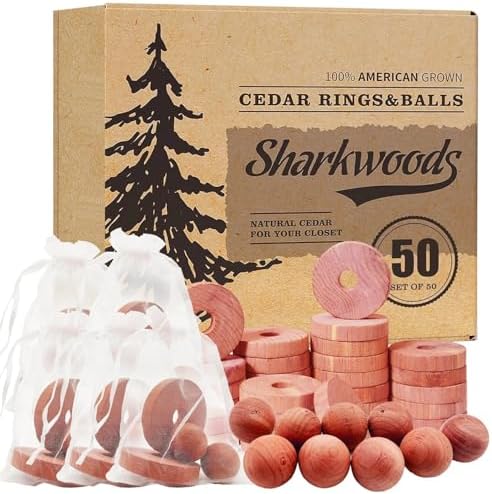
Cedar Blocks or Sachets
Cedar naturally repels moths and helps keep stored clothing smelling fresh. Small cedar blocks, rings, or sachets are easy to place inside bins or garment bags.
They’re a great alternative to strong chemical moth repellents, especially in small living spaces.


Final Thoughts
Organizing seasonal clothes without extra space isn’t about having the perfect closet — it’s about using the space you already have in a smarter way. Small changes, like rotating your wardrobe, using underbed storage, or compressing bulky items, can make a surprisingly big difference.
The key is to think in systems instead of piles. When every item has a temporary “home” during its off-season, your everyday closet feels lighter, easier to manage, and far less stressful to use. Getting dressed becomes simpler when you’re only looking at clothes that actually make sense for the weather.
Seasonal swaps are also a great chance to reset. Each rotation gives you an opportunity to let go of pieces you didn’t wear and make room for the clothes you truly love and use.
You don’t need more square footage to stay organized — just a little strategy and consistency. Over time, these small habits turn into a closet that works with your life instead of against it.
As an Amazon Associate, I earn from qualifying purchases.