
How to Organize Under the Bathroom Sink Efficiently

If there’s one place in the home that turns into a black hole for clutter, it’s under the bathroom sink. Half-used products, cleaning bottles, random travel toiletries, and things you forgot you even owned all end up crammed into that dark little cabinet. The good news? You don’t need a full renovation to fix it. You just need a smarter system.
Here’s how to turn that messy under-sink area into a space that actually works for you.
1. Empty Everything Out (Yes, Everything)
I know — pulling everything out feels like you’re creating a bigger mess before making progress. But this step is essential. You can’t organize what you can’t fully see. Take everything out from under the sink, even the stuff shoved in the very back that you haven’t touched in months.
Place items on the counter or floor and start grouping them by type: skincare, hair products, dental care, first aid, cleaning supplies, backups, and random “I’ll deal with this later” items. Seeing everything laid out is eye-opening. You’ll probably discover duplicates you forgot you bought and products you stopped using a long time ago.
With the cabinet empty, take a minute to clean the space itself. Under-sink cabinets often have water spots, dust, toothpaste drips, or residue from leaking bottles. Wipe down the base, the walls, and even the pipes if needed. Starting with a clean, fresh space makes it much more motivating to keep things organized afterward.
2. Declutter Ruthlessly
Now that you can see everything clearly, it’s time to be honest. Under-sink storage is limited and awkward, so only items you actually use or truly need should go back in.
Check expiration dates on skincare, medicine, and sunscreen. Toss anything expired. Get rid of nearly empty bottles you’ve been “saving” but never actually finish. If you haven’t used something in a year, chances are you won’t suddenly start now. Broken tools, old razors, dried-up nail polish, and worn-out sponges should go straight into the trash.
For unopened or gently used items you don’t love, consider donating them if they’re safe and accepted locally. The less clutter you return to the cabinet, the easier it will be to maintain order. Think of this step as creating breathing room — your future self will thank you every time you open the cabinet and don’t see chaos.
3. Work Around the Pipes
The plumbing under the sink is usually what makes this space so frustrating. There’s a big pipe in the middle, sometimes extra hoses, and oddly shaped gaps. Instead of trying to ignore that, use it as a guide for how you organize.
Take a good look at the layout and divide the space into zones: left side, right side, back area, and the space directly in front. Some sections will be taller, others shorter, and some narrow. Tall bottles like cleaning sprays or mouthwash can go in the higher areas, while shorter items like jars or travel-size products fit better under lower sections of pipe.
Also think about access. The front of the cabinet should be for items you use often. The back corners are better for backups or things you only grab occasionally. When you treat each part of the cabinet as its own mini storage zone, the space feels more manageable and much less like a cluttered cave.
4. Use Containers to Create Structure
Without containers, everything under the sink just turns into a pile. Bins and small organizers instantly give structure to an otherwise awkward space.
Use simple bins to group similar items together — one for hair products, one for daily skincare, one for dental care, one for backups, and maybe one for cleaning supplies. This way, instead of moving ten loose items to reach one thing, you just pull out a single bin. It’s faster, neater, and far less frustrating.
Clear containers are especially helpful because you can see what’s inside without digging. If clear isn’t your style, add small labels to the front so everyone in the household knows where things belong. These bins act like drawers inside your cabinet, turning a messy open space into an organized system that’s easy to maintain.
5. Maximize Vertical Space
One of the biggest mistakes people make under the bathroom sink is only using the floor of the cabinet. There’s usually a lot of unused vertical space just sitting there, especially around the pipes. When storage is limited, going upward instead of outward makes a huge difference.
Consider adding a small tension shelf or stackable organizer that works around the plumbing. These create a second level for shorter items like jars, cotton pads, or small bottles. Suddenly, you’ve doubled your usable space without making the cabinet feel cramped. Just make sure nothing blocks access to the shut-off valves in case of a leak.
You can also use the inside of the cabinet doors. Adhesive hooks or slim over-the-door organizers are perfect for hanging hair tools, cleaning gloves, or small baskets for items like hair ties and travel products. This keeps frequently used items easy to grab while freeing up valuable shelf space below.
When you start thinking in layers — bottom, middle, and door space — that cramped cabinet begins to feel a lot more functional.
6. Separate Everyday Items from Backups
Not everything under your sink needs to be equally accessible. Mixing daily-use items with backups is one of the fastest ways for the space to get messy again. The key is creating a clear distinction between what you use all the time and what you’re simply storing for later.
Keep everyday essentials — like your main skincare products, toothbrush supplies, or hairbrush — toward the front of the cabinet in easy-to-reach bins. These should be the items you can grab without moving anything else. If you have to dig past three bottles to wash your face, the system isn’t working.
Backups, on the other hand, can live in the back or higher sections of the cabinet. Extra toothpaste, unopened shampoo, or spare soap bars don’t need prime real estate. Storing them together in one labeled bin prevents overbuying because you can clearly see what you already have.
This separation alone makes your daily routine smoother and helps the cabinet stay organized long term.
7. Contain Small and Loose Items
Tiny items are usually the reason under-sink spaces spiral into chaos. Things like hair ties, nail clippers, sample-size products, and medicine boxes tend to slide around, fall over, and disappear into corners.
Using small containers or drawer-style organizers keeps these items from spreading everywhere. Even simple cups, jars, or repurposed containers can help group similar small items together. One container for nail care, one for first aid basics, one for travel-size toiletries — suddenly everything has a home.
This not only keeps the space looking tidy but also saves time. Instead of rummaging through a pile for tweezers or a bandage, you know exactly where to look. When small items are contained, the entire cabinet instantly feels more controlled and less overwhelming.
8. Create a Simple Maintenance Routine
Organization isn’t a one-time project — especially in a bathroom where products constantly come and go. The good news is that once your system is in place, keeping it that way doesn’t take much effort.
About once a month, take five minutes to do a quick reset. Put items back into their bins, wipe up any spills, and throw away empty containers. This prevents clutter from slowly building up again. It’s much easier to maintain order in small bursts than to redo the entire cabinet later.
Also get into the habit of checking your storage before buying new products. If you already have two unopened body washes in the backup bin, you probably don’t need another one. Being aware of what you own is one of the best ways to keep under-sink clutter under control.
With a little ongoing attention, your under-sink area can stay functional, neat, and stress-free — instead of turning back into a forgotten dumping ground.
Recommended Products to Organize Under the Bathroom Sink
You don’t need a full cabinet makeover to make the space under your bathroom sink functional. A few smart storage tools can make a big difference, especially when you’re working around pipes and tight spaces.
Stackable Under-Sink Organizers
These are perfect for creating levels inside the cabinet. Look for adjustable or U-shaped designs that work around plumbing. They instantly double your usable space and make it easier to separate categories like skincare, hair products, and cleaning supplies.


Clear Storage Bins
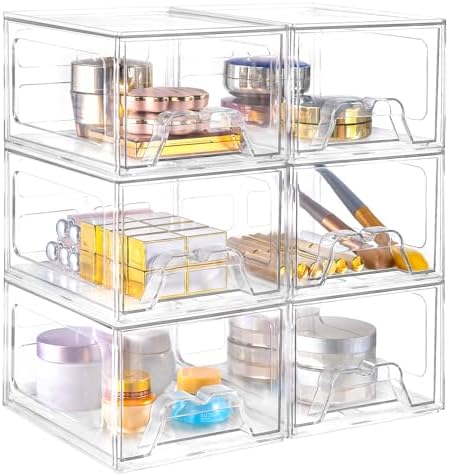
Transparent bins help you see exactly what you have without digging through clutter. They’re great for grouping similar items — one bin for dental care, another for hair products, and another for backups. Handles make them easy to pull out like drawers.


Pull-Out Cabinet Drawers
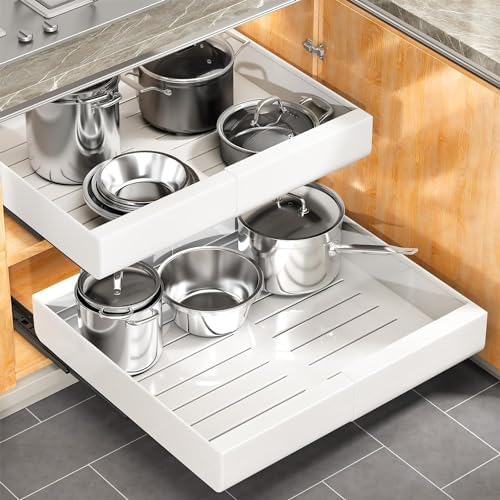
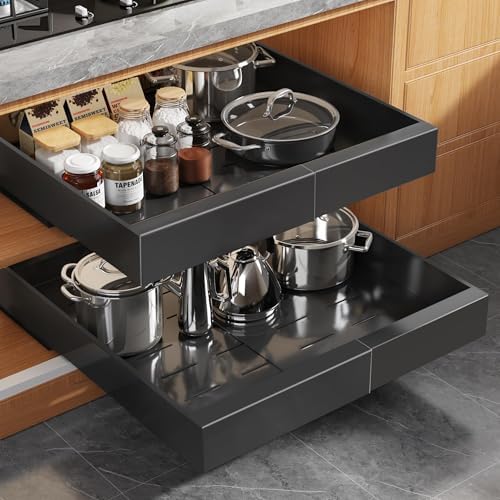
Sliding drawers are a game changer for deep or awkward cabinets. Instead of reaching blindly into the back, you can pull everything forward and see your items at a glance. They’re especially helpful for heavier bottles or cleaning products.


Adhesive Hooks or Door Organizers
The inside of cabinet doors is often wasted space. Small adhesive hooks can hold hair tools, cleaning gloves, or baskets for smaller items like razors and travel-size products. This keeps everyday essentials easy to grab.


Turntables (Lazy Susans)
A small turntable works surprisingly well under the sink, especially for bottles. With a quick spin, you can reach items in the back without knocking everything over. Choose one with raised edges to prevent things from falling off.


Label Stickers or Tags
Labels might seem like a small detail, but they make a big difference in maintaining order. When bins are clearly marked — like “Backups,” “Hair,” or “First Aid” — everyone in the household knows where things belong.


Final Thoughts
Under the bathroom sink might be small and awkward, but with the right system, it can become one of the most functional storage spots in your home. When everything has a clear place and is easy to reach, daily routines feel smoother — and you waste less time (and money) searching for things you already own.
Small space, big difference.
As an Amazon Associate, I earn from qualifying purchases.