How to Organize Without Buying More Stuff
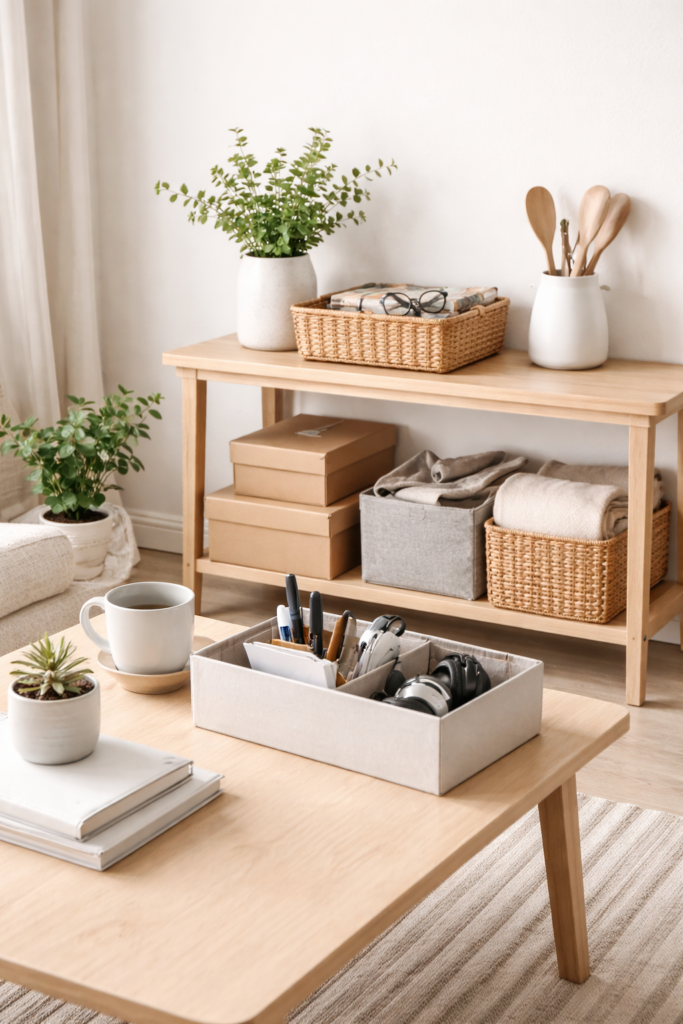
There’s a moment many of us know well. You decide you’re finally going to “get your life together,” start searching for organization tips, and within minutes it feels like you need to order half of an online store. Matching baskets, acrylic bins, drawer systems, labels, shelf risers… suddenly the solution looks expensive and oddly complicated.
It’s easy to believe that organization begins with buying tools. But more often than not, the real issue isn’t a lack of containers — it’s having too many things competing for the same limited space.
Getting organized doesn’t require more stuff. It requires better decisions about the stuff already in your home.
Start With Decluttering, Not Storage
It might not be the most exciting step, but it’s the one that changes everything. If you try to organize before decluttering, you’re essentially designing a system for excess.
And excess is heavy. Visually and mentally.
Instead of asking “Where can I store this?”, try asking “Do I even need this?”
That shift alone can feel surprisingly liberating. You’re no longer solving a storage puzzle — you’re reducing the number of pieces.
A few honest questions help cut through hesitation:
Have I used this in the last year?
Does this still serve a purpose?
Am I keeping this out of guilt or habit?
Decluttering isn’t about throwing things away recklessly. It’s about making space for what actually supports your daily life.
Your Home Already Has Organizers
Most people underestimate how many usable storage solutions are already scattered around their house.
Boxes from past deliveries
Unused kitchen containers
Extra bowls or trays
Old gift boxes
Jars and small baskets
These items may not look like “official” organizers, but functionally, they work exactly the same.
A small box can separate socks in a drawer.
A mug can hold makeup brushes.
A glass jar can store cotton pads.
A shoebox can corral cables.
And the best part? You can experiment freely. No pressure to get it perfect, no regret if something doesn’t work out.
Rearrange Before You Reinvent
Sometimes clutter builds not because you own too much, but because things live in the wrong place.
We tend to store items based on where we think they should go rather than where we naturally use them.
If you always leave your bag on a chair, maybe that chair is telling you something. If mail piles up on the counter, perhaps the system for handling it is too inconvenient.
Instead of forcing new habits, adjust your layout to match your real behavior.
Move frequently used items within easier reach.
Relocate “drop zones” closer to where they happen.
Shift awkward storage to more logical spots.
Organization becomes easier when your home works with your routines instead of against them.
Simple Grouping Creates Instant Order
You don’t need labeled bins or elaborate systems to make a space feel structured. Basic grouping already does most of the work.
When similar items live together, your brain perceives order.
All chargers in one place
All cleaning supplies together
All baking tools grouped
All documents consolidated
Even visually, the difference is noticeable. Scattered items feel chaotic. Grouped items feel intentional.
If you pair grouping with repurposed boxes or trays, the effect becomes even stronger without spending a single dollar.
The Hidden Benefit of Not Buying Anything
There’s a subtle psychological advantage to organizing with what you already own. It slows you down.
Instead of impulsively purchasing solutions, you’re forced to understand the problem first.
What actually needs organizing?
What items truly require storage?
What space limitations exist?
Ironically, this often leads to smarter, more minimal systems — the kind that stay functional long-term.
Avoid the “Perfect System” Trap
One of the biggest obstacles to getting organized is the idea that everything has to look perfect from the start. Matching containers, identical hangers, beautifully labeled jars. It’s inspiring to look at, but it can quietly create paralysis.
You end up waiting.
Waiting until you find the right products.
Waiting until you have more money.
Waiting until you have more time.
Meanwhile, the clutter stays exactly where it is.
Organization doesn’t require aesthetic perfection. A simple, imperfect system that works is infinitely better than a flawless setup that never happens. Functionality is what actually improves daily life, not visual symmetry.
Let Empty Space Exist
There’s a natural urge to fill every drawer, shelf, or corner. It feels productive, like you’re maximizing your home. But constantly packed spaces often feel stressful rather than efficient.
Empty space is not wasted space.
It’s breathing room.
Flexibility.
Visual calm.
When every surface is full, your home feels heavy. When there’s a bit of openness, everything feels lighter and easier to maintain. Good organization isn’t about fitting more — it’s about needing less.
Work With Your Habits, Not Against Them
Many organizing systems fail because they’re designed for an imaginary version of ourselves.
The version that folds laundry immediately.
The version that never drops clothes on a chair.
The version that always puts things back perfectly.
Real life is messier.
If you tend to toss clothes at the end of the day, place a hamper or hook where that actually happens. If paperwork accumulates near the entrance, create a simple landing spot there.
Organization sticks when it aligns with your natural behavior. When it fights your habits, it becomes exhausting to maintain.
Small Resets Beat Big Overhauls
It’s tempting to dedicate an entire weekend to reorganizing everything. Sometimes that works. Often, it’s overwhelming.
Tiny, consistent resets are far more sustainable.
Five minutes before bed
A quick drawer tidy
Putting items back after use
Occasional mini-decluttering
These small actions prevent chaos from building up again. They also remove the pressure of needing dramatic cleanups.
A home that stays mostly organized through light maintenance feels very different from one that swings between extremes.
Be Careful With “Just in Case” Items
“Just in case” is one of the most common reasons clutter lingers.
Just in case I need it someday.
Just in case it becomes useful.
Just in case I regret letting it go.
Some of those items genuinely make sense. Many quietly occupy space for years without ever being touched.
A helpful reframe: if something can be easily replaced or borrowed, it probably doesn’t need permanent storage in a small home.
Space has value too.
Organization Is More About Decisions Than Products
It’s easy to believe that buying organizers is the hard part. In reality, the real work is deciding:
What stays
What goes
Where things live
What deserves space
No container can make those choices for you.
Once the decisions are made, organizing becomes surprisingly straightforward — often with items you already have.
Recommended Products
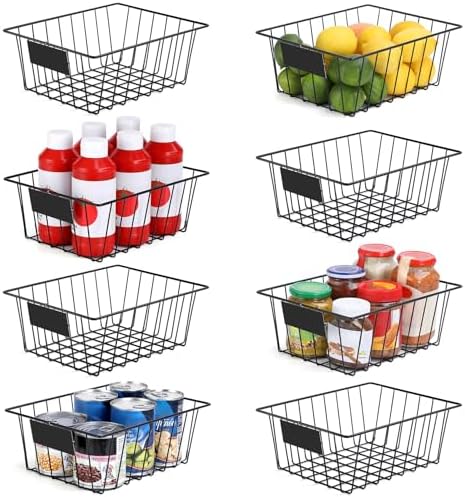
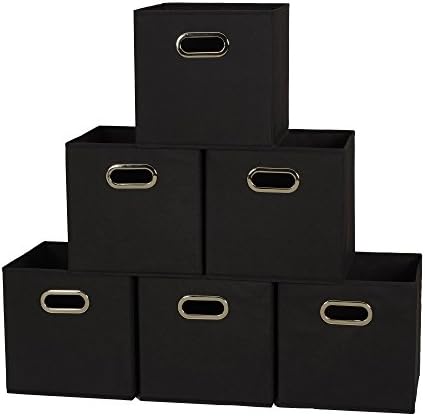
Multipurpose Storage Baskets
Simple baskets are incredibly versatile. Use them to group loose items on shelves, inside closets, or under tables. They instantly create visual order without requiring a complex system.



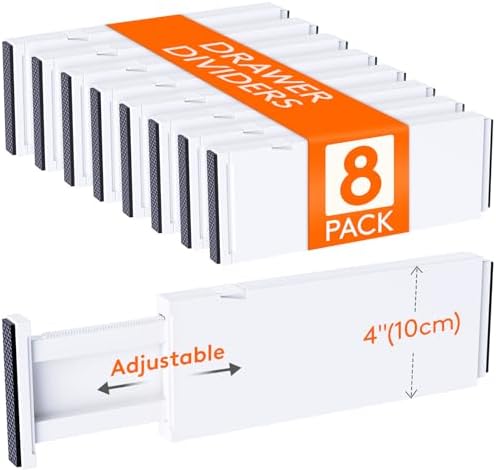
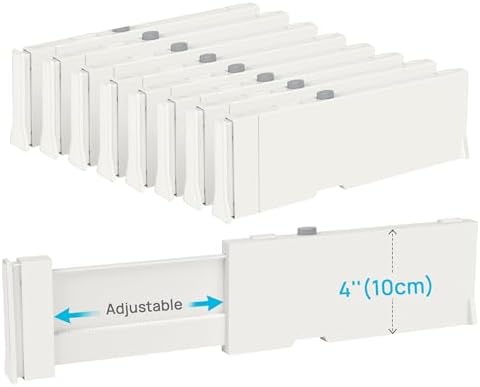
Drawer Dividers (Adjustable)
Perfect for taming messy drawers in kitchens, bathrooms, or desks. Adjustable dividers let you customize compartments instead of forcing items into fixed layouts.


Clear Stackable Containers
Helpful when you want visibility without digging through piles. Ideal for pantry items, office supplies, or small accessories.


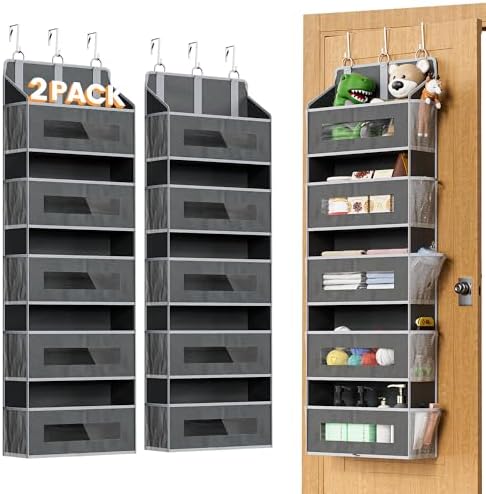
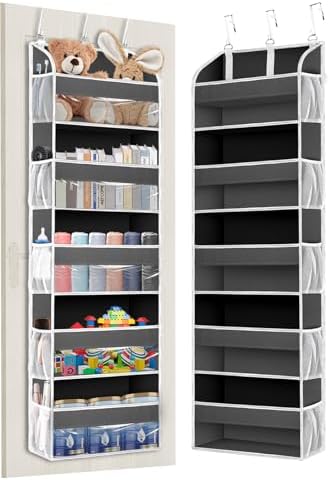
Over-the-Door Organizers
A great way to unlock hidden vertical space. Useful for shoes, cleaning products, toiletries, or miscellaneous household items.


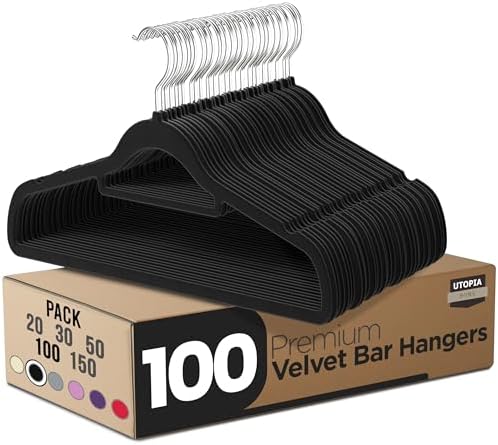
Slim Velvet Hangers
If closet space is tight, upgrading to slim hangers can free up surprising amounts of room while keeping clothes from slipping.



Label Stickers or Label Maker
Not essential, but helpful for maintaining systems long-term. Labels reduce decision fatigue and make it easier for everyone in the household to keep things organized.


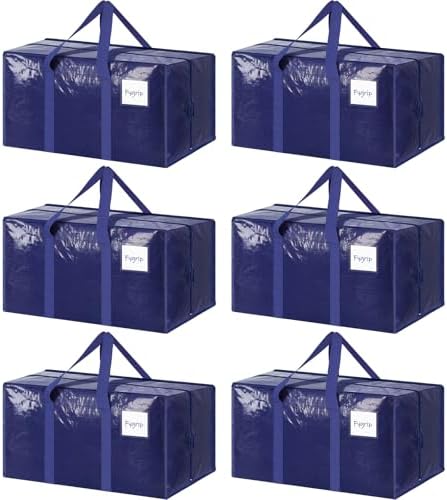
Foldable Storage Boxes
Lightweight and easy to tuck away when not in use. Great for seasonal clothing, documents, or items you don’t access daily.


Final Thoughts
Organizing without buying more stuff isn’t about doing things the “hard way.” It’s about removing the illusion that solutions live outside your home instead of inside it.
When you start with decluttering, rethink placement, and use what you already own, you often end up with systems that feel more natural, more flexible, and easier to maintain.
And maybe the best part?
You’re not adding new clutter in the name of fixing old clutter.
Because true organization isn’t created by what you buy.