How to Declutter Kitchen Counters Without Losing Functionality
Kitchen counters have a funny way of filling up without you even noticing. One day they’re clear and spacious, the next day they’re hosting a coffee maker, a blender, a cutting board, a fruit bowl, a couple of mugs, and somehow a stack of random papers.
Even when the kitchen is technically “clean,” cluttered counters can make the entire space feel smaller and more chaotic.
The encouraging part is that you don’t need a full kitchen makeover to fix this. Most of the time, it’s about being a little more intentional with what stays visible and how it’s arranged.
Start With a Full Reset
Before reorganizing, clear everything off your counters. Completely.
It might feel dramatic, but this step is incredibly helpful. When everything is removed, you’re no longer working around existing clutter — you’re seeing the space as it actually is.
A blank counter changes your perspective. Suddenly you notice how much room you really have and how certain items may have been occupying prime real estate without a good reason.
As you prepare to put things back, pause with each item.
Do I use this every day?
Does this make my routine easier?
Could this live somewhere else?
This simple questioning process prevents you from recreating the same clutter in a slightly different layout.
Not Everything Deserves Counter Space
Counters are valuable workspace, not long-term storage.
It’s easy to justify leaving appliances out “for convenience,” but many of them are used far less frequently than we think. That waffle maker you love? Probably not a daily essential. The stand mixer? Amazing, but maybe not needed front and center.
Try limiting visible items to your true everyday tools.
Coffee machine
Toaster
Kettle
Maybe one frequently used utensil holder
Everything else can usually be stored nearby without adding friction to your routine.
What surprises most people is how much calmer the kitchen feels once unnecessary items are removed. The room doesn’t just look cleaner — it feels easier to breathe in.
Create Purposeful Zones
If your counters serve multiple functions, zoning can help maintain order.
Instead of scattering items wherever they fit, assign specific areas for specific activities.
A coffee corner
A prep space
A small cooking zone near the stove
This mental structure makes clutter less likely to spread. When objects have a “home area,” you’re naturally more aware when something lands where it doesn’t belong.
Even subtle zoning makes a difference. It transforms the counter from a dumping surface into a set of intentional workspaces.
Use Trays to Contain Everyday Items
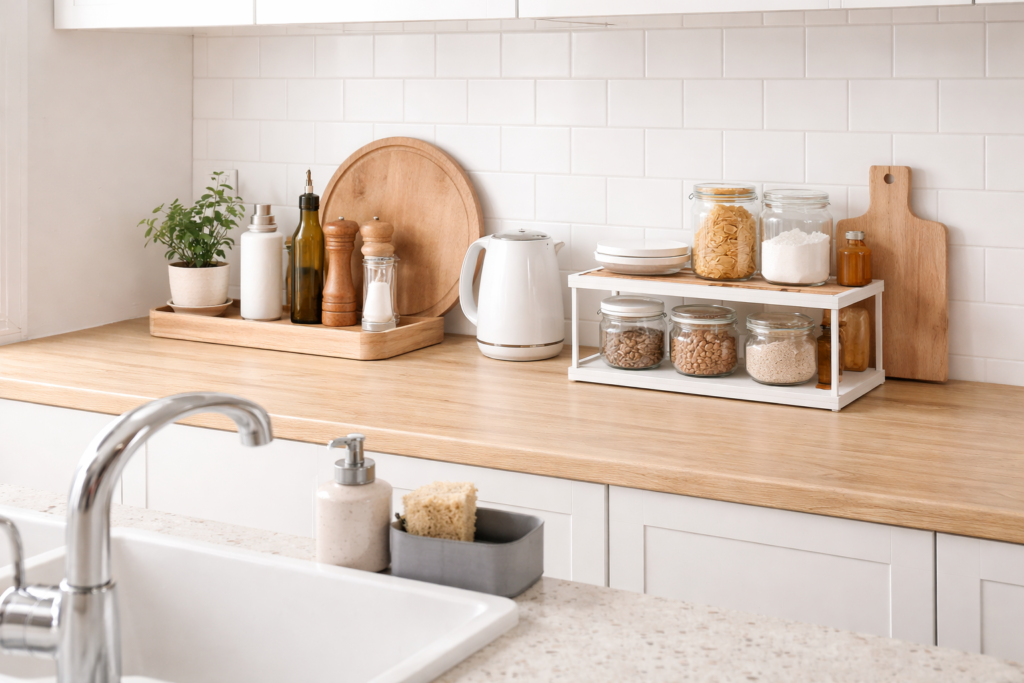
Trays are one of the simplest yet most effective counter organization tools.
Without a tray, items visually sprawl. With a tray, they instantly look grouped and deliberate.
A tray can anchor:
Coffee essentials
Oils and spices
Frequently used condiments
Small kitchen accessories
The magic of a tray is psychological as much as practical. It signals that this is a defined space, not random clutter.
And when it’s time to clean? You lift one tray instead of moving five separate objects.
Be Honest About Visual Clutter
Even useful items can create visual noise.
Too many small objects, mismatched containers, scattered tools — they all compete for attention. The counter may not be “messy,” yet it feels busy and overwhelming.
Reducing visual clutter often has more impact than reducing the number of items.
Matching containers
Neutral tones
Simplified groupings
Small aesthetic adjustments can make the same kitchen feel significantly more organized.
Because in a compact space, how things look matters almost as much as how they’re stored.
Think Vertically When Space Is Limited
When counters start feeling crowded, the instinct is usually to push things around horizontally, trying to “make them fit.” But there’s often a smarter direction to look: upward.
Vertical storage can dramatically reduce counter clutter without removing functionality. Small countertop shelves, risers, or tiered organizers allow you to stack instead of spread.
This works especially well for items that naturally group together:
Spices
Mugs
Coffee supplies
Frequently used jars
By building upward, you preserve precious prep space while keeping essentials within easy reach.
And visually, vertical arrangements often feel tidier than scattered objects.
Tame the Sink Area
The sink is one of the biggest clutter magnets in any kitchen. Dish soap, sponges, brushes, towels — necessary items that can quickly create a messy look.
The goal isn’t to hide everything, but to contain it.
A simple sink caddy or tray instantly organizes this zone. Instead of loose items floating around the sink, everything feels grouped and controlled.
Even transferring dish soap into a neutral dispenser can soften visual noise and make the counter feel less chaotic.
Small change, surprisingly big impact.
Create a “Clutter Catcher” (Yes, Really)
Let’s be honest. No matter how organized you are, things will occasionally land on the counter that don’t belong there.
Keys
Mail
Receipts
Random small items
Instead of constantly fighting this reality, work with it.
A small bowl, tray, or basket can act as a temporary landing zone. This prevents clutter from spreading across the entire counter while keeping everyday life practical.
The counter stays visually clean, and you still have a place for those in-between items.
Leave Breathing Room
A counter doesn’t need to be empty to feel organized. But it does need space.
When every inch is occupied, even neatly arranged items can make the kitchen feel cramped. Leaving small areas intentionally clear creates visual relief.
It also gives you functional workspace when you actually need it — for cooking, prepping, or even just setting something down without frustration.
Empty space is not wasted space.
In small kitchens, it’s essential.
Match Your Setup to Your Lifestyle
A kitchen that looks beautiful but doesn’t support your routine will never stay organized.
If you cook often, prioritize prep space.
If mornings are hectic, streamline your breakfast or coffee station.
If multiple people share the kitchen, keep systems simple and intuitive.
Organization should remove friction, not add rules you constantly break.
Your kitchen doesn’t need to look like a showroom. It needs to work effortlessly for your real, everyday habits.
Recommended Products
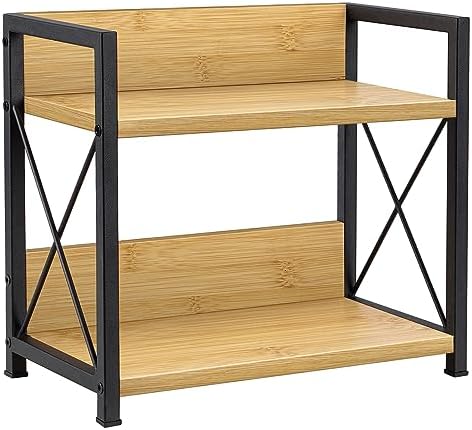
Compact Countertop Shelf
A small countertop shelf instantly creates vertical storage without drilling holes or making permanent changes. It’s perfect for stacking spices, mugs, or coffee essentials while freeing up prep space underneath. Look for a design that feels light and minimal so it doesn’t visually overwhelm the counter.



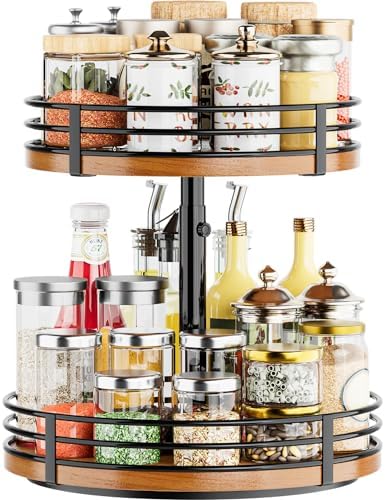
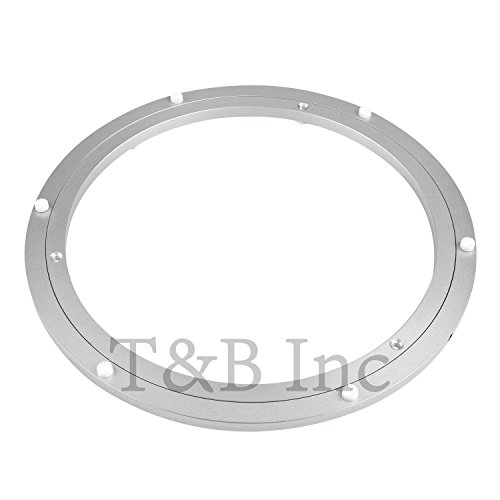
Lazy Susan Turntable
Few things are as practical as a Lazy Susan. It keeps oils, sauces, or condiments easy to access with a quick spin, preventing that cluttered “crowded corner” effect. This works especially well near the stove or inside cabinets for everyday cooking items.


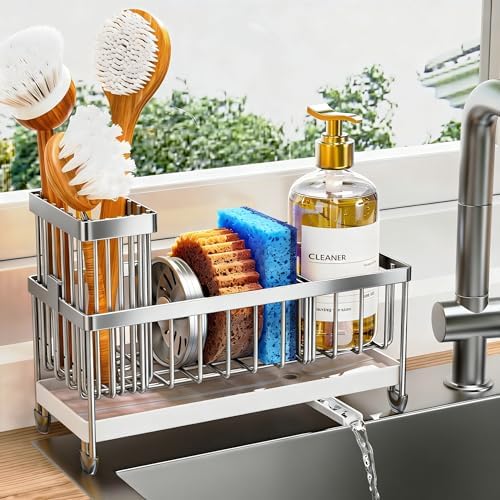
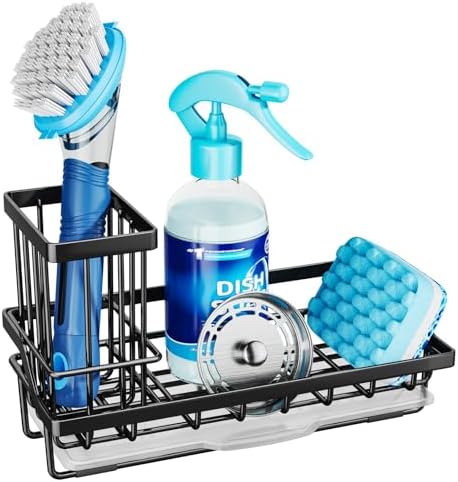
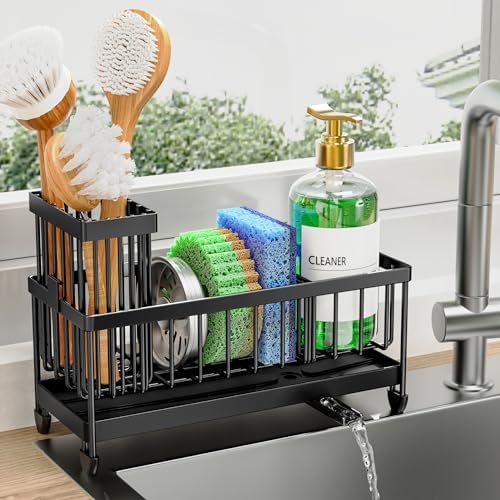
Sink Caddy Organizer
A dedicated sink caddy keeps dish soap, sponges, and brushes neatly contained instead of scattered around the faucet. Choose one with drainage to prevent water buildup and maintain a cleaner, fresher look.

Minimal Soap Dispenser
Transferring dish soap into a neutral dispenser may sound like a tiny detail, but it can dramatically reduce visual clutter. Matching finishes (white, black, glass, stainless steel) help your counter feel cohesive and calm.

![[Luxury] Kitchen Soap Dispenser Set - 16OZ Amber Glass Bottle, St...](https://m.media-amazon.com/images/I/41j-mQdrJCL._AC_.jpg)


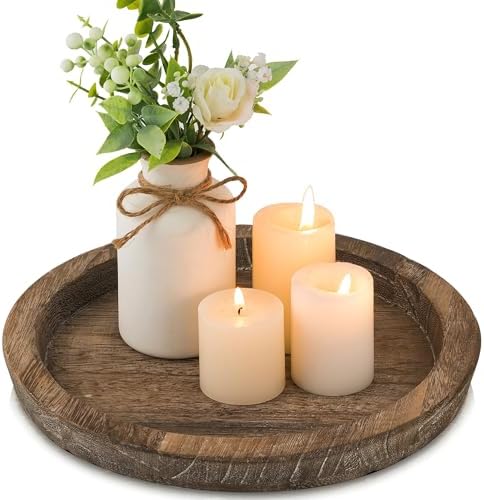
Decorative Tray
A simple tray turns loose items into a styled grouping. Whether used for coffee supplies, frequently used oils, or a “catch-all” zone, trays create boundaries that keep clutter from spreading across the counter.


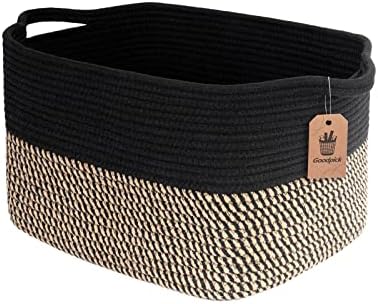
Small Storage Basket
Perfect for items that tend to float around — snacks, napkins, tea bags, or miscellaneous kitchen tools. Baskets add warmth while keeping things organized, especially in open kitchens where everything stays visible.


![[ 12 Pack ] Plastic Storage Baskets - Small Pantry Organization a...](https://m.media-amazon.com/images/I/51fFjkX0gDL._AC_.jpg)
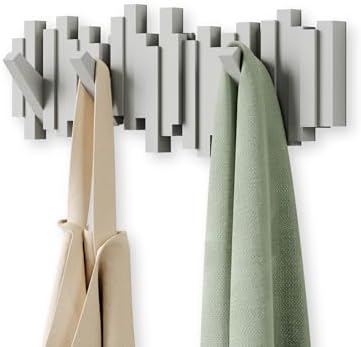
Wall-Mounted Rail or Hooks
When counter space is tight, moving utensils, towels, or mugs onto the wall can make a huge difference. A sleek rail system keeps essentials accessible while clearing valuable surface area.


Under-Cabinet Storage Rack
These hidden helpers add storage for mugs, paper towels, or small tools without taking up counter space. Ideal for maximizing small kitchens without adding bulk.


Final Thoughts
Cluttered counters don’t just affect how your kitchen looks — they affect how it feels to use. When surfaces are crowded, cooking feels harder, cleaning feels more annoying, and the space can start to feel stressful instead of inviting.
The solution isn’t extreme minimalism or expensive upgrades. It’s thoughtful editing, smart grouping, and a bit of intentional spacing.
Because when your counters feel calm, your entire kitchen feels lighter.