
Simple Closet Organization Systems That Actually Work

If your closet feels like it’s constantly one bad morning away from total chaos, you’re not alone. Most closets don’t stay messy because they’re too small — they stay messy because there’s no system in place.
The good news? You don’t need a custom walk-in or expensive built-ins to make your closet work. A few simple organization systems can completely change how your space functions (and how fast you get dressed in the morning).
Here are realistic, easy-to-maintain closet systems that actually work in real life.
The “Zones” System
One of the biggest reasons closets get messy fast is because clothes don’t have a clearly defined “home.” When everything can go anywhere, it usually ends up everywhere. The Zones System fixes that by giving every category of clothing a specific, consistent place.
Instead of thinking of your closet as one big storage space, think of it as several smaller sections with different purposes.
How to set it up in a small or standard closet:
Start by pulling everything out (yes, everything). Then group your clothes by type on your bed or floor:
- T-shirts and casual tops
- Work or dressier tops
- Jeans and casual pants
- Dress pants or skirts
- Dresses and jumpsuits
- Jackets and outerwear
Now assign each group a physical zone in your closet. For example:
- Left side of the rod → everyday tops
- Middle → pants and skirts
- Right side → dresses
- Top shelf → sweaters or folded items
- Bottom area → shoes or storage bins
The key is consistency. Once tops always go back to the same section, you stop shoving things into random gaps.
Extra tip: If you share a closet or have very little space, you can create micro-zones using hanger types (one color for work clothes, another for casual) or even small closet dividers.
Why this system works so well:
You reduce decision fatigue. Your brain no longer has to think, “Where should I put this?” — you already know. Over time, putting clothes away becomes faster, and the closet stays organized with much less effort.
The Reverse Hanger System
Decluttering can feel overwhelming because we attach memories, guilt, and “what if” scenarios to clothing. The Reverse Hanger System replaces emotion with real-life data.
This system helps you see what you actually wear, not what you think you wear.
Step-by-step setup:
- Turn all your hangers so they face backward (hook facing the opposite direction).
- Wear your clothes as you normally would.
- After washing, hang items back with the hanger facing the correct direction.
After 2–3 months (or a full season), your closet will tell a clear story. Some hangers will still be backward — meaning those pieces haven’t been touched.
What to do with untouched items:
- If you didn’t wear it during the season it’s meant for, ask yourself why.
- Is it uncomfortable? Doesn’t fit right? Hard to style?
- If there’s no strong reason to keep it, it’s probably safe to donate or sell.
Make it even more effective:
You can do a “soft deadline.” For example, anything still backward after six months goes into a donation box automatically. This removes endless re-deciding.
Why it works:
It’s honest. You’re not relying on memory or intention — you’re using real behavior. Most people are surprised to discover they regularly wear only a small percentage of their wardrobe.
The “One In, One Out” Rule
Even a perfectly organized closet will become cluttered if items keep coming in without anything leaving. The “One In, One Out” rule is a simple boundary that keeps your wardrobe at a manageable size.
It’s not about strict minimalism — it’s about balance.
How to apply it in real life:
Every time you buy or receive a new clothing item, choose one similar item to remove.
Examples:
- New pair of sneakers → donate or toss an old pair you rarely wear
- New sweater → remove an old sweater that’s stretched out or never chosen
- New jacket → say goodbye to one that doesn’t fit your style anymore
Try to match category for category. That way, you’re not removing a tank top when you bring in a winter coat.
Why this changes your shopping habits (in a good way):
You start asking yourself better questions at the store:
- Do I like this more than something I already own?
- Am I willing to give something up for this?
If the answer is no, you probably don’t need it.
Long-term benefit:
Your closet space stays stable. Instead of slowly overflowing, it stays within a limit you can realistically manage — which makes every other organization system easier to maintain.
The Shelf Basket System
Shelves seem helpful, but in reality they often turn into unstable clothing towers. You pull one shirt from the bottom and suddenly the whole stack collapses. That daily frustration usually leads to messy “just shove it back” habits.
Baskets turn open shelves into structured storage.
What baskets are perfect for:
- T-shirts
- Leggings and workout clothes
- Pajamas
- Shorts
- Scarves, hats, or small accessories
Instead of stacking items in piles, you fold them and place them vertically or loosely inside baskets. Each basket becomes its own mini drawer.
How to make it look neat and function well:
- Use similar-sized baskets for a clean visual look
- Label them if you tend to forget what goes where
- Don’t overfill — items should be easy to pull out without digging
If you have deep shelves, baskets are even more important because they help you use the full depth without losing things in the back.
Why this system works so well:
Containment prevents chaos. When you grab one item, the rest stay in place. It also reduces visual clutter, which makes your closet feel calmer and more spacious — even if you didn’t remove a single piece of clothing.
The Vertical Space System
Most closets waste a huge amount of vertical space. We naturally use the rod at eye level and maybe one shelf, while all the space above and below stays underused. The Vertical Space System helps you take advantage of the full height of your closet — especially important in small bedrooms.
Start by looking up and down, not just straight ahead.
Use the upper space (above the rod)
That top shelf is prime real estate, but it should be used intentionally — not as a random dumping zone.
Best items to store up high:
- Out-of-season clothes
- Special occasion items
- Travel bags or spare bedding
- Keepsake clothing you don’t use often
Use clear bins or labeled fabric boxes so you don’t forget what’s inside. If everything is hidden in mystery containers, you’ll never use it.
Pro tip: Store seasonal clothes in vacuum bags before placing them in bins. This saves a surprising amount of space.
Use the lower space (floor level)
The bottom of the closet is often cluttered with loose shoes. Instead, make it functional.
Options that work well:
- A small shoe rack or stackable shoe shelves
- Low bins for handbags or folded jeans
- A narrow drawer unit for accessories
If your closet rod is high enough, you can even add a second lower rod for shorter items like shirts or folded pants.
Why this system works:
You increase your usable storage without buying a bigger closet. By thinking vertically, you create layers of organization instead of crowding everything into one level.
The Drawer Divider System
Drawers can either be incredibly efficient — or complete chaos. Without structure, clothes slide around, mix together, and disappear at the bottom. Drawer dividers create clear boundaries so every item has a defined spot.
This system works especially well for:
- Underwear
- Socks
- Bras
- Belts
- Ties
- Workout gear
- Small tops or tank tops
How to set it up
First, empty the drawer and sort items by type. Then install adjustable dividers or small storage boxes inside the drawer.
Instead of stacking items on top of each other, try folding them vertically (like files in a filing cabinet). This way, you can see everything at once instead of digging through piles.
Example layout:
- Left section → socks
- Middle → underwear
- Right → bras or sports bras
For larger drawers:
- Front → frequently used items
- Back → occasional-use items
Why this system is so effective:
When everything is visible, you stop overbuying duplicates because you can actually see what you own. It also makes getting dressed faster — no more searching for a matching sock in the morning.
The Outfit Grouping System
One of the biggest hidden causes of closet clutter is decision fatigue. When you can’t easily see what goes with what, you end up pulling multiple items out — and not putting them back. The Outfit Grouping System solves that by organizing clothes in ready-to-wear combinations.
How it works
Instead of arranging everything strictly by type, you create mini outfit sections.
For example:
- Hang a blazer next to the blouse you usually wear with it
- Keep a specific skirt next to the top that matches perfectly
- Store workout tops and leggings together
You’re not merging categories — you’re just placing frequently worn combinations close to each other.
Make it even easier
You can:
- Use hanger clips to hang matching pants with a shirt
- Use slim dividers to mark “work outfits” vs “casual outfits”
- Dedicate one small section of the closet to your most-worn weekly outfits
This is especially helpful if you have a busy routine and tend to reach for the same reliable looks.
Why this system works:
You reduce friction. Getting dressed becomes faster and less stressful, which means fewer clothes end up draped over chairs or the bed. When outfits are easy to grab, they’re also easier to put away.
The Weekly Reset System
Even the best organization system falls apart without maintenance. The Weekly Reset System keeps your closet from slowly drifting back into chaos.
Think of it as a quick “closet refresh,” not a full clean-out.
What to do once a week (10–15 minutes max)
- Put away any clothes sitting on chairs or the floor
- Re-hang items that got shoved into the wrong section
- Refold messy shelf or basket items
- Return stray accessories, belts, or bags to their spots
This is also a great time to notice:
- Clothes you wore but didn’t feel good in
- Items you skipped over all week
- Pieces that need repair or cleaning
Place questionable items in a small “maybe” pile. If they stay there for weeks, it might be time to let them go.
Why this habit makes a huge difference
Small resets prevent big messes. Instead of facing a stressful, overwhelming closet overhaul every few months, you handle clutter in tiny, manageable sessions.
It also keeps your systems working. Zones stay clear, baskets stay tidy, and outfit groupings remain visible.
Recommended Products to Make Closet Organization Easier
You don’t need a ton of fancy tools to organize your closet, but a few smart products can make your systems work much better — and stay that way.
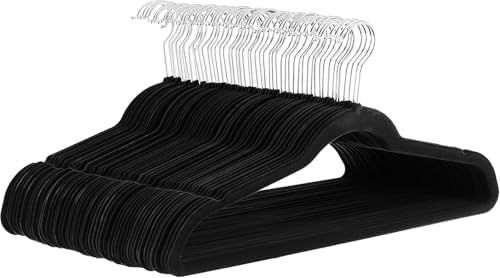
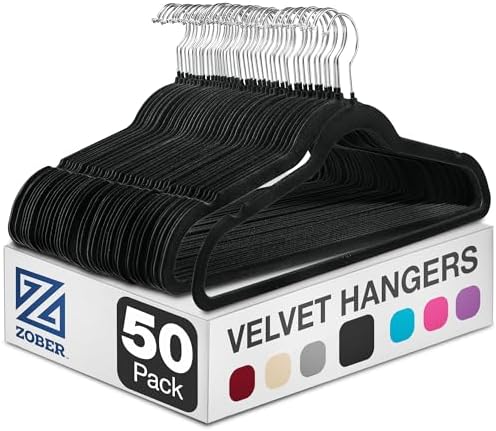
Slim Velvet Hangers
These are a game changer for small closets. They take up less space than bulky plastic or wooden hangers and prevent clothes from slipping off. Using matching slim hangers instantly makes your closet look neater and creates extra hanging room.


Hanging Shelf Organizer
A hanging fabric shelf that attaches to your closet rod is perfect for sweaters, jeans, or handbags. It adds vertical storage without requiring any installation, which is great for renters or small apartments.


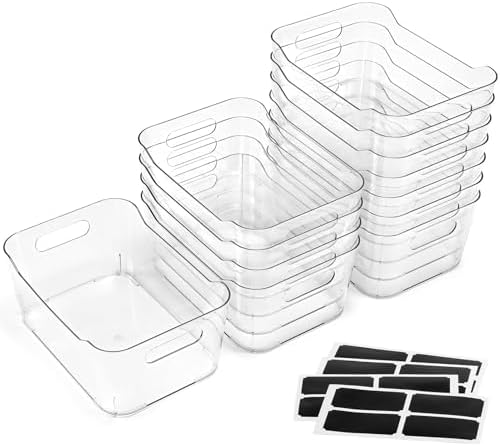
Clear Storage Bins with Labels
Clear bins help you see what you own at a glance, especially for items stored on high shelves. Use them for seasonal clothing, accessories, or less frequently worn pieces. Labels make it even easier to stay organized long term.


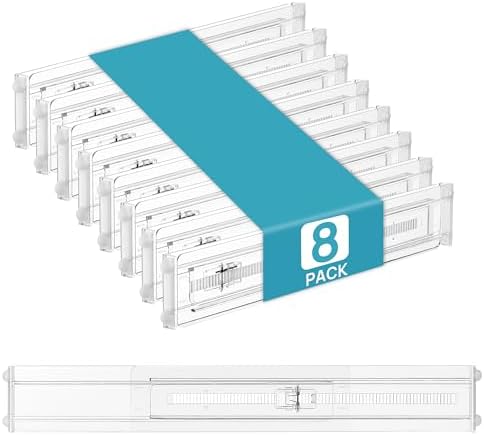
Drawer Dividers
Adjustable dividers turn messy drawers into structured storage. They’re ideal for socks, underwear, workout gear, and small clothing items that usually get mixed together.



Over-the-Door Organizer
The back of your closet door is valuable storage space. An over-the-door organizer with pockets can hold shoes, accessories, scarves, or even folded t-shirts if shelf space is limited.


Shelf Dividers
If you have stacked clothes on shelves, shelf dividers help keep piles from toppling over. They create clean sections for jeans, sweaters, or bags and make everything easier to grab without disturbing the rest.


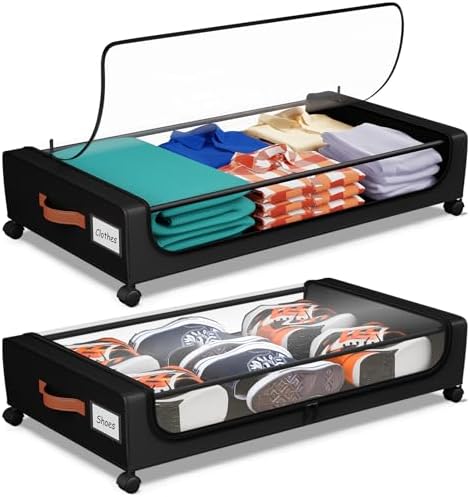
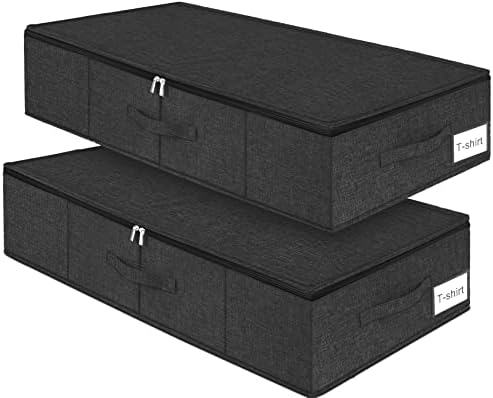
Under-Bed Storage Containers
If your closet is extremely small, off-season or rarely used items can be stored under the bed. Choose low-profile containers with lids to keep clothes dust-free and easy to slide in and out.


Final Thoughts
Closet organization isn’t about perfection — it’s about creating systems that are simple enough to maintain when life gets busy.
You don’t need a bigger closet. You need:
- Clear categories
- Limits on how much you keep
- Smart use of vertical and hidden space
Start with just one or two of these systems, and you’ll notice your closet feels less stressful, more functional, and way easier to keep under control.
As an Amazon Associate, I earn from qualifying purchases.