
Closet Organization Made Simple: Systems You’ll Actually Maintain
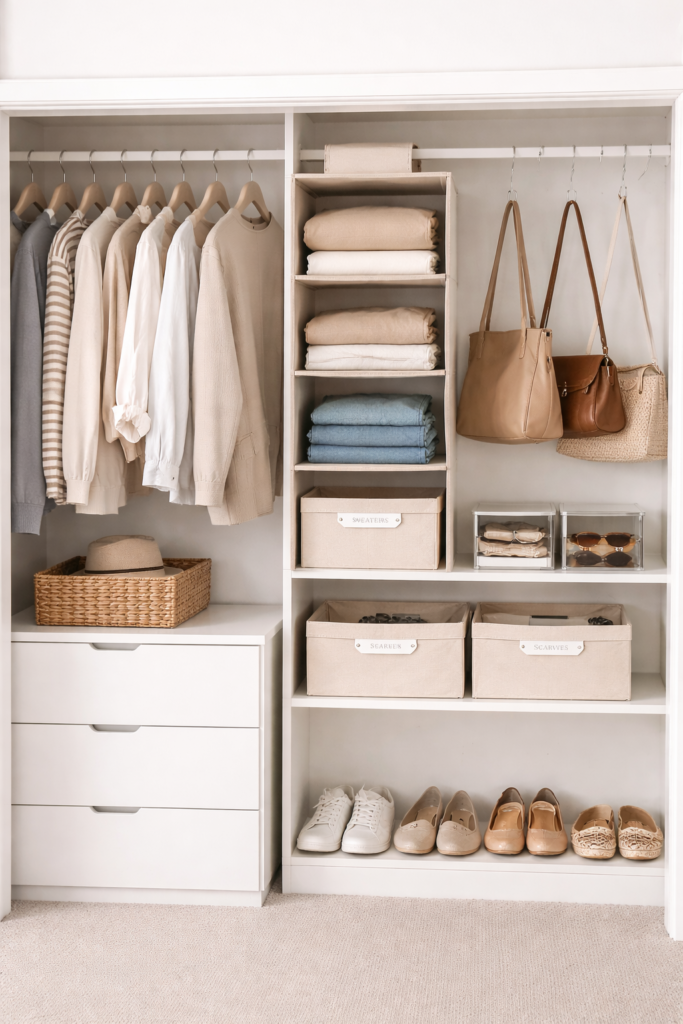
If you’ve ever cleaned your closet only to find it messy again two weeks later, you’re not alone. Most closet “systems” fail for one simple reason: they look great in photos but don’t match real life. The goal isn’t perfection — it’s creating something easy enough that you’ll actually stick with it.
A functional closet system doesn’t have to be expensive or complicated. In fact, the simpler it is, the better it usually works. When your setup feels natural, staying organized becomes almost automatic.
Start With What You Actually Wear
Before you start rearranging hangers or dreaming about matching storage boxes, pause for a second. Open your closet and ask yourself a very honest question: What do I really wear?
We all have those pieces we think we’ll wear someday. The jeans that almost fit. The shirt that might work for a “special occasion.” The jacket we forgot existed. A cluttered closet is often just a collection of delayed decisions.
Pulling everything out may feel dramatic, but it’s surprisingly clarifying. Suddenly, duplicates appear. Forgotten clothes resurface. And you start noticing patterns — like owning five similar black tops but only wearing one.
Instead of rushing, sort slowly. Keep a “definitely wear,” a “sometimes,” and a “rarely/never” pile. You don’t need to make extreme decisions, just realistic ones. Your closet should reflect your current lifestyle, not a past version of you or an imaginary future.
Create Zones That Match Your Routine
Most people organize by category because that’s what they’ve been told to do. But an even smarter approach is organizing by how you get dressed.
Think about your mornings. Are they rushed? Calm? Do you dress for work, school, the gym, or mostly casual days? Your closet layout should support those moments.
For example, everyday essentials should be the easiest to reach. Not buried behind formal wear. Not squeezed into awkward corners. If you constantly dig for your favorite hoodie or jeans, your system is working against you.
Try grouping clothes into practical zones like:
- Daily go-to outfits
- Work or school clothes
- Weekend / casual wear
- Dressy or occasional pieces
This way, you’re not just storing clothes — you’re designing a flow. Getting dressed becomes smoother, faster, less frustrating.
Visibility Changes Everything
One of the biggest causes of closet chaos is poor visibility. When you can’t clearly see what you own, you forget items, buy duplicates, or keep wearing the same few pieces while others collect dust.
A good system reduces visual noise without hiding everything away.
Avoid overcrowding hangers. Give clothes breathing room. Rotate seasonal items so your closet isn’t fighting against bulky coats in summer or light fabrics in winter.
Even small adjustments help. Matching hangers instantly create visual calm. Clear bins prevent the “mystery box” problem. Open shelves work better than deep stacks where clothes disappear.
If you can see it, you’ll use it. If you use it, your closet stays functional.
Stop Organizing for Your Fantasy Self
This is where many systems quietly fail.
We organize for the ultra-disciplined version of ourselves. The person who folds everything perfectly. Who always returns items to the exact spot. Who never tosses clothes on a chair.
But real life is messy. Some days you’re tired. Some mornings you’re late. Some weeks you just don’t care.
Build a system for the real you.
If you hate folding, hang more. If you tend to drop clothes, add a stylish basket for “worn but not dirty.” If you struggle with decision fatigue, pre-group outfit combinations.
Closet organization isn’t about forcing new behaviors. It’s about supporting existing ones in a smarter way.
Because the systems that actually work aren’t the most beautiful.
They’re the most forgiving.
Make Maintenance Effortless
An organized closet isn’t built during a single weekend cleaning spree. It survives in the tiny, boring, everyday moments. The difference between a closet that stays tidy and one that slowly unravels usually comes down to how easy it is to maintain.
If putting something away feels annoying, you’ll avoid doing it. It’s that simple.
Clothes should return to the closet without effort. Hangers should slide easily. Drawers shouldn’t feel like a game of Tetris. Shelves shouldn’t require re-folding an entire stack just to place one shirt.
Think friction, not aesthetics.
Leave a little empty space. It’s not “wasted.” It’s breathing room that allows life to happen without instantly creating chaos. A slightly underfilled closet is dramatically easier to keep organized than a perfectly packed one.
And don’t underestimate the power of a quick reset. One minute at night. Straighten a few hangers. Toss stray items back into their zones. Small habits prevent big messes.
Use Simple Rules Instead of Complex Systems
Elaborate folding methods and intricate categorization schemes look impressive, but they rarely last. Real systems thrive on clarity and simplicity.
Try adopting a few low-effort rules:
If it’s worn, it goes here.
If it’s clean, it goes back.
If it doesn’t fit, it leaves the closet.
If I didn’t wear it this season, reconsider.
Rules remove decision fatigue. Instead of asking “Where should this go?” every time, you already know.
Your brain loves shortcuts. Give it some.
You can even create visual cues. A specific section for frequently worn clothes. A basket for loungewear. A shelf for accessories. When everything has an obvious “home,” tidiness becomes the default instead of the exception.
Rethink Folding vs Hanging
There’s no universal right answer here, only what works best for your space and habits.
Hanging is great for visibility. You see everything at once. Clothes wrinkle less. Getting dressed is faster. But hanging consumes rod space quickly.
Folding saves vertical space but introduces stacking problems. Items at the bottom vanish. Piles collapse. Maintenance becomes annoying.
The smartest closets mix both intentionally.
Hang items you wear often or need to see clearly. Fold bulky pieces, workout clothes, or items that stack well. Store rarely used pieces higher or deeper.
The goal isn’t symmetry. It’s efficiency.
If you constantly pull something out and disturb five other items, your storage method needs adjusting.
Plan for Realistic Capacity
One hidden truth about closets: most people simply own more than their space can comfortably handle.
No system can fix overcrowding.
When rods are jammed, drawers overstuffed, and shelves overflowing, organization turns into constant damage control. Things wrinkle, fall, hide, and frustrate.
A functional closet has margins.
You should be able to add a new item without triggering a full rearrangement. You should be able to grab clothes without disturbing half the wardrobe.
If that’s not happening, the issue may not be your system — it may be volume.
Editing your wardrobe is often the most powerful “organization hack” available.
Let Your Closet Evolve
Life changes. Jobs change. Styles change. Seasons change.
Your closet should too.
What worked last year might feel clumsy now. Maybe you work from home. Maybe your wardrobe became more casual. Maybe you moved into a smaller space. Maybe your preferences shifted.
Closet systems aren’t permanent installations. They’re living setups.
Adjust zones. Rebalance space. Remove what’s no longer relevant. Add solutions only when friction appears.
Organization isn’t a finish line. It’s a rhythm.
And once your closet feels aligned with your real life, something interesting happens.
You stop “managing” it.
You simply use it.
Recommended Products
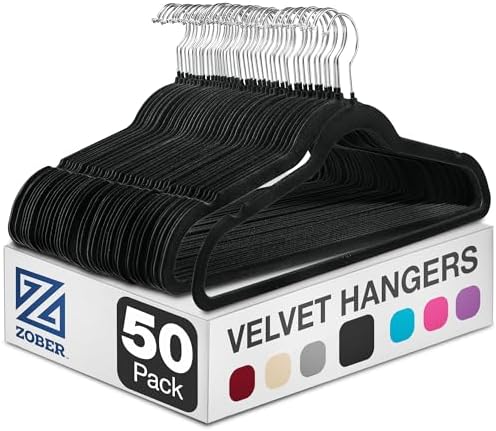
Slim Velvet Hangers
A simple upgrade that instantly creates more hanging space. Their thin profile prevents bulky crowding, and the non-slip surface keeps clothes from sliding off.



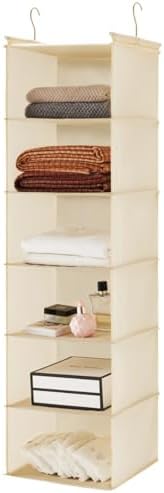
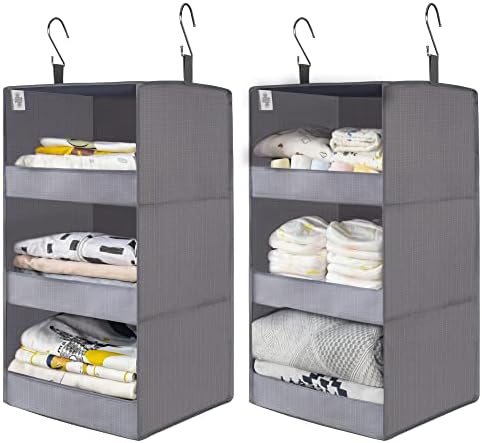
Hanging Shelf Organizer
Perfect for sweaters, jeans, or handbags. It adds vertical storage without requiring tools or permanent installation.


Drawer Dividers (Adjustable)
Ideal for separating underwear, accessories, or smaller garments. They turn chaotic drawers into clearly defined compartments.


Clear Storage Bins
Great for items you don’t use daily. Visibility reduces the “out of sight, out of mind” problem and keeps everything easy to find.


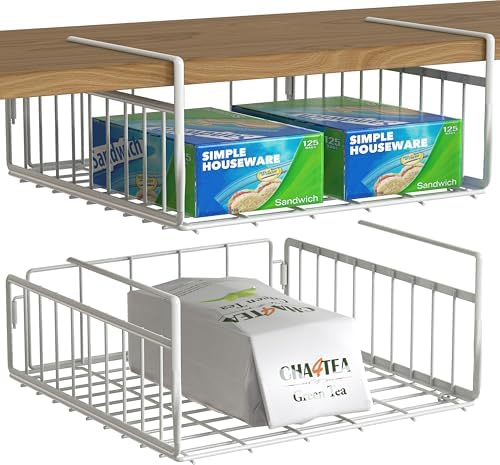
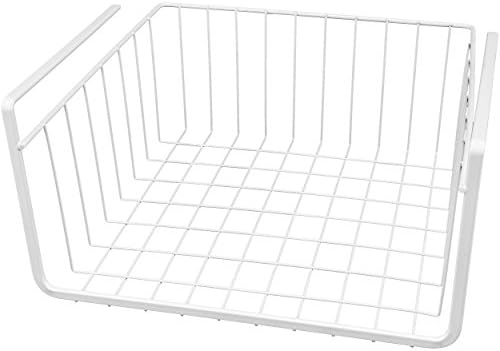
Under-Shelf Baskets
An easy way to use wasted shelf space. These slide on without installation and work well for folded clothes or accessories.


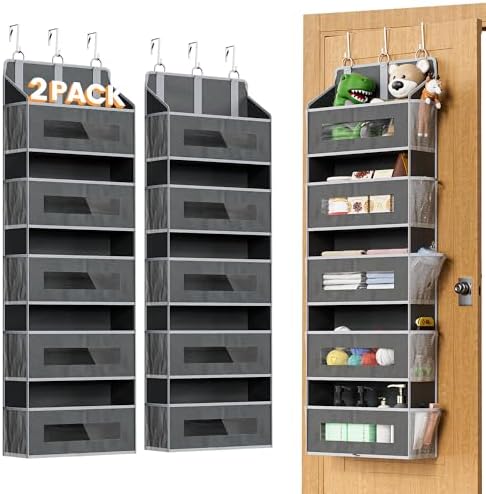
Over-the-Door Organizer
A smart solution for shoes, bags, or miscellaneous items. It unlocks hidden storage without taking up rod or drawer space.


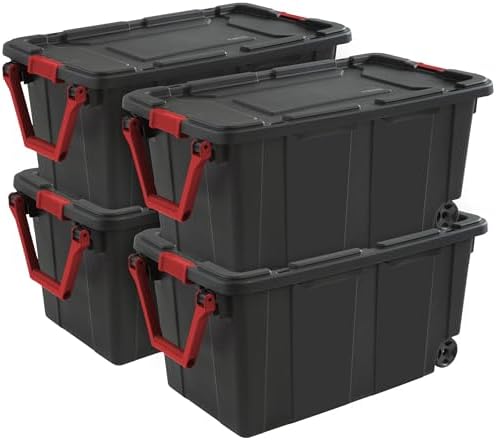
Storage Boxes With Lids
Helpful for seasonal clothing or rarely used pieces. They protect items from dust while keeping the closet visually clean.


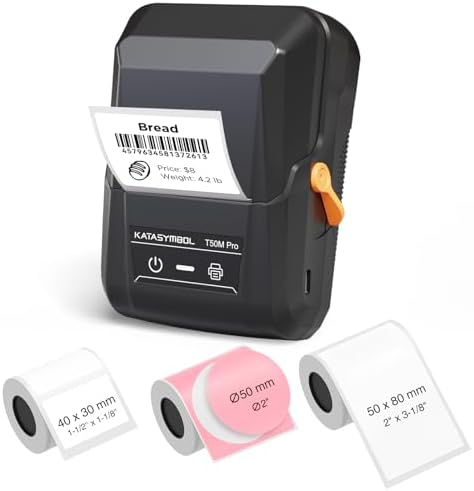
Label Stickers or Label Maker
Optional but surprisingly effective. Labels help maintain order and make it easier for anyone sharing the closet to follow the system.



Final Thoughts
A closet system doesn’t need to be complicated to be effective. In fact, the setups that last the longest are usually the ones that feel almost boring in their simplicity. When everything has a clear place and your layout matches your daily routine, staying organized stops feeling like a chore.
Remember, the goal isn’t a picture-perfect closet. It’s a closet that makes your mornings easier, your clothes easier to find, and your space easier to live with. Small adjustments — better hangers, clearer zones, a bit of breathing room — often create the biggest improvements.
And if things drift out of order? That’s normal. Life happens. The beauty of a simple system is that it’s easy to reset.
Organization isn’t about being perfect. It’s about making your space work for you.