
Small Apartment Storage Mistakes to Avoid
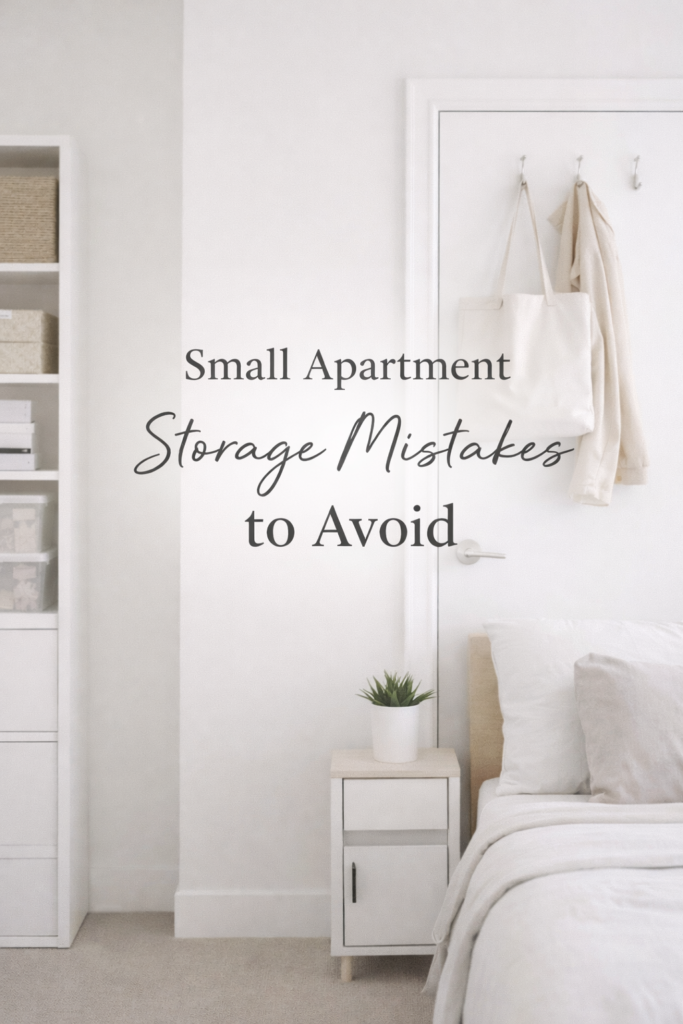
Living in a small apartment has a way of exposing your habits.
If you tend to hold onto things “just in case,” you’ll feel it quickly. If you’re used to stuffing items into random drawers and closing them out of sight, you’ll notice that trick stops working. In a compact space, there’s nowhere for clutter to hide for long.
The truth is, small apartments aren’t hard because they’re small. They’re hard because every decision shows.
A few smart choices can make the space feel calm and intentional. A few careless ones can make it feel cramped, no matter how stylish the decor is.
Mistake #1: Buying Storage Before Decluttering
This is probably the most common trap.
You look around and think, “I just need more organizers.” So you buy bins, baskets, drawer inserts, maybe even a new cabinet. For a few days, it feels like progress.
But if you never reduced the number of items in the first place, you’ve simply contained the clutter. You haven’t solved it.
In a small apartment, storage should come after editing — not before.
Take everything out of the overstuffed drawer. Lay it on the table. Be honest about what you actually use. What you reach for weekly. What hasn’t been touched in months.
When the volume decreases, you often realize you need far fewer containers than you thought.
Storage works best when it supports simplicity, not excess.
Mistake #2: Ignoring Vertical Space
Many people treat the floor as the only storage option.
They add more cabinets at ground level. More small tables. More baskets sitting in corners. Slowly, the apartment starts to feel heavy and crowded.
But in a small space, your walls are valuable.
Tall bookcases draw the eye upward and create the illusion of height. Floating shelves free up floor space. Hooks can replace bulky entryway furniture. Even wall-mounted nightstands can make a bedroom feel larger.
When you shift storage upward instead of outward, rooms feel lighter.
It’s not about filling every wall. It’s about being strategic. A few well-placed vertical solutions can dramatically change how spacious your apartment feels.
Mistake #3: Overfilling Every Available Inch
When space is limited, the instinct is to use all of it.
Every shelf packed. Every cabinet full. Boxes stacked tightly with no gap between them.
It feels efficient — but it creates daily friction.
If you have to move multiple items just to grab one, the system isn’t working. If drawers barely close, you’ll avoid putting things away properly. If shelves look crammed, the entire room feels smaller.
Empty space inside a cabinet is not wasted. It’s what makes the cabinet usable.
In a small apartment, ease of access matters more than maximizing capacity. When things have breathing room, your routines feel smoother.
And that smoothness makes the apartment feel more manageable overall.
Mistake #4: Using Bulky Furniture in Tight Rooms
In a small apartment, proportions matter more than you think.
A dresser might technically fit against the wall, but if it dominates the room visually, the entire space feels compressed. Thick frames, heavy wood finishes, oversized armrests — these details add visual weight.
When too many heavy pieces sit in one room, the space starts to feel crowded even if it’s clean.
Opting for slimmer furniture with exposed legs can subtly open things up. Pieces that allow light to pass underneath create a sense of airiness. It’s not about sacrificing storage — it’s about choosing storage that doesn’t overwhelm the room.
Sometimes replacing one bulky item does more for your apartment than adding three new organizers.
Mistake #5: Not Defining Storage Zones
Clutter spreads when boundaries are unclear.
If there isn’t a designated place for everyday items, they’ll land wherever it’s convenient. Shoes by the couch. Mail on the kitchen counter. Bags draped over dining chairs.
Over time, surfaces become default storage areas.
Even in a studio apartment, zones matter. A small tray near the door for keys. A specific shelf for work supplies. A basket for blankets in the living area.
When items have a defined home, they’re less likely to wander.
And when you return things to the same place consistently, the apartment feels predictable in a good way. You’re not searching for your charger every morning. You’re not clearing a pile before sitting down to eat.
Small spaces function better when every category has a clear destination.
Mistake #6: Hiding Everything in Opaque Bins
Closed storage looks tidy at first glance.
Matching boxes. Identical baskets. A perfectly uniform cabinet.
But if you can’t remember what’s inside, you’ll either forget to use it or buy duplicates.
In small apartments, forgotten items are expensive in terms of space. They sit there quietly, taking up room while you assume you need more.
If you prefer opaque containers, label them clearly. If you access something often, consider semi-open storage so you can see it at a glance.
Visibility creates awareness. Awareness prevents overaccumulation.
Mistake #7: Holding Onto a “Someday” Lifestyle
This one is more emotional than practical.
Many people store items for a future version of themselves. Equipment for hobbies they haven’t started. Extra serving ware for gatherings they rarely host. Clothes that belong to a different routine.
In a larger home, you can sometimes afford that buffer. In a small apartment, every “someday” item competes with your present life.
Ask yourself: does this support how I live right now?
If not, it may be taking up space that could be used more intentionally.
Letting go doesn’t mean giving up on growth. It means making room for what fits your current reality.
Recommended Products
Slim Vertical Bookcase
A tall, narrow bookcase is ideal for small apartments because it maximizes vertical space without taking up much floor area. Use it for books, decorative boxes, or storage bins to keep everyday items organized while drawing the eye upward.


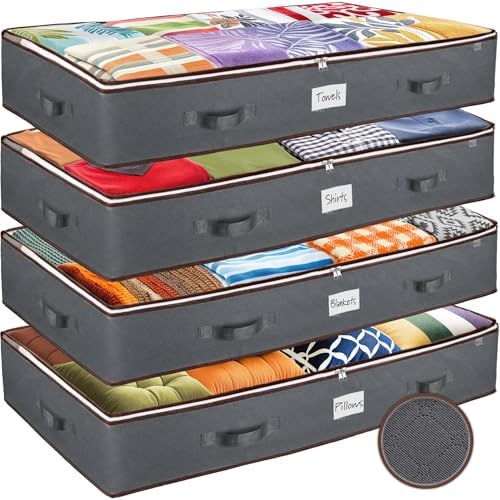
Under-Bed Storage Containers
The space under your bed is often underused. Low-profile storage containers with wheels make it easy to store off-season clothing, extra bedding, or rarely used items without cluttering closets.


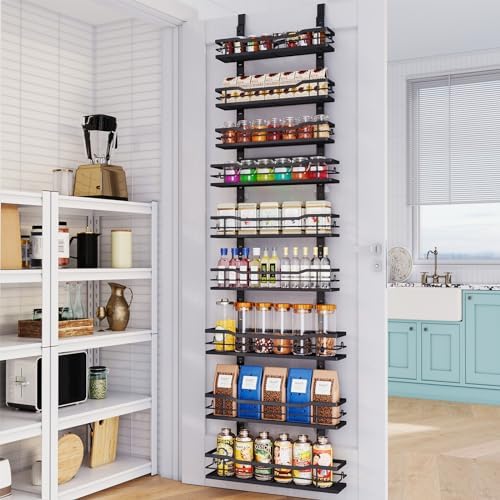
Over-the-Door Organizer
An over-the-door organizer can instantly create storage in bedrooms, bathrooms, or even kitchens. It’s perfect for shoes, cleaning supplies, accessories, or pantry items in tight layouts.


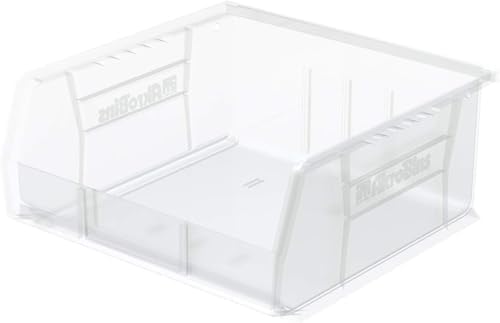
Stackable Clear Storage Bins
Clear bins help you see what you own while keeping categories contained. Stackable designs make better use of cabinet or closet height and prevent items from spreading across shelves.


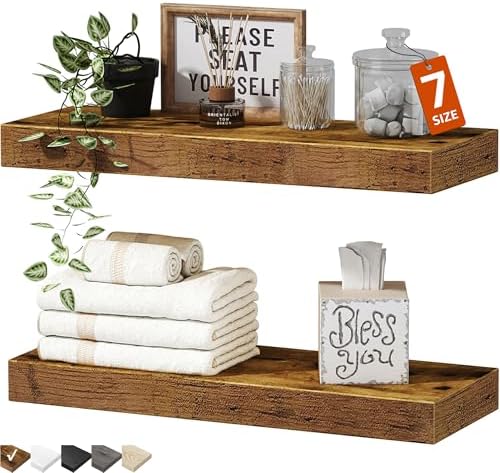
Wall-Mounted Floating Shelves
Floating shelves add storage without adding bulk. They work well in living rooms, kitchens, or bedrooms for displaying frequently used items while keeping floors open.


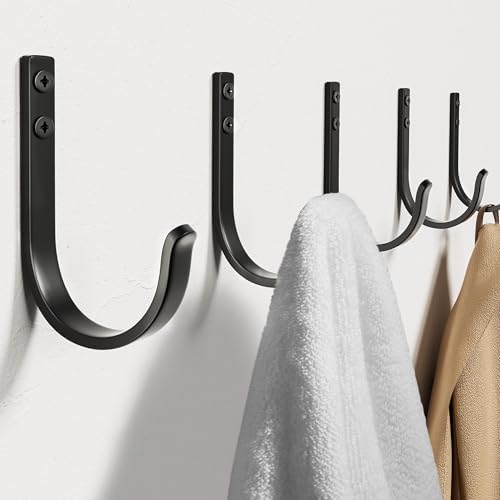
Entryway Wall Hooks
Instead of bulky entry furniture, install sturdy wall hooks for bags, jackets, and hats. This keeps everyday essentials accessible without sacrificing valuable square footage.



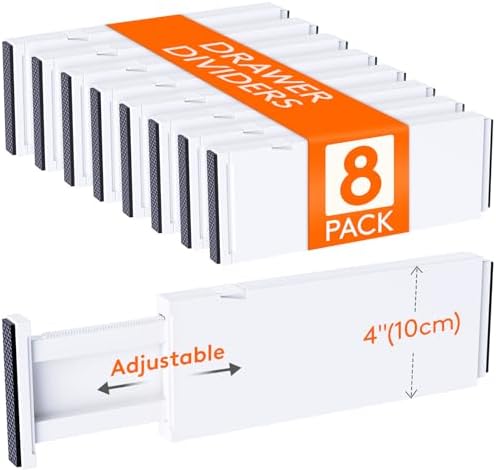
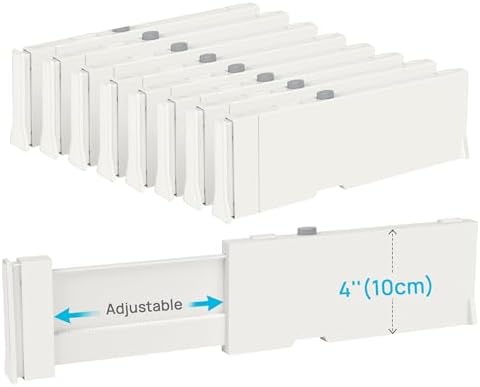
Drawer Dividers
Drawer dividers prevent small items from mixing together and turning into clutter. They’re especially useful for kitchen utensils, office supplies, or bedroom essentials in compact spaces.


Slim Rolling Storage Cart
A narrow rolling cart can slide into tight gaps between furniture or appliances. It’s ideal for storing pantry goods, toiletries, or cleaning supplies in apartments where every inch counts.


Final Thoughts
Small apartment living isn’t about squeezing more in. It’s about being selective.
When furniture fits the scale of the room, when storage is defined and visible, when you resist the urge to overfill every corner — the space starts to breathe.
And when your space feels like it can breathe, so can you.
You don’t need more square footage to feel organized.
You need fewer storage mistakes — and better decisions about what truly deserves a place in your home.