
Smart Organization Ideas for Small Living Rooms
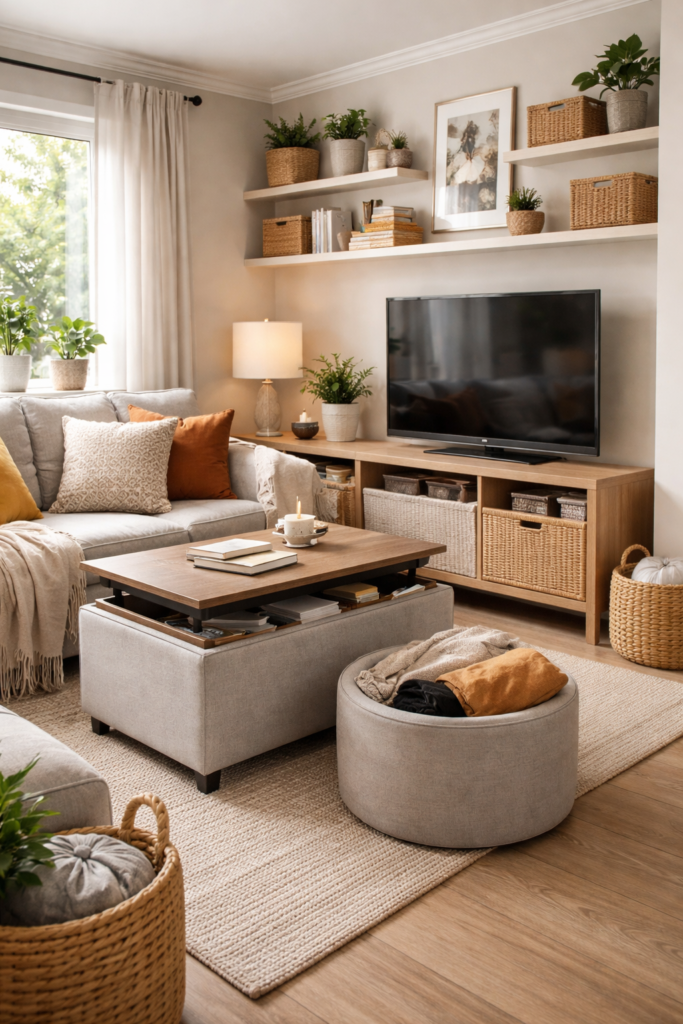
A small living room can feel cozy… or completely overwhelming. The difference usually comes down to one thing: how well the space is organized. When every item has a place and furniture works a little harder, even the tiniest living room can feel open, calm, and functional.
Here are smart, realistic organization ideas that actually make a difference.
Choose Furniture That Doubles as Storage
In a small living room, furniture can’t just look good — it has to work hard behind the scenes. Pieces that secretly store your stuff are the difference between a calm space and constant visual clutter.
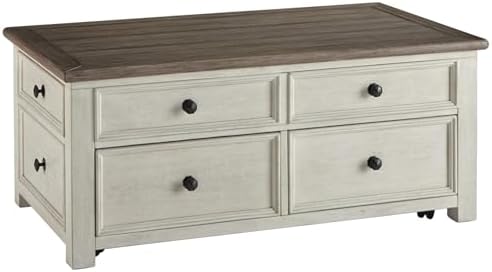
Start with the coffee table, since it’s usually right in the center of everything. A lift-top coffee table is especially useful because it can double as a casual desk or dining spot, while hiding items inside. You can store things you use often but don’t want on display — remote controls, charging cables, notebooks, coasters, or even a small board game. That way, the surface stays clear, but everything is still within reach.
Storage ottomans are another small-space hero. They can hold bulky but necessary items like throw blankets, seasonal pillow covers, or kids’ toys. If you ever have guests over, they also work as extra seating without adding permanent chairs that crowd the room. Benches with hidden storage along a wall or under a window can serve the same purpose while adding a cozy touch.
Don’t overlook side tables and consoles. Many slim side tables now come with drawers or a bottom shelf. A small basket on that shelf can hide things like headphones, chargers, or random living-room clutter that usually floats around with no home. The goal is simple: reduce what’s visible without reducing what’s accessible.
Use Vertical Space (Not Just Floor Space)
When you can’t spread out, you have to build up. Vertical storage is one of the smartest ways to organize a small living room without making it feel stuffed.
Floating shelves are perfect because they add storage without the visual weight of bulky furniture. Install them above the sofa, around the TV, or in corners that would otherwise go unused. Use them for a mix of practical and decorative items — baskets for small clutter, books, plants, and a few framed photos. This keeps important items off tables while still making the room feel personal.
Tall, narrow bookcases are better than wide, low ones in small spaces. They use the room’s height instead of eating up precious floor area. You can store a surprising amount in a vertical unit, especially if you mix open shelves (for décor) with baskets or bins (for hidden storage).
Walls can also handle more than just shelves. Wall hooks or pegs near the edge of the living room can hold bags, light jackets, or even headphones. This prevents chairs and sofas from turning into “temporary” drop zones that quickly become permanent clutter spots.
By drawing the eye upward, vertical storage also makes ceilings feel higher and the room feel larger overall — it’s organization and a visual trick in one.
Contain Small Items with Baskets and Boxes
Small items are the biggest source of mess in a living room. They don’t seem like much individually, but together they create constant visual noise.
Baskets and boxes solve this by giving those items a defined home. Instead of chargers on the table, mail on the counter, and random objects on the TV stand, everything gets grouped and contained. A medium basket on a shelf can hold electronics and cords. A smaller one near the sofa can be for remotes and everyday items. If your living room doubles as a family space, a larger basket can be a quick drop zone for toys at the end of the day.
Closed boxes are great for things you don’t use daily, like extra candles, matches, manuals, or spare batteries. Decorative boxes on shelves or inside a TV console keep these necessities accessible but invisible.
The key is labeling mentally — even if you don’t use physical labels. Decide: this basket is for tech, this one is for magazines, this one is for pet items. When each container has a purpose, it’s much easier to maintain order because you’re not constantly wondering where things belong.
Keep Surfaces Mostly Clear
In a small living room, clear surfaces create a sense of breathing room. Even if you have the same amount of stuff, less visible clutter makes the space feel bigger and calmer.
Coffee tables, side tables, and media consoles tend to collect everything: mail, cups, remotes, and random items from other rooms. To prevent this, be intentional about what earns a permanent spot on these surfaces. A small plant, a candle, and a tray for essentials can be enough to make the space look styled instead of chaotic.
Trays are especially powerful. When you place small items like remotes, coasters, or a candle on a tray, they instantly look organized. It also creates a visual boundary that stops clutter from spreading across the entire surface.
Try building the habit of a quick nightly reset. Before bed, take two minutes to clear surfaces and return items to their baskets or drawers. In a small living room, this tiny routine makes a huge difference. You wake up to a space that feels open and relaxing, instead of one that already feels overwhelming before the day even starts.
Keeping surfaces mostly clear doesn’t mean your home has to feel empty — it just means being selective, so the room feels intentional rather than overcrowded.
Create Zones in Your Living Room
When a living room is small, it often has to serve multiple purposes — relaxing, working, eating, entertaining, and sometimes even storage overflow from other rooms. Without clear “zones,” everything blends together and starts to feel messy fast.
Start by deciding what roles your living room actually plays. Maybe it’s a TV space and a reading corner. Maybe it’s also your work-from-home area. Once you’re clear on its functions, assign each one a specific physical spot, even if the room is tiny.
You can define zones without walls. A small rug under a chair and lamp instantly creates a reading nook. A narrow console table behind the sofa can act as a subtle divider between a lounging area and a workspace. Even the direction your furniture faces can help signal different uses for different parts of the room.
Zoning also helps with organization. When each area has a purpose, it becomes easier to keep related items nearby. Books stay near the reading chair, work supplies stay in a small desk drawer or box, and entertainment items stay near the TV. This prevents things from drifting all over the room and turning into random clutter piles.
Hide Cables and Tech Clutter
Electronics are essential in a living room, but their cords, routers, and accessories can quickly make a small space look chaotic. Managing tech clutter is one of the fastest ways to make the room feel calmer and more put together.
Start with cable management. Use cable clips, sleeves, or zip ties to bundle cords together behind the TV stand or desk. Adhesive cord clips along the back of furniture can guide cables neatly down to outlets instead of letting them dangle in plain sight.
A small box or basket dedicated to tech accessories can also help. This can hold extra charging cables, game controllers, headphones, or remote controls when they’re not in use. Instead of spreading across tables, everything has a single, easy-to-access home.
If possible, mount power strips underneath a desk or behind a TV console rather than leaving them on the floor. This not only looks cleaner but also frees up visible space. The less you see wires and blinking lights, the more your living room feels like a place to relax rather than a mini electronics store.
Rotate Decor Instead of Displaying Everything
In a small living room, too much décor at once can make shelves and surfaces feel crowded, even if each item is beautiful on its own. Rotating décor keeps the space feeling fresh without overwhelming it.
Instead of displaying all your frames, candles, vases, and decorative objects at the same time, choose a few favorites for each season or mood. Store the rest in a labeled box or bin. Every few months, swap items out. This gives your room a new look without buying anything new.
This approach also helps you be more intentional. When you limit what’s out, each item has more visual impact. A single framed photo or a well-placed plant stands out more than a shelf packed edge to edge.
Rotation is especially helpful for sentimental items. You don’t have to hide them forever — just give them turns. This keeps your living room from feeling like a storage area for memories and instead turns it into a curated, comfortable space.
Build Simple Daily Reset Habits
Even the best organization system won’t work if clutter builds up every day. In a small living room, small messes look bigger, so quick daily habits make a huge difference.
A simple evening reset can take less than five minutes. Fluff the pillows, fold throw blankets, return remotes to their tray or basket, and take any items that belong in other rooms with you when you leave the space. This prevents clutter from piling up over time.
It also helps to create a “one-touch rule” for common problem items. When you bring something into the living room — mail, a snack, a charger — try to put it away in its proper place right after using it instead of setting it down “for now.” Those temporary spots are usually what turn into long-term clutter.
Consistency matters more than perfection. You don’t need a spotless, magazine-perfect room every day. But by doing small resets regularly, your living room stays functional, comfortable, and easy to enjoy — which is the whole point of organizing it in the first place.
Recommended Products to Keep Your Small Living Room Organized
You don’t need a ton of gadgets to stay organized — just a few smart pieces that work hard without taking up extra room.
Storage Ottomans
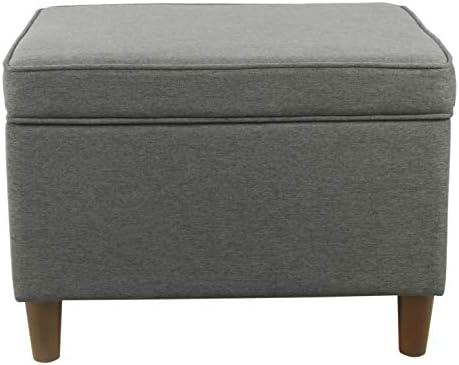
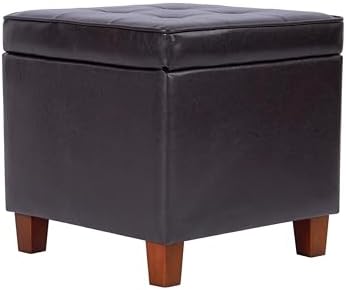
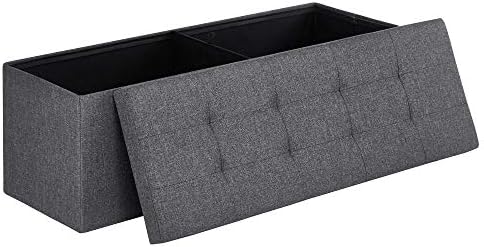
A storage ottoman is one of the most versatile pieces you can add to a small living room. It works as a footrest, extra seating, and hidden storage all in one. Use it to store throw blankets, board games, magazines, or kids’ toys. Choose one with a soft-close lid and a neutral fabric so it blends easily with your décor.

Narrow Console Tables
Slim console tables are perfect for tight spaces, especially behind a sofa or along a wall. Look for models with shelves or drawers so you can store baskets, books, or small bins underneath while keeping the top surface styled but uncluttered.


Decorative Storage Baskets
Baskets are an easy, flexible solution for everyday items. Use them on open shelves, under tables, or next to the sofa to hold blankets, remotes, or miscellaneous items. Woven or fabric baskets add texture while still looking intentional.


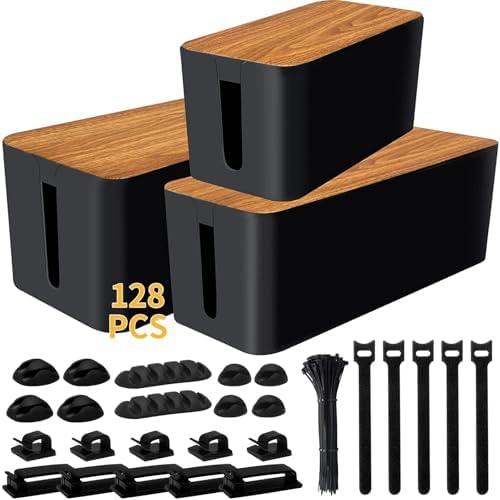
Cable Management Boxes and Clips
These are small but powerful tools. Cable boxes hide power strips and tangled cords, while adhesive cable clips keep wires running neatly along furniture edges. They instantly reduce visual clutter around TVs, desks, and charging stations.



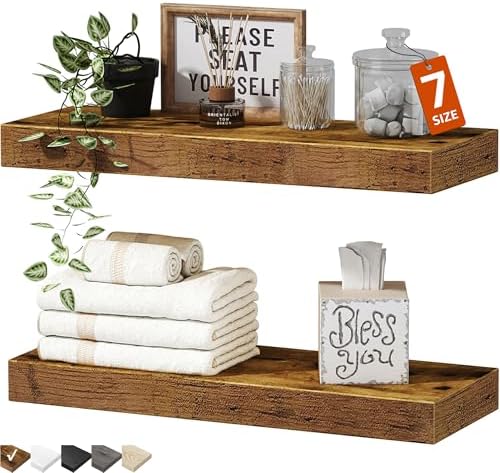
Floating Wall Shelves
Floating shelves add storage without taking up floor space, which is crucial in a small living room. Use them for books, plants, or a few decorative items. Staggering shelves vertically helps draw the eye upward and makes the room feel taller.



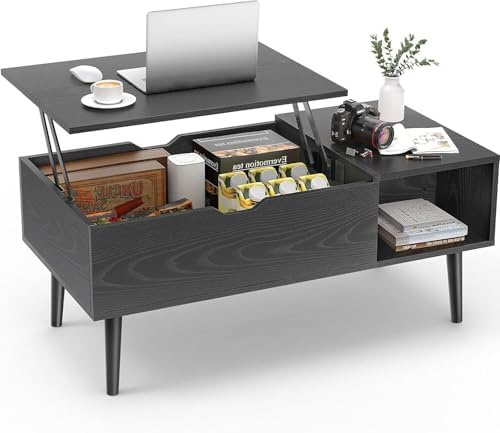
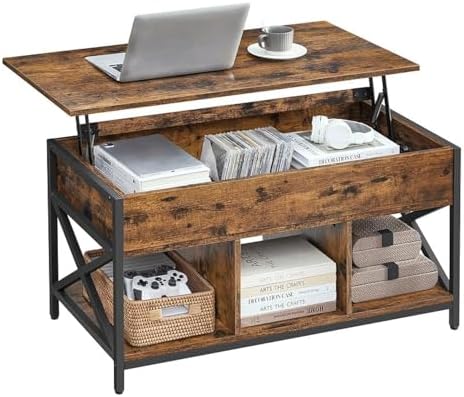
Storage Coffee Tables
A coffee table with hidden compartments or drawers gives you a place to stash remotes, coasters, chargers, and other small items that usually end up scattered on top. Lift-top styles are especially useful if you sometimes work or eat in the living room.

Drawer Organizers for Media Consoles
If your TV stand has drawers, simple drawer dividers can keep small electronics, batteries, manuals, and accessories from turning into a junk drawer. It’s a small upgrade that makes a big difference over time.


Multi-Hook Wall Racks
Wall-mounted hook racks near the entry side of your living room can hold bags, hats, or light jackets without needing a bulky coat rack. This keeps everyday items off chairs and sofas while using vertical space efficiently.


Final Thoughts
Organizing a small living room isn’t about fitting in more stuff — it’s about making the space work better for your real, everyday life. When every item has a purpose and a place, even the tiniest room can feel calm, open, and welcoming.
Start with the changes that give you the biggest visual relief, like clearing surfaces and using vertical space. Then layer in smart storage pieces that blend into your décor instead of making the room feel crowded. The goal isn’t perfection — it’s creating a space that feels easier to live in and easier to maintain.
Remember, small living rooms can actually be an advantage. They’re quicker to tidy, cheaper to furnish, and easier to make feel cozy. With a few intentional organization systems, your living room can feel bigger, brighter, and far less stressful — without needing a single extra square foot.
As an Amazon Associate, I earn from qualifying purchases.