Best Vertical Storage Ideas for Small Kitchens
Small kitchens have a pattern.
Counters fill up first.
Cabinets get crowded next.
And before you know it, everything feels tighter than it should.
Not necessarily messy—just… full.
The problem is, most of the storage happens at the same level.
Eye-level cabinets. Countertops. Lower drawers.
Meanwhile, everything above that? Barely used.
And that’s where the real opportunity is.
Because when you start thinking vertically, your kitchen doesn’t just hold more—it starts to feel easier to use.
Use the Space Above What You Already Have
If you stand in your kitchen and really look—not just at eye level, but above it—you’ll probably notice something.
There’s space up there.
Not a huge amount, but enough to matter.
The top of your cabinets. That gap above the fridge. Even the area above certain shelves that never quite gets used.
And the reason it stays empty isn’t because it’s useless.
It’s because it’s not convenient.
You can’t reach it instantly. It’s not part of your daily flow. So it gets ignored.
Meanwhile, everything you do use regularly is fighting for space below.
That’s where the imbalance starts.
Because now, your most valuable areas—the ones you open every day—are carrying everything.
Even things that don’t belong there.
Once you start shifting a few items upward, something interesting happens.
Your lower cabinets feel lighter. Your counters feel less crowded. You’re not digging through as much just to find something simple.
You haven’t added space—you’ve just redistributed the pressure.
And that alone can make your kitchen feel noticeably easier to use.
The key is to be intentional about what goes up there.
Not your daily items.
But the things you only reach for occasionally. Backup supplies. Extra containers. Appliances you don’t use every day but still need.
They’re still accessible—but no longer in your way.
And that small shift makes your everyday space work better.
Stack Smarter, Not Just Higher
Stacking feels like the easiest solution when space is tight.
You just build upward until things fit.
And at first, it looks organized.
Clean piles. Everything contained. Nothing spilling over.
But the moment you try to use it, the problem shows up.
You need the item at the bottom.
So you lift one thing, then another. You balance items in your hands. You try not to knock anything over.
And suddenly, grabbing one thing turns into a small task.
That’s when stacking stops saving space—and starts creating friction.
The issue isn’t stacking itself.
It’s stacking without any structure.
When everything is just placed on top of each other, it becomes unstable.
Things shift. They lean. They mix together over time.
And once that happens, you stop using the system properly.
You put things wherever they fit. You avoid certain stacks because they’re annoying to deal with.
That’s how clutter slowly builds again.
Stacking smarter doesn’t mean buying a bunch of complicated tools.
It just means creating separation.
Giving each layer its own space so you can access it without disturbing everything else.
Even a small adjustment—like creating levels or grouping similar items—can make stacks feel more stable and easier to use.
And when something is easy to use, you naturally keep it that way.
Turn Walls Into Functional Storage
Most kitchens treat walls like background.
They’re just there—holding cabinets, maybe a backsplash, maybe nothing at all.
But in a small kitchen, walls are more than that.
They’re one of the few places where you can create space without taking any away.
The tricky part is that it doesn’t feel natural at first.
We’re used to keeping things inside cabinets, hidden away, out of sight.
So putting items on the wall can feel a little exposed.
But once you try it, it changes how the kitchen works.
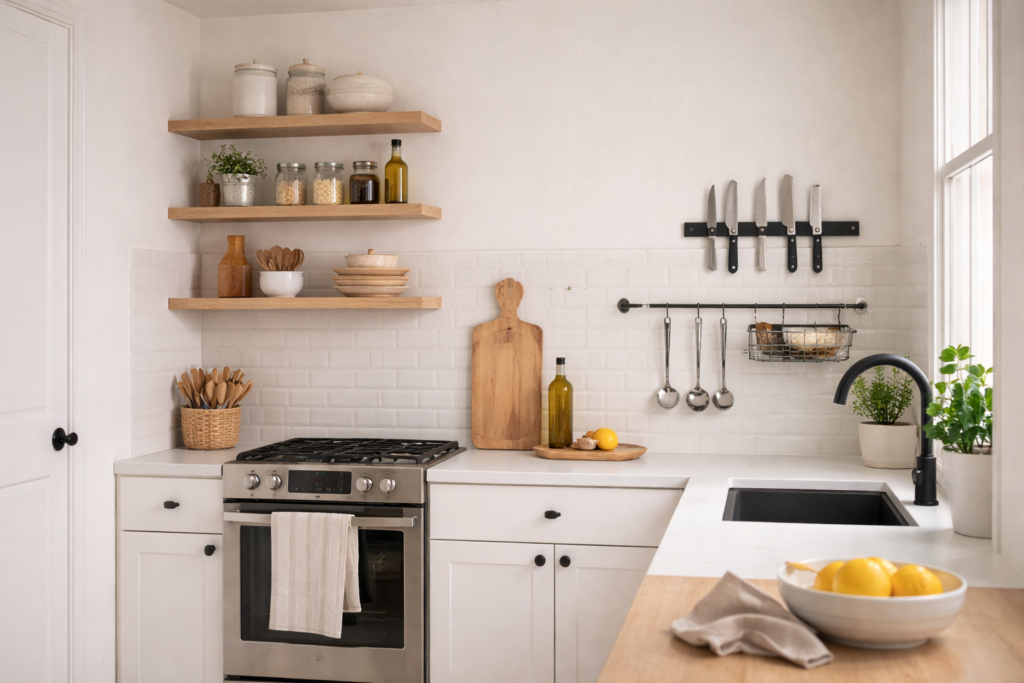
Things you use often—utensils, spices, small tools—don’t need to be tucked away.
They actually work better when they’re visible and easy to grab.
You stop opening drawers over and over. You stop digging through crowded spaces.
You just reach.
And that simplicity makes a bigger difference than it seems.
It also takes pressure off your storage.
Because now, your drawers and cabinets aren’t carrying everything anymore.
They have room to breathe.
And when storage has room, it stays organized longer.
Make Vertical Storage Feel Natural
One mistake people make with vertical storage is going too far, too fast.
They add shelves everywhere. Fill every wall. Try to use every inch.
And suddenly, the space feels busy instead of functional.
That’s the balance.
Vertical storage should make your kitchen feel lighter—not more crowded.
So instead of filling every available spot, start small.
Add one shelf where it actually helps. Use one section of wall for items you reach for daily.
Pay attention to how it feels.
Does it make things easier? Faster? Less cluttered?
If it does, you’re on the right track.
If it feels like extra effort, it probably needs to be simpler.
Because the goal isn’t to use all your vertical space.
It’s to use just enough of it to reduce pressure from the areas you use the most.
Let Some Space Stay Empty
This might sound counterintuitive.
But one of the most effective ways to make a small kitchen feel bigger… is to not fill everything.
When you start adding shelves or stacking upward, there’s a natural urge to maximize every inch.
To use all the space you just created.
But that’s how things get tight again.
A little empty space is what makes everything else work.
It gives you flexibility. It gives you room to adjust. It keeps things from feeling cramped.
Even visually, it makes a difference.
Your eyes aren’t constantly processing objects. The space feels calmer, more open.
So instead of aiming for full, aim for functional.
Let your kitchen have a bit of breathing room.
That’s what keeps it from slipping back into that “too full” feeling.
Recommended Products for Vertical Storage in Small Kitchens
You don’t need to redesign your kitchen to make vertical storage work. A few simple tools can help you use wall space, stack smarter, and free up your most crowded areas.
Focus on products that make things easier to access—not harder.
Wall-Mounted Floating Shelves
These are one of the simplest ways to add vertical storage.
They give you extra space for everyday items like spices, jars, or small kitchen tools without taking up counter space.


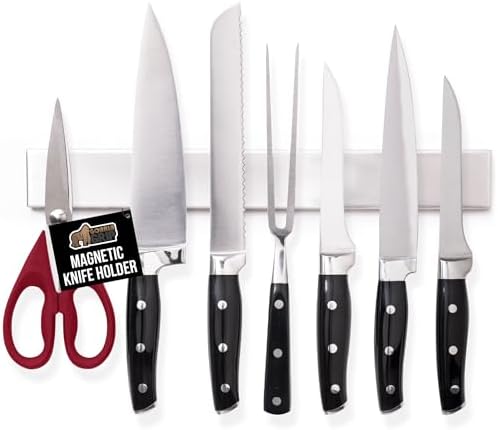
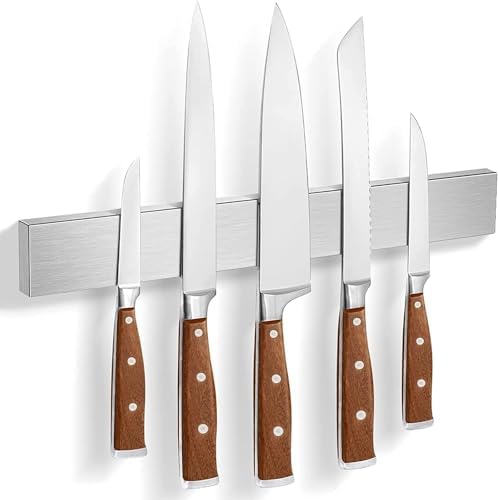
Magnetic Knife Strip
Instead of using a bulky knife block, this keeps your knives on the wall.
It frees up counter space and keeps everything within easy reach.


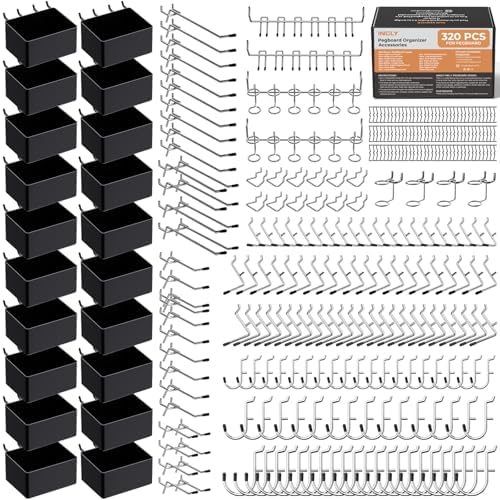
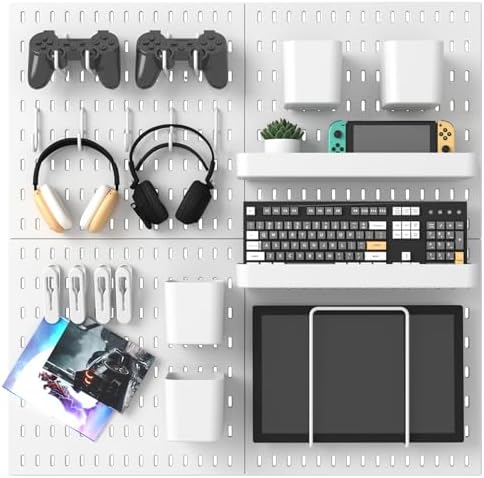
Pegboard Wall Organizer
A flexible option that lets you customize your storage.
You can hang utensils, pans, or tools and adjust the layout whenever your needs change.


Over-the-Cabinet Shelf Risers
Perfect for creating extra levels inside cabinets.
They help you stack items without piling everything on top of each other.


Stackable Pantry Organizers
These let you build upward while keeping everything visible.
They’re great for cans, jars, and dry goods that tend to get lost in the back.


Hanging Rail System with Hooks
Ideal for frequently used utensils.
You can hang items like spatulas, ladles, or even small pots, keeping drawers less crowded.


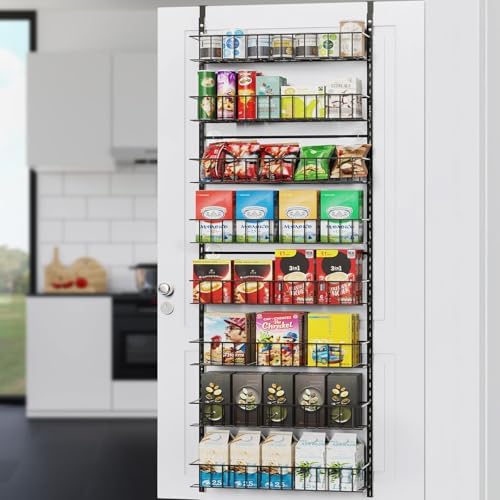
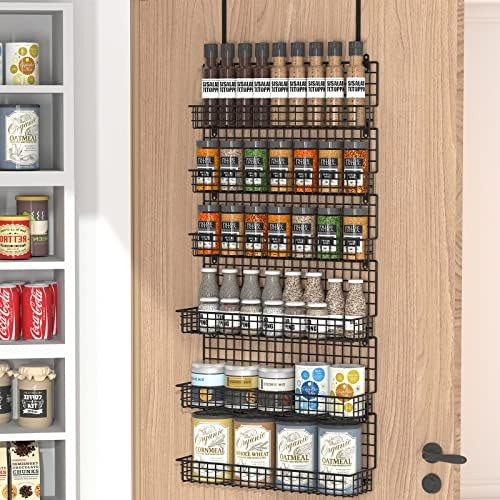
Over-the-Door Pantry Organizer
A great way to use hidden vertical space.
It works well for spices, snacks, or small kitchen items that need a home.



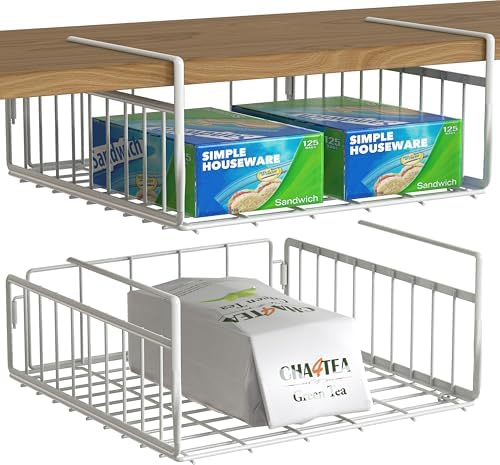
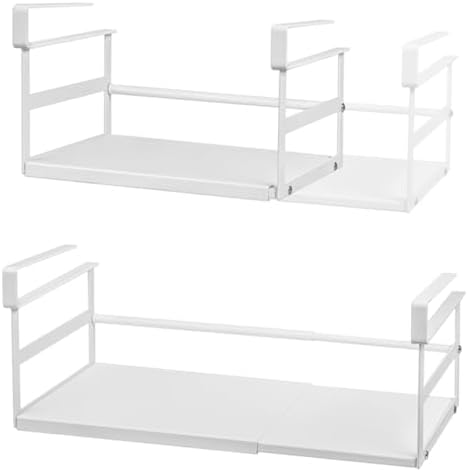
Under-Shelf Hanging Baskets
These create an extra layer of storage without installing anything permanent.
Perfect for lightweight items like wraps, small containers, or kitchen accessories.


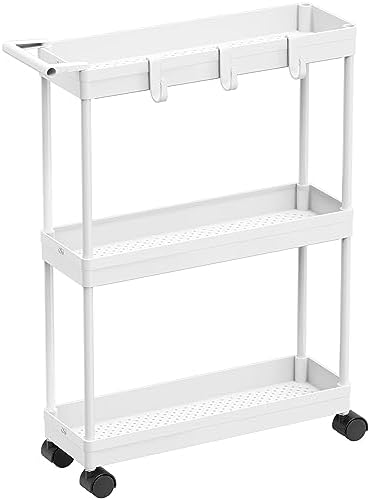
Slim Rolling Storage Cart
Fits into narrow gaps and adds vertical storage where you normally wouldn’t use the space.
Great for small kitchens with limited cabinet room.



Wall-Mounted Spice Rack
Keeps your spices visible and easy to grab.
It clears up cabinet space and makes cooking more efficient.


These products work best when they support a simple system. You don’t need all of them—just a few that solve your biggest space issues can make your kitchen feel more open and much easier to use every day.
Final Thoughts
A small kitchen doesn’t need more cabinets.
It needs better use of the space you already have.
Looking upward.
Using walls intentionally.
Stacking in a way that actually works in real life.
None of these changes are dramatic on their own.
But together, they take pressure off the areas that feel the most crowded.
And once that pressure is gone…
Your kitchen starts to feel easier.
Not bigger—but more usable.
And that’s what really matters.