
Small Space Mistakes That Make Your Home Feel Cluttered
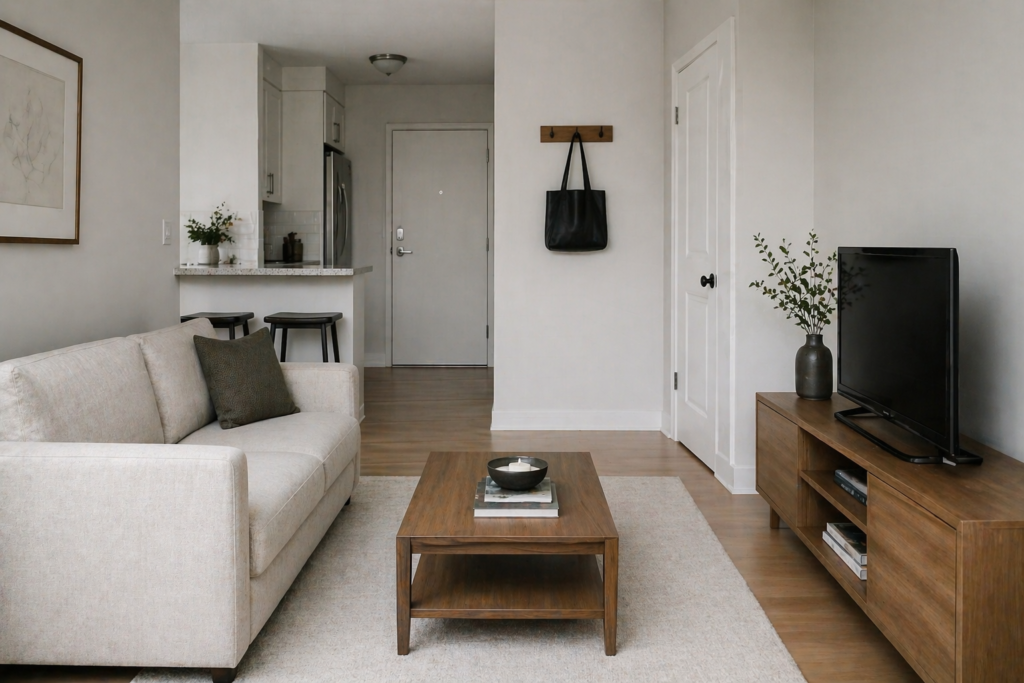
A small space can feel calm, simple, even cozy.
But it can also feel overwhelming without you fully understanding why.
You walk in and nothing is technically wrong. Things are in place, maybe even “organized.” But there’s a subtle tension in the room. Like everything is a bit too close, a bit too present.
That feeling doesn’t come from one big mistake.
It comes from small choices that slowly take away the sense of space.
And once that breathing room is gone, everything starts to feel cluttered—even if it isn’t.
Trying to Fill Every Empty Spot
There’s something uncomfortable about empty space when you’re living in a small home.
It feels like you’re not using it well. Like you should be doing more with it.
So you start filling it in.
A small shelf here. A basket there. Maybe a side table that “could be useful.” It all feels practical in the moment.
But over time, those additions start to compete with each other.
The room loses its pauses—those small areas where nothing is happening.
And those pauses matter more than people expect.
They’re what allow your eyes to rest. What makes a space feel open instead of packed.
When every corner has a purpose, the room starts to feel like it’s always “on.”
Even if everything is tidy.
Leaving some areas intentionally empty isn’t wasted space.
It’s what keeps the rest of the space from feeling crowded.
Letting Surfaces Become Permanent Storage
Surfaces are easy.
They’re right there, always accessible, always convenient.
So naturally, they become the place where things land.
At first, it’s temporary.
You leave something out because you’ll use it later. Then another item joins it. Then something that doesn’t have a clear place.
And slowly, without noticing, that surface stops being a surface.
It becomes storage.
The problem isn’t just the number of items—it’s how constant they are.
When something is always in your line of sight, it becomes part of how the space feels.
Even neatly arranged items can create that sense of “too much” when there are enough of them.
That’s why clearing a surface—even partially—has such a strong impact.
It’s not about making it empty.
It’s about breaking that feeling that everything is always in front of you.
Choosing Furniture That’s Slightly Too Big
This one is subtle.
The furniture fits. You can walk around it. It doesn’t seem like an obvious issue.
But something still feels tight.
That’s usually a scale problem.
Furniture that’s just a bit too large can take up more than physical space—it takes up visual space.
It becomes the main thing you notice, even when you’re not trying to.
And in a small home, that dominance affects everything around it.
Movement feels more restricted. Layout options become limited. The room feels heavier than it should.
Smaller or more proportional pieces don’t just “fit better.”
They allow everything else to breathe.
And that difference changes how the entire space feels, even if nothing else moves.
Keeping Everything Visible
There’s a certain appeal to having everything out in the open.
It feels practical. Easy to access. Easy to remember what you have.
But in a small space, visibility comes at a cost.
When everything is exposed, your eyes are constantly taking it in.
Every object, every detail, every small variation.
Individually, none of it is a problem.
But together, it creates visual noise.
And that noise is what makes a space feel cluttered—even when it’s technically organized.
This doesn’t mean you need to hide everything.
It just means being more selective.
Let a few things stay visible. The rest can be tucked away.
Because in a small home, what you don’t see is just as important as what you do.
Holding On to “Just in Case” Items
Most clutter doesn’t come from things you actively use.
It comes from things you might use.
That extra set of something. The item you kept because it could be useful later. The thing that still works, even if you haven’t touched it in months.
Individually, none of these feel like a problem.
They’re not in your way. They’re not messy. They’re just… there.
But in a small space, “just in case” adds up quickly.
Because there isn’t much room to absorb those extras.
They end up sharing space with the things you actually use, making everything feel tighter and less defined.
And over time, it becomes harder to tell what’s essential and what’s just taking up space.
The goal isn’t to remove every backup or be overly strict.
It’s to notice when “just in case” becomes the default reason for keeping something.
Because in a small home, clarity matters more than quantity.
Not Having a Defined Place for Everyday Items
Clutter often builds in predictable ways.
Keys end up in the same corner. Bags land on the same chair. Clothes collect in that one spot you always tell yourself you’ll deal with later.
These patterns aren’t random.
They’re habits.
And when there’s no clear place for those items, they start spreading out.
A few things here, a few things there, slowly turning into a general sense of disorder.
It’s not about being messy.
It’s about the space not supporting what you naturally do.
When there’s a simple, obvious place for everyday items, those patterns become contained instead of scattered.
A small tray, a hook, a basket—something that matches where things already tend to land.
It doesn’t have to be perfect.
It just needs to exist.
Because once those items have a home, they stop taking over everything else.
Letting Small Messes Build Up
In a larger home, small messes can blend in for a while.
In a small space, they show up immediately.
A few items left out. A surface that isn’t reset. Something slightly out of place.
None of it feels urgent.
But visually, it accumulates faster than you expect.
And that accumulation is what creates the feeling that the space is “always messy,” even when it’s not.
The difference often comes down to timing, not effort.
When things are reset right after you use them, they don’t have a chance to build up.
The space stays consistent without needing a big cleanup later.
But when everything is left for later, those small things start stacking visually.
And in a small home, that stack feels bigger than it is.
Expecting the Space to Stay Perfect
There’s often an unspoken expectation that once you organize a small space, it should stay that way.
Everything in place. Surfaces clear. No clutter coming back.
But that’s not realistic.
You live there. You use things. Your routines change depending on the day.
Things will move.
And that’s normal.
The problem is expecting them not to.
Because when perfection is the goal, even small changes feel like something is going wrong.
A better approach is to focus on how easy it is to reset.
Not “does this always look perfect?” but “can I bring this back to normal quickly?”
If your setup makes that easy, the space will stay under control without much effort.
If it requires a full reset every time, it won’t last.
And that’s when clutter slowly returns.
What to Fix First
When everything feels a bit cluttered, it’s tempting to try and fix the entire space at once.
Move furniture, reorganize storage, rethink every corner.
But that usually leads to more stress than results.
A better starting point is simpler.
Focus on what you see the most.
The surfaces you use every day. The areas your eyes go to when you walk into the room.
Clear those slightly.
Not perfectly—just enough to create a bit of space.
That small change can shift how the entire room feels.
Because once the most visible areas feel lighter, everything else becomes easier to adjust.
Recommended Products to Make a Small Space Feel Less Cluttered
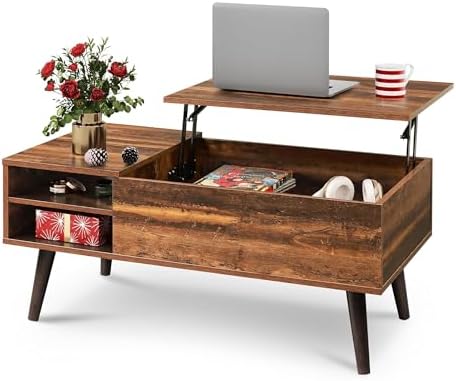
Multi-Functional Furniture (To Reduce the Number of Items)
In a small space, every piece of furniture matters.
Multi-functional furniture helps you do more with less. A storage ottoman, a bed with drawers, or a table that doubles as workspace reduces the need for extra pieces.
Fewer items in the room means less visual weight—and that alone makes a big difference.


Storage Baskets (To Contain Everyday Clutter)
Small items tend to spread out quickly.
Baskets give them a place to gather without forcing you into a complicated system. You can group similar things together and keep them from taking over surfaces.
They’re simple, flexible, and easy to maintain—which is exactly what a small space needs.


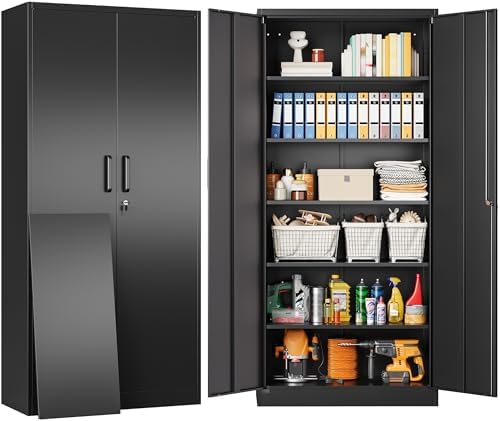
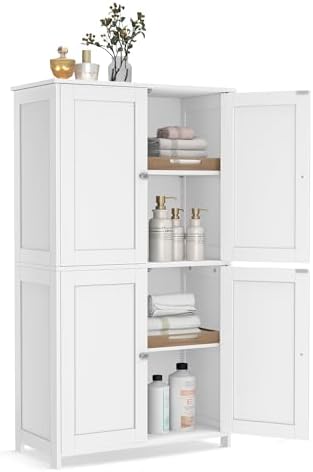
Closed Storage Cabinets (To Reduce Visual Noise)
Not everything needs to be visible.
Closed storage helps hide the items that create visual clutter, even if they’re technically organized.
This is especially useful for things you don’t use daily but still need to keep.
When fewer items are in sight, the space naturally feels calmer and more open.


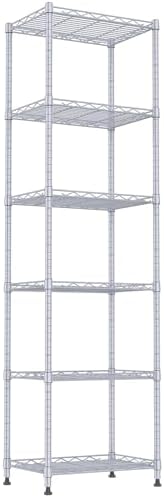
Slim Shelving Units (To Use Vertical Space Wisely)
Vertical space can help—but only if it’s used carefully.
Slim shelving units add storage without overwhelming the room. They give you extra capacity while keeping the footprint small.
The key is to avoid overloading them. A few well-spaced items work better than trying to fill every shelf.



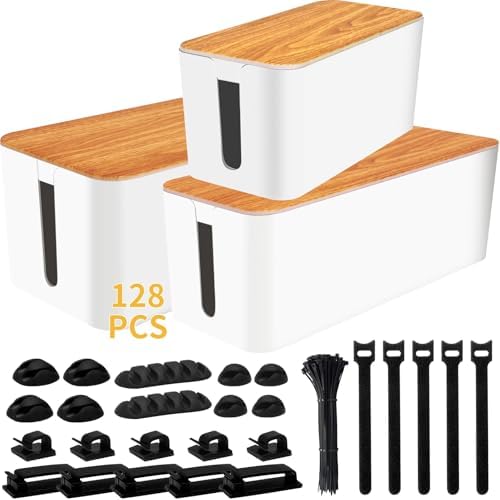
Cable Management Boxes (To Hide Small Distractions)
Cables are one of those small details that quietly add to the feeling of clutter.
Even when everything else is organized, visible wires can make a space feel messy.
Cable management boxes keep them contained and out of sight, which instantly makes the area feel cleaner.
It’s a small upgrade, but very noticeable.



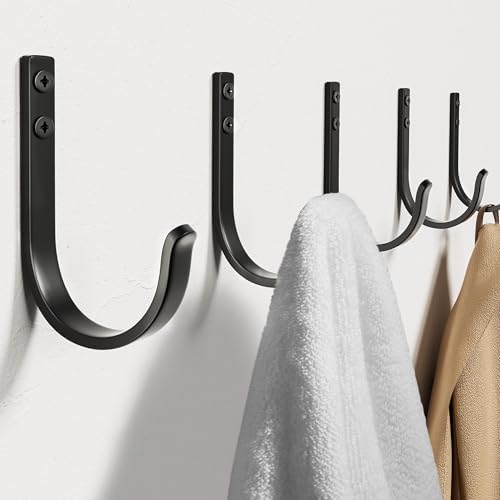
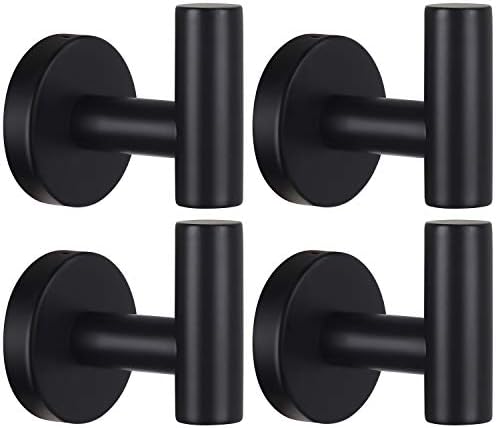
Wall Hooks (For Everyday Items)
Items like bags, jackets, or accessories often end up on chairs or random surfaces.
Wall hooks give them a defined place without taking up floor space.
They’re easy to install and work best when placed where you naturally drop things.
Used in moderation, they help reduce clutter instead of adding to it.


Under-Bed Storage Containers (For Low-Use Items)
Some items don’t need to be part of your daily space.
Under-bed storage lets you keep those things accessible without letting them take over your room.
It’s ideal for seasonal items, backups, or anything you don’t use regularly.
This helps keep your main living area focused only on what you actually need day to day.


Final Thought
A small space doesn’t become cluttered overnight.
It happens gradually, through small decisions that seem harmless on their own.
And the good part is, it can be reversed the same way.
Not with a complete overhaul.
But with small changes that reduce visual weight, simplify your space, and make everyday life a little easier.
When there’s less to process, less to move around, and less competing for attention, the space starts to feel different.
Not bigger.
Just calmer.
And that’s what makes it work.