How to Make a Small Space Look Bigger and Organized
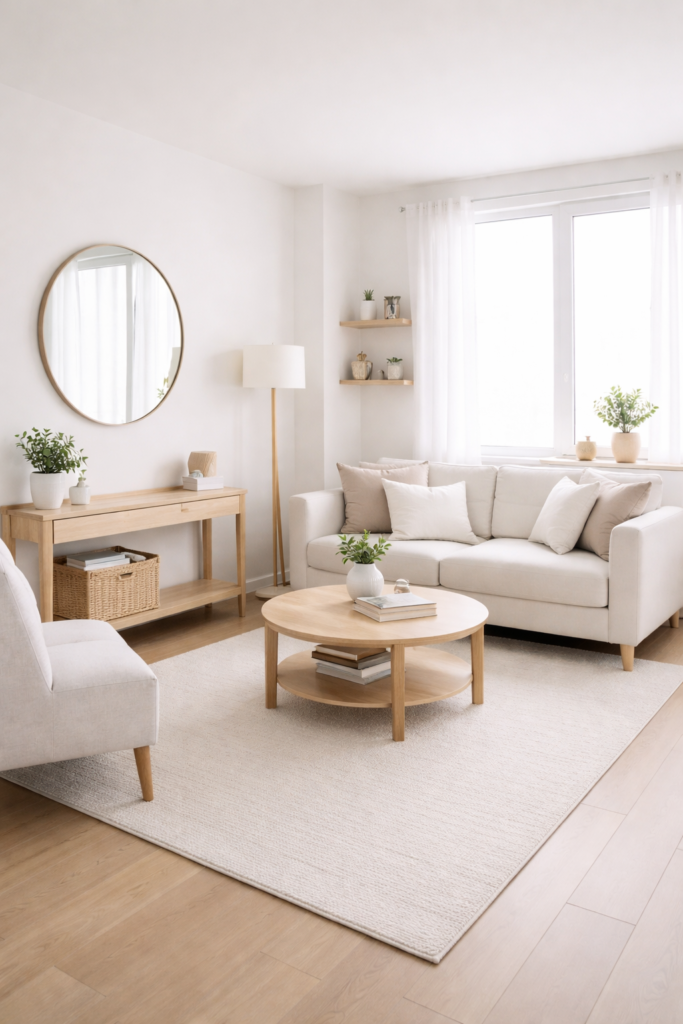
A small space doesn’t have to feel small.
But most of the time… it does.
Not because of the square footage, but because of how everything is arranged.
Too many things in the wrong places.
Not enough breathing room.
And a constant feeling that there’s just “too much” going on.
The interesting part is—you don’t always need more space.
You just need to make your space feel different.
And that usually comes down to a few simple changes that shift how the room looks and works at the same time.
Start by Clearing Visual Clutter
Most people think the problem is “too many things.”
But a lot of the time, it’s actually “too many things visible at once.”
That’s what makes a space feel overwhelming.
You walk into the room and your eyes don’t know where to land. There’s something on every surface, small items spread out, different shapes, colors, textures… all competing for attention.
Even if everything is technically organized, it still feels messy.
That’s why clearing visual clutter makes such a big difference so quickly.
You don’t have to get rid of everything—you just have to reduce what’s constantly in sight.
Start with the obvious areas.
Tables, countertops, nightstands… the places where things naturally accumulate.
Instead of leaving items scattered, try grouping them.
A small tray, a box, even just placing things closer together can make the space feel more intentional.
It’s a small shift, but it changes how your brain reads the room.
Because instead of seeing ten separate things, you see one organized area.
And suddenly, everything feels calmer.
Another thing that helps is being honest about what actually needs to be out every day.
A lot of items stay visible simply out of habit.
But when you move those into a drawer, a basket, or a cabinet, the space opens up without losing functionality.
Use Light Colors (But Keep It Natural)
Light colors help—but not in the way people usually think.
It’s not about making everything white or empty.
It’s about creating a space that feels easy on the eyes.
When colors are too strong or too different from each other, they break the flow of the room.
Your eyes keep stopping, jumping from one area to another.
And that makes the space feel more confined.
On the other hand, when colors are softer and more consistent, your eyes move more smoothly.
And that creates a subtle sense of openness.
Think of it less like decorating… and more like reducing friction.
You don’t need to repaint everything.
Sometimes it’s as simple as choosing items that naturally blend together.
Neutral tones, soft textures, materials that don’t feel too heavy.
Even small changes—like switching a dark container for a lighter one, or using similar tones across different areas—can make the space feel more cohesive.
And when everything feels connected, the room automatically feels bigger.
Let Light Move Freely
Lighting is one of those things you don’t notice when it’s good—but you definitely feel when it’s not.
A poorly lit room feels smaller, even if nothing else has changed.
Shadows build up in corners. Certain areas feel heavier. The space starts to feel closed in.
But when light moves freely, everything opens up.
If you have natural light, the goal is simple—don’t block it.
Heavy curtains, bulky furniture near windows, or anything that interrupts the flow of light can make a room feel tighter than it actually is.
Letting light spread evenly across the space makes a huge difference.
And if natural light is limited, you can still create that effect.
Instead of relying on one strong light source, it helps to layer softer lighting.
A small lamp in a corner, a warm light near a wall—these small additions reduce shadows and make the room feel more balanced.
Because at the end of the day, it’s not just about brightness.
It’s about how evenly the light fills the space.
And when it does, the room naturally feels more open and comfortable.
Use Mirrors Strategically
Mirrors are one of those things that people either overuse… or don’t use at all.
And the difference usually comes down to placement.
A mirror randomly placed on a wall won’t do much. It just becomes another object.
But when it’s positioned with intention, it changes how the entire space feels.
What you want is for the mirror to reflect something that adds depth.
A window, a light source, even an open area of the room.
That reflection creates the illusion that there’s more space than there actually is.
And your brain picks up on that immediately, even if you don’t consciously think about it.
You don’t need a huge mirror either.
Even a medium-sized one, placed correctly, can open up a room in a way that feels natural—not forced.
The key is to think about what it’s reflecting, not just where it’s hanging.
Keep Furniture Proportional
This is where a lot of small spaces start to feel cramped.
Not because there’s too much furniture—but because the furniture doesn’t fit the space properly.
A couch that’s just a bit too big.
A table that takes up more room than it should.
Pieces that feel heavy or bulky, even if they look good on their own.
Individually, they might seem fine.
But together, they reduce how much room you actually have to move and breathe.
In a small space, proportion matters more than quantity.
It’s not about filling every corner—it’s about giving each piece enough space to exist without competing with everything else.
Sometimes that means choosing slightly smaller furniture.
Other times, it means removing one piece entirely.
And something that helps more than people expect is choosing furniture that feels visually lighter.
Pieces with legs, open bases, or simpler designs allow you to see more of the floor.
That might sound like a small detail, but it makes the space feel less crowded.
Because visually, there’s more room.
Create Defined Zones (Even in One Room)
When everything in a space blends together, it starts to feel messy—even if it’s not.
That’s especially true in small apartments or studios, where one room has to do multiple jobs.
Living area, workspace, maybe even dining… all in the same place.
Without some kind of separation, your brain reads it as one crowded area.
But when you create small, defined zones, the space starts to feel more structured.
Not bigger physically—but more organized and easier to understand.
And that changes how it feels to be in it.
You don’t need walls or big dividers.
Sometimes it’s as simple as using a rug to define a living area, or placing a small table in a way that separates functions.
Even subtle changes in layout can create a sense of order.
And when everything has a “place” within the room, it stops feeling like everything is happening at once.
Recommended Products to Make a Small Space Look Bigger and Organized
The goal isn’t to fill your space with more things—it’s to choose a few items that make your space feel lighter, cleaner, and easier to manage. The right products help reduce visual clutter while improving how your space functions.
Here are some simple options that actually make a difference.
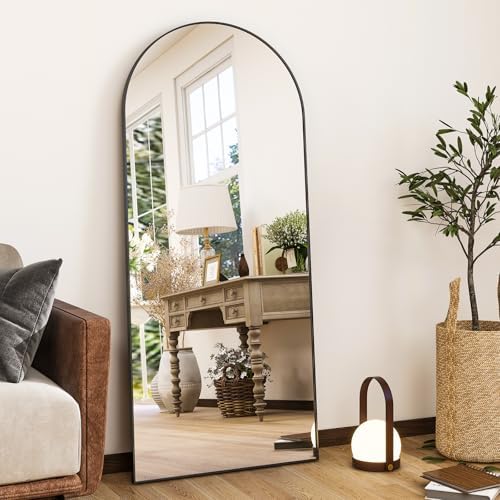
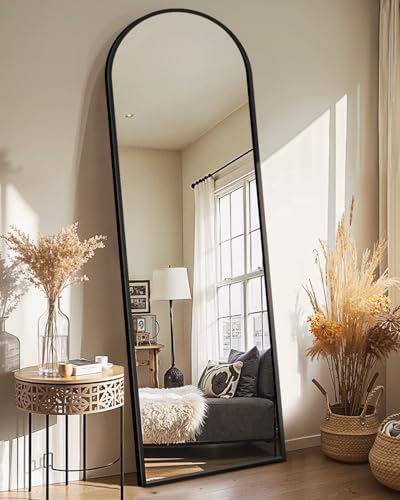
Large Wall Mirror
A well-placed mirror can instantly make a room feel more open.
It reflects light and creates the illusion of depth, especially when placed across from a window or bright area. Even a single mirror can change how your space feels without adding clutter.

Storage Baskets and Bins
Instead of leaving items scattered, baskets help group things together.
This reduces visual clutter and makes surfaces look cleaner. They’re perfect for everyday items you still want easy access to.

![Fab totes Storage Bins [3-Pack], Foldable Storage Baskets for Org...](https://m.media-amazon.com/images/I/41xO-WYPauL._AC_.jpg)


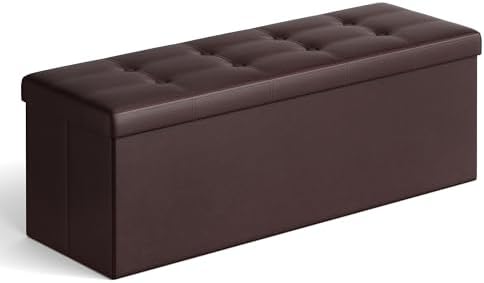
Multi-Purpose Furniture with Storage
In small spaces, furniture should do more than one job.
Think of ottomans with hidden storage, benches that open up, or coffee tables with compartments. These help you store items without adding extra pieces to the room.



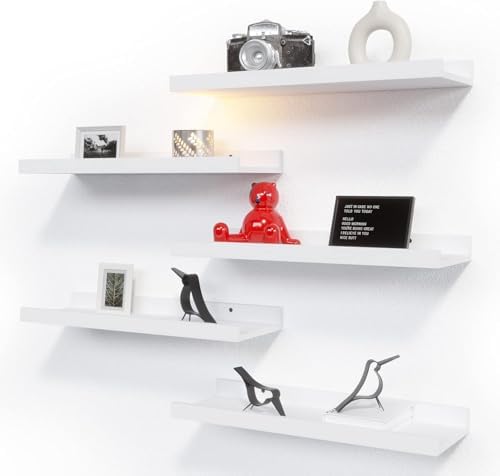
Floating Shelves
Floating shelves are a great way to add storage without taking up floor space.
They keep things off the ground while still being accessible, and when styled simply, they don’t make the space feel crowded.


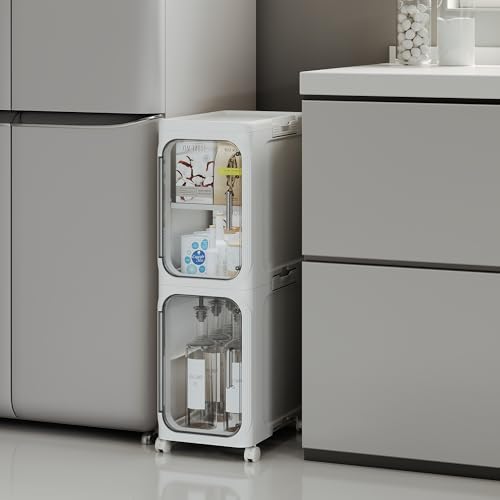
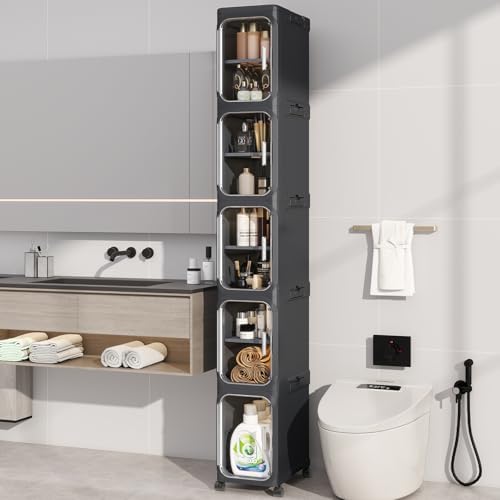
Slim Storage Cabinets
Narrow cabinets can fit into tight spaces where larger furniture won’t work.
They’re perfect for adding hidden storage while keeping a clean, minimal look.


Light Curtains or Sheer Panels
Heavy curtains can block light and make a room feel smaller.
Switching to light, sheer curtains allows natural light to flow through the space, making it feel brighter and more open.


Under-Bed Storage Containers
If you’re not using the space under your bed, you’re missing an easy storage solution.
These containers help you keep items out of sight without adding visible clutter to your room.


Cable Management Boxes
Cables are one of the most common sources of visual clutter.
A simple cable box or organizer keeps them hidden and makes your space look cleaner instantly.


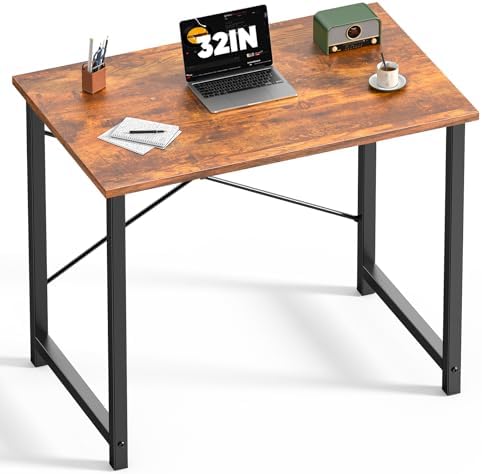
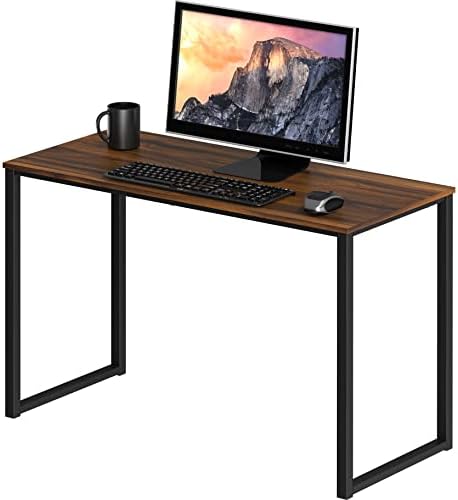
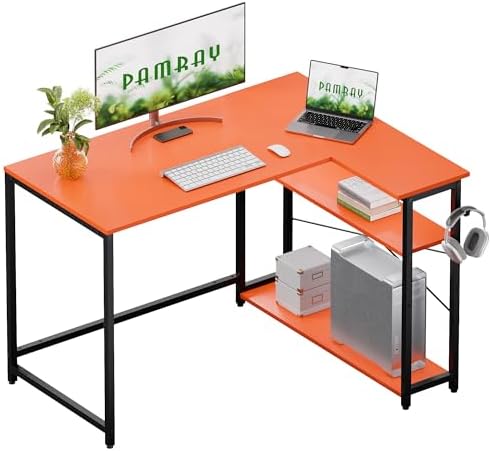
Minimalist Desk or Table
If you need a workspace, choosing a simple, lightweight desk helps maintain an open feel.
Avoid bulky designs that visually take up too much space.

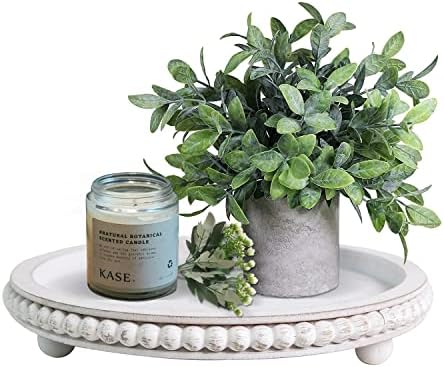
Decorative Trays
A tray can turn a cluttered surface into a clean, intentional space.
By grouping items together, you reduce visual noise and make the area feel more organized without removing functionality.
These products work best when they support a simple system. You don’t need all of them—just a few that solve your specific problems can make your space feel bigger, more open, and much easier to live in.



Final Thoughts
Making a small space feel bigger isn’t about doing one big thing.
It’s about fixing the small details that quietly make the space feel tight.
A bit less visual clutter.
Better use of light.
Furniture that fits instead of overwhelms.
Small adjustments that make the space easier to read.
None of these changes are dramatic on their own.
But together, they completely shift how the space feels.
And once your space feels open, calm, and organized…
You stop thinking about how small it is.