Small Apartment Organization Tips That Feel Like a Bigger Home
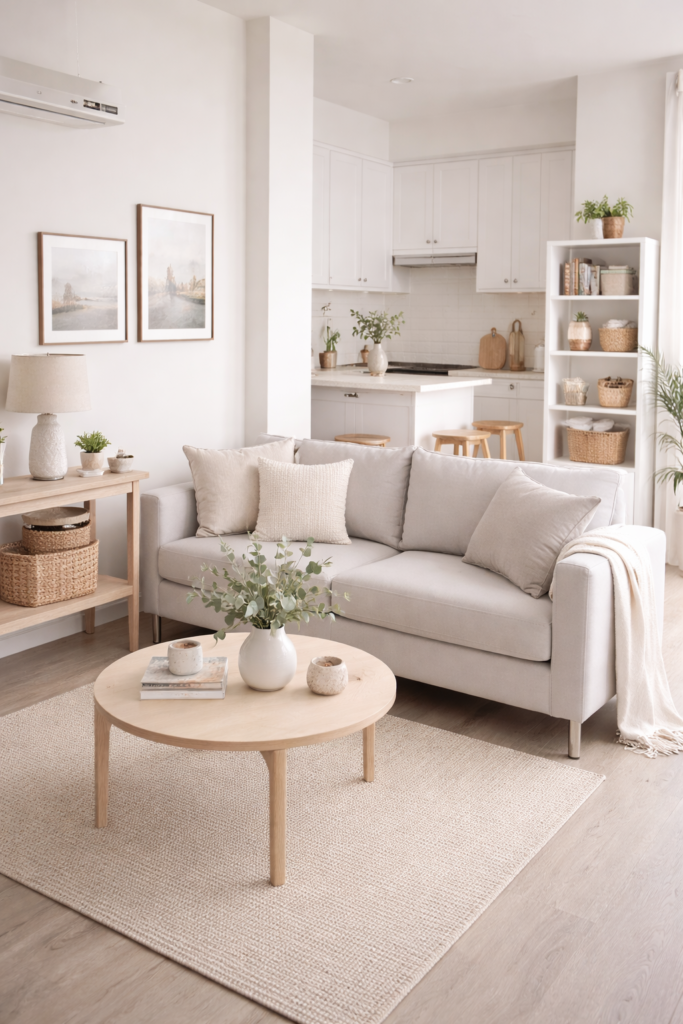
A small apartment doesn’t always feel small because of its size.
It feels small when everything is competing for space.
When surfaces are full. When storage is doing too much. When there’s no clear place for things to land.
That’s when the space starts to feel tight.
Not unlivable—just heavier than it should.
The good news is, you don’t need more square footage to change that feeling.
You just need to remove a bit of pressure from the areas you use the most.
Let Your Space Breathe a Little
When you live in a small apartment, it’s easy to fall into the mindset of “use everything.”
Every corner feels like an opportunity. Every empty spot feels like wasted space.
So you fill it.
A small table here. A basket there. Maybe a shelf to make things more “organized.”
And at first, it actually feels like progress.
You’ve added storage. You’ve given things a place. You’ve made the most of what you have.
But over time, something starts to feel off.
The space works… but it doesn’t feel good.
It feels tighter. Heavier. Like there’s always something in the way, even when everything is technically in order.
That’s the part most people don’t expect.
Because organization isn’t just about fitting things in.
It’s also about what you don’t fill.
A small gap between furniture.
A surface that isn’t fully covered.
A shelf that has space to breathe.
These small areas do more than you think.
They give your eyes a break. They make movement easier. They keep the space from feeling like it’s closing in on you.
And once you experience that difference, it’s hard to go back to filling everything.
Because you realize that a little emptiness isn’t wasted space.
It’s what makes the rest of your space work.
Keep Daily Items Where You Actually Use Them
There’s a version of organization that looks perfect—but doesn’t survive real life.
Everything is neatly grouped. Every item has a designated place. It all makes sense when you step back and look at it.
But then your day starts.
You grab something quickly and don’t put it back. You leave an item out because you’ll use it again later. You move something closer because it’s just easier that way.
And slowly, the system starts to drift.
Not because it’s wrong—but because it doesn’t match how you naturally move.
That’s the part most systems miss.
They focus on logic, not behavior.
But your habits are what shape your space in the long run.
If something isn’t where you instinctively reach for it, you’ll adjust the system without even thinking.
So instead of trying to build the “perfect” setup, it helps to observe what’s already happening.
Where do your keys end up at the end of the day?
Where do you place things when you’re in a hurry?
What areas seem to collect items no matter how many times you reset them?
Those patterns aren’t mistakes.
They’re signals.
They show you where things want to live.
And when you start organizing around those natural habits, something changes.
You stop fighting the space.
You stop resetting everything over and over again.
Because now, your setup works with you instead of against you.
And that’s what makes it sustainable.
Reduce What Competes for Attention
There’s a quiet difference between a space that’s organized… and one that actually feels calm.
You can have everything in its place and still feel like the room is doing too much.
That usually comes down to what’s visible.
In a small apartment, your eyes don’t have far to travel. Everything is within reach, within view, always present.
So even small amounts of visual clutter add up quickly.
A few items on a table. Open shelves with mixed objects. Surfaces that hold more than they need to.
Individually, none of it seems like a problem.
Together, it creates noise.
And that’s what makes a space feel smaller—not just the physical limits, but the constant sense of “something everywhere.”
Reducing that doesn’t mean hiding everything away.
It just means being a little more intentional about what stays in sight.
Grouping items instead of spreading them out. Keeping surfaces mostly clear instead of partially full. Letting certain areas stay simple instead of filling them “just because.”
Even small adjustments—like removing a few things from a surface or simplifying a shelf—can change how the whole room feels.
Because once your eyes have less to process, the space starts to feel more open without anything actually getting bigger.
Make Small Adjustments That Actually Last
A lot of organization advice focuses on big resets.
Deep cleaning. Full reorganizing. Starting from scratch.
And while that can feel satisfying in the moment, it’s rarely what sticks.
Because it requires time, energy, and a level of consistency that’s hard to maintain day after day.
What tends to work better are smaller, quieter changes.
Moving one item to a more natural spot. Clearing one surface instead of the whole room. Adjusting a setup so it’s easier to use without thinking.
They don’t feel dramatic.
But they fit into your routine more easily.
And that’s what makes them last.
Because organization isn’t really about how things look right after you fix them.
It’s about what happens a week later… when life is back to normal.
If something feels natural, you’ll keep doing it.
If it feels like effort, you’ll slowly stop.
So instead of trying to transform your entire apartment, focus on changes that make your space feel slightly easier.
Those are the ones that quietly reshape everything over time.
Recommended Products to Make a Small Apartment Feel Bigger
You don’t need more space—you need better use of the space you already have. The right products can help reduce visual clutter, improve flow, and make your home feel more open without adding bulk.
Focus on simple, functional pieces that blend into your space instead of overwhelming it.
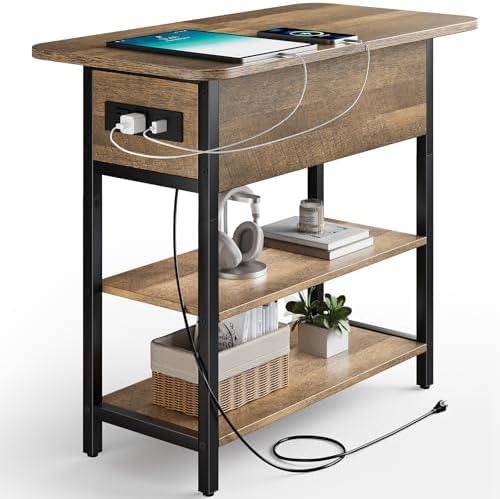
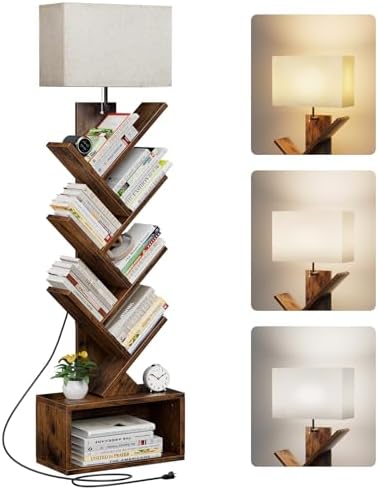
Multi-Functional Furniture
Pieces that serve more than one purpose can instantly free up room.
Think ottomans with hidden storage, beds with drawers underneath, or coffee tables that double as storage units.

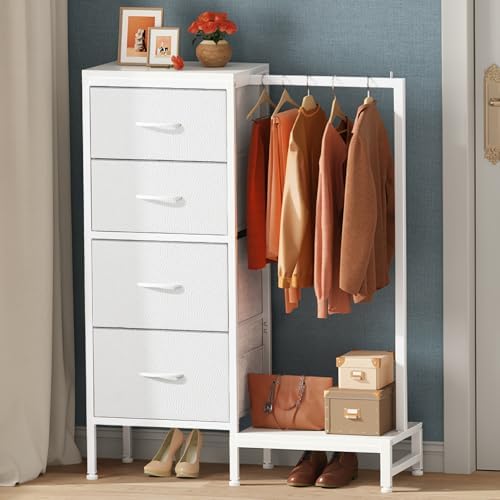
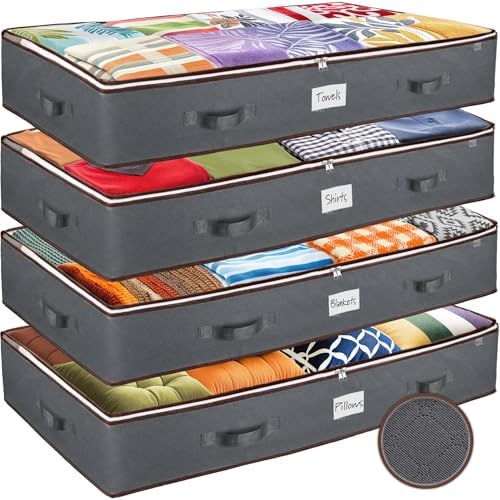
Under-Bed Storage Containers
This is one of the most overlooked storage areas.
Perfect for keeping seasonal clothes, extra bedding, or items you don’t use daily out of sight.



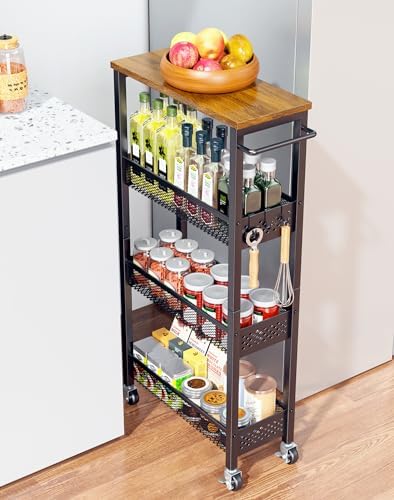
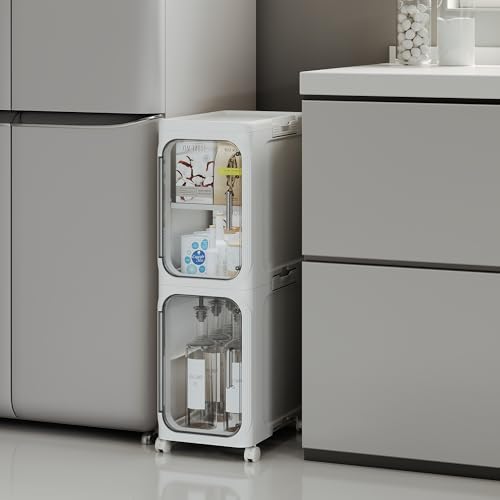
Slim Storage Cabinets
Narrow cabinets fit into tight spaces without making the room feel crowded.
Great for bathrooms, entryways, or small living areas.


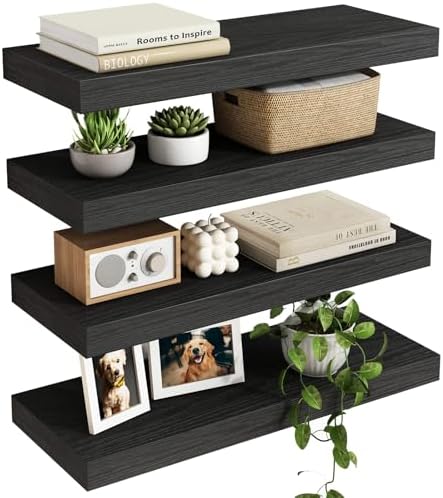
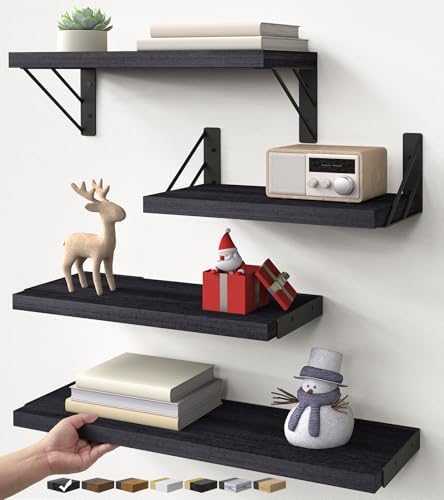
Wall-Mounted Floating Shelves
They give you storage without taking up floor space.
Ideal for keeping frequently used items accessible while maintaining a clean look.

Storage Baskets
Baskets help group items together and reduce visual clutter.
They make spaces look more intentional while keeping things easy to move and manage.


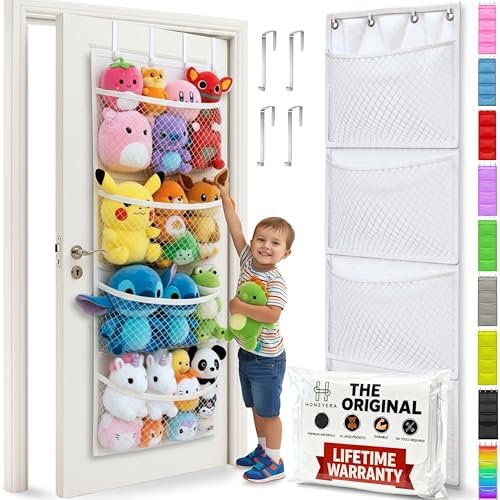
Over-the-Door Organizers
A simple way to use hidden space.
Perfect for shoes, accessories, or everyday items that need a place without taking up extra room.


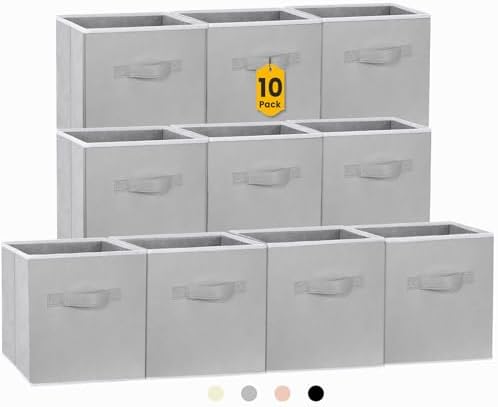
Foldable Storage Boxes
Flexible and easy to store when not in use.
They help keep things organized without committing to permanent structures.


Drawer Dividers
These keep small items from mixing together.
They make everyday use easier and reduce the need to constantly reorganize.


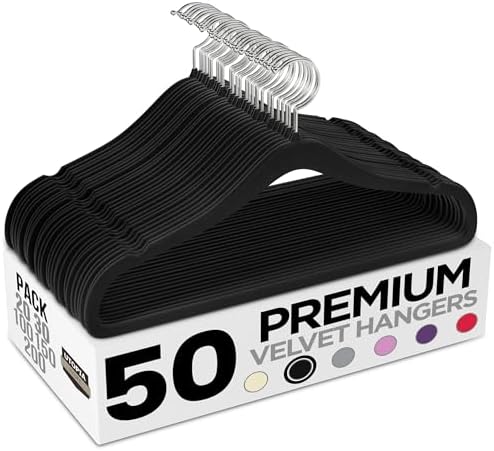
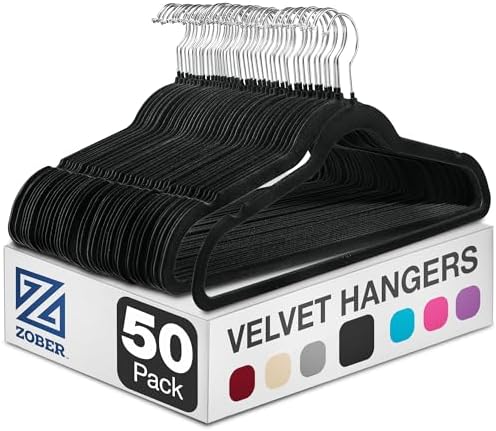
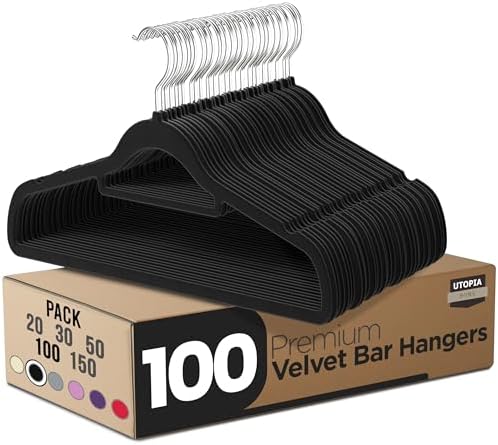
Slim Hangers
They take up less space than traditional hangers and keep your closet from feeling overcrowded.
A small change that makes a noticeable difference.

Rolling Storage Cart
Perfect for small apartments where space is limited.
It can be moved around easily and used in different areas depending on your needs.


These products work best when they support small, practical changes. You don’t need to use all of them—just a few that solve your main space issues can make your apartment feel noticeably bigger and easier to live in.
Final Thoughts
A small apartment doesn’t need to feel limiting.
It just needs less pressure in the places that matter most.
Less visual noise.
Less friction in your daily routine.
Less need to constantly adjust things just to make them work.
When you remove those small points of tension, the space starts to open up in a different way.
Not physically—but mentally.
And once your home feels easier to live in…
It naturally starts to feel bigger too.