How to Organize a Kitchen Without Upper Cabinets
At first, not having upper cabinets in your kitchen can feel like a huge disadvantage.
Where do you put your dishes? Your pantry items? All the random things that somehow end up in a kitchen?
But here’s the truth:
A kitchen without upper cabinets can actually be more functional, cleaner, and even more aesthetic—if you organize it the right way.
Let’s break it down step by step.
Start With a Mindset Shift
The first reaction most people have when they see a kitchen without upper cabinets is almost automatic: “There’s no way I have enough storage.”
And honestly, that reaction makes sense. We’ve all been used to kitchens where everything is hidden behind doors—plates up top, glasses above the sink, random containers we barely use just sitting there “just in case.”
So when those cabinets are gone, it can feel like something is missing… like the kitchen is incomplete.
But here’s what usually happens after a few weeks:
You start realizing how much of that space you weren’t actually using well.
Upper cabinets tend to become storage for things you don’t use often. Or worse, they become clutter zones—stuff you keep because you have space, not because you need it.
A kitchen without upper cabinets forces you to be more intentional.
And while that might feel uncomfortable at first, it’s actually where things start to improve.
Instead of asking “Where do I put everything?”, the better question becomes:
“What actually deserves a place in my kitchen?”
That small shift changes everything.
Because now, you’re not organizing more—you’re organizing smarter.
And once you start thinking that way, the rest becomes much easier.
Use Vertical Space (This Is Everything)
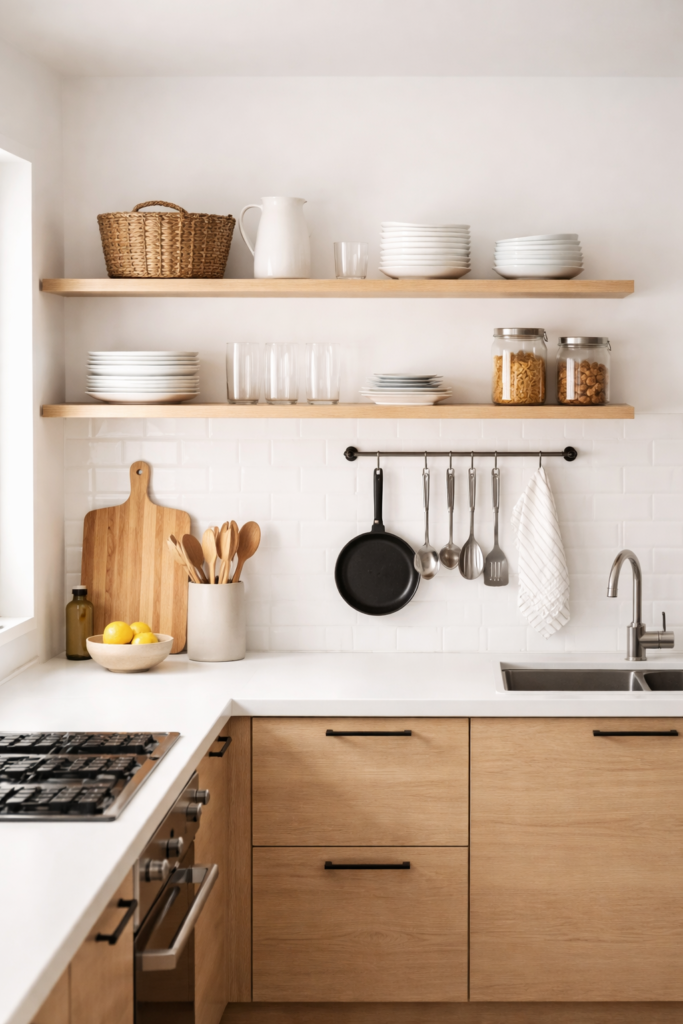
If upper cabinets are gone, your walls are no longer just empty space—they’re part of your storage system.
This is where most people either get it right… or completely miss the opportunity.
At first, adding open shelves or wall storage can feel risky. There’s this fear that everything will look messy or exposed. And yes, if you just throw things up there without a plan, it will.
But when done right, it actually makes your kitchen feel lighter and more open.
Think about what you use almost every day: plates, bowls, a couple of glasses, maybe your favorite mugs. Those are perfect candidates for open shelving.
The key is not to treat shelves like cabinets with no doors.
They’re not meant to hold everything—you’re curating what goes there.
Leave a bit of breathing room between items. Don’t stack things too tightly. It should feel easy, not crowded.
And something interesting happens when everything is visible:
You naturally keep things cleaner and more organized, because you can actually see the mess building up before it gets out of control.
Another option that works really well is combining shelves with small wall-mounted solutions—like rails or hooks for lightweight items. This keeps your most-used tools within reach without taking up drawer space.
At the end of the day, vertical space isn’t just a replacement for upper cabinets—it’s often a better system altogether.
Keep Your Counters Clear (As Much As Possible)
This is the part most people underestimate.
When you don’t have upper cabinets, your countertops become much more noticeable. There’s nothing above them to “balance” the visual weight, so even a little clutter can make the whole kitchen feel chaotic.
You don’t need perfectly empty counters—that’s not realistic.
But you do need to be a bit more intentional about what earns a spot there.
A good rule of thumb is simple: if you don’t use it almost every day, it probably doesn’t belong on the counter.
That bread maker you use once a month? Store it.
The blender you only use on weekends? Same thing.
What you keep out should feel natural and easy—like it belongs there.
For most people, that ends up being things like a coffee maker, maybe a kettle, and one or two small essentials.
Everything else starts to compete for attention.
And here’s the part people don’t talk about enough:
A clear counter doesn’t just look better—it makes your kitchen easier to use.
You have more room to prep food, clean, and move around without constantly shifting things out of the way.
It’s one of those small changes that makes a big difference every single day.
Rethink Your Lower Cabinets
Once the upper cabinets are gone, your lower cabinets stop being “extra storage” and become the core of your kitchen.
And this is where a lot of people get frustrated—not because they don’t have enough space, but because that space isn’t being used well.
Deep cabinets can be surprisingly inefficient. Things get stacked, pushed to the back, and eventually forgotten. You end up digging through layers just to find one item, and that’s when the whole system starts to break down.
The fix isn’t necessarily more space—it’s better access.
If you can, switching to pull-out drawers makes a huge difference. Being able to see everything at once changes how you use the space. No more guessing what’s hiding in the back.
If drawers aren’t an option, then it’s all about creating levels inside your cabinets. Stackable containers, simple shelf risers, or even small bins can help separate categories so things don’t blend into one pile.
It doesn’t have to be complicated. The goal is just to make sure that every item is easy to reach and easy to put back.
Because if putting something away feels like a hassle, it won’t stay organized for long.
Add a Freestanding Storage Piece
Sometimes, you just need a little extra support—and that’s completely fine.
A lot of kitchens without upper cabinets benefit from one additional piece of furniture that acts as a “backup” storage area.
It could be a slim pantry cabinet tucked into a corner, a small sideboard against an empty wall, or even a rolling cart that you can move around as needed.
What matters is not the size, but the function.
This extra piece can take the pressure off your main cabinets. It’s a place for things that don’t need to be front and center but still need to live somewhere accessible.
And in many cases, it ends up becoming one of the most useful parts of the kitchen.
Especially if you choose something flexible—like a cart—you can adapt it over time depending on your needs.
Use Hooks and Rails for Everyday Items
There’s something very practical about having your most-used items out in the open.
Not in a messy way, but in a way that makes sense.
Hooks and rails are one of those small additions that quietly change how your kitchen works. Instead of opening drawers over and over again, you just reach for what you need.
Utensils, mugs, small pans, even dish towels—these are all things you use constantly. Giving them a visible, accessible place makes everyday tasks feel smoother.
And it also frees up space where it matters.
Drawers become less crowded. Cabinets feel less packed. Everything starts to flow a bit better.
The key here is to keep it selective. Just because you can hang something doesn’t mean you should hang everything.
A few well-chosen items will look intentional. Too many, and it starts to feel cluttered again.
Be Intentional With What You Keep
This is probably the part that makes the biggest difference, but also the one people tend to avoid.
When storage is limited, you don’t really have the luxury of holding onto things “just in case.”
And that’s not a bad thing.
It forces you to take a closer look at what you actually use on a regular basis. Not what you might use someday, not what you feel like you should keep—but what genuinely fits into your daily life.
Most kitchens have more items than they need. Duplicate tools, unused gadgets, things that seemed useful at the time but never really found their place.
Letting go of those items creates space—not just physically, but mentally too.
Everything becomes easier to find, easier to use, and easier to maintain.
And over time, you start to appreciate having less, but better.
Create Zones (So Everything Has a Home)
One of the easiest ways for a kitchen to feel chaotic is when things don’t have a clear place to go.
When storage is limited, that problem shows up even faster.
Creating simple zones can solve that almost immediately.
You don’t need anything complicated. Just think in terms of how you actually use your kitchen.
A space for cooking tools, a spot for cleaning supplies, an area for food prep, another for pantry items.
Once those zones are defined, organizing becomes much more intuitive.
You’re no longer deciding where things go every time—you already know.
And that consistency is what keeps the kitchen from slowly slipping back into clutter.
Make It Look Good (Not Just Functional)
One of the unexpected benefits of not having upper cabinets is how open everything feels.
There’s more light, more breathing room, and a sense that the kitchen is part of the living space, not closed off from it.
So it makes sense to pay a little attention to how it looks—not in a perfect, showroom kind of way, but in a way that feels calm and cohesive.
Simple things make a difference.
Using containers that match or at least look consistent. Keeping colors relatively neutral. Avoiding too many different textures competing for attention.
It’s not about decoration—it’s about reducing visual noise.
Because when your kitchen looks clean, it also feels easier to keep clean.
And that’s really the goal of all of this.
Recommended Products to Maximize Storage Without Upper Cabinets
When you don’t have upper cabinets, the right products can make a huge difference. The goal isn’t to buy more things—it’s to choose a few smart tools that actually solve storage problems and make your kitchen easier to use.
Here are some of the most useful ones.
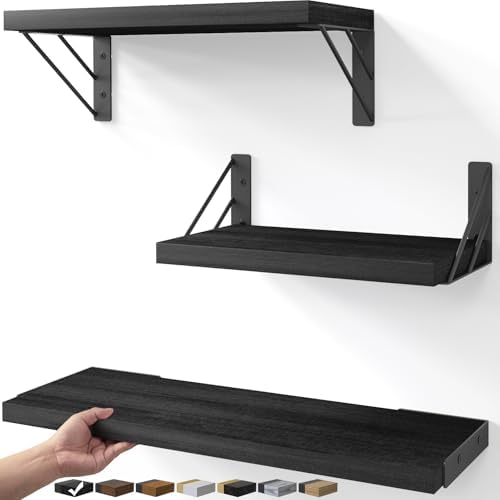
Wall-Mounted Shelves
Floating shelves are one of the best replacements for upper cabinets.
They give you easy access to everyday items like plates, bowls, and glasses, while also keeping the space feeling open. Look for sturdy options that can handle weight and are easy to install.
A good tip is to go for simple designs in neutral colors so they don’t overwhelm the space visually.


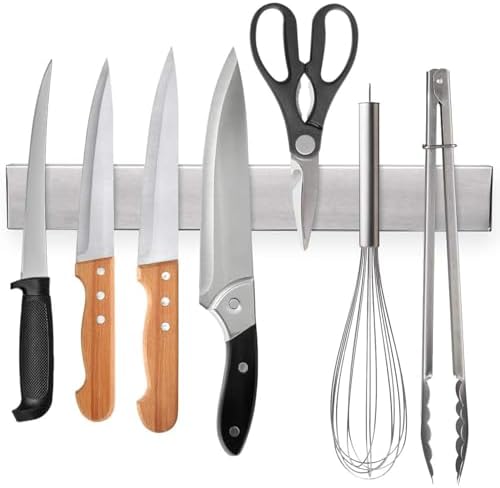
Magnetic Knife Strip
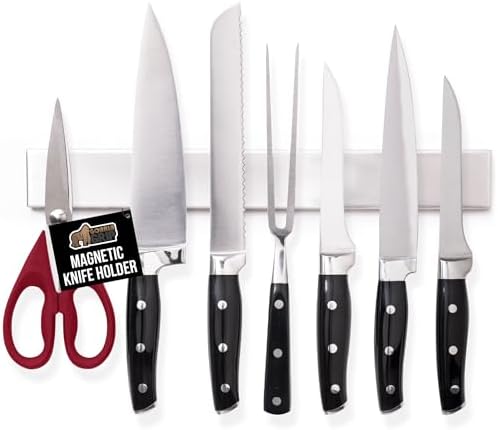
If you’re still using a bulky knife block on your counter, this is an easy upgrade.
A magnetic knife strip mounts directly on the wall and frees up counter space instantly. It also makes your knives easier to grab while cooking.
It’s one of those small changes that feels surprisingly impactful.


Over-the-Sink Dish Drying Rack
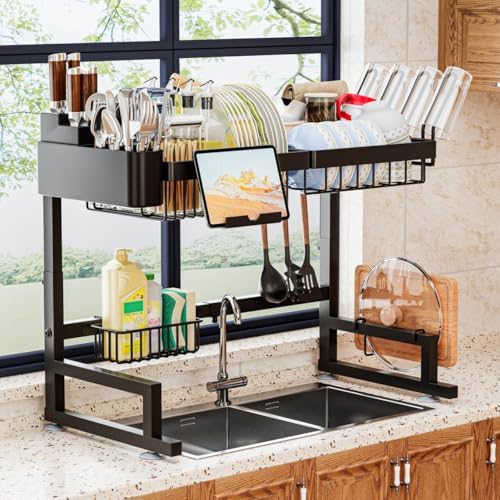
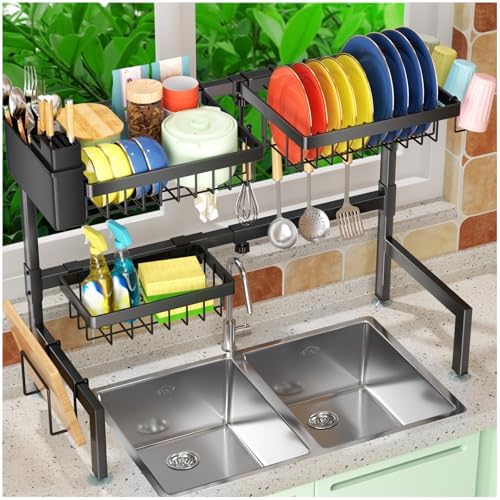
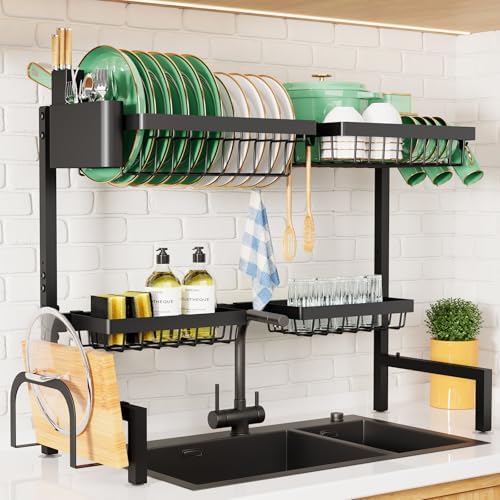
This is a game changer, especially in small kitchens.
Instead of using valuable counter space for drying dishes, an over-the-sink rack keeps everything elevated and organized. Some models even include sections for utensils, cutting boards, and sponges.
It’s a simple way to create extra “invisible” space.

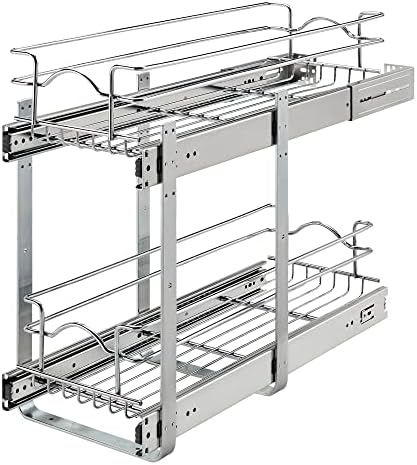
Pull-Out Cabinet Organizers
Lower cabinets can quickly turn into a mess if everything is stacked.
Pull-out organizers solve that by letting you slide everything out and see it at once. They’re perfect for pots, pans, or pantry items that would otherwise get lost in the back.
Even adding one or two can completely change how your cabinets function.


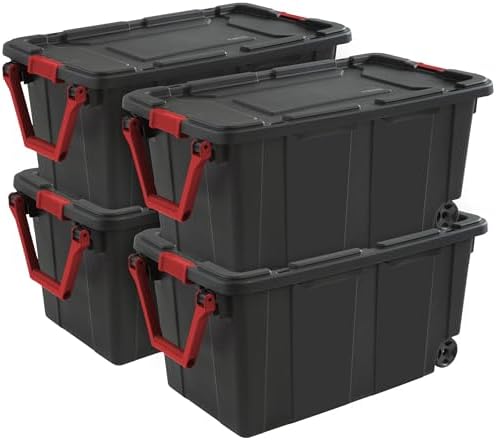
Stackable Storage Containers
If you’re storing food or dry goods, stackable containers are essential.
They help you use vertical space inside cabinets more efficiently and keep everything looking clean and consistent. Clear containers work best because you can see what’s inside without opening everything.
Plus, they make your kitchen feel more organized instantly.



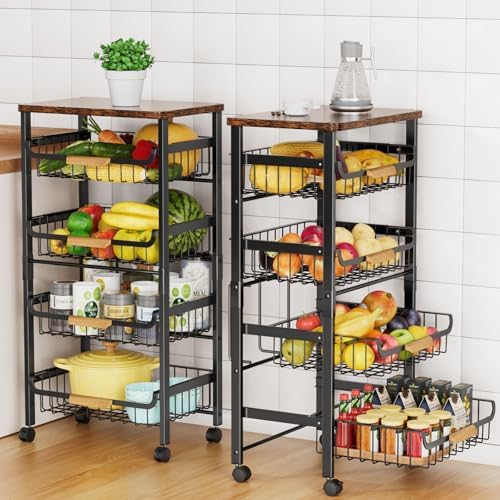
Rolling Kitchen Cart
If you’re missing storage, a rolling cart is one of the easiest solutions.
You can use it for extra pantry space, small appliances, or even as a prep station. And since it’s movable, you can adjust it depending on what you need at the moment.
It’s flexible, practical, and perfect for small kitchens.



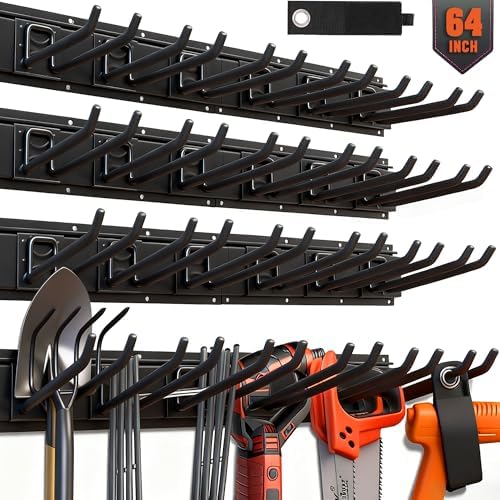
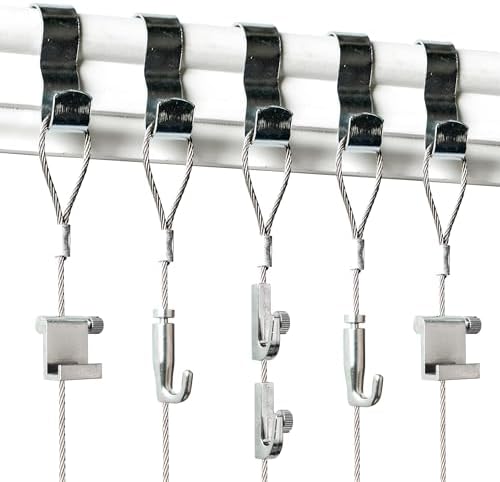
Wall Rail System with Hooks
A simple rail with hooks can hold a surprising amount of items.
Utensils, mugs, small pans, and even dish towels can all hang neatly on the wall. This keeps your most-used items within reach while freeing up drawer and cabinet space.
It also adds a functional, slightly modern look to your kitchen.


Lazy Susan Turntables
Corners and deep cabinets can be hard to manage.
A Lazy Susan helps you access items without having to move everything around. It’s especially useful for spices, oils, or cleaning supplies under the sink.
It’s a small addition, but it saves a lot of time and frustration.


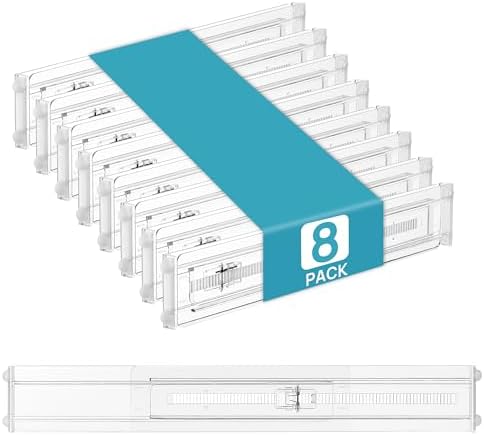
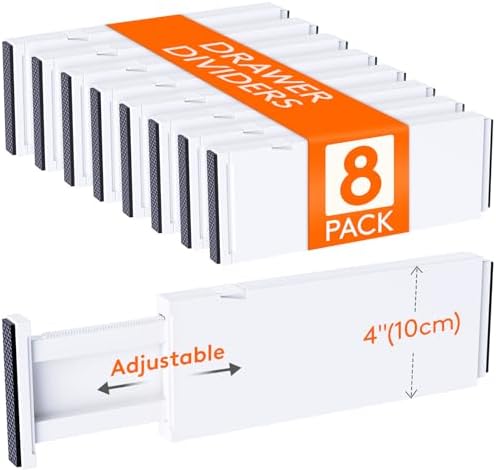
Drawer Dividers
Drawers can easily become chaotic if everything is mixed together.
Dividers create structure, making it easier to find what you need and keep things in place. They work well for utensils, kitchen tools, and even small pantry items.
Once you use them, it’s hard to go back.


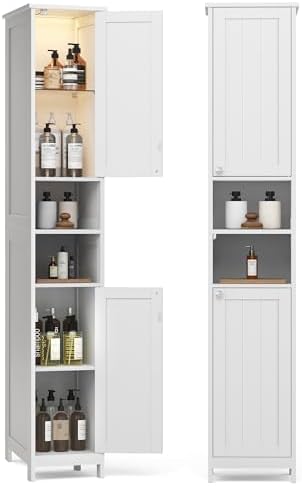
Slim Pantry Storage Cabinet
If you have a bit of extra space, a slim pantry cabinet can replace a lot of what you lost without upper cabinets.
It doesn’t take up much room but adds a surprising amount of vertical storage. Perfect for dry goods, snacks, or items you don’t use every day.
It’s a simple way to expand your kitchen without a full renovation.
These products aren’t about filling your kitchen with more stuff—they’re about making your space work better for you. Even adding just a couple of these can make your kitchen feel more organized, more functional, and a lot less stressful to use every day.



Final Thoughts
At the beginning, a kitchen without upper cabinets can feel like a limitation.
But once you adjust how you think about space and start making a few intentional changes, it often turns into the opposite.
You become more aware of what you own, more efficient with how you store it, and more mindful of how your kitchen actually works day to day.
It’s not about having less—it’s about using what you have in a better way.
And in many cases, that ends up being more than enough.