
Minimalist Organization Tips for Small Homes
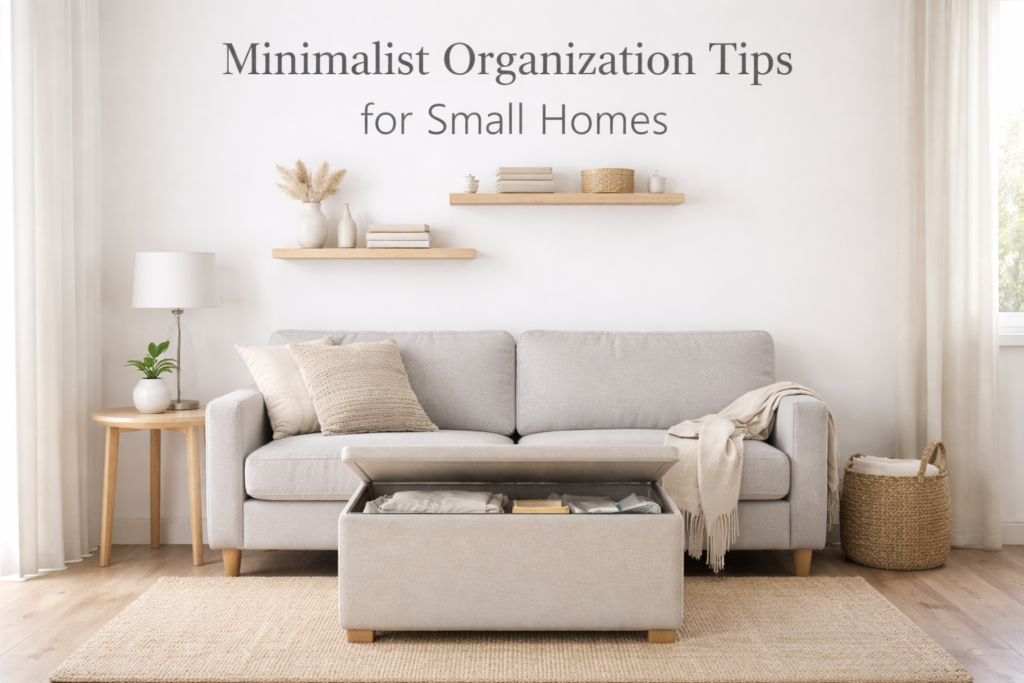
Living in a small home has its own charm. Spaces tend to feel warmer, more personal, and easier to maintain than large houses. But at the same time, when there isn’t much room to work with, clutter can build up faster than expected. A few extra items on a table, a crowded closet, or overflowing drawers can quickly make the entire space feel smaller.
This is one of the reasons minimalist organization has become so popular for small homes. It isn’t about stripping your home down to the bare minimum or getting rid of everything you enjoy. Instead, it’s about creating breathing room in your environment. When you focus on keeping what truly adds value to your daily life, the space begins to feel calmer and easier to manage.
Small homes benefit the most from thoughtful organization because every shelf, drawer, and corner matters. With a few intentional choices, even a compact space can feel open, comfortable, and surprisingly functional.
Start by Letting Go of What You Don’t Use
One of the biggest challenges in small homes isn’t the size of the space—it’s the number of things competing for that space. Over time, it’s easy to accumulate items without realizing how much room they’re taking up.
Clothes that no longer fit, kitchen gadgets used once or twice, decorations stored in boxes “just in case.” Individually, these items might not seem like a problem, but together they quietly fill closets and cabinets.
The first step toward minimalist organization is simply taking a closer look at what you actually use. A helpful approach is to walk through each room and ask a simple question: does this item support my daily life?
If the answer is yes, it deserves a place in your home. If the answer is no—or if you can’t remember the last time you used it—it might be worth letting go.
This process doesn’t have to happen all at once. Many people find it easier to declutter little by little. Maybe one drawer today, a shelf tomorrow, and a closet next weekend. Over time, those small decisions create a noticeable amount of space.
And once the extra items are gone, organizing what remains becomes much easier.
Choose Furniture That Serves More Than One Purpose
Furniture plays a huge role in how a small home functions. In larger homes, it’s common for pieces to serve only one purpose. But when space is limited, furniture that does double duty can make a big difference.
A coffee table with hidden storage, for example, can hold books, blankets, or small electronics while still serving as the center of the living room. A bed frame with built-in drawers can eliminate the need for a separate dresser.
Even smaller pieces can offer extra functionality. A storage bench near the entrance can hold shoes while providing a place to sit. A folding table can work as a workspace during the day and disappear when not in use.
These kinds of furniture choices help reduce the need for additional cabinets or storage units. Instead of filling the home with more furniture, each piece quietly supports the overall organization of the space.
Over time, this approach keeps the home feeling lighter and less crowded.
Use Vertical Space Whenever Possible
When people think about storage, they often focus on the floor—adding more cabinets, boxes, or shelves at ground level. But in small homes, the real opportunity usually sits a bit higher.
Walls offer a surprising amount of unused space. Tall bookshelves, floating shelves, and wall-mounted organizers can store everyday items while leaving the floor clear.
This simple change can make a room feel much more open. Instead of spreading items across multiple surfaces, vertical storage keeps things neatly contained in one area.
Hooks are another underrated solution. A few well-placed hooks can hold bags, jackets, hats, or even kitchen utensils. In entryways, they prevent coats and backpacks from piling onto chairs or tables.
The goal isn’t to cover every wall with storage, but to use a few strategic spots where vertical organization can make daily life easier.
Think in Zones Instead of Rooms
In smaller homes, it’s common for a single room to serve multiple purposes. A dining table might also be where you work during the day. The living room might double as a reading space, a relaxation area, or even a temporary guest room when someone visits.
Because of this, trying to organize the space as if every activity has its own separate room can feel frustrating. Instead, it often helps to think in terms of zones.
A zone is simply a small area dedicated to a specific purpose. For example, a corner of the living room might become a reading zone with a comfortable chair, a small lamp, and a shelf for a few favorite books. Another corner could act as a workspace with a small desk and a container for office supplies.
By grouping related items together, you prevent things from spreading throughout the entire room. The space starts to feel more structured, even if it’s being used for several different activities.
Zones also make it easier to tidy up. When you know where things belong, it takes much less effort to return them to their place.
Keep Surfaces Clear
One habit that makes a noticeable difference in small homes is keeping surfaces as clear as possible. Tables, kitchen counters, and shelves tend to collect items throughout the day—mail, keys, cups, random objects that get set down “just for a minute.”
Before long, those small piles can make the entire room feel cluttered.
When surfaces stay mostly open, the room immediately feels calmer and more spacious. Even if the home is small, a clear table or countertop creates a sense of visual breathing room.
This doesn’t mean everything has to be hidden away. A few well-chosen items on display—a plant, a candle, a framed photo—can add personality without overwhelming the space.
The key is balance. When only a handful of items are visible, they feel intentional instead of accidental.
Create Simple Daily Habits
Good organization isn’t only about storage systems. It’s also about small routines that keep things from getting out of control.
In a small home, clutter becomes noticeable quickly. But the good news is that it also takes very little time to bring things back to order.
A simple evening reset can make a big difference. Taking five or ten minutes to return items to their place, fold a blanket, or clear a table helps the space start fresh the next day.
Putting things away right after using them is another habit that keeps clutter from building up. It might seem like a small action, but over time it prevents the need for big, exhausting cleanups.
These routines don’t need to feel strict or complicated. They’re simply small moments of attention that help the home stay comfortable and functional.
Recommended Products
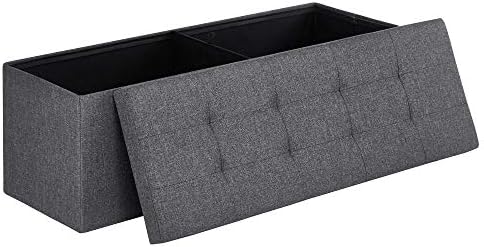
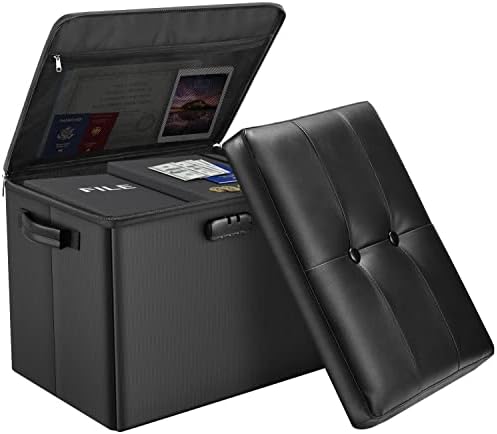
Storage Ottoman with Hidden Compartment
A storage ottoman is one of the most useful pieces of furniture for small homes. It works as a comfortable seat or footrest while also providing hidden storage inside. This makes it perfect for storing blankets, magazines, remote controls, or other everyday items that tend to clutter the living room. Because the storage is concealed, the room stays tidy without adding bulky cabinets or shelves.


Floating Wall Shelves
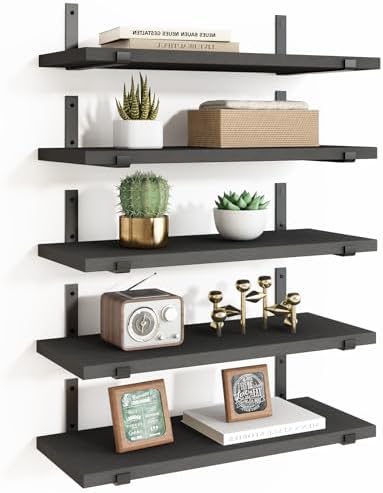
Floating shelves are a great way to use vertical space without making a room feel crowded. These shelves attach directly to the wall and provide a simple place to store books, small baskets, decorative items, or everyday essentials. In small homes, floating shelves help keep floors clear while still offering practical storage. They also add a clean and minimalist look that works well in compact spaces.



Under Bed Storage Containers
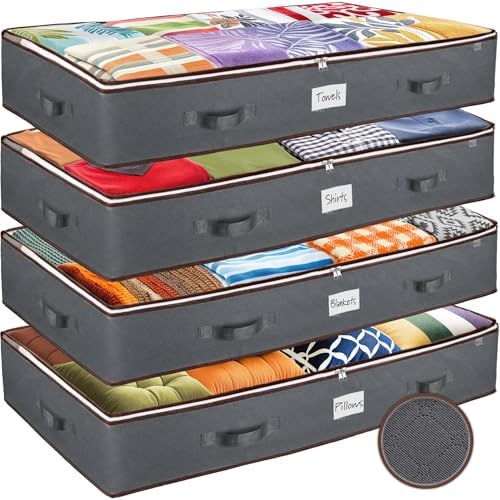
The space under the bed is often overlooked, but it can provide a surprising amount of storage. Under bed containers are perfect for storing seasonal clothes, extra bedding, shoes, or items that are not used every day. Many containers come with wheels or handles, making them easy to slide in and out when needed. This solution keeps items out of sight while using space that would otherwise remain empty.



Expandable Drawer Dividers
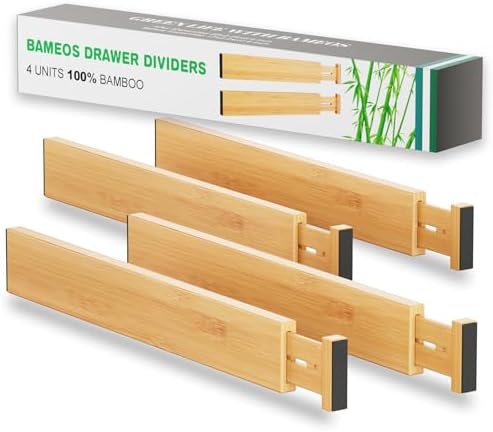
Drawer dividers help keep small items organized and easy to find. These adjustable dividers can be placed inside kitchen drawers, dressers, or office drawers to create separate sections for different items. In small homes where storage space is limited, drawer dividers prevent clutter from building up and make it easier to maintain an organized system.


Decorative Storage Baskets
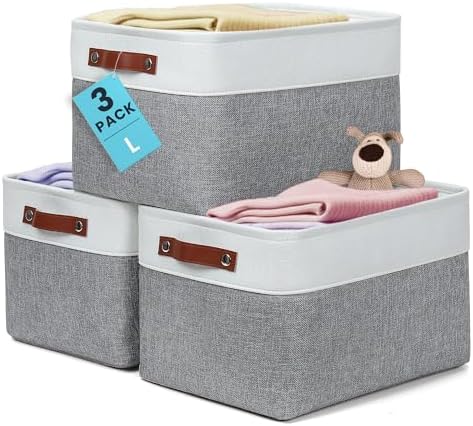
Decorative baskets combine functionality with style. They can hold a variety of items such as blankets, toys, magazines, or everyday accessories while still looking visually appealing in the room. Baskets are especially helpful for minimalist homes because they allow you to quickly store items without creating visual clutter. Placing a few well-chosen baskets around the home can keep things organized while maintaining a warm and inviting atmosphere.


Final Thoughts
Minimalist organization isn’t about making your home look like a magazine photo. It’s about creating a space that feels peaceful and easy to live in.
Small homes, in particular, benefit from thoughtful organization because every item has an impact on how the space feels. When belongings are reduced to what you truly use and enjoy, the home naturally becomes easier to maintain.
With a few practical habits, smart storage choices, and a focus on simplicity, even the smallest home can feel open, welcoming, and surprisingly spacious.