Small Space Organization Hacks Nobody Talks About
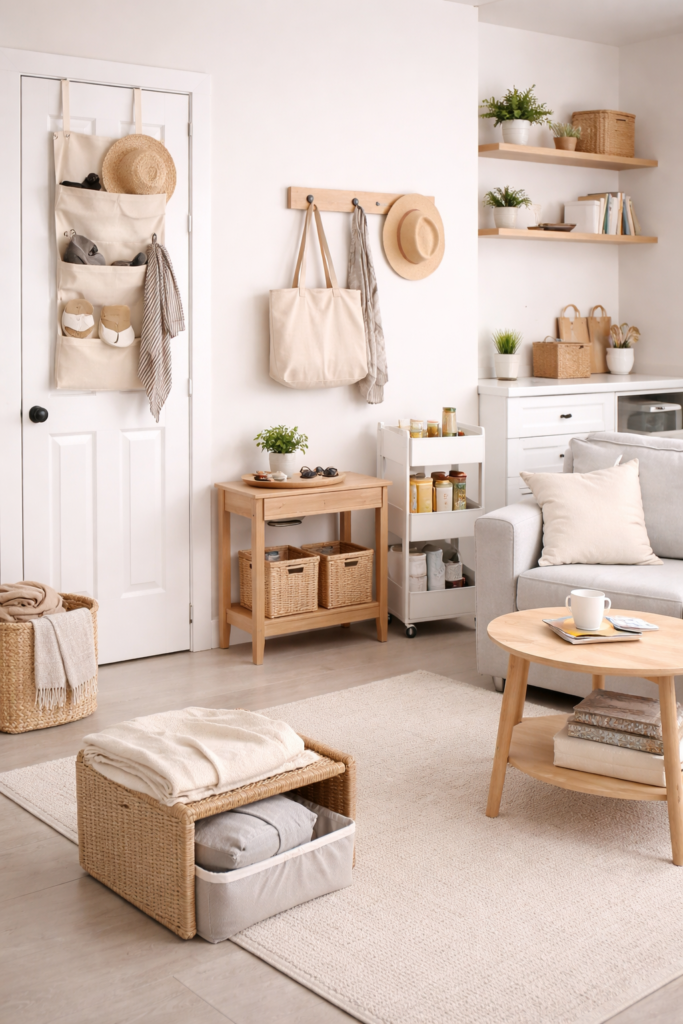
If you live in a small space, you’ve probably tried all the usual advice.
Use bins.
Add shelves.
Declutter.
And while those things help… they don’t always solve the real problem.
Because the truth is, small spaces don’t get messy just because you have “too much stuff.”
They get messy because the space doesn’t work with your daily habits.
That’s where these hacks come in.
Not the obvious ones—the ones people actually use once they stop trying to make their home look perfect and start trying to make it functional.
Store Things Where You Actually Use Them
One of the biggest reasons small spaces feel messy has nothing to do with how much stuff you have.
It’s where that stuff lives.
A lot of us organize based on what makes sense logically. Plates go in one place, keys in another, random items tucked wherever there’s space available.
But daily life doesn’t always follow logic—it follows habits.
You walk into your home and drop your keys in the same spot without thinking. You take off a jacket and leave it on a chair. You place something down “just for a second,” and somehow it stays there.
Instead of fighting those patterns, it’s much easier to work with them.
If something naturally ends up in the same place over and over again, that’s not a bad habit—it’s a signal.
That’s where it should go.
So instead of constantly moving things back to where they “belong,” give them a place where they already tend to land.
A small tray near the door for keys. A hook where you usually drop your bag. A basket in that corner where things always pile up.
It might not look like a traditional system, but it works.
And when something works with your natural behavior, it’s much easier to maintain without effort.
Stop Trying to Hide Everything
There’s this idea that an organized home means everything is out of sight.
Closed cabinets, hidden storage, nothing visible.
And while that can look clean, it doesn’t always work in real life—especially in small spaces.
Because when things are too hidden, they become harder to access.
And when something is even slightly inconvenient to reach, you’re less likely to put it back.
That’s when clutter starts creeping back in.
So instead of trying to hide everything, it helps to rethink what actually needs to be hidden.
Some things are used every day. It makes sense for them to be visible and easy to grab.
The trick is to keep that visibility intentional.
Not everything out at once—just the right things.
A few neatly placed items on a shelf. Everyday essentials in a simple container. Things arranged in a way that feels calm instead of crowded.
When done right, visible storage doesn’t look messy—it looks lived-in and functional.
And more importantly, it makes your space easier to use.
Use “In-Between” Spaces
This is one of those things you don’t really notice until you start looking for it.
Small spaces are full of little gaps and awkward areas that don’t seem useful at first.
That narrow space next to a cabinet. The inside of a door. The side of a piece of furniture.
Individually, they don’t look like much.
But once you start paying attention, you realize how many of these spaces exist—and how much potential they have.
You don’t need to turn them into something complicated.
Sometimes it’s as simple as adding a hook, a slim organizer, or a small shelf.
It’s not about creating more space—it’s about using the space that’s already there.
And the benefit is that these areas don’t interfere with your main living space.
They’re almost invisible, but still functional.
Which is exactly what you want in a small home.
Create Friction for Things You Don’t Want to Pile Up
Most organization advice is about making things easier.
Easier to grab, easier to store, easier to access.
And that makes sense—until you realize that some of the mess in your space comes from things being too easy.
Empty surfaces, for example, are an invitation. You put something down for a second, then another thing, and before you notice, that clean space becomes a clutter magnet.
So instead of always removing friction, sometimes it helps to add just a little of it in the right places.
Not enough to make your life harder—just enough to interrupt the habit.
If a surface tends to collect random items, don’t leave it completely open. Place something intentional there—a small plant, a lamp, a tray. Suddenly, there’s less room for things to pile up without thinking.
If a certain category always overflows, don’t give it unlimited space. A smaller container forces you to stay aware of what you’re keeping.
It’s a subtle shift, but it changes your behavior without you having to constantly remind yourself to “stay organized.”
Make “Temporary Storage” Part of Your System
Real life isn’t perfectly organized.
Things are always in motion—clothes you just wore, packages you haven’t opened yet, items you used and plan to use again later.
And when there’s no place for those in-between moments, they end up scattered everywhere.
That’s why having a small “temporary zone” makes such a difference.
It doesn’t need to be big or complicated. Just something simple—a basket, a tray, a designated corner.
A place where things can land without immediately needing a permanent home.
This takes a lot of pressure off.
You don’t have to stop what you’re doing to organize everything perfectly. You just place it in that temporary spot, and deal with it later when you have the time.
And because it’s contained, it doesn’t spread across your entire space.
It’s one of those small adjustments that makes your home feel more flexible and realistic.
Organize Based on Frequency, Not Category
A lot of organization systems look great on paper, but don’t always work in daily life.
Grouping things by category makes sense logically—but it doesn’t always match how you move through your space.
In a small home, access matters more than perfection.
The things you use every day should be the easiest to reach. Not stacked behind something else, not stored in a place that takes effort to get to.
If you have to think twice before grabbing something, it’s probably not in the right spot.
Items you use less often can be stored a bit further away—higher shelves, deeper storage, less convenient areas.
This way, your space naturally supports your routine.
You’re not digging around or rearranging things just to get what you need.
Everything flows a little more smoothly.
Leave Some Space Empty on Purpose
When space is limited, it’s tempting to use every inch.
Every shelf filled. Every corner occupied. Every surface doing something.
But the problem is, once everything is full, there’s nowhere for life to happen.
And life always brings a bit of mess with it.
A package arrives. You set something down. You need a place to work or clean or just move things around.
If your space is already at full capacity, even small things start to feel overwhelming.
Leaving some areas intentionally empty creates flexibility.
It gives you room to adjust, to shift things around, to handle everyday situations without everything feeling tight.
It also makes your space feel calmer.
Not because it’s perfect—but because it’s not overloaded.
Don’t Over-Optimize Too Early
It’s easy to fall into the trap of trying to get everything “just right” from the beginning.
You look for the perfect system, the perfect layout, the perfect setup.
But the truth is, you don’t really know what works until you live with it.
What looks good or makes sense at first might not fit your routine at all.
That’s why it’s better to start simple.
Use basic solutions. Try things out. Pay attention to what feels easy and what feels annoying.
Those small signals tell you what needs to change.
Over time, your system naturally improves—not because you planned everything perfectly, but because you adjusted based on real experience.
And those are the systems that actually last.
Recommended Products for Small Space Organization
When you’re dealing with a small space, the right products can make everyday life a lot easier. The key is to choose items that don’t just add storage—but actually improve how your space functions.
Here are some simple, practical options that work in real life.
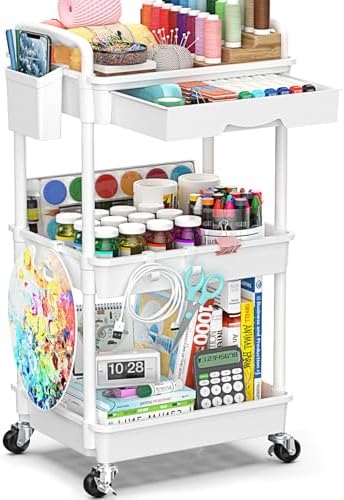
Slim Rolling Storage Cart
This is perfect for those narrow “in-between” spaces that usually go unused.
You can slide it next to a fridge, between furniture, or even in a bathroom. It’s great for storing everyday items while keeping them easy to access.
Because it’s movable, it also gives you flexibility depending on what you need.


Over-the-Door Organizer
The back of a door is one of the most overlooked storage areas.
An over-the-door organizer lets you store shoes, cleaning supplies, toiletries, or accessories without taking up floor space. It’s simple, but surprisingly effective.


Stackable Storage Bins
When space is limited, stacking becomes essential.
These bins help you use vertical space inside closets, cabinets, or shelves while keeping everything grouped and easy to find.
Clear bins are especially useful so you don’t have to open everything to see what’s inside.


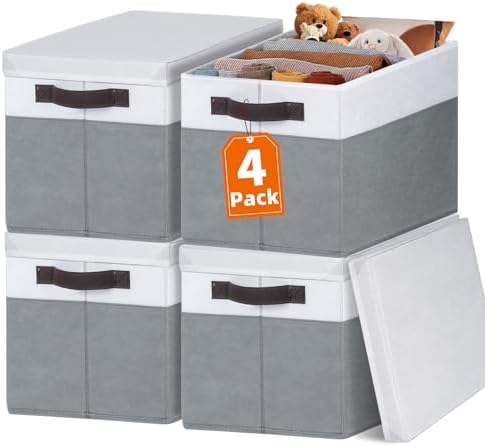
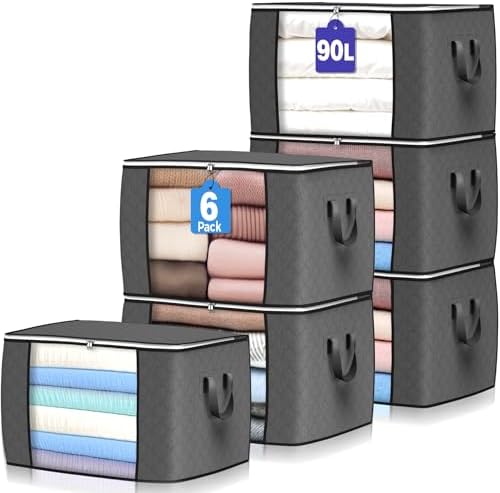
Foldable Storage Boxes
Not everything needs to be out all the time.
Foldable boxes are great for storing items you don’t use daily while still keeping them organized. And when you don’t need them, you can fold them away to save space.



Wall-Mounted Hooks and Rails
Hooks are one of the simplest ways to add storage without cluttering your space.
You can use them for bags, jackets, towels, or even kitchen items. A small rail system with hooks can hold multiple items while keeping everything accessible.


Under-Bed Storage Containers
If you’re not using the space under your bed, you’re missing out on valuable storage.
These containers are perfect for seasonal items, extra clothes, or anything you don’t need every day. They stay out of sight but are still easy to access when needed.


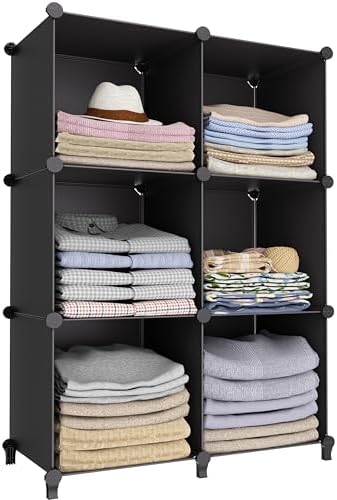
Multi-Purpose Furniture with Storage
In small spaces, furniture should do more than one job.
Think of ottomans with hidden storage, beds with drawers, or benches that open up. These pieces help you store things without adding extra items to your home.



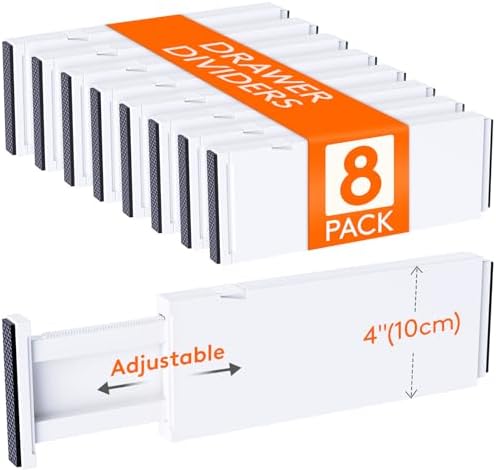
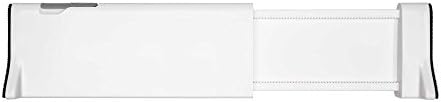
Drawer Dividers
Even in small spaces, drawers can get messy quickly.
Dividers help create sections so everything has its place. This makes it easier to find what you need and keeps things from becoming chaotic again.


Lazy Susan Turntables
For deep cabinets or hard-to-reach areas, a Lazy Susan makes a big difference.
Instead of digging through items, you just rotate it. It’s especially useful for small items that tend to get lost.
![12-Inch Non-Skid Turntable Lazy Susan Organizer [4 Pack] - Spinni...](https://m.media-amazon.com/images/I/41q2l-FL6OL._AC_.jpg)

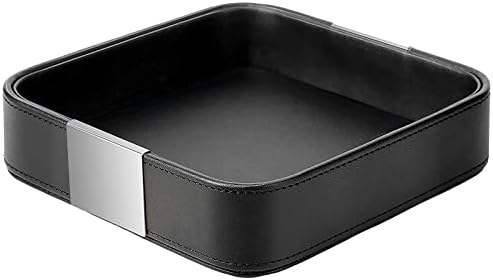
Small Catch-All Trays
These are perfect for creating controlled “drop zones.”
Instead of leaving random items scattered around, a tray gives them a defined place. It’s a simple way to keep surfaces looking clean while still being practical.
These products aren’t about filling your space with more things—they’re about making your space work better for you. Even adding a few of these can make a noticeable difference in how organized and manageable your home feels every day.


Final Thoughts
Small space organization isn’t about doing everything “right.”
It’s about making small changes that fit into your real life.
When your space supports your habits instead of fighting them, things start to feel easier without much effort.
You’re not constantly cleaning up.
You’re not reorganizing every week.
You’re just maintaining something that already works.
And in a small space, that kind of simplicity goes a long way.