How to Organize Your Home When You Have Too Much Stuff
At some point, it stops being about organization.
You clean. You rearrange. You try to make things fit.
And for a moment, it works.
But then everything slowly goes back to how it was.
Not because you’re doing something wrong—but because there’s simply too much stuff for the space you have.
That’s the part most people avoid.
We look for better systems, better storage, better ideas…
When the real issue is volume.
And once you accept that, organizing your home becomes a very different process.
Start by Letting Go of “Perfect Organization”
There’s a moment most people hit without realizing it.
You’re standing in front of a drawer, a closet, a shelf… trying to make everything fit.
You shift things around. You stack a little tighter. You tell yourself, “If I just organize this better, it’ll work.”
And sometimes it does—for a few days.
But then it slowly goes back.
Not because you’re messy. Not because you lack discipline.
But because you’re asking your space to hold more than it comfortably can.
That’s where the idea of “perfect organization” starts to get in the way.
It makes you think there’s a smarter system out there. A better layout you just haven’t found yet.
So you keep adjusting. Tweaking. Rearranging.
But nothing really sticks.
Because the problem isn’t how things are organized.
It’s how much your space is trying to carry.
Letting go of perfect organization doesn’t mean giving up.
It means changing the goal.
Instead of trying to make everything fit flawlessly, you start asking a different question:
“What would make this space feel easier to live in?”
And that question leads you in a much more useful direction.
Focus on What You Actually Use
This is where things start to feel a little more honest.
Because when you look around your home, not everything you see is part of your daily life.
Some things are.
But a lot of it falls into a different category.
Things you keep out of habit.
Things you forgot you had.
Things you’re saving for “later” that never really comes.
And none of that is wrong.
It’s just… quiet.
It sits there without demanding attention, but it still takes up space.
And over time, it starts competing with the things you actually use.
That’s when your space begins to feel heavier.
Because now, even simple routines require a bit more effort.
You have to move things. Look a little longer. Think a bit more.
So instead of trying to organize everything at once, start smaller.
Pay attention to what you naturally reach for.
The items you use without thinking. The ones that are already part of your routine.
Those are your anchors.
Once you see them clearly, everything else becomes easier to question.
Not in a harsh way.
Just in a practical one.
Does this belong in my everyday space?
Or is it just taking up room because it’s always been there?
And that distinction is where real space starts to open up.
Stop Trying to Store Everything in Prime Space
There’s a reason certain spots in your home fill up faster than others.
They’re easy.
Easy to reach. Easy to see. Easy to use without thinking.
So naturally, everything ends up there.
Your favorite drawer. That shelf at eye level. The corner of the counter you pass by every day.
And when you have too much stuff, those spaces become crowded first.
Not because they’re the best place for everything—but because they’re the most convenient.
That’s where things start to feel frustrating.
Because now, the items you actually use have to compete with things you don’t.
You open a drawer and have to move something out of the way.
You reach for something simple and it’s buried behind other items.
You start leaving things out because putting them back feels like effort.
And that’s how clutter builds in plain sight.
A small shift here can change everything.
Instead of letting everything drift into your easiest spaces, you start protecting them.
You treat those areas as “priority zones.”
Only the things you use regularly belong there.
Not occasionally. Not “just in case.”
Daily use.
Everything else still has a place—but not in your main path.
And once you make that distinction, those spaces start working again.
They feel lighter. Faster. More functional.
Create Space Before You Try to Organize
This is where most people go in circles.
They feel overwhelmed, so they try to organize.
They buy containers. Rearrange shelves. Move things from one place to another.
And for a moment, it looks better.
But it doesn’t feel better.
Because nothing actually changed—everything just moved.
That’s the difference between organizing and creating space.
Organizing without space is just rearranging.
You’re working within the same limits, trying to make them stretch.
And eventually, they snap back.
Creating space, even a little, changes how everything behaves.
A drawer that isn’t packed lets you see what you have.
A shelf with room gives you flexibility.
A small empty area gives you breathing room—both physically and mentally.
And that breathing room matters more than it seems.
Because it gives you options.
You’re not forcing things to fit anymore.
You’re choosing where they go.
So before you organize, step back and make room.
Not perfectly. Not all at once.
Just enough to stop the constant pressure.
Make It Easy to Maintain
This is the part that determines whether anything lasts.
You can spend hours organizing your home.
But if the system doesn’t fit your daily life, it won’t hold.
You’ll notice it in small ways.
You hesitate before putting something away.
You leave items out “just for now.”
You start skipping steps because they feel unnecessary.
And slowly, everything drifts back.
Not because you failed—but because the system asked too much of you.
That’s why simplicity matters more than perfection.
Your home should work with your habits, not against them.
If something is slightly inconvenient, you won’t keep doing it.
If putting something away takes effort, you’ll avoid it.
So the goal isn’t to create a perfect setup.
It’s to create one that feels natural.
Easy to follow. Easy to maintain. Easy to return to, even on busy days.
Because when your system feels effortless, you don’t have to think about it.
And that’s when things finally start to stay organized.
Recommended Products to Organize Your Home When You Have Too Much Stuff
You don’t need a complicated system to get things under control. The right products can help you create space, reduce pressure, and make your home easier to manage without overthinking it.
Focus on tools that simplify—not ones that add more work.
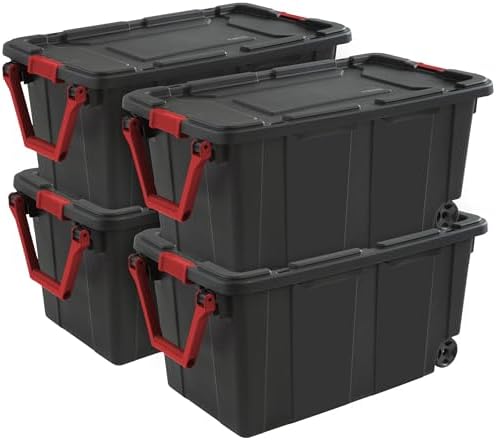
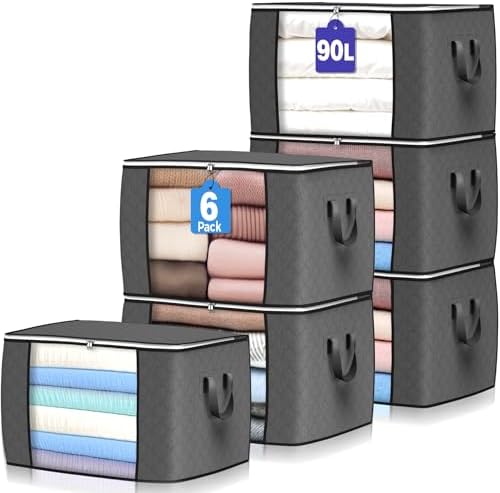
Storage Bins with Lids
These are perfect for keeping items contained and out of sight.
They help reduce visual clutter while making it easier to group things by category, especially for items you don’t use every day.



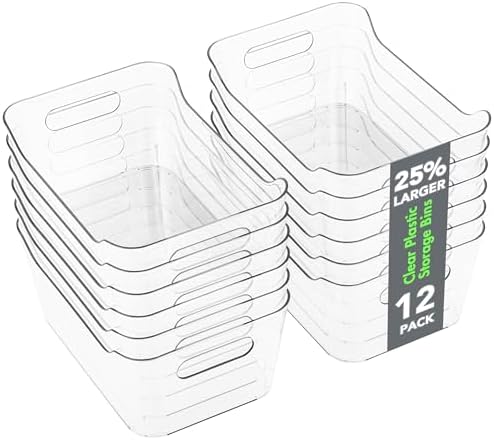
Clear Storage Containers
If you tend to forget what you own, clear containers make a big difference.
You can see everything at a glance without opening multiple boxes, which helps you actually use what you have.



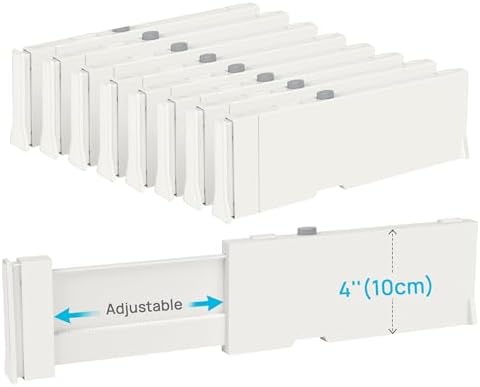
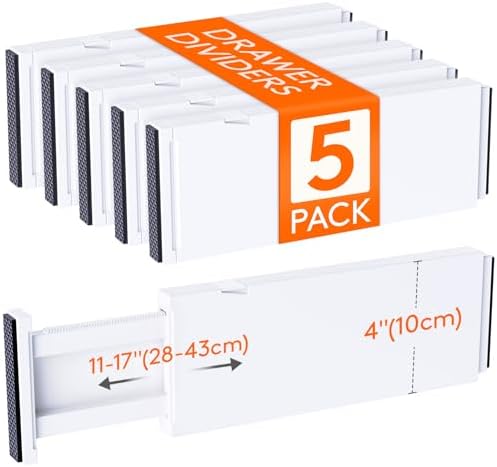
Drawer Dividers
Drawers quickly become overwhelming when everything is mixed together.
Dividers create simple sections so items stay organized without needing constant rearranging.


Under-Bed Storage Containers
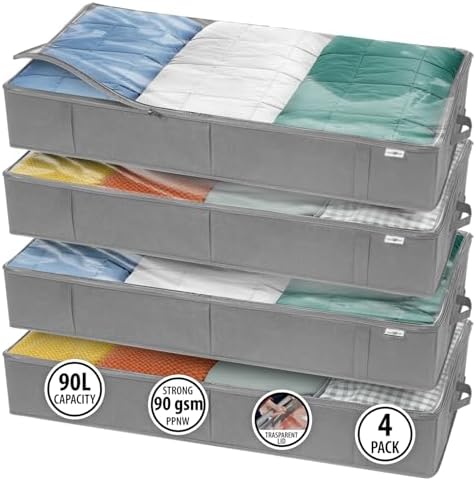
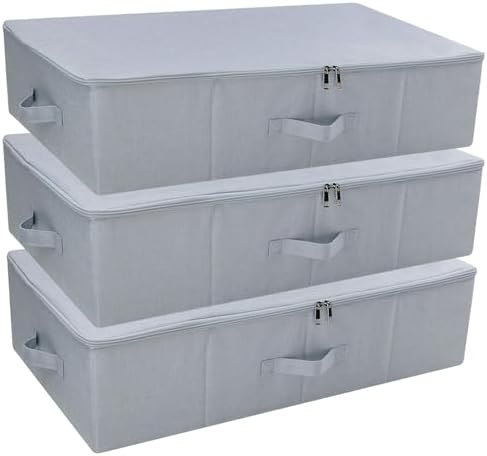
Great for items you don’t need daily.
They allow you to free up your main storage areas while still keeping everything accessible when you need it.


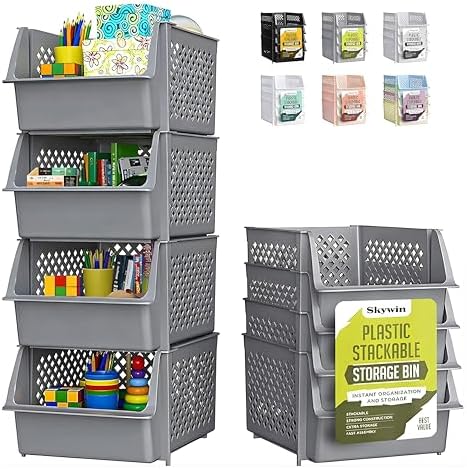
Stackable Storage Bins
These help you use vertical space without creating messy piles.
Instead of stacking items directly, you create structured layers that are easier to manage.


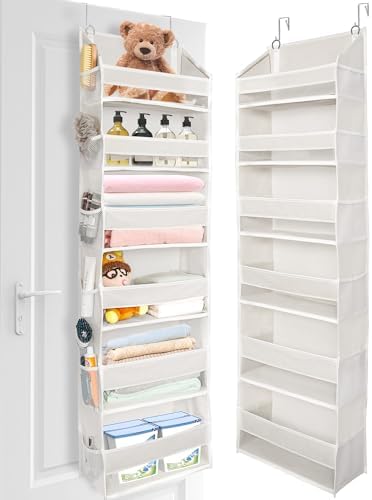
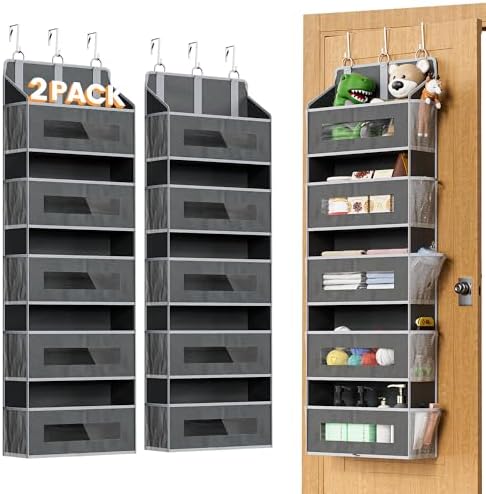
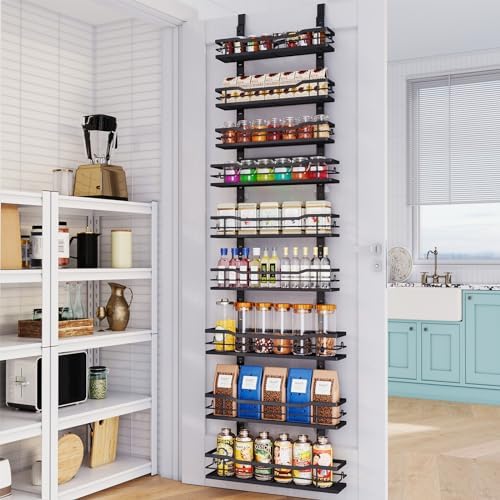
Over-the-Door Organizer
This is an easy way to use space that usually goes unnoticed.
It works well for accessories, cleaning supplies, or everyday items that don’t have a clear home.

Foldable Storage Boxes
Perfect for keeping categories separate while staying flexible.
You can easily store them away when not in use, which helps avoid adding permanent clutter.


Label Maker
When you have a lot of items, labels remove the guesswork.
They make it clear where things belong, which makes it easier to maintain your system over time.


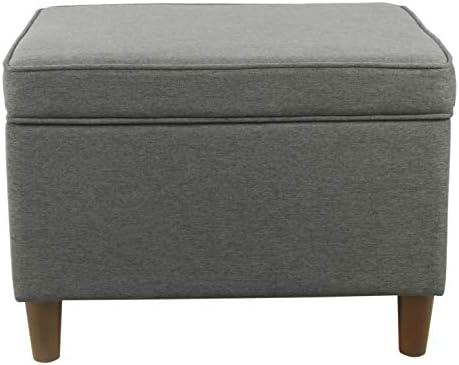
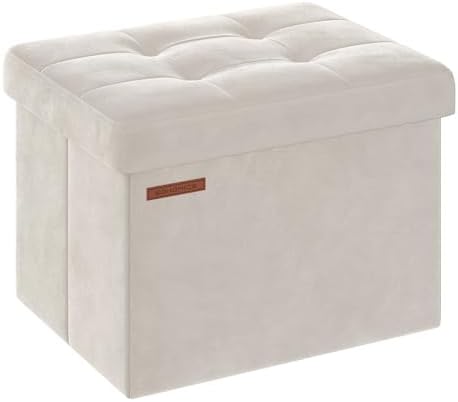
Storage Ottomans
These give you hidden storage while also serving as furniture.
They’re ideal for storing items like blankets, clothes, or anything that tends to sit out.


Closet Shelf Organizers
If your closet feels full but unstructured, these help create layers and defined spaces.
They make it easier to store more without everything feeling cramped.


These products work best when they support a simple system. You don’t need all of them—just a few that solve your biggest pain points can make your home feel more organized and much easier to live in.
Final Thoughts
Having too much stuff can make your home feel overwhelming.
Not because everything is out of control—but because there’s no room for things to settle.
Everything is competing for space. For attention. For access.
And that creates a constant sense of pressure.
The solution isn’t dramatic.
It’s not about getting rid of everything or starting from scratch.
It’s about making small shifts.
Protecting your main spaces.
Creating a little breathing room.
Letting your home support your routine instead of complicating it.
And once that pressure starts to fade…
Your space begins to feel lighter.
Not because you changed everything.
But because you finally gave it room to work.