
How to Organize Food Storage Containers and Lids (No Mess)
There’s a moment we all know.
You open the cabinet to grab a container… and everything shifts.
Lids fall. Containers slide. Something in the back disappears completely.
And somehow, no matter how many you have, the one you actually need is never there.
It’s not that you don’t have enough containers.
It’s that they’re not working together.
And without a simple system, they turn into one of the most frustrating parts of your kitchen.
Stop Stacking Randomly
Most container cabinets don’t start messy.
They become messy.
At first, you probably had a simple stack. A few containers, a few lids, everything more or less in place.
But then life happens.
You wash dishes quickly and put things away without thinking. You buy a new set that doesn’t quite match the old one. You keep a container “just in case” even though you rarely use it.
And little by little, that clean stack turns into something unstable.
You don’t notice it right away.
But you feel it the moment you try to grab something.
You lift one container… and two others shift.
You reach toward the back… and something slides forward.
You try to put something away… and there’s no clear place for it anymore.
So you just set it on top and close the cabinet.
That’s how the mess builds—not in one big moment, but in small, repeated shortcuts.
The issue isn’t that stacking is wrong.
It’s that stacking without any kind of structure creates instability.
Different sizes, different shapes, slightly warped lids… they don’t sit well together unless you guide them a little.
And without that guidance, everything slowly collapses into chaos.
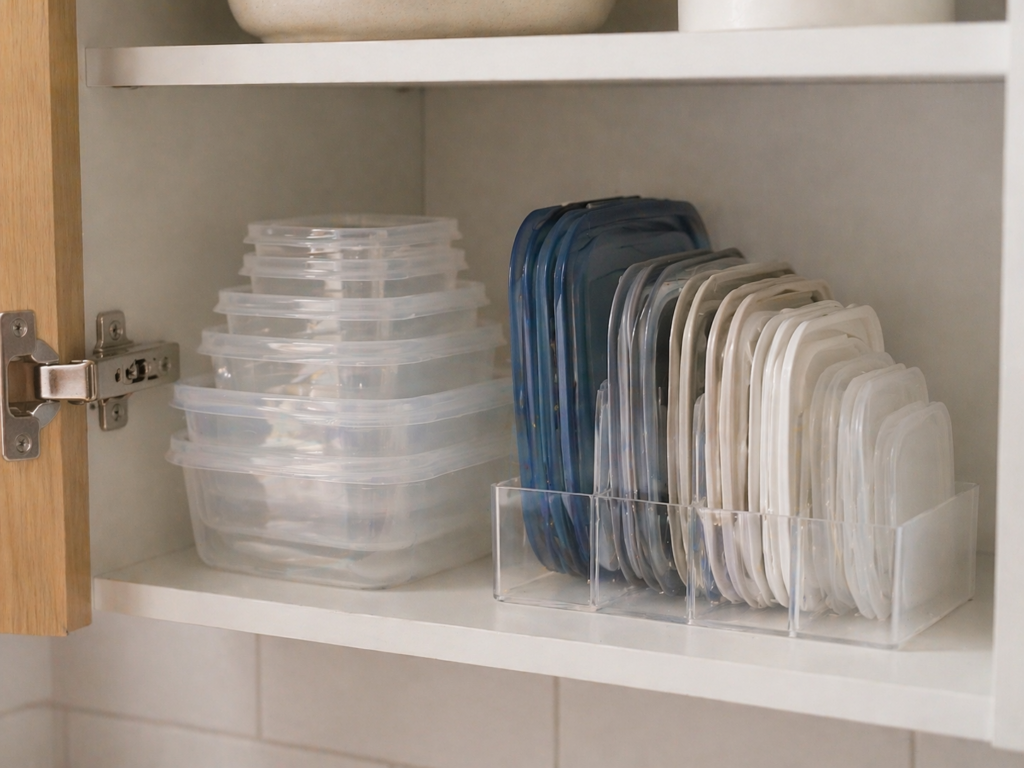
Separate Containers and Lids (Yes, Really)
This is the part that feels counterintuitive at first.
Because keeping lids on containers looks organized.
It gives the impression that everything is complete, paired, ready to go.
But when you actually use the space, it creates more problems than it solves.
Stacking becomes awkward.
Containers don’t sit evenly because of the lids. They tilt, leave gaps, and waste vertical space without you realizing it.
And when space is tight, those small inefficiencies matter.
Separating them might feel like you’re making things more complicated.
But in reality, you’re removing friction.
Containers suddenly fit inside each other naturally.
Stacks become stable instead of wobbly.
You can actually use the full height of your cabinet.
And lids—once they’re not scattered or trapped between containers—become easier to deal with too.
Instead of digging through a pile, you can see them.
You can grab the right size without guessing.
You stop that small, annoying search every time you need a match.
It’s one of those changes that feels unnecessary… until you try it.
And then it’s hard to go back.
Keep Only What Actually Matches
This is usually where things get a little uncomfortable.
Because most of us have containers we don’t really use—but don’t want to throw away either.
A lid without a base.
A container that’s slightly warped but still “usable.”
That random piece you keep because it might match something… somewhere.
So they stay.
And they quietly make everything harder.
Not in an obvious way.
But every time you open the cabinet, you feel it.
You spend a few extra seconds looking for a match.
You try one lid, then another.
You settle for something “close enough.”
And it doesn’t seem like a big deal—until it happens every day.
That’s when those small moments start to add up.
Keeping only what actually matches isn’t about being extreme.
It’s about removing the little obstacles that slow you down.
Because once everything in your cabinet has a clear pair, something shifts.
You stop searching.
You stop guessing.
You just grab what you need and move on.
And that simplicity is what makes the system feel easy to live with.
Create a Simple System (Not a Perfect One)
This is where people tend to overthink things.
They look for the “best” way to organize. The most efficient setup. The system that looks perfect.
But the truth is, your container storage doesn’t need to look perfect.
It just needs to make sense when you’re in a hurry.
Because that’s when you’re actually using it.
You’re putting things away quickly after washing dishes. You’re grabbing a container while thinking about something else.
And in those moments, anything complicated falls apart.
So the goal isn’t to build a system that looks impressive.
It’s to build one that feels obvious.
You shouldn’t have to think about where things go.
Containers naturally stack where they fit.
Lids have one clear place.
Nothing is packed so tightly that it becomes annoying to use.
That’s it.
When things are slightly underfilled, slightly easier to reach, slightly more flexible…
They stay organized without effort.
Make It Easy to Reset
No system stays perfect all the time.
There will be days when you’re tired, in a rush, or just not paying attention.
Things will get placed in the wrong spot. Lids will end up out of order. A stack might get messy.
That’s normal.
What matters is how easy it is to fix.
If resetting your space takes effort, you’ll avoid doing it.
But if it takes a few seconds—just putting things back where they naturally belong—you’ll do it without thinking.
That’s the difference between a system that works for a day… and one that works long-term.
So keep it simple enough that you can always come back to it.
Not perfectly.
Just easily.
Recommended Products to Organize Food Storage Containers and Lids
You don’t need a complicated setup to fix container chaos. A few simple tools can make everything easier to stack, easier to find, and much easier to maintain.
The goal is to reduce friction—not add more steps.
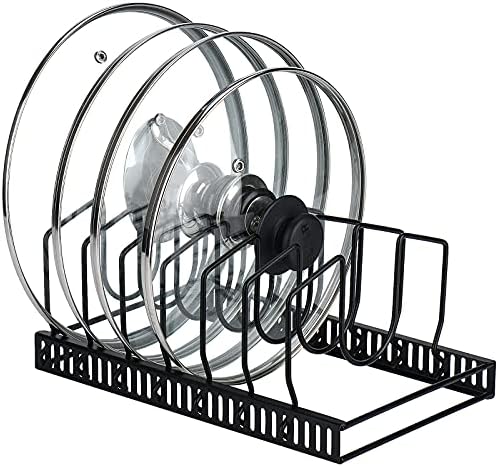
Lid Organizer Rack
This is one of the biggest game changers.
Instead of lids falling over or getting lost in a pile, a rack keeps them upright and visible so you can grab the right one instantly.


Stackable Food Container Sets
Using containers that are designed to nest together makes a huge difference.
They stack cleanly, take up less space, and eliminate the uneven piles that usually cause the mess.


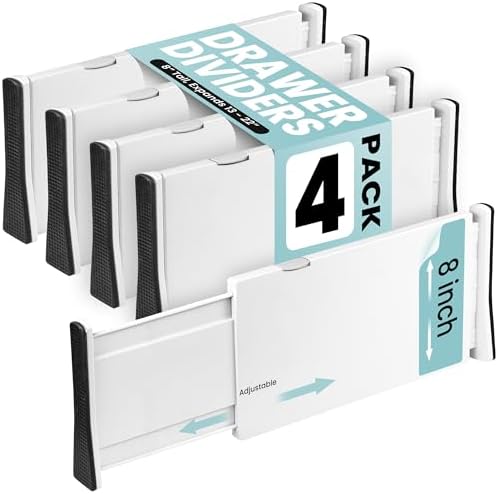
Drawer Dividers
If you store lids in a drawer, dividers help keep them separated by size.
This prevents everything from sliding around and turning into a mixed pile again.


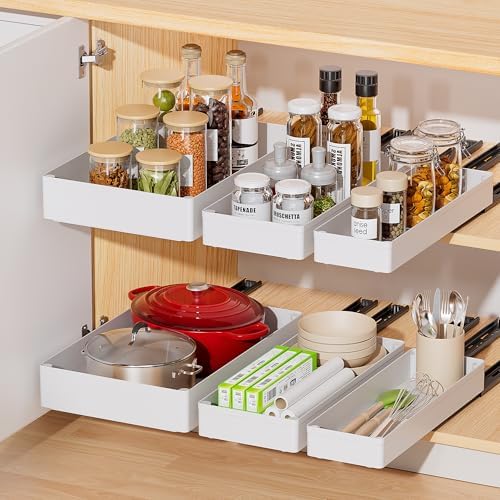
Pull-Out Cabinet Organizer
Deep cabinets make it hard to see what’s in the back.
A pull-out organizer brings everything forward, so you don’t have to dig or rearrange stacks every time.


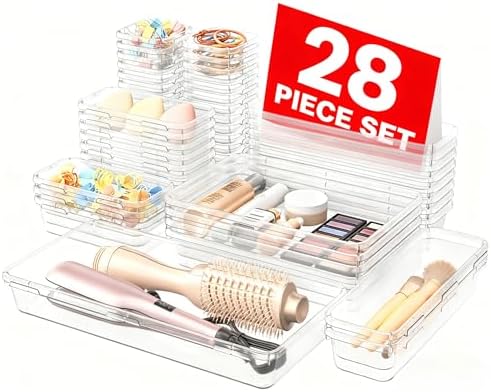
Storage Bins for Containers
Bins help group containers by size or type.
Instead of everything spreading across the cabinet, you create clear sections that are easier to manage.


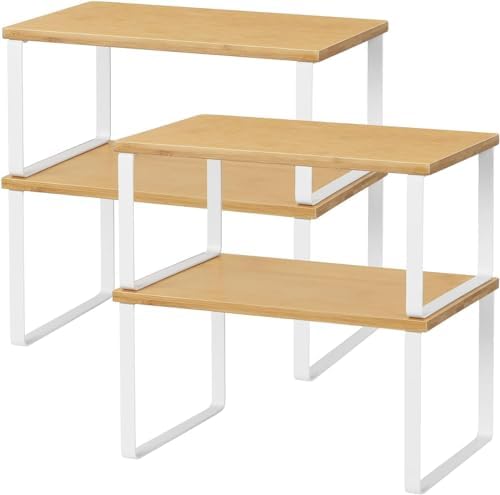
Adjustable Shelf Organizer
If your cabinet has too much vertical space, this helps you create levels.
You can separate smaller stacks from larger ones without piling everything on top of each other.



Lazy Susan Turntable
Great for smaller containers or lids.
Instead of reaching into the back, you can simply spin and access everything quickly.
![12-Inch Non-Skid Turntable Lazy Susan Organizer [4 Pack] - Spinni...](https://m.media-amazon.com/images/I/41q2l-FL6OL._AC_.jpg)


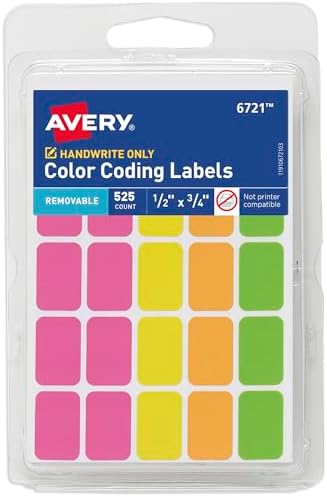
Label Stickers
If you want to keep things consistent, labeling sections can help maintain your system.
It removes the guesswork, especially if multiple people use the same kitchen.


Under-Shelf Basket
This adds an extra layer of storage without any installation.
Perfect for lighter items like lids or smaller containers that don’t stack well.


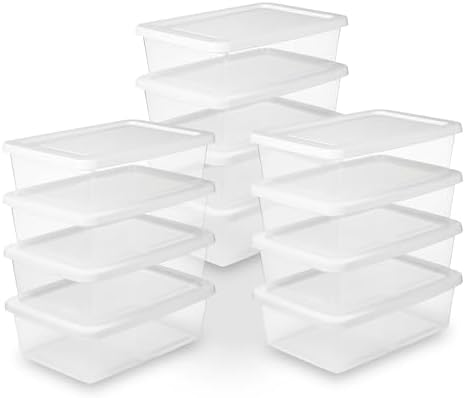
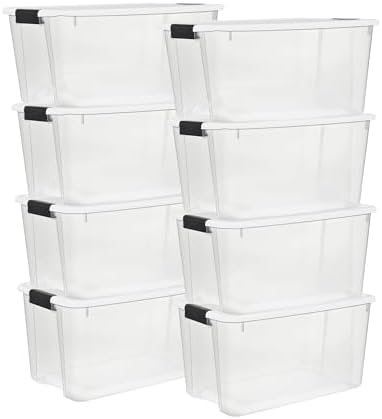
Clear Storage Boxes
These help you see exactly what you have without opening multiple stacks.
They’re especially useful if you want a clean, minimal look inside your cabinet.


These products work best when they support a simple system. You don’t need all of them—just a few that solve your main frustrations can turn that messy cabinet into something you don’t have to think about anymore.
Final Thoughts
Organizing food containers isn’t about creating a flawless setup.
It’s about removing the small frustrations that make your kitchen feel harder to use than it should.
The unstable stacks.
The missing lids.
The extra pieces that don’t really belong.
None of them are a big problem on their own.
But together, they create that familiar mess every time you open the cabinet.
The good news is, it doesn’t take much to fix.
A few small changes—keeping only what matches, separating lids, simplifying your system—can completely change how that space feels.
And once it’s easy to use…
It stays that way without you having to think about it.