Bathroom Organization Mistakes That Make It Look Messy
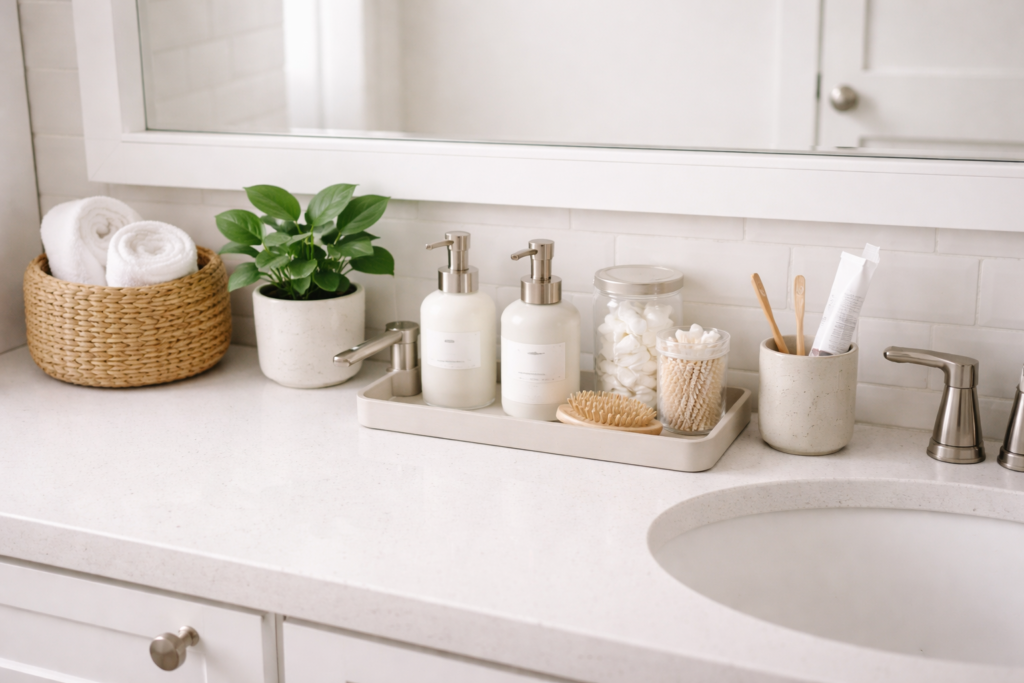
You can clean your bathroom… and it still looks messy.
That’s the frustrating part.
The surfaces are wiped. Things are technically “in place.” And yet, something feels off.
It doesn’t feel calm. It doesn’t feel organized.
It just feels… busy.
Most of the time, it’s not about cleanliness.
It’s about a few small organization mistakes that make everything look more chaotic than it really is.
Mistake 1: Keeping Too Many Things on the Counter
It usually starts with just a few things.
The items you reach for every morning. The ones that feel inconvenient to put away because you’ll need them again in a few hours.
So they stay.
At first, it actually feels efficient.
Everything is right there. No opening drawers, no searching, no extra steps.
But slowly, more things join.
A product you’ve been trying out. Something you used once and forgot to put back. Items that don’t really belong there—but there’s no better place for them.
And without noticing, your counter stops being a surface… and turns into storage.
That’s when the bathroom starts to feel different.
Not dirty. Not disorganized in an obvious way.
Just visually crowded.
And that crowding has a bigger impact than you’d expect.
Because in a small space, even a few extra items can change how everything feels.
Your eyes don’t rest anywhere. There’s always something in view. Something competing for attention.
That’s what creates that subtle sense of mess—even when everything is technically “in place.”
Mistake 2: Mixing Too Many Categories Together
On the surface, everything looks organized.
You open a drawer, and nothing is spilling out. Everything fits.
But then you try to find something specific.
And suddenly, you’re moving things around.
Lifting one item to check what’s underneath. Shifting products just to reach what you need.
That’s when you realize—everything is together, but nothing is really grouped.
It’s a quiet kind of disorder.
Because visually, it looks fine.
But functionally, it slows you down.
And that small friction changes your behavior over time.
You stop putting things back carefully.
You start placing items wherever there’s space.
You tell yourself you’ll fix it later.
And that’s how things gradually lose structure.
What makes this tricky is that it doesn’t feel like a problem at first.
There’s no obvious mess.
But the moment you start interacting with your space, you feel it.
And once a space feels inconvenient, it stops working.
Mistake 3: Relying Only on One Storage Area
There’s something appealing about keeping everything in one place.
One drawer for all your essentials. One cabinet for everything else.
It feels simple. Controlled.
But in reality, it creates pressure.
Because now that one space has to handle everything—daily items, backups, things you rarely use.
And eventually, it can’t.
So things start getting stacked.
Items get pushed to the back. Smaller things disappear underneath larger ones.
And once it reaches that point, you stop using that space properly.
You take things out—but you don’t always put them back.
Because it’s just a little too inconvenient.
So they end up on the counter.
Or on the edge of the sink.
Or anywhere that feels easier in the moment.
And just like that, your “organized” system starts spilling into your visible space.
Not because you don’t have storage.
But because that storage isn’t working with how you actually use your bathroom.
Mistake 4: Ignoring Visual Clutter
This is the part that catches most people off guard.
Because technically, everything can be organized… and still look messy.
You might have a place for everything. Your drawers are closed. Your cabinets are doing their job.
But what’s visible still feels overwhelming.
Different bottle shapes. Bright labels. Random colors that don’t relate to each other.
Individually, none of it is a problem.
But together, it creates noise.
And your eyes pick up on that instantly.
That’s why two bathrooms with the same amount of items can feel completely different.
One feels calm. The other feels chaotic.
The difference isn’t how much they have—it’s how much is visually competing for attention.
And once you start noticing this, it changes how you see your space.
It’s not just about storing things better.
It’s about deciding what deserves to be seen… and what doesn’t.
Mistake 5: Keeping Things You Don’t Actually Use
This one builds up quietly.
Products you tried once and didn’t love.
Half-used bottles you keep “just in case.”
Items you forgot you even had.
They don’t feel like clutter because they’re still usable.
So they stay.
But they take up space in the areas that matter most.
Your drawers get tighter. Your cabinets get fuller.
And your daily items start competing with things you don’t even reach for.
That’s where the frustration comes from.
Not from having too much—but from having the wrong things taking up space.
And once your space is filled with items you don’t use, everything else becomes harder to manage.
Because now, even simple routines feel slightly inconvenient.
Mistake 6: Making Storage Hard to Access
A system can look perfect… and still fail.
If it’s even a little inconvenient to use, it won’t last.
You’ll notice it in small ways.
You skip opening a drawer because it’s too full.
You don’t reach for something because it’s tucked too far back.
You leave items out because putting them away feels like a small effort.
And those small moments add up.
Because over time, your habits adjust to what feels easiest—not what looks best.
So even the most “organized” setup starts to break down.
That’s why accessibility matters more than perfection.
Everything should be easy to reach. Easy to put back. Easy to use without thinking.
Because when a system feels natural, you follow it automatically.
Recommended Products to Fix Bathroom Organization Mistakes
You don’t need to completely redesign your bathroom to make it feel clean and organized. A few simple products can help reduce visual clutter, create structure, and make your space easier to maintain.
The goal is to keep things simple and easy to use.
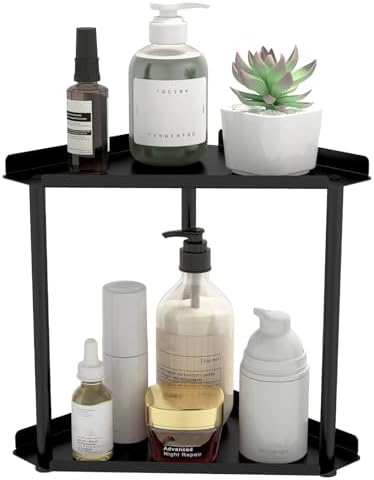
Countertop Tray Organizer
If you keep a few daily items on the counter, a tray helps contain them.
Instead of everything spreading out, you create a defined space that looks intentional and much less cluttered.



Drawer Dividers
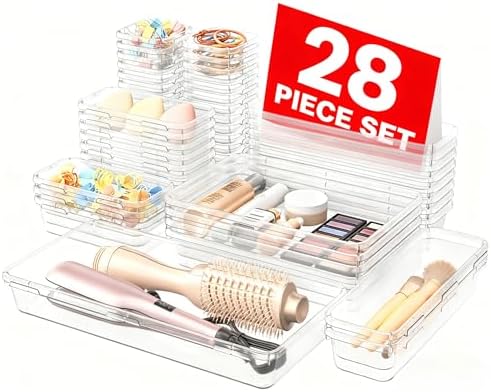
Drawers become messy when everything is mixed together.
Dividers create small sections so each category has its own place, making it easier to find things and keep them organized.


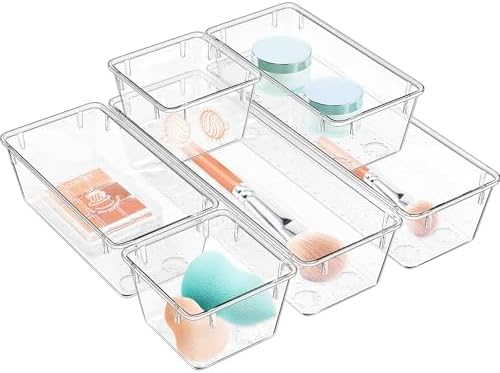
Under Sink Storage Organizer
This helps you avoid overcrowding one main storage area.
You can separate daily items from backups, keeping your most-used space lighter and easier to manage.


Stackable Storage Bins
Perfect for cabinets or shelves.
They let you use vertical space without stacking items directly on top of each other, which keeps everything visible and accessible.

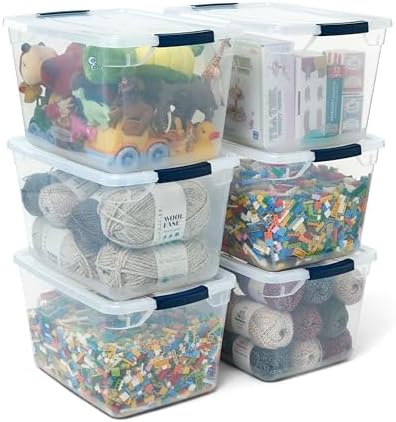


Clear Acrylic Organizers
These work well for makeup and smaller items.
They keep things separated while still letting you see what you have, reducing the need to dig through everything.


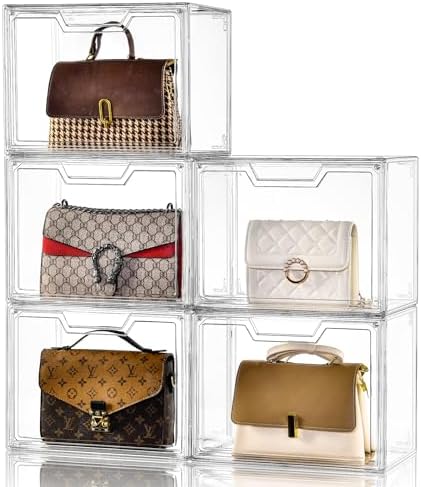

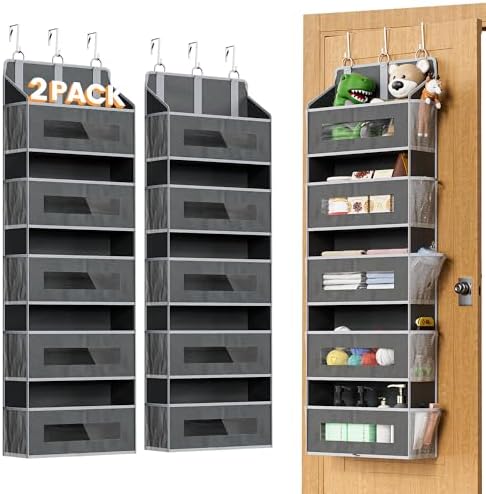
Over-the-Door Organizer
A great way to use space that usually goes unused.
You can store hair tools, skincare, or smaller items without adding clutter to your main areas.

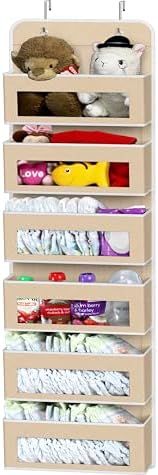

Cabinet Door Organizers
The inside of cabinet doors is often wasted space.
These organizers give you extra storage for smaller items without making your bathroom feel more crowded.


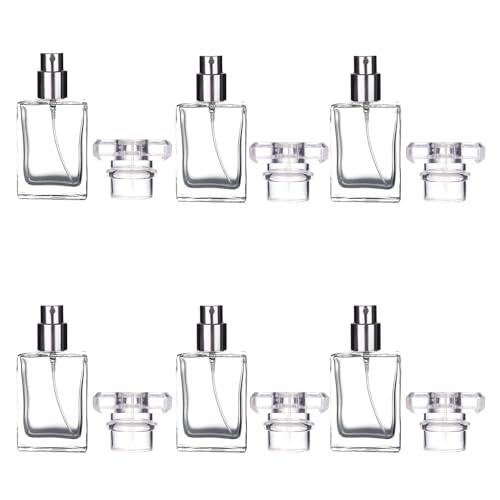
Minimalist Pump Bottles
One of the easiest ways to reduce visual clutter.
Instead of different packaging everywhere, you create a more uniform and calm look on your counter.


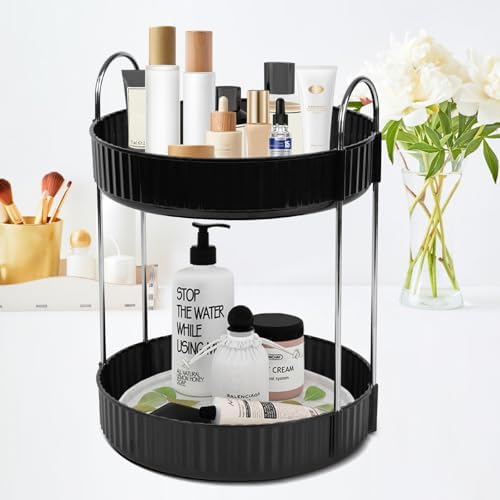
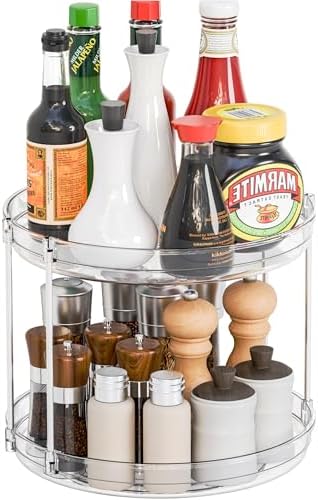
Rotating Organizer (Lazy Susan)
Perfect for keeping multiple products in a small space.
You can access everything with a simple spin, which makes your setup more functional without taking up extra room.


Storage Baskets
Baskets help group similar items together while keeping them out of sight.
They also make your space look more intentional instead of random.

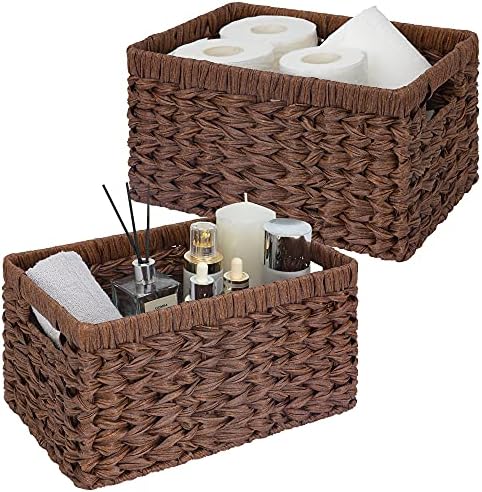


These products work best when they support a simple system. You don’t need all of them—just a few that solve your specific problems can make your bathroom feel cleaner, calmer, and much easier to maintain.
Final Thoughts
A messy-looking bathroom isn’t usually the result of one big problem.
It’s a collection of small things that slowly build up.
A few extra items on the counter.
A drawer that’s slightly too full.
Products that don’t belong in your daily space.
Individually, they don’t seem like much.
But together, they change how your bathroom feels.
The good news is, you don’t need a complete reset.
You just need to remove the small points of friction.
And once your space feels easier to use…
It naturally starts to look cleaner, calmer, and more put together—without you having to try so hard.