
10 Closet Hacks Nobody Tells You (But You’ll Use Every Day)
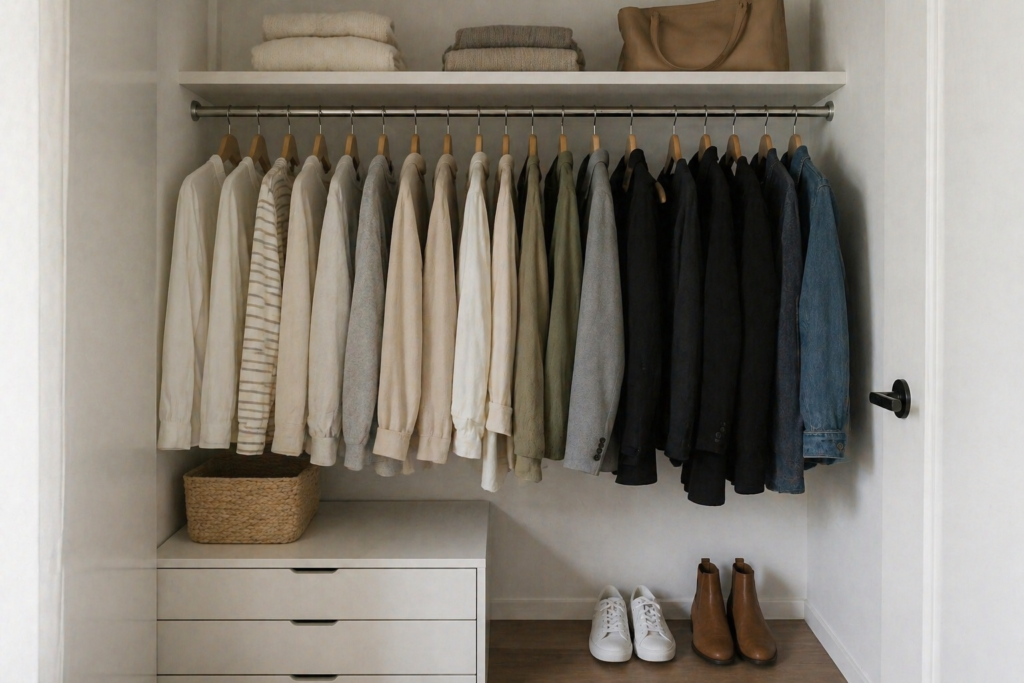
A closet can look perfectly organized… and still feel frustrating to use.
That’s the part most people don’t talk about.
You open it, everything is in place, nothing looks messy—but you still hesitate. You still take longer than expected to decide what to wear. You still end up reaching for the same few things.
It’s not a lack of options.
It’s a lack of clarity.
And most of the time, that comes from systems that were designed to look good, not to work with your real routine.
The hacks that actually make a difference are usually simple.
They don’t transform your closet overnight.
They just remove small points of friction that you deal with every day.
1. Stop Organizing for Looks—Organize for Speed
There’s a certain satisfaction in a closet that looks “put together.”
Everything evenly spaced, maybe color-coded, visually clean.
But when you’re getting dressed—especially in a rush—you’re not admiring your closet.
You’re trying to make a quick decision.
And that’s where aesthetic organization can fall short.
Because it doesn’t always reflect how you use your clothes.
A faster closet prioritizes access over appearance.
Your most-used items should be the easiest to grab, not the most visually balanced.
That might mean things look a little uneven.
A section that gets used more often, items slightly more spaced out, a few pieces always at the front.
It’s not as “perfect,” but it works better.
And over time, you’ll notice you spend less time thinking and more time just choosing.
2. Create a “Go-To Zone”
If you pay attention to what you wear in a typical week, you’ll notice a pattern.
A small group of clothes does most of the work.
Your favorite jeans, a few reliable shirts, maybe one or two jackets you rotate constantly.
Everything else is secondary.
But in most closets, those go-to pieces are mixed in with everything else.
Which means every morning, you have to search for them.
A “go-to zone” fixes that.
It’s not a complicated system.
Just a dedicated space where your most-worn items live together.
The pieces you trust, the ones that work without effort.
When you’re in a rush—or just don’t feel like thinking—you go straight there.
No scanning, no second-guessing.
It removes that small hesitation that tends to slow you down.
3. Use the “Outfit Pairing” Trick
Most closets are organized in a way that makes sense visually.
All shirts together, all pants in one section, jackets somewhere else.
It looks clean, but it doesn’t match how you actually get dressed.
Because you don’t wear categories.
You wear combinations.
You grab a shirt, then look for something to pair it with. Then maybe adjust. Then try something else.
And that back-and-forth is where time gets lost.
The outfit pairing trick is simple.
Keep items you often wear together closer to each other.
Not in a rigid way—just enough that you don’t have to search across your entire closet.
Maybe your favorite shirt sits next to the jeans you always wear with it.
Maybe a jacket stays near your most common outfits.
It doesn’t need to be perfect.
It just needs to reduce movement.
And once you feel that difference, it’s hard to go back.
4. Leave Space Between Clothes (On Purpose)
A full closet can feel comforting.
It gives the impression of having lots of options.
But when everything is packed tightly together, those options become harder to see.
Clothes overlap. Colors blend. Pieces hide behind each other.
And your brain stops processing them individually.
So instead of exploring what you have, you default to what you already know.
The same few items, over and over.
Leaving space between clothes isn’t about making your closet look nicer.
It’s about making your options visible again.
When there’s a bit of room between items, you can scan quickly.
You notice things you forgot about. You make decisions faster.
It’s a small adjustment, but it changes how your closet feels to use.
5. Flip Hangers to Track What You Actually Wear
It’s surprisingly hard to be honest about what you use.
Everything feels like it has a purpose when it’s sitting there.
You think, “I might wear this,” or “I just haven’t had the right moment.”
But those moments don’t always come.
The hanger trick removes the guesswork.
Turn all your hangers in the same direction.
Every time you wear something, put it back facing the opposite way.
After a few weeks, the difference becomes obvious.
Some items will clearly be part of your routine.
Others won’t have moved at all.
And seeing that visually makes decisions easier.
Not because someone told you what to keep—but because your own habits did.
6. Keep a “Temporary Zone” (Instead of Letting Clutter Spread)
There’s a category of clothes no one really talks about.
Not clean, not dirty… just worn once.
You don’t want to wash them yet, but putting them back with clean clothes doesn’t feel right either.
So they end up on a chair. Or the bed. Or that one spot that slowly turns into a pile.
The problem isn’t the clothes—it’s not having a place for them.
A simple “temporary zone” solves that.
One hook, one small section, even just a single hanger.
Somewhere intentional.
It doesn’t need to look perfect. It just needs to contain those in-between items so they don’t spread across your room.
Because once they have a place, they stop turning into clutter.
7. Store by Season… But Keep It Flexible
Seasonal organization sounds straightforward.
You pack away winter clothes in summer, bring them back later, and do the opposite when it gets cold.
But in real life, weather isn’t that predictable.
Some days are colder. Some nights warmer. Plans change.
And when everything is packed away too strictly, you end up digging through storage more often than you’d like.
A more flexible approach works better.
Move clearly out-of-season items out of the way, but keep transitional pieces accessible.
Light jackets, long sleeves, things you can layer.
That way your closet adapts to your life, instead of forcing you to reorganize every time the temperature shifts a little.
8. Use Fewer “Decision Pieces”
Some clothes look great… but require effort.
They only work with specific combinations. They depend on the right mood, the right moment, the right everything.
And on busy mornings, that effort becomes friction.
You try something on, it doesn’t quite work, you switch, you adjust—and suddenly you’ve lost time.
Having more “easy” pieces changes that.
Clothes that match with almost anything. That you can combine without thinking too much.
It doesn’t mean your wardrobe becomes boring.
It just becomes more usable.
Because when getting dressed feels simple, you’re less likely to hesitate.
And that makes your entire routine smoother.
9. Apply the “One-Touch Rule”
Most closet clutter doesn’t come from big messes.
It comes from small delays.
You take something off and think, “I’ll put it away later.”
So you leave it nearby.
Then another item joins it. And another.
And before you realize it, that small delay has turned into a pile.
The one-touch rule is simple:
When you handle something, you finish the action.
If it’s clean, it goes back. If it’s dirty, it goes where it should.
No temporary stops.
It takes a few extra seconds in the moment, but it saves you from dealing with a bigger mess later.
And in a small space, that difference is very noticeable.
10. Reset Your Closet at the Same Time Every Day
Waiting until your closet feels messy is what makes it feel overwhelming.
By then, there’s already too much to fix.
And even a small reset feels like a bigger task than it should.
A better approach is to tie it to a moment that already exists in your day.
After you get dressed. Before going to bed. At a consistent time.
It doesn’t need to be perfect.
Just a quick reset—putting a few things back, straightening what you used.
When it becomes part of your routine, it stops feeling like something extra you have to do.
And your closet stays functional without ever getting out of control.
Recommended Products You’ll Actually Use Every Day in Your Closet
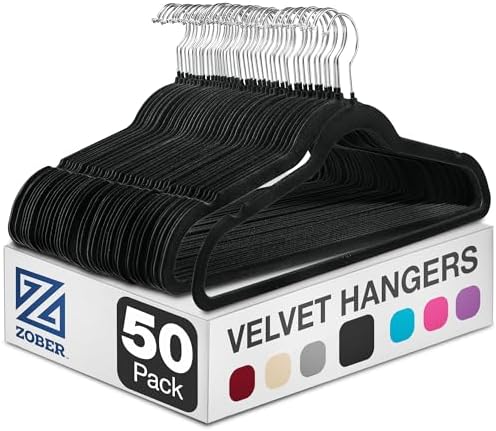
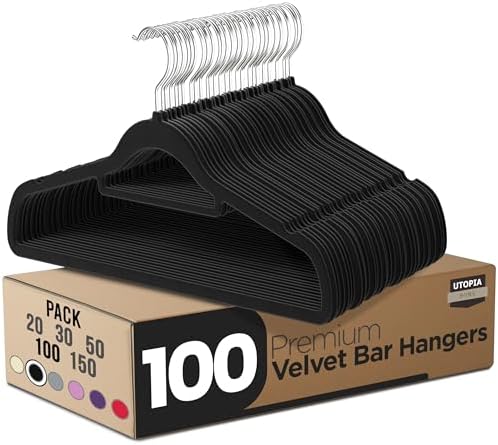
Slim Velvet Hangers (To Create Space Instantly)
Bulky hangers take up more room than you realize.
Slim velvet hangers reduce that wasted space and keep clothes from slipping, which means fewer adjustments when you’re in a hurry.
They also make everything feel lighter and easier to scan, especially in a crowded closet.


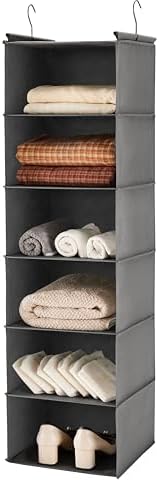
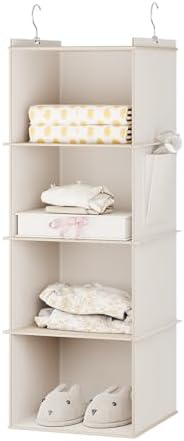
Hanging Closet Organizer (For Your “Go-To Zone”)
Creating a go-to zone is much easier when you have a dedicated structure.
A hanging organizer gives you clear sections for your most-used items without needing extra furniture.
It keeps everything visible and within reach, which is exactly what you need when you’re getting dressed quickly.


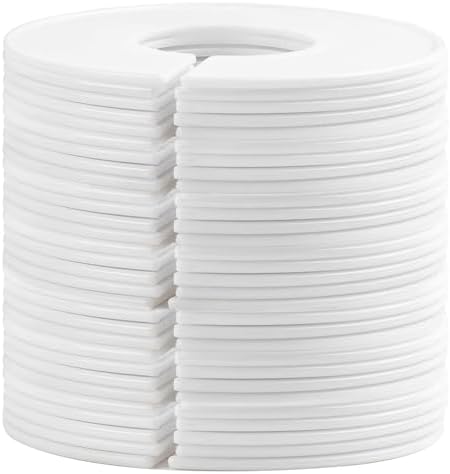
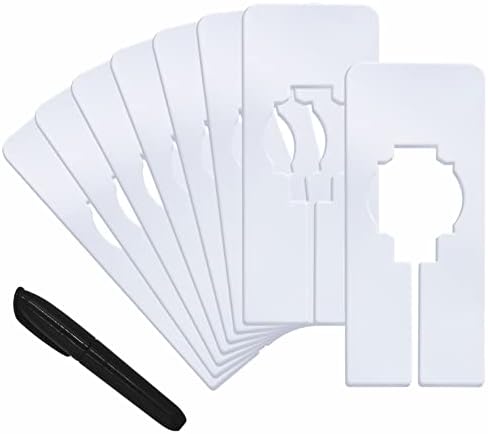
Closet Rod Dividers (To Separate Without Overthinking)
Sometimes you don’t need more storage—you just need clearer boundaries.
Rod dividers help you separate sections like work clothes, casual wear, or outfits you wear often.
They make your closet easier to navigate without adding complexity.


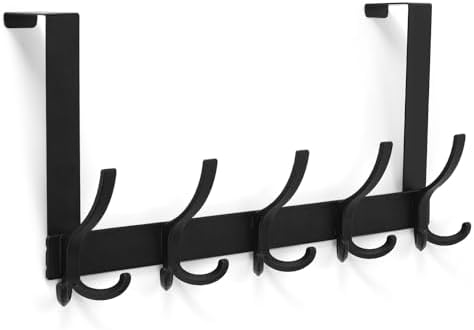
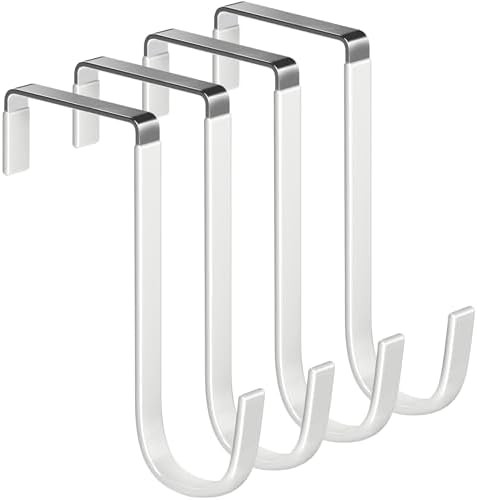
Wall Hooks or Over-the-Door Hooks (For the “Temporary Zone”)
That in-between clothing needs a place.
Hooks are one of the simplest solutions because they don’t require folding, organizing, or thinking.
You just hang and move on.
Placed where you naturally drop clothes, they prevent clutter from spreading across your room.


Drawer Organizers (To Reduce Small Clutter)
Small items like socks, underwear, or accessories can easily turn into hidden chaos.
Drawer organizers create simple compartments so everything has a place.
You don’t need to dig around or reorganize constantly—just open and grab.


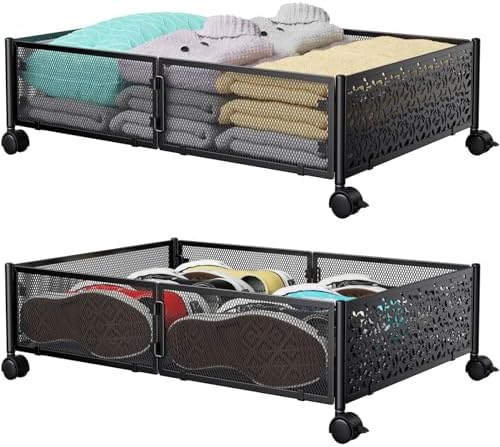
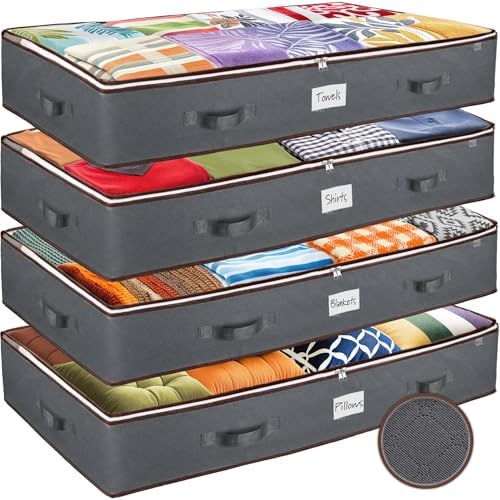
Under-Bed Storage Containers (For Seasonal Items)
Seasonal clothing can take up valuable space if it stays in your main closet all year.
Under-bed containers give those items a place without making them hard to access.
This keeps your everyday closet focused only on what you actually use.


Clothing Rack (For Outfit Planning)
If you often plan outfits or repeat combinations, a small clothing rack can help.
You can prepare a few outfits in advance or keep your current rotation visible.
It reduces decision time and keeps your closet from getting overcrowded.


Final Thought
A closet doesn’t need to be impressive.
It just needs to support your day.
The best systems aren’t the ones that look perfect from the outside.
They’re the ones that quietly make things easier behind the scenes.
Less searching. Less hesitation. Fewer small decisions.
And when those small frictions disappear, getting dressed becomes something simple again.
Not a task.
Just part of your day that works.