
9 Bathroom Organization Hacks Nobody Tells You (But You’ll Use Daily)
A bathroom is one of the most used spaces in your home… but also one of the least questioned.
You go in, follow your routine, and move on.
And because everything happens so quickly, you don’t always notice what’s slowing you down.
It’s small things.
Reaching a little farther than you should. Moving something out of the way. Looking for an item that you use every single day.
None of it feels like a big problem.
But when it happens every morning and every night, it adds friction.
And that friction is what makes your bathroom feel less comfortable than it could be.
The goal isn’t to make it look perfect.
It’s to make it work without effort.
1. Keep Your Daily Items Closer Than You Think
There’s a difference between where something “fits” and where you actually use it.
Most setups focus on fitting everything neatly.
But your routine doesn’t follow neat categories—it follows movement.
You reach for your toothbrush almost the same way every day. You grab your face wash without looking. You already have a natural flow.
When something is slightly out of that flow, you notice it… even if it’s just subconsciously.
You pause for a second. You adjust. You reach again.
That’s the kind of friction that builds up.
Moving your daily items just a little closer—right where your hand naturally goes—makes everything smoother.
It’s not about reorganizing your whole bathroom.
It’s about respecting the way you already use it.
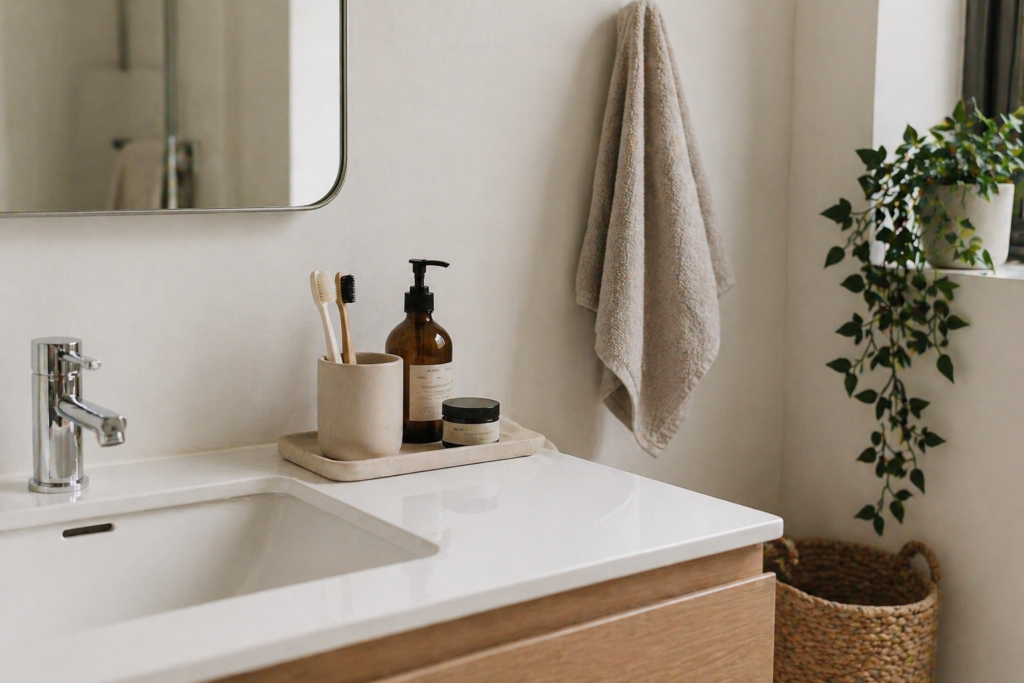
2. Use One Small Tray Instead of Multiple Organizers
When a space starts to feel cluttered, the instinct is to divide it.
More containers, more sections, more structure.
And at first, it feels like you’re improving things.
But in a small bathroom, too much structure can actually make it feel busier.
Multiple organizers create multiple “zones” your eyes have to process.
Even if everything is technically organized, it can still feel like a lot.
A single tray simplifies that.
It gives your essentials one defined space.
You don’t have to think about where things go—they just belong there.
And visually, it feels calmer.
Instead of several small areas competing for attention, you get one clear, intentional spot.
3. Create a “Fast Access” Spot
There are things you use without thinking.
Your toothbrush, your soap, maybe one or two products that are part of your daily routine no matter what.
If those items are inside drawers or behind cabinet doors, you’re adding unnecessary steps.
Open, reach, close—every single time.
It doesn’t seem like much, but it adds up.
A “fast access” spot removes that completely.
A small area where your most-used items are always ready.
No opening anything, no moving things around.
You reach, use, and move on.
It’s one of those changes that feels small but makes your routine noticeably smoother.
4. Store Backups Out of Sight
Bathrooms have a way of collecting extras.
You buy something before it runs out. You keep an extra “just in case.” You don’t want to run out of essentials.
And that makes sense.
The problem is when those extras live in your main space.
Even if they’re neatly stacked or lined up, they add visual weight.
They make the room feel fuller than it actually is.
And in a small bathroom, that matters.
Keeping backups out of sight doesn’t mean hiding them completely—it just means separating them from your daily space.
Under the sink, in a cabinet, somewhere that doesn’t compete with what you use every day.
That way, your main area stays focused and lighter.
5. Use Vertical Space… But Keep It Minimal
Vertical space is one of the easiest ways to add storage.
And it’s often recommended for small bathrooms.
But there’s a point where it stops helping.
Too many shelves, hooks, and wall-mounted items can make the space feel crowded instead of efficient.
Your walls start to feel busy.
And when everything is visible, it adds that same sense of visual clutter.
Using vertical space works best when it’s intentional.
One shelf where you actually need it. A couple of hooks where you naturally reach.
That’s usually enough.
You’re not trying to use every inch.
You’re trying to support your routine without overwhelming the space.
6. Keep the Shower Simple
The shower is one of the easiest places for clutter to build up without you noticing.
You add a new product to try, keep an old one “just in case,” maybe leave something there because you might use it again.
And slowly, the space fills up.
The problem isn’t just the number of items—it’s how they’re always in sight.
Every bottle, every label, every different shape adds to the visual noise.
Even if everything is lined up neatly, it still feels like a lot.
And because the shower is such a central part of the bathroom, that feeling spreads to the entire space.
Keeping the shower simple changes that immediately.
Just your regular-use items. The ones you reach for without thinking.
Everything else can live somewhere else.
It’s not about having fewer options.
It’s about removing what you don’t actually use daily.
7. Have a Spot for “In-Between” Items
There’s always a middle category.
Towels you’ve used once but aren’t ready to wash. Clothes you wore briefly. Products you’ll use again later.
Without a place for these, they end up wherever there’s space.
On the counter, hanging somewhere random, maybe even on the floor.
And over time, those “temporary” spots become part of the room.
That’s what creates that constant feeling of disorder.
A simple, intentional spot changes everything.
One hook. One small area. Something that contains those in-between items without requiring extra effort.
You’re not trying to eliminate that category.
You’re just giving it a place so it doesn’t spread.
8. Use the One-Touch Rule
Most bathroom clutter doesn’t come from big messes.
It comes from small pauses.
You finish using something, but instead of putting it back, you leave it nearby.
Just for now.
And then “for now” turns into the rest of the day.
And then the next.
The one-touch rule is about finishing the action in the moment.
If you pick something up, you return it to its place right away.
No temporary stops, no “I’ll do it later.”
It takes a few extra seconds, but it prevents buildup completely.
Because once something is left out, it tends to attract more things.
And that’s how clutter grows.
9. Reset Your Bathroom at the Same Time Every Day
Cleaning when things feel messy is what makes it feel like a chore.
By that point, there’s already a buildup.
And even a small reset feels like more effort than it should.
A better approach is to tie your reset to something you already do.
After your night routine. Before going to bed. At the same moment every day.
It becomes automatic.
And because you’re resetting before things pile up, it takes almost no time.
A few seconds here, a quick adjustment there—and the space stays consistent.
You’re not doing a full clean.
You’re just keeping things from getting out of control.
Recommended Products You’ll Actually Use Every Day in Your Bathroom
Countertop Trays (To Keep Essentials Simple and Contained)
Instead of multiple organizers, a single tray creates one clear space for your daily items.
It keeps everything together without overcomplicating your setup. You don’t have to think about where things go—just place them back on the tray.
It’s one of the easiest ways to make your counter feel cleaner without removing what you use.


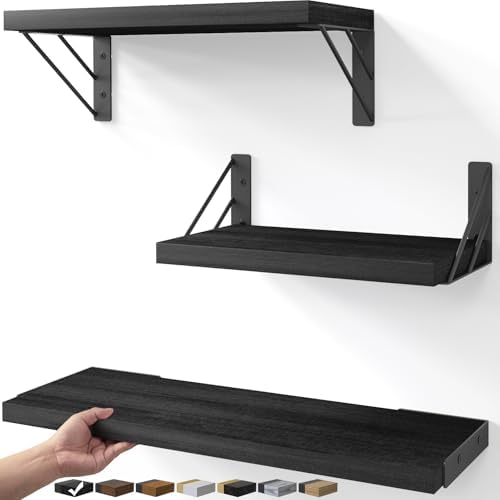
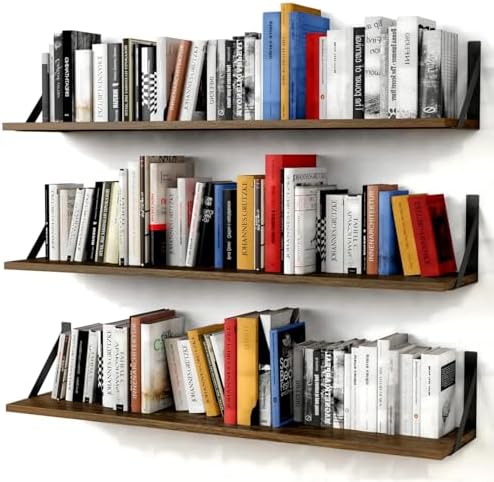
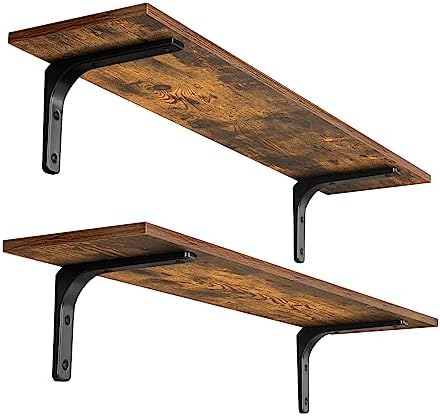
Wall-Mounted Shelves (To Free Up Space Without Adding Bulk)
When used in moderation, wall shelves can add just enough storage without making your bathroom feel crowded.
They help move items off the counter while keeping them within reach.
The key is to keep them light and not overload them—just your essentials.
Shower Caddies (To Keep the Shower Minimal)
A good shower caddy helps group your daily products in one place instead of letting them spread out.
This makes the shower feel cleaner and easier to use.
It’s not about storing more—it’s about limiting what stays inside and keeping it organized.


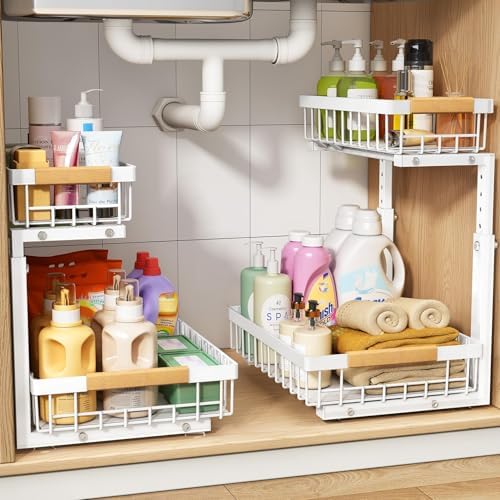
Under-Sink Organizers (To Control Hidden Clutter)
The space under the sink can easily turn into a pile of random items.
An organizer creates simple sections so everything has a place.
You don’t need to dig around or move things to find what you need—it’s all visible and accessible.


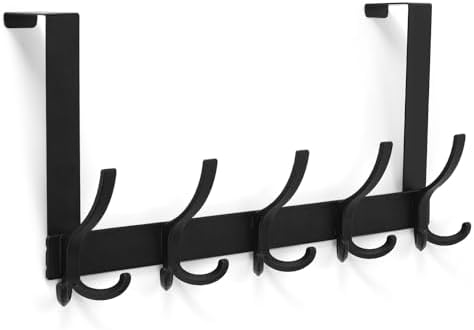
Over-the-Door Hooks (For “In-Between” Items)
Hooks are perfect for items that don’t fit into clean or dirty categories.
Towels, clothes, or anything you’ll use again later can stay in one defined spot.
They prevent those items from spreading across your bathroom.



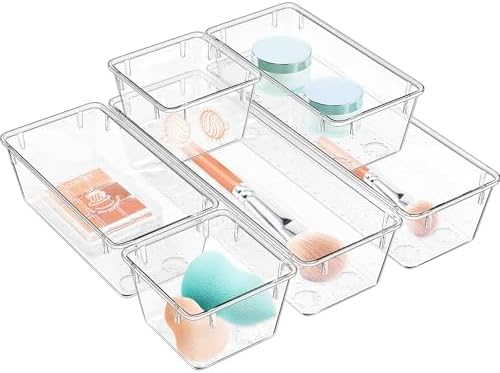
Drawer Organizers (To Simplify Small Items)
Small items like grooming tools or skincare products can quickly become hard to manage.
Drawer organizers break that chaos into simple sections.
Everything is easy to find, easy to put back, and doesn’t turn into clutter over time.



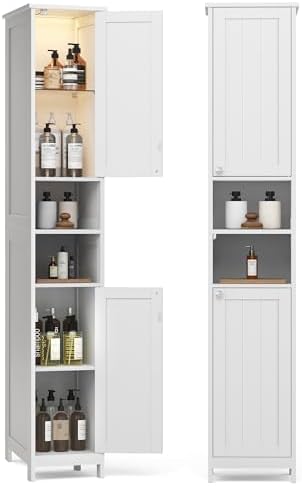
Slim Storage Cabinets (For Tight Spaces)
If your bathroom needs extra storage, slim cabinets are a good option.
They fit into narrow areas without taking over the room.
You get more storage without making the space feel heavier or harder to move around in.


Final Thought
A bathroom doesn’t need more products, more storage, or more structure.
It needs less friction.
Less reaching, less searching, less visual noise.
When your space matches how you actually move and use it, everything feels easier.
Not perfect.
Just smoother.
And when something you use every day feels easier, it makes a bigger difference than you expect.