Before & After: How a Few Simple Changes Made This Kitchen 2x More Efficient
At first, nothing about the kitchen seemed like a problem.
It looked clean. Organized enough. Everything technically had a place.
If you walked in for a minute or two, you’d probably think it worked just fine.
And that’s exactly why the issue went unnoticed for so long.
Because the problem didn’t show up in how it looked.
It showed up in how it felt to use.
Before: The Kind of Kitchen That Slows You Down Without You Realizing
Cooking in this kitchen wasn’t difficult.
It was just… slightly inconvenient.
The kind of inconvenience you don’t question at first.
You’d start making something simple and find yourself moving more than expected.
Turn to grab a pan. Walk back for oil. Open a cabinet for spices. Realize you forgot a utensil. Go back again.
Nothing dramatic.
But it never felt smooth.
There was always one extra step. One extra reach. One small pause where you had to think for a second.
And those small pauses added up.
What should have felt automatic started to feel like a sequence of tiny interruptions.
It Was “Organized”… Just Not for Real Life
On paper, everything made sense.
Utensils were grouped together. Spices had their own space. Pots and pans were stacked neatly.
It followed the kind of organization you see everywhere.
Logical. Clean. Structured.
But that logic didn’t match how cooking actually happens.
Because cooking isn’t static.
You’re moving constantly. Switching between tasks. Reaching for things mid-action.
And when your kitchen is organized by category instead of movement, you feel it.
You end up walking more, opening more drawers, adjusting your position just to get what you need.
It’s not messy.
It’s just inefficient.
The Counter Looked Clean… But Didn’t Feel Usable
One of the biggest hidden issues was the counter.
It wasn’t cluttered in the usual sense.
There were just a few items—things that made sense to keep out.
But those few items were always there.
Which meant the working space was always slightly limited.
Every time you started cooking, you had to shift something. Move things around. Create space before you could actually use it.
Again, not a big deal.
But it added friction.
And when something as simple as placing ingredients or prepping food requires an extra step, it changes how the whole experience feels.
The Real Problem Was Movement, Not Storage
At some point, it became clear that the issue wasn’t about not having enough space.
There was enough storage.
Enough tools.
Enough room to make things work.
The problem was how everything was placed in relation to movement.
Where your hands naturally go.
How your body moves when you cook.
What you reach for without thinking.
None of that had been considered in the original setup.
And once you start noticing that, it’s hard to ignore.
Because you realize you’re not slow.
Your kitchen is just making things slower.
The Shift: Paying Attention to What Actually Happens
Instead of adding more organizers or trying to improve the system visually, the focus changed.
It became less about structure…
And more about observation.
What do you actually use every time you cook?
Where do you naturally reach?
What forces you to stop, turn, or think?
Once you start asking those questions, patterns become obvious.
You notice the items you grab constantly.
The areas where you lose time.
The small points where your flow breaks.
And that’s where the real improvements begin.
Not by adding more…
But by adjusting what’s already there.
After: Small Changes That Actually Changed the Experience
What’s interesting is that nothing dramatic happened next.
No renovation. No big purchases. No complete reset.
Just small changes—almost boring ones—that were based on what was already happening in the kitchen.
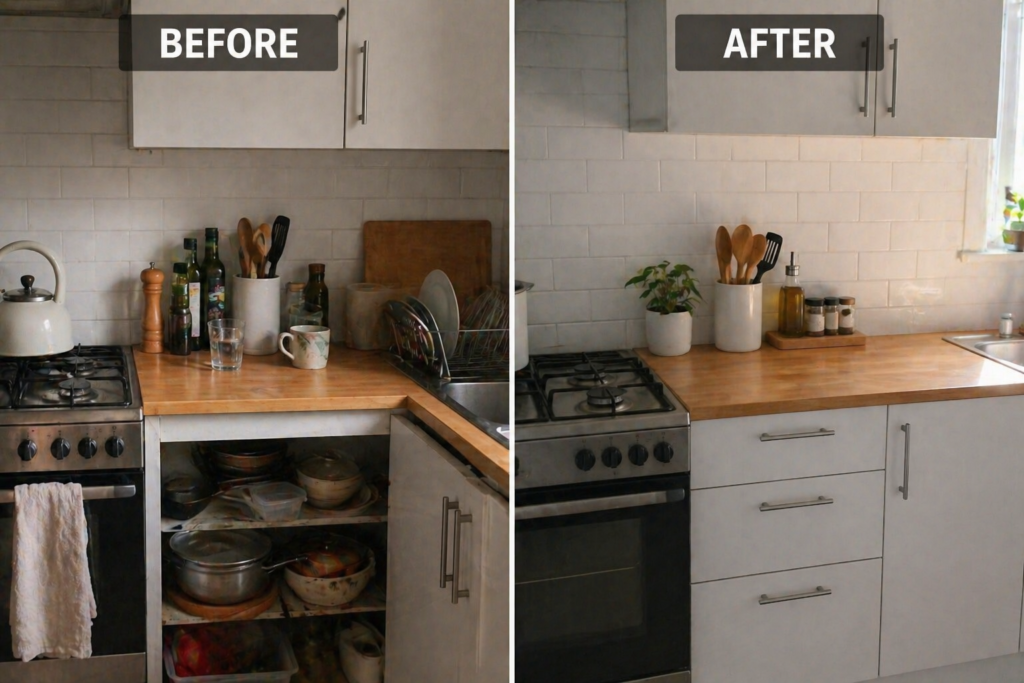
Utensils were moved closer to the stove.
Oils and spices were placed within arm’s reach instead of stored “neatly” in a cabinet.
The most-used pan stopped being stacked with everything else and got its own easy-to-grab spot.
Individually, none of these changes felt significant.
But together, they removed a surprising amount of friction.
The Kitchen Started Following the Cook
Before, the person cooking had to adapt to the kitchen.
Walk here, reach there, adjust to how things were set up.
After the changes, that relationship flipped.
The kitchen started adapting to the person.
Things were where you expected them to be—not because they were logically placed, but because they matched your habits.
You didn’t have to think about where something was.
You just reached—and it was there.
That’s the kind of change you don’t notice immediately.
But you feel it within a few days.
The Counter Finally Became a Workspace
One of the most noticeable improvements came from something simple: clearing part of the counter.
Not making it empty or minimal.
Just removing the items that didn’t need to be there all the time.
At first, it didn’t look dramatically different.
But using it felt completely different.
There was space to prep without moving things first. Space to place ingredients without stacking them awkwardly. Space to actually use the kitchen.
It’s one of those changes that seems too simple to matter.
Until you experience it daily.
The “Hot Zone” Made Everything Faster Without Trying
Creating a small “hot zone” ended up being one of the most effective changes.
A section where the most-used items lived together.
The same knife, the same pan, the same few ingredients.
Instead of being spread across different areas, everything was within reach.
This reduced movement almost instantly.
You didn’t have to walk back and forth or switch between zones.
Cooking became more continuous.
Less stop-and-go, more flow.
And that flow is what makes something feel easy.
Less Movement, Less Thinking
One of the unexpected benefits was how much mental effort disappeared.
Before, there were small decisions constantly happening in the background.
Where is this? Where did I put that? Should I grab this now or later?
After the changes, those questions stopped showing up.
Not because the kitchen became perfect…
But because it became predictable.
And when something is predictable, your brain doesn’t have to work as hard.
You just move through the process.
What Stayed the Same (And Why That Matters)
The layout didn’t change.
The cabinets were the same. The tools were the same. The size of the kitchen was exactly the same.
Which is important.
Because it shows that efficiency isn’t about having more space or more storage.
It’s about using what you already have in a way that supports your routine.
Most kitchens don’t need a transformation.
They need small, practical adjustments that match real life.
The Result: A Kitchen That Feels Easier to Use
After everything settled, the difference wasn’t dramatic visually.
But it was very noticeable in daily use.
Cooking felt smoother.
Faster, yes—but more importantly, less frustrating.
Fewer interruptions. Fewer unnecessary movements. Less thinking.
And that’s what makes a space feel efficient.
Not perfection.
Just fewer things getting in your way.
Recommended Products That Actually Improve Kitchen Efficiency
Utensil Holders (For a True “Hot Zone” Setup)
Keeping your most-used utensils inside a drawer sounds organized… until you’re cooking.
A countertop utensil holder lets you grab what you need instantly without opening anything.
Placed near the stove, it becomes part of your flow instead of an extra step.


Oil Dispensers (For Faster, Cleaner Cooking)
Large bottles of oil slow things down more than you think.
They’re harder to handle, less precise, and usually stored away.
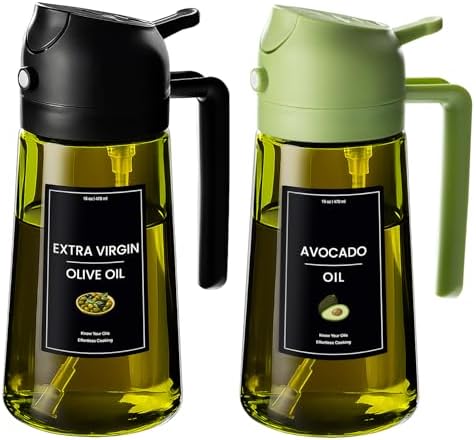
A small oil dispenser keeps it within reach and easy to use with one hand.
It’s a small change, but it makes everyday cooking feel smoother.


Spice Racks (To Keep Everything Visible)
Spices hidden in cabinets tend to get forgotten or slow you down.
A simple rack—whether on the counter or mounted—keeps them visible and easy to access.
You spend less time searching and more time cooking.


Pan Organizers (To Avoid Stacking Friction)
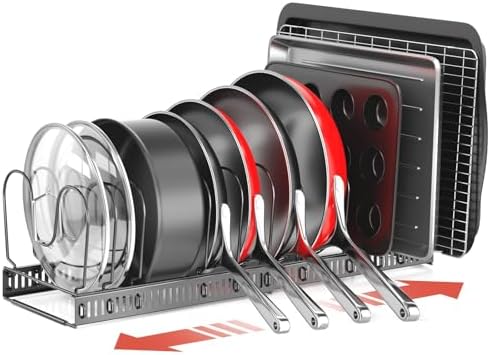
Stacked pans look tidy but are frustrating to use.
Every time you need one, you have to move others first.
A pan organizer lets you grab the one you need without disrupting everything else.
It removes one of those small but constant annoyances.

![Cutting Board Organizer and Baking Sheet Rack, [2-Pack] Black Hea...](https://m.media-amazon.com/images/I/41knthxfamL._AC_.jpg)

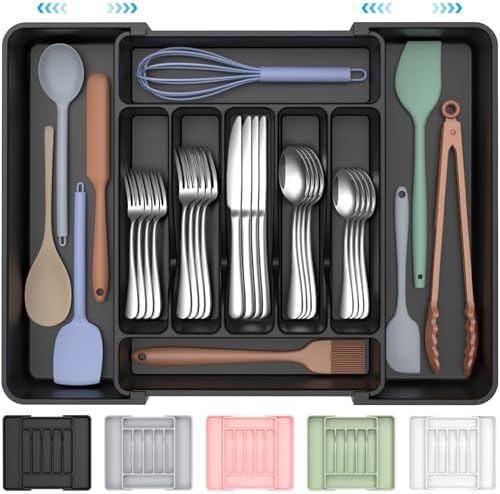
Drawer Organizers (To Keep Things Predictable)
Drawers can easily turn into mixed spaces where everything shifts over time.
Simple dividers create fixed spots for your tools.
You don’t have to think about where things are—you already know.
And that predictability saves time daily.


Cutting Board Sets (To Keep Prep Simple)
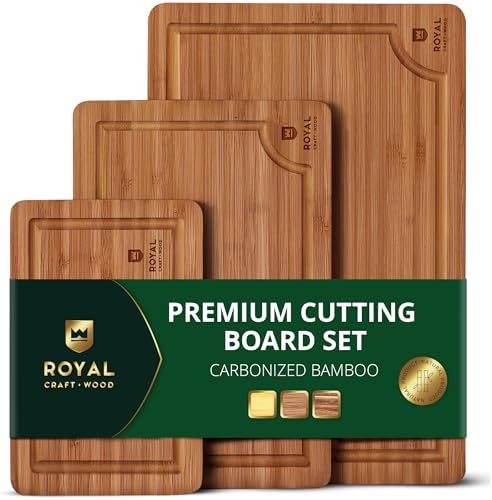
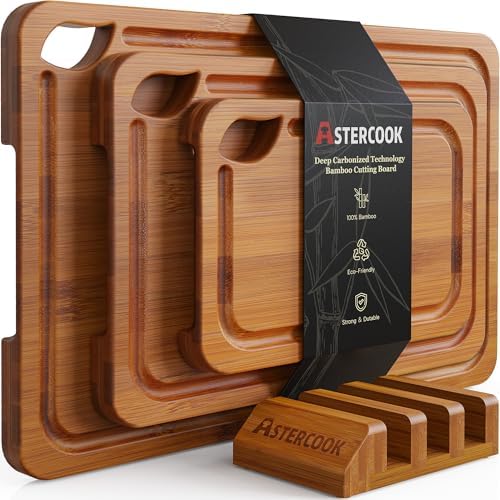
Using the same cutting board for everything creates small interruptions—washing, switching, adjusting.
Having a simple set lets you move through prep without stopping.
It keeps things flowing, especially when cooking multiple ingredients.


Small Storage Bins (To Group by Use, Not Category)
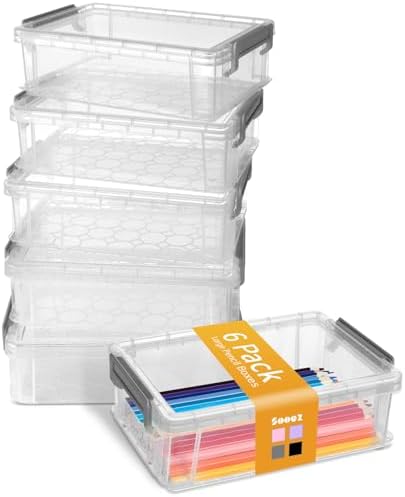
Instead of organizing everything by type, bins let you group items based on how you use them.
For example, a “coffee setup” or a “cooking essentials” bin.
It reduces the need to move across the kitchen and keeps related items together.



Final Thought
Most “before and after” transformations focus on how a space looks.
But the real difference is how it feels to use.
Because you don’t experience your kitchen as a photo.
You experience it in motion.
In the small moments—reaching, moving, preparing, cooking.
And sometimes, changing those small moments is enough to change everything.