How to Organize a Kitchen for Efficiency (Not Just Looks)
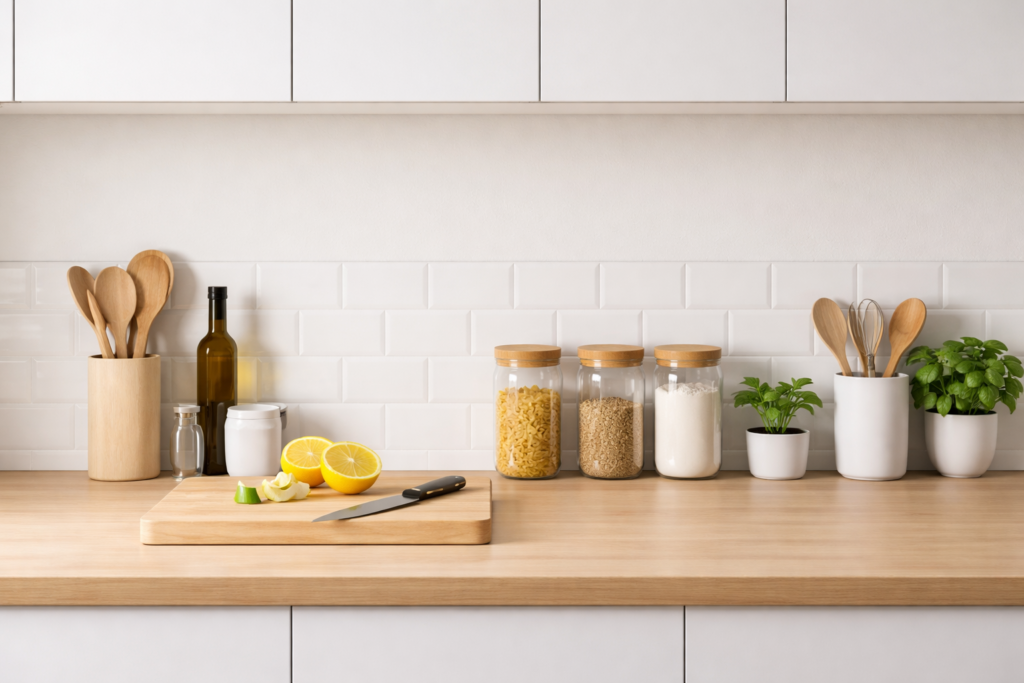
There’s a big difference between a kitchen that looks organized and one that actually works.
You’ve probably seen those perfectly styled kitchens online—everything neatly arranged in matching jars, countertops completely clear, not a single item out of place. They look great in photos. But in real life, they often fall apart the moment you try to cook something simple.
Because real kitchens get messy. Real kitchens are used multiple times a day. And real efficiency has nothing to do with how things look at first glance.
It has everything to do with how easily you can move, grab, cook, clean, and reset without thinking too much about it.
An efficient kitchen doesn’t slow you down. It disappears into the background.
Start With How You Actually Use Your Kitchen
Most people make the same mistake: they try to organize their kitchen based on an idea of how it should work.
But your kitchen isn’t a showroom. It’s a reflection of your habits.
So before moving anything around, pay attention to what you already do.
Notice the small things:
Where do you naturally stand when you chop vegetables?
Where do you drop things when you walk in with groceries?
What’s the first thing you reach for in the morning?
Those patterns matter more than any organizing system.
For example, if you always make coffee half asleep, you don’t want to be opening three different cabinets just to get started. You want everything in one place, within reach, almost automatic.
Or if you tend to prep food next to the sink, but your cutting boards and knives are stored across the kitchen, you’ve already created unnecessary movement without realizing it.
Efficiency is really about reducing those small frictions. The tiny annoyances that repeat every single day.
And the only way to fix them is by being honest about how you actually use your space—not how you think you should use it.
Create Functional Zones That Match Your Routine
Once you start noticing your habits, organizing becomes much more intuitive.
Instead of grouping things by category, start grouping them by action.
Think about your kitchen like a series of mini workstations.
When you cook, you’re not thinking “I need all my utensils.” You’re thinking “I need oil, a pan, and something to stir with.”
That’s a zone.
When you prepare food, you don’t want to walk back and forth collecting items. You want everything right there: your knife, your cutting board, maybe a bowl.
That’s another zone.
The goal here is simple: reduce how much you move.
If you can stay in one spot and complete a task without constantly reaching across the kitchen, you’re doing it right.
It doesn’t have to be perfect or symmetrical. In fact, it usually won’t be.
Some zones might overlap. Some might be smaller than others. That’s normal.
What matters is that each area of your kitchen has a clear purpose, and the items in that area support that purpose.
Keep Your Most Used Items Effortless to Reach
Here’s a simple way to think about it: your kitchen should adapt to your frequency of use.
The things you use every day shouldn’t require effort.
And yet, in a lot of kitchens, it’s the opposite.
People store their most-used items in hard-to-reach places, while rarely used gadgets take up the best spots.
That creates friction every single day.
If you use something constantly—your favorite pan, your go-to knife, your coffee mug—it should be easy to grab without thinking.
No bending down.
No stretching.
No digging through a pile of other things.
Ideally, it’s either at arm’s reach, in the first drawer you open, or visible enough that you don’t have to search for it.
On the other hand, things you only use occasionally don’t deserve prime space.
They can live higher up, deeper in cabinets, or even outside the main kitchen area.
This small shift alone can make your kitchen feel completely different.
Because suddenly, everything you need is exactly where you expect it to be.
And that’s really what efficiency feels like—not perfection, but predictability.
Stop Overloading Your Space
One of the most overlooked problems in any kitchen isn’t bad organization—it’s simply having too much.
It’s easy to keep adding things over time. A new gadget here, an extra set of containers there, maybe a few items you bought with good intentions but rarely use. None of it feels like a big deal in the moment.
Until one day, every cabinet feels tight, every drawer is a bit harder to close, and finding anything takes longer than it should.
That’s when efficiency starts to break down.
Because when your space is overloaded, even simple actions become slightly frustrating. You have to move things around just to grab what you need. You hesitate before putting things away because there’s no clear space for them. Cleaning takes longer because surfaces are never fully clear.
And it all adds up.
The truth is, most kitchens don’t need more storage solutions. They need less stuff competing for the same space.
A good way to approach this is by being honest about your habits again.
If you haven’t used something in months, there’s a reason. It’s not part of your routine.
That doesn’t mean you have to throw everything away, but it does mean you should question what deserves to stay within easy reach.
When you remove what you don’t use, everything else naturally becomes easier to manage.
You don’t have to think as much. You don’t have to search as much. Things just… work.
Make Resetting the Kitchen Feel Effortless
An organized kitchen isn’t defined by how it looks right after you clean it.
It’s defined by how quickly it returns to that state after you use it.
Because no matter how well you organize things, your kitchen will get messy. That’s just part of using it.
The difference is what happens next.
If putting things back feels simple and obvious, the mess disappears quickly. If it feels like a chore or requires too much thought, things start to pile up.
This is where a lot of “perfect-looking” kitchens fail. They look great when untouched, but the moment you use them, you realize there’s no easy way to maintain that order.
So instead of aiming for perfection, aim for clarity.
Every item should have a place that makes sense. Not just to you, but to anyone using the space.
You shouldn’t have to stop and think, “Where does this go again?”
And if you do, that’s a sign the system might be too complicated.
A kitchen that’s easy to reset doesn’t stay clean because you’re disciplined. It stays clean because the system supports you.
Use Containers With Purpose, Not Just for Looks
Containers can be helpful. There’s no doubt about that.
They can group similar items, prevent spills, and make shelves feel less chaotic. In some cases, they genuinely improve how you use your space.
But they’re also one of the easiest ways to overcomplicate your kitchen.
It’s tempting to buy a full set of matching containers, label everything, and try to create that “perfect” look. But if every item is sealed, stacked, or tucked into a bin, you might actually be adding extra steps to your routine.
And those extra steps matter more than you think.
If opening a container, removing a lid, or unstacking items becomes part of every small action, it slows you down. Not dramatically, but enough to feel it over time.
The key is to use containers where they solve a real problem.
Loose items that create clutter? Good candidate for a container.
Dry foods that spill easily? Definitely useful.
Random small items that get lost in drawers? Makes sense.
But if something is already easy to access and use, it doesn’t need to be “fixed.”
Efficiency isn’t about making everything look uniform. It’s about removing friction, not adding to it.
Design for Speed, Not Perfection
At its core, an efficient kitchen is one that lets you move without thinking too much.
You’re not stopping to figure things out. You’re not adjusting constantly. You’re just doing what you need to do, and everything supports that.
That’s what speed really means here.
Not rushing, but flowing.
Being able to cook a meal without unnecessary steps. Being able to clean up without feeling like it’s a process. Being able to reset your space without effort.
Perfection, on the other hand, often gets in the way.
When you focus too much on making everything look a certain way, you start making decisions that prioritize appearance over function. And over time, that creates friction.
So instead of asking, “Does this look organized?” a better question is, “Does this make my life easier?”
If the answer is yes, you’re on the right track.
Recommended Products to Improve Kitchen Efficiency
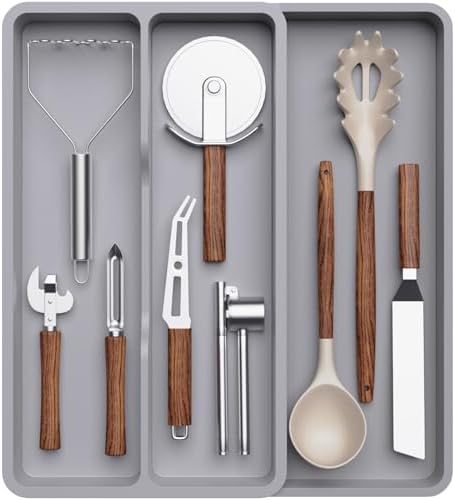
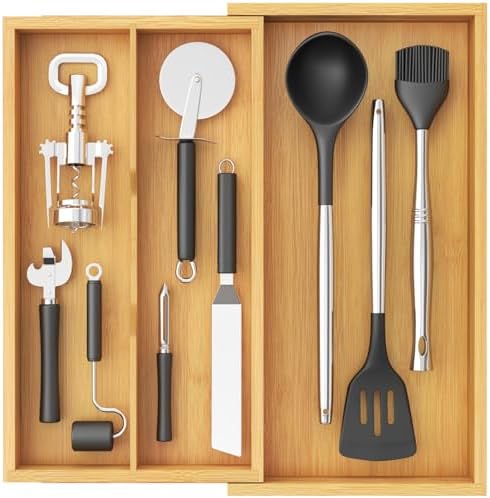
Drawer Organizers (For Utensils and Small Tools)
A good drawer organizer can completely change how your kitchen feels day to day. Instead of digging through a cluttered drawer every time you need something, everything has its place and is easy to grab.
Look for adjustable organizers so you can adapt them to your specific utensils. Fixed compartments can work, but they often don’t match real-life needs.
The goal here isn’t perfection—it’s visibility. If you can open a drawer and instantly see everything, you’ve already improved your efficiency.


Clear Storage Containers (For Dry Foods and Pantry Items)
Clear containers make a bigger difference than most people expect. Not because they look nice, but because they remove guesswork.
You can instantly see what you have, how much is left, and what needs to be restocked. That alone saves time and reduces unnecessary duplicates.
Choose stackable containers to maximize vertical space, especially if your cabinets or pantry are limited. Airtight options are even better for keeping food fresh and avoiding spills.


Lazy Susans (For Hard-to-Reach Cabinets)
Deep cabinets and corner spaces are where items go to disappear.
A simple rotating tray—often called a Lazy Susan—solves that problem instantly. Instead of moving everything around to reach what’s in the back, you just spin and grab.
They work especially well for oils, sauces, spices, or cleaning supplies. Anywhere you tend to “lose” items in the back, this makes access effortless.


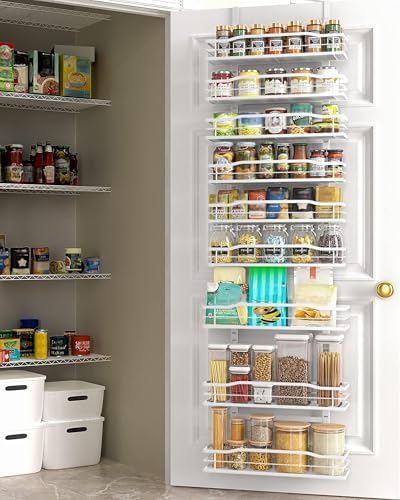
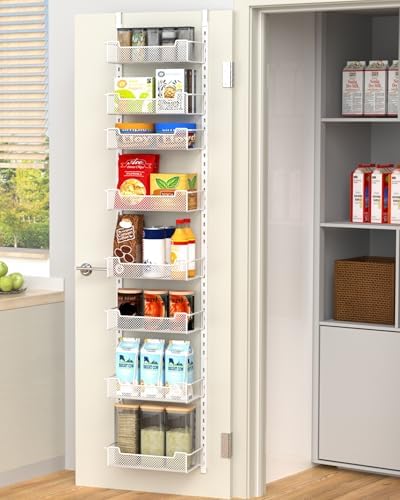
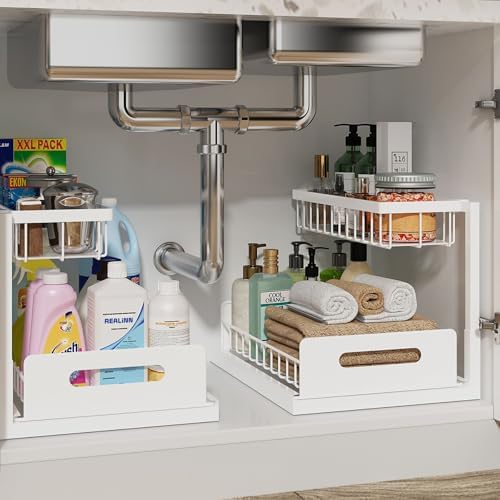
Over-the-Door or Cabinet Organizers
There’s a lot of unused space in most kitchens, especially behind cabinet doors.
Adding a simple over-the-door organizer can give you extra storage without making your kitchen feel crowded. It’s perfect for things like cleaning supplies, wraps, lids, or even spices.
This is one of the easiest ways to create space without removing anything.


Pull-Out Shelf Organizers
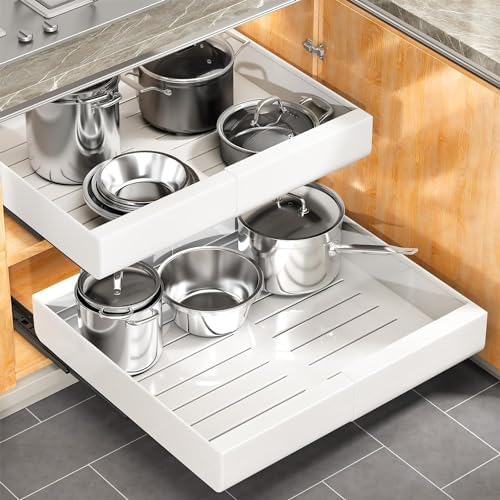
If you’ve ever had to kneel down and reach deep into a lower cabinet, you already know how inefficient that is.
Pull-out shelves fix that completely.
Instead of digging around, you can slide everything out and access it instantly. It’s one of those upgrades that doesn’t seem essential—until you use it once.
They’re especially useful for pots, pans, and heavier items that are usually stacked and hard to reach.


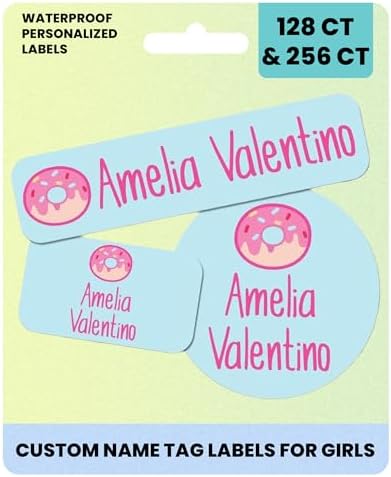
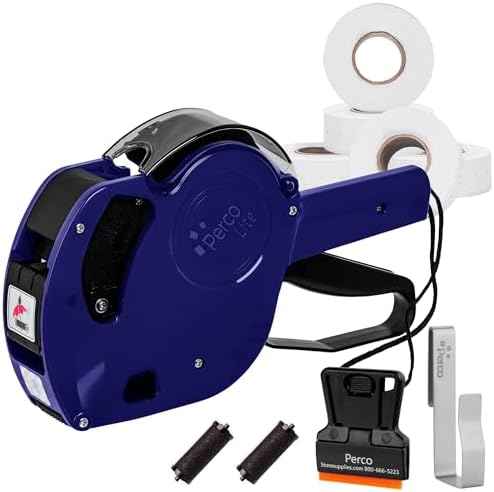
Simple Labeling Tools (Optional, Not Essential)
Labels can help, but only in the right situations.
If you’re sharing your kitchen with others, or if you’ve created a new system that might take time to learn, labels can make things clearer and easier to maintain.
But they should support your system—not replace it.
If you need labels just to remember where things go, it might be a sign that your setup is too complicated.
Keep it simple. Use labels where they reduce confusion, and skip them where they add unnecessary effort.


Final Thought
A kitchen that looks good might impress someone for a moment.
But a kitchen that works well improves your day, every single day.
And once you experience that difference—when everything is where it should be, when cooking feels smoother, when cleaning takes less effort—you stop caring so much about how it looks from the outside.
Because what really matters is how it feels to use it.