
Minimalist Closet Organization Guide
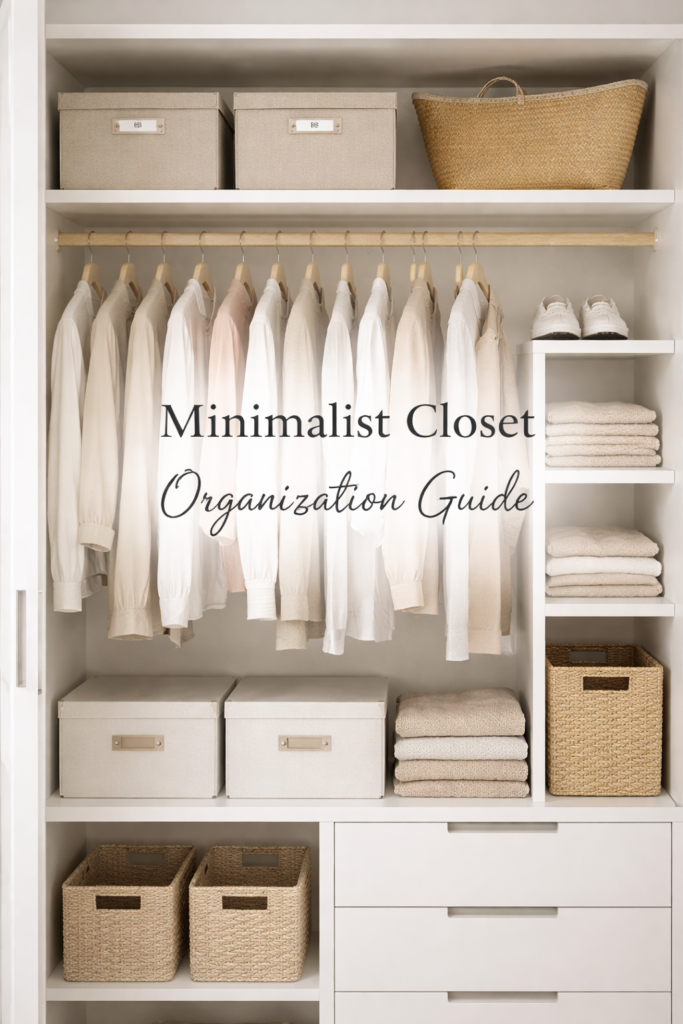
There’s something quietly powerful about opening your closet and not feeling overwhelmed.
No crammed hangers scraping against each other. No piles of clothes you forgot you owned. No “I have nothing to wear” moment while staring at a space that’s technically full.
A minimalist closet isn’t about strict rules or counting how many shirts you own. It’s about removing the friction from your daily routine. It’s about creating a space that feels calm instead of chaotic.
If your closet currently feels crowded, heavy, or slightly stressful every time you open it, you’re not alone. Most closets become storage units over time. They hold clothes that don’t fit, pieces tied to old versions of ourselves, and items we keep “just in case.”
The first step isn’t buying containers. It’s changing how you see the space.
Start With a Complete Reset
Reorganizing without decluttering is like rearranging furniture in a room that’s already too full. It may look different, but it won’t feel better.
Take everything out of your closet.
Yes, even the things you’re sure you’re keeping.
When the space is empty, something shifts mentally. You see the actual size of your closet. You notice the shelves, the hanging rod, the corners. It stops being a crowded mystery and becomes a blank slate.
Then go through your clothes slowly.
Hold each piece and ask yourself honest questions:
Do I wear this regularly?
Does it fit my body as it is today?
Do I feel good when I wear it?
If the answer is no, that doesn’t mean you made a bad purchase. It just means that item has finished its role in your life.
Minimalism isn’t about guilt. It’s about clarity.
And clarity comes from being realistic, not sentimental about every single piece.
Define Your Core Wardrobe
A minimalist closet works best when it reflects your real life — not the life you imagine or wish you had.
If you work in an office five days a week, you probably need more structured pieces. If you work from home, comfort matters more. If your weekends are casual, you don’t need five formal outfits “just in case.”
Look at your weekly routine and build around that.
The clothes you wear most often should be the easiest to access. Eye-level hanging space should hold your daily go-to pieces. Special occasion items can live further to the side or higher up.
When your closet matches your lifestyle, getting dressed becomes automatic instead of overwhelming.
Create Visual Breathing Room
One of the biggest differences between a minimalist closet and a cluttered one isn’t just the number of items — it’s the spacing.
When hangers are packed tightly together, everything blends into one heavy mass. You can’t see individual pieces clearly. And when you can’t see them, you don’t wear them.
Give your clothes room to breathe.
You don’t need massive gaps, but even a little space between hangers makes a difference. It creates visual order and helps you notice what you actually own.
Matching hangers also help more than people expect. When everything hangs at the same height and in the same direction, the closet feels cohesive. It’s a small change, but it signals intentionality.
Shelves deserve breathing room too. Instead of stacking items to the edge, leave some empty space. That “negative space” isn’t wasted — it’s what creates calm.
Minimalism isn’t about making your closet look empty.
It’s about making it feel light.
Use Simple Storage That Supports Your Habits
Once you’ve cleared the excess and defined what actually belongs in your closet, storage becomes much simpler.
You don’t need a complicated system with dozens of labels. In fact, the more complex it is, the less likely you are to maintain it.
Think about how you naturally move when you get dressed. Do you reach for folded sweaters? Do you grab accessories at the last minute? Your storage should follow those habits instead of forcing new ones.
Drawer dividers are helpful for smaller items like socks, undergarments, or workout gear. Not because they look aesthetic, but because they prevent the “digging” that slowly turns a drawer into a pile. When each category has a small boundary, it stays contained.
Clear bins can work well for seasonal clothing or items you don’t use weekly. Being able to see what’s inside saves you from opening three boxes just to find one scarf. Visibility reduces frustration, and frustration is usually what breaks organization systems.
If you have high shelves, don’t treat them as random drop zones. Use them intentionally. Off-season pieces, travel bags, or formalwear can live there. Keep daily items at eye level. When everything has a logical place, maintenance becomes almost automatic.
Make Accessories Easy, Not Hidden
Accessories are often what make a closet feel messy. Belts tangled together. Scarves stuffed into corners. Bags stacked on top of each other.
Minimalism doesn’t mean getting rid of all accessories. It means storing them in a way that makes sense.
Hooks on the inside of the closet door can hold belts or lightweight bags. A small tray or shallow box can keep jewelry from spreading across shelves. The key is containment without overcomplication.
If something is hard to reach or constantly falls over, you won’t use it. And if you don’t use it, it doesn’t need prime space.
A minimalist closet favors accessibility over decoration.
Keep It Functional, Not Instagram Perfect
It’s easy to scroll through perfectly styled closets online and feel like yours should look the same.
But real life isn’t a photoshoot.
Clothes move. Laundry cycles happen. Some days you’re in a rush. A functional minimalist closet isn’t frozen in perfection. It’s flexible.
Group similar items together. Keep categories broad enough that you don’t have to think too hard. Tops with tops. Bottoms with bottoms. Outerwear in one section. That’s enough.
If a system feels rigid, it will eventually break. If it feels natural, you’ll maintain it without effort.
Minimalism works best when it fits your rhythm, not when it forces a new one.
Maintain With Small, Consistent Resets
The difference between a temporary clean-out and a long-term minimalist closet is maintenance.
You don’t need to declutter every month. But every few months, take ten minutes to scan your space. Notice what you haven’t worn. Notice what feels out of place.
When you bring something new in, pause before adding it. Ask yourself where it will live. If it doesn’t have a clear home, that’s a signal.
Returning clothes to their proper spot after wearing them might sound obvious, but it’s powerful. One chair full of “worn but not dirty” clothes can slowly undo weeks of organization. Creating a simple rule for those items — either hang them back or designate one small hook — keeps the system intact.
Minimalism isn’t maintained through big purges. It’s maintained through small, consistent decisions.
Recommended Products
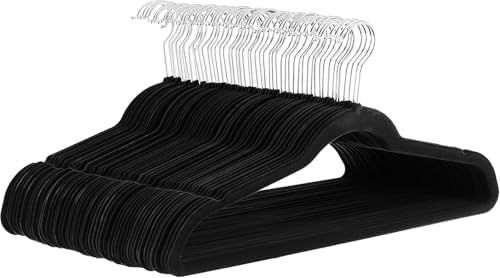
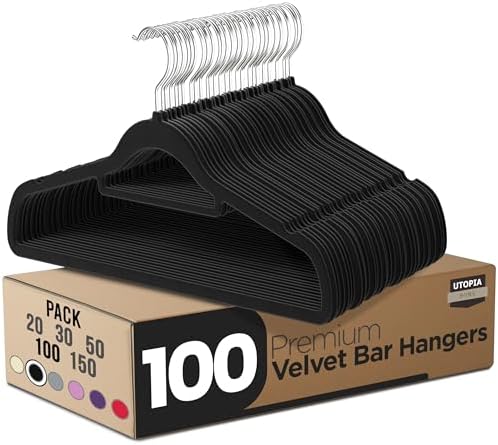
Slim Velvet Hangers
Switching to slim, non-slip velvet hangers instantly creates more hanging space while keeping clothes from sliding off. Their uniform look also makes the closet feel cleaner and more intentional without any extra effort.


Adjustable Drawer Dividers
Expandable drawer dividers are perfect for keeping smaller items organized without overcomplicating the system. They create simple sections for socks, undergarments, or workout gear, helping drawers stay neat long term.


Clear Storage Bins with Lids
Transparent bins make it easy to store seasonal clothing or less-used accessories while still seeing what’s inside. They prevent unnecessary digging and keep shelves looking structured instead of crowded.


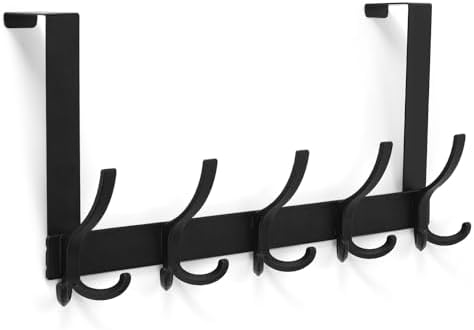
Over-the-Door Hook Rack
An over-the-door hook rack adds vertical storage without requiring installation. It’s ideal for lightweight bags, robes, or frequently used items that need quick access.



Shelf Dividers
Shelf dividers help maintain neat stacks of sweaters, jeans, or handbags. They prevent piles from toppling over and keep each category visually separated without adding bulk.


![12 Inches [Extra Tall Version] Clear Shelf Dividers for Closet Or...](https://m.media-amazon.com/images/I/41wakCL5bEL._AC_.jpg)

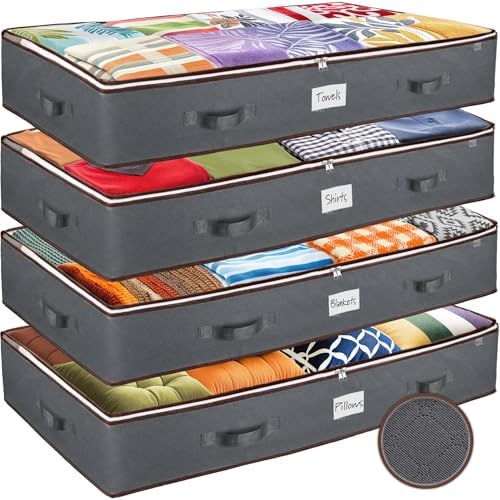
Under-Bed Storage Containers
For off-season pieces or occasional items, low-profile under-bed containers are a practical extension of your closet. They free up prime closet space while keeping clothing protected and accessible.


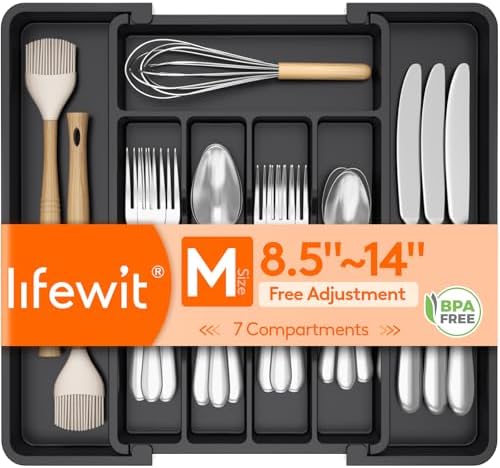
Small Accessory Organizer Trays
Simple trays for jewelry, watches, or small accessories keep surfaces from becoming cluttered. They create containment without adding visual noise, which is essential in a minimalist setup.


Final Thoughts
A minimalist closet isn’t about restriction or trends. It’s about designing a space that supports your real life.
When everything fits, when you can see what you own, when nothing feels squeezed or forgotten, something shifts. Getting dressed becomes easier. Decisions feel lighter. The closet stops being a source of stress.
You don’t need fewer clothes just to say you do.
You need a closet where every piece earns its place — and where you feel comfortable, clear, and at ease every time you open the door.