How to Organize Your Closet Without Buying Too Much
At first, the closet didn’t really seem like a problem.
It was a little full, maybe a little messy sometimes, but manageable.
You could still find things. The doors still closed. Nothing felt completely out of control.
So you kept using it the same way.
Until small frustrations started becoming part of your routine.
Not dramatic problems.
Just constant little inconveniences.
Before: The Closet Felt Busy All the Time
You’d open the closet looking for one thing and immediately start shifting clothes around.
Hangers felt packed tightly together. Folded stacks leaned over the moment you touched them. Certain shelves became “temporary” spaces that somehow stayed messy permanently.
And even though the closet technically had enough room…
It never felt easy to use.
That’s usually the first sign something isn’t working.
Not visible chaos.
Just resistance.
Getting Dressed Started Taking Longer Than It Should
One of the strangest things about closet clutter is that you stop noticing it directly.
Instead, you notice the effects.
You wear the same outfits repeatedly because they’re easier to reach.
You ignore certain clothes because they’re buried behind other things.
You buy duplicates without realizing you already own something similar.
And slowly, the closet becomes less about choice and more about convenience.
Not because you don’t have options.
But because your brain naturally chooses whatever feels easiest to access.
The Closet Was Full of “Just in Case”
This is where most closets quietly become overcrowded.
Not because of daily essentials.
But because of uncertainty.
Clothes you might wear someday. Items that still technically fit. Pieces connected to a different version of your routine or lifestyle.
None of them feel unnecessary on their own.
That’s why they stay.
But together, they slowly fill the space until your actual daily clothes are competing for room.
And when that happens, the closet stops supporting your routine.
It starts slowing it down.
The Problem Wasn’t Really Storage
This is important.
Most people assume the solution is buying more organizers.
More bins. More dividers. More storage boxes.
But adding more containers to an already crowded closet can sometimes make things feel even heavier.
Because the real issue usually isn’t storage capacity.
It’s visibility and accessibility.
You already have space.
The problem is how hard it’s become to use it.
Everything Was Competing for Attention
When closets get crowded, everything starts blending together.
Colors, fabrics, piles, hangers.
Nothing stands out anymore.
And that creates mental friction every time you open the door.
Your eyes scan too many things at once.
You pause longer than you should.
Simple decisions suddenly require more energy than expected.
That’s why clutter feels exhausting even when it’s “organized.”
Because your brain is still processing all of it constantly.
You Don’t Need a Perfect Closet
This is where a lot of people get stuck.
They think organizing means creating one of those perfectly styled closets you see online.
Matching containers. Perfect labels. Color-coded everything.
But real life usually doesn’t work that way.
And honestly, it doesn’t need to.
A closet doesn’t need to look perfect.
It just needs to feel easy.
Easy to open. Easy to navigate. Easy to maintain.
That matters far more than aesthetics.
Small Frustrations Add Up Faster Than You Think
One crowded shelf doesn’t seem serious.
Neither does one messy drawer or one pile on the floor.
But when those small inconveniences happen every day, they slowly change how the whole space feels.
You begin avoiding parts of the closet.
You stop putting things away properly because there’s no clear room.
Laundry becomes more annoying because there’s nowhere simple to place things afterward.
And eventually, even opening the closet feels mentally tiring.
Not because it’s terrible.
Just because it constantly asks for extra effort.
The Shift: Focusing on Friction Instead of Perfection
The biggest improvement usually happens when you stop asking:
“How can I make this closet look better?”
And start asking:
“What feels annoying every single day?”
That question changes everything.
Because suddenly, the focus becomes practical.
You notice what’s always falling over. What you avoid wearing because it’s hard to reach. Which sections feel stressful instead of helpful.
And those observations matter more than buying another organizer ever will.
Most closets don’t need more products.
They need fewer obstacles.
Visibility Changes Everything
One of the most underrated parts of organizing is simply being able to see your things clearly.
Not packed tightly together.
Not hidden behind piles.
Just visible.
Because when you can easily see what you own, you naturally use more of it.
You stop forgetting about clothes.
You stop buying unnecessary duplicates.
And the closet starts feeling lighter without actually becoming empty.
That’s usually when things finally begin to change.
Not when the closet looks perfect.
But when it starts feeling easier to live with every day.
After: The Closet Starts Feeling Lighter Without Spending Much
What changed in the end wasn’t dramatic.
There was no expensive makeover. No giant shopping haul filled with containers and matching organizers.
Most of the improvement came from small adjustments.
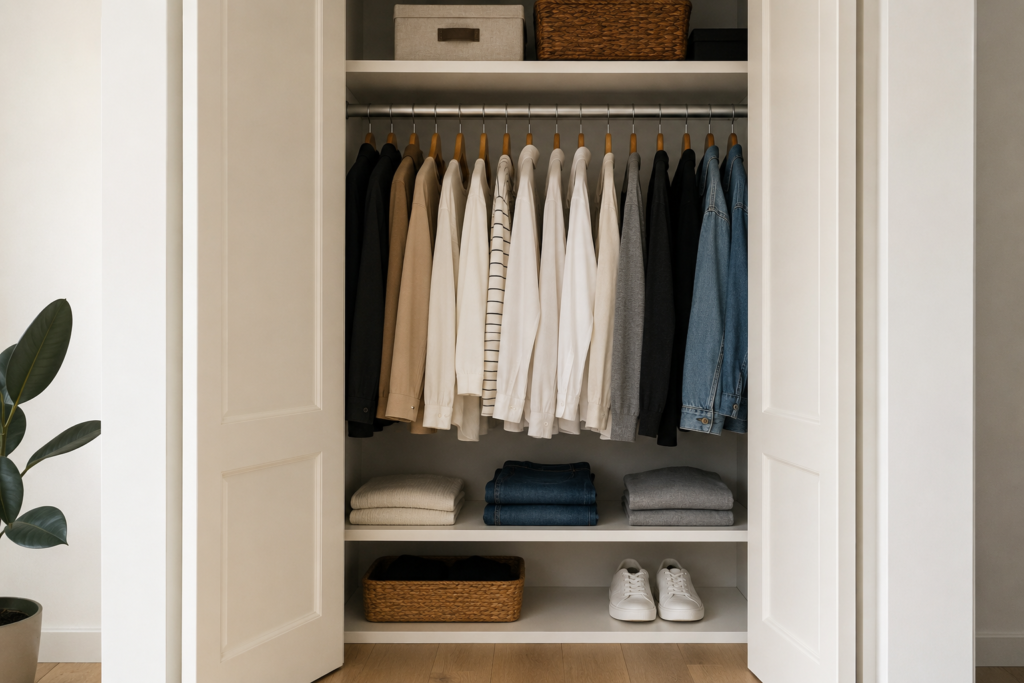
A little more space between clothes. Fewer things competing for attention. Better placement for the items used every day.
At first, the closet didn’t even look completely different.
But using it felt completely different.
You Stop Fighting the Space Every Morning
Before, getting dressed always involved small interruptions.
Moving hangers. Digging through stacks. Looking for something hidden behind other clothes.
After, those moments started disappearing.
You open the closet and immediately understand what’s there.
Not because you own less necessarily…
But because the space finally lets you see it.
And that changes your entire routine more than people expect.
Daily Clothes Become Easier to Reach
One of the biggest shifts came from separating “daily life” from “everything else.”
Instead of treating every item equally, the clothes worn most often became the easiest to access.
Current-season items moved forward.
Favorites stayed visible.
Less-used pieces moved slightly out of the way.
And suddenly, the closet felt more connected to real life instead of just acting like storage.
Empty Space Starts Feeling Valuable
This is something people rarely realize at first:
A little empty space is useful.
Not wasted.
When every shelf and rod is packed completely full, the closet feels heavy.
But once things have breathing room, everything becomes easier to manage.
You can move hangers without resistance. Folded piles stay intact longer. Drawers open without feeling crammed.
And the entire closet feels calmer because of it.
You Use More of What You Already Own
This part surprises people.
Once the closet becomes easier to navigate, you naturally start wearing more of your clothes.
Items that were hidden suddenly become part of your routine again.
You rediscover pieces you forgot about—not because you went looking for them, but because they’re finally visible.
And that often reduces the urge to buy more.
Because the closet already feels more functional.
Small Systems Work Better Than Complicated Ones
Another thing that changed was simplicity.
Instead of creating complicated organization systems, the closet started relying on easier habits.
Hooks for in-between clothes.
A small section for everyday favorites.
Simple categories instead of endless subdivisions.
And because the system felt natural, it actually lasted.
That’s the difference most people overlook.
The best organization systems aren’t the most impressive ones.
They’re the ones you can maintain without thinking about them constantly.
Visual Clutter Went Down Immediately
One subtle change made a huge impact:
Less visible chaos.
Not because everything was hidden away perfectly.
Just because fewer things were competing visually.
Cleaner shelves. Less overcrowding. Fewer random items sitting around without purpose.
And suddenly, the closet stopped feeling mentally exhausting.
It felt lighter.
More breathable.
The Closet Became Easier to Maintain
This is where the real payoff happens.
Before, keeping the closet organized felt like work.
Things got messy quickly because the system was already overloaded.
After, maintenance became simpler.
Putting clothes away took less effort.
Laundry felt less frustrating.
Small messes stayed small instead of turning into larger problems.
Because the closet finally had enough flexibility to absorb daily life.
What Stayed the Same (And Why That Matters)
The size didn’t change.
The layout didn’t change.
And very little money was spent.
That’s important.
Because it proves most closet problems aren’t solved by buying more things.
They’re solved by reducing friction.
Less overcrowding. Better visibility. Easier access.
Small adjustments that make everyday routines feel smoother.
Recommended Products That Help Organize Your Closet Without Overspending
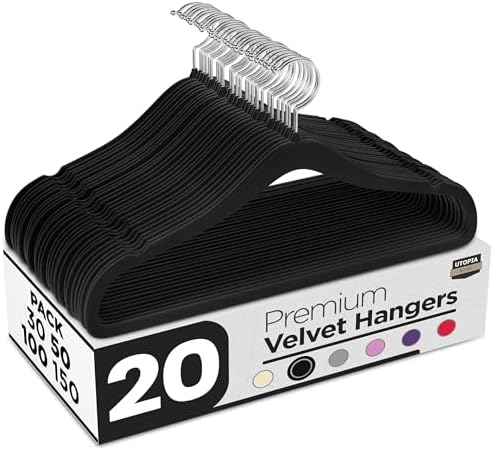
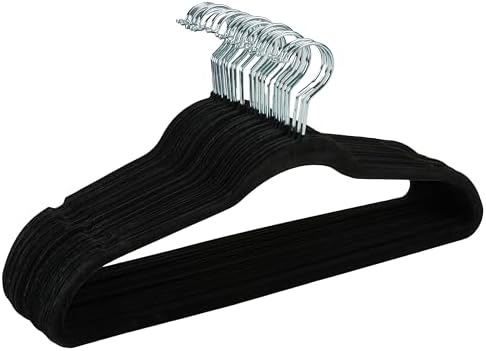
Slim Velvet Hangers (To Create Instant Space)
Bulky hangers take up more room than most people realize.
Slim velvet hangers make clothes easier to see while creating noticeable extra space on your closet rod without changing anything else.


Simple Shelf Dividers (To Keep Stacks Under Control)
Folded clothes usually start neat and slowly collapse over time.
Shelf dividers help maintain structure without needing expensive storage systems or constant reorganizing.


![6 Pack 12 Inches [Extra Tall Version] Clear Shelf Dividers for Or...](https://m.media-amazon.com/images/I/41Lv-s5CA4L._AC_.jpg)
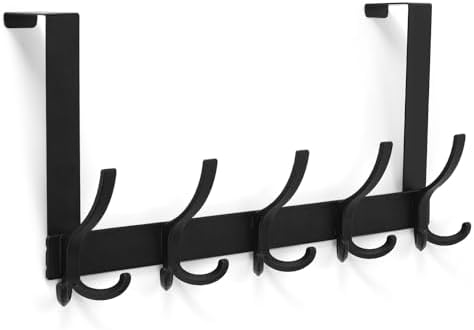
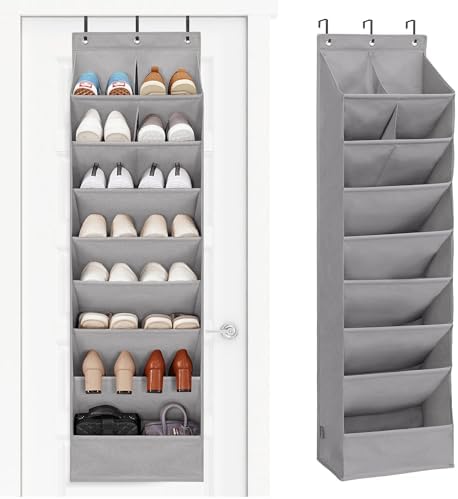
Over-the-Door Hooks (For Everyday Clothes)
A lot of clutter comes from clothes that are “not dirty but not clean enough to put away.”
Simple hooks give those items a place instead of letting them pile up on chairs or corners.


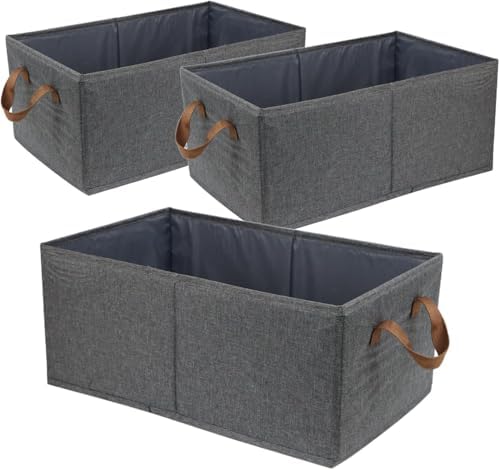
Fabric Storage Bins (To Reduce Visual Clutter)
Not everything needs to stay fully visible.
Soft storage bins help group smaller items together while making shelves feel calmer and less crowded.


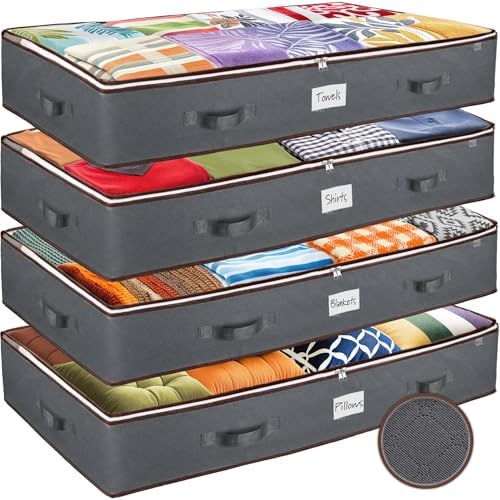
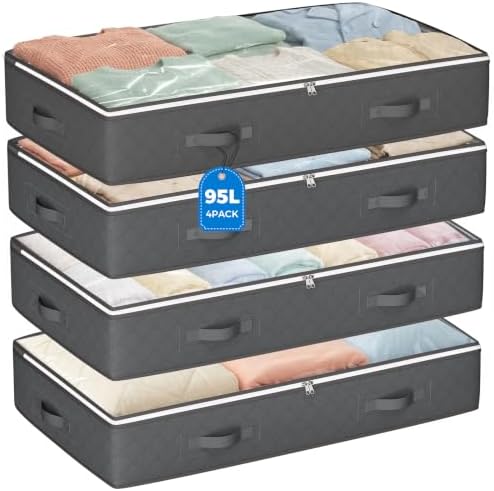
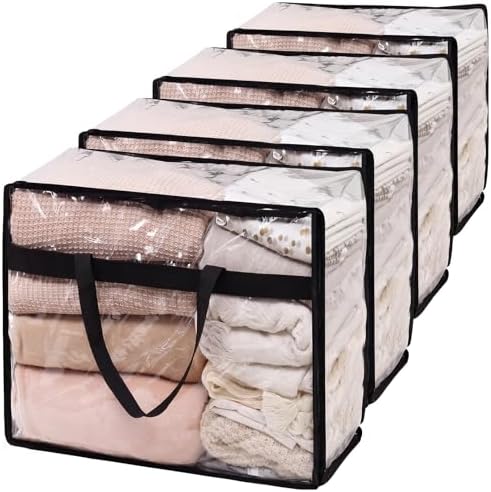
Under-Bed Storage Containers (To Free Up Closet Space)
Seasonal clothes and rarely used items take up more room than expected.
Under-bed containers help move those items out of your main closet without getting rid of them completely.

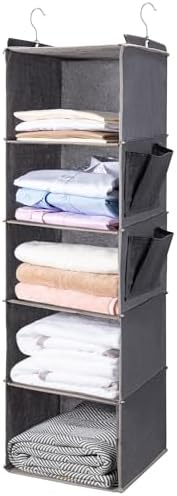
Hanging Closet Organizer (To Add Structure Without Furniture)
A hanging organizer creates extra sections for sweaters, jeans, or daily clothes without requiring additional furniture or complicated systems.
Perfect for smaller closets with limited shelving.


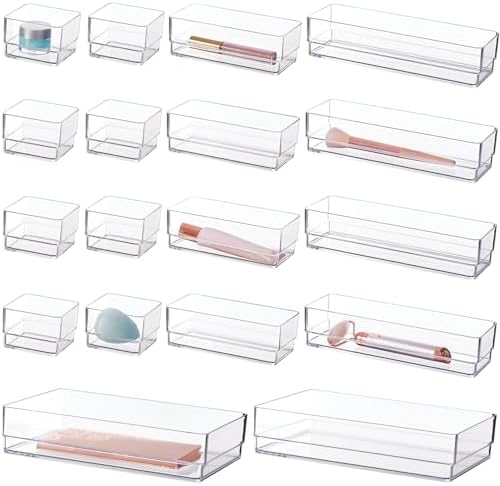
Drawer Organizers (To Stop Small Items From Taking Over)
Socks, accessories, and smaller clothing pieces create hidden clutter quickly.
Simple drawer organizers make everything easier to find and prevent drawers from becoming chaotic over time.



Final Thought
A good closet doesn’t need to look perfect.
It just needs to support your life instead of slowing it down.
And most of the time, that doesn’t require expensive systems or a complete reset.
It simply requires a little more space to breathe, a little less visual noise, and a setup that feels natural to use every day.
Because when your closet becomes easier to use…
Your mornings feel easier too.