
The Biggest Bathroom Clutter Mistakes (And How to Fix Them Fast)
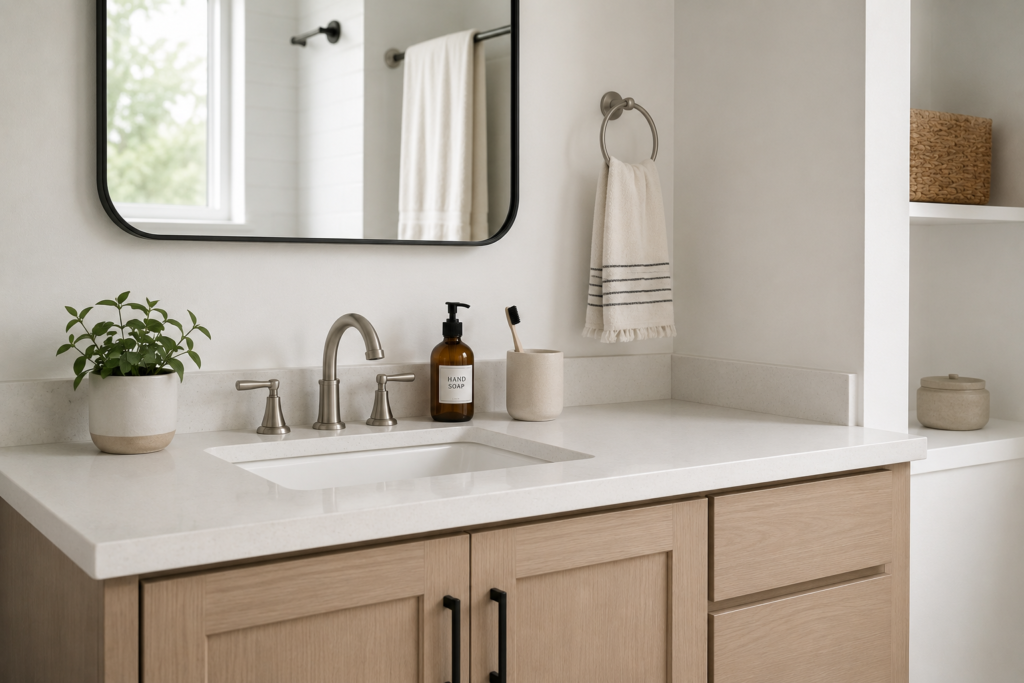
Bathrooms get cluttered differently than other rooms.
It’s usually not obvious at first.
There isn’t one dramatic moment where everything suddenly becomes messy.
Instead, things slowly collect over time.
A product left on the counter because you use it “all the time.” Extra towels with nowhere specific to go. Half-used bottles you keep meaning to finish. Small items placed temporarily that quietly become permanent.
And after a while, the bathroom starts feeling crowded even when it’s technically clean.
Before: The Bathroom Always Felt Slightly Busy
Nothing looked terrible.
The sink area was usable. Cabinets still closed. The floor wasn’t covered in things.
But the room never fully felt calm.
Every surface had something on it.
The counter was partially occupied all the time. Drawers were full enough that opening them felt slightly annoying. Under the sink became a place where random products disappeared into clutter.
You adapted to it without realizing it.
Until those little inconveniences became part of your daily routine.
Getting Ready Started Taking More Effort
This is usually the first thing people notice.
Not the clutter itself.
The effort.
You go to wash your face and move products first.
You open a drawer and search longer than expected.
You reach under the sink and shift bottles around trying to grab one thing from the back.
Nothing feels impossible.
Just unnecessarily complicated.
And because bathrooms are used every single day, those tiny frustrations repeat constantly.
The Counter Slowly Became Storage
At first, keeping products on the counter feels practical.
You use them often, so it makes sense.
But over time, more items stay out.
Skincare products. Hair tools. Makeup. Extra soap. Random daily essentials.
Each one earns its spot individually.
But together, they slowly take over the space.
And once the counter stops functioning as open space, the entire bathroom starts feeling smaller.
Not because of the size…
But because there’s nowhere for your eyes—or your routine—to breathe anymore.
“Just in Case” Products Started Taking Over
Bathrooms are full of items people keep for someday.
Partially used products. Backup toiletries. Samples. Travel-sized bottles. Hair products you’re not even sure you still like.
None of them feel important enough to remove.
So they stay.
And little by little, they begin filling drawers and cabinets with things you rarely touch.
The strange part is that this hidden clutter still affects the room.
Even when you can’t fully see it.
Because overcrowded storage creates friction every time you try to use it.
Everything Was Technically Organized… But Hard to Use
This is one of the biggest hidden problems.
A bathroom can look organized and still feel frustrating.
Because organization isn’t just about where things are placed.
It’s about how naturally the space supports your routine.
When daily items are buried behind less-used ones, mornings become slower.
When categories are mixed together randomly, simple tasks require extra attention.
When there’s no clear system, your brain works harder every time you use the space.
And over time, that mental effort becomes exhausting.
Small Spaces Amplify Everything
Bathrooms don’t have much extra room to begin with.
So clutter affects them faster than almost any other area of the home.
One crowded shelf can make the room feel tight.
A few extra bottles in the shower can make the entire space feel chaotic.
Even small amounts of visual clutter feel amplified because everything is so close together.
That’s why bathroom clutter feels overwhelming so quickly—even when the amount of stuff itself isn’t huge.
Visual Noise Builds Quietly
One thing people rarely talk about is how mentally tiring visual clutter can feel.
Especially in bathrooms.
There’s already a lot happening visually: mirrors, tile, reflections, products, towels, containers.
When every surface also holds multiple small items, your eyes never really get a break.
The room feels “busy” even when it’s clean.
And that constant visual stimulation creates subtle stress you don’t fully notice until the space finally feels calmer again.
The Real Problem Was Friction
At some point, it becomes obvious.
The issue isn’t necessarily having too much stuff.
It’s how much effort it takes to move around the clutter.
Searching. Rearranging. Moving things before using the sink. Digging through drawers.
Those tiny moments add up every single day.
And eventually, the bathroom stops feeling relaxing or functional.
It starts feeling like another thing to manage.
The Shift: Paying Attention to What Interrupts Your Routine
The biggest improvements usually start with one simple question:
“What keeps getting in my way?”
Not what looks bad.
Not what would look good on social media.
Just what interrupts your routine repeatedly.
What do you move every morning? What feels slightly annoying every day? What takes longer than it should?
Once you notice those patterns, the clutter becomes much easier to fix.
Because suddenly, the goal isn’t perfection.
It’s making the bathroom easier to live with.
After: The Bathroom Finally Feels Easier to Use
What changed in the end wasn’t dramatic.
There was no expensive remodel, no perfectly styled shelves, no complete minimalist reset.
Most of the improvement came from removing small obstacles.
A few products came off the counter. Extra bottles were reduced. Daily items were grouped together instead of scattered everywhere.
At first glance, the bathroom didn’t even look completely different.
But using it felt completely different.
The Counter Started Feeling Like Space Again
This is usually the first thing people notice.
Before, the counter technically had room—but never enough to feel fully usable.
There was always something sitting there.
After clearing even part of it, the room immediately felt lighter.
Suddenly there was space to put things down without moving anything first.
Space to go through your routine without adjusting your environment every few seconds.
And that small change affects the entire mood of the bathroom more than people expect.
Daily Routines Became Smoother
Before, simple tasks had hidden friction built into them.
You’d open drawers multiple times. Reach around products. Move things before using the sink.
After, those interruptions started disappearing.
The items used every day became easy to reach.
Everything had a clearer purpose and location.
And because of that, your routine started flowing more naturally.
Not faster in a rushed way.
Just smoother.
The Shower Felt Bigger Without Actually Changing
One unexpected improvement came from reducing shower clutter.
Fewer bottles. Fewer “just in case” products sitting around unused.
And suddenly, the shower itself felt more open.
Cleaning became easier too.
You weren’t constantly lifting products or trying to find room for things anymore.
The space finally felt functional instead of overcrowded.
Storage Became Easier to Navigate
Another big shift happened inside drawers and cabinets.
Not because more storage was added.
Because less friction existed inside it.
You could actually see what was there.
Products stopped getting buried behind duplicates and random extras.
Opening a drawer no longer felt mentally exhausting.
And that matters more than most people realize.
Because storage only helps if it’s easy to use.
Visual Noise Went Down Immediately
This is one of the most underrated changes.
When fewer items stay visible, the entire room feels calmer.
Not empty.
Just quieter.
The bathroom finally had small areas where your eyes could rest.
A cleaner counter. A less crowded shelf. More open space between objects.
And because bathrooms are already small environments, even tiny reductions in visual clutter create a surprisingly big impact.
The Bathroom Became Easier to Maintain
This is where the real difference shows up long-term.
Before, clutter returned quickly because the room was already overloaded.
There was no flexibility.
No extra room for everyday life.
After, maintenance became easier naturally.
Putting things away felt simpler.
Cleaning took less effort.
Small messes stayed small instead of immediately turning into chaos.
Because the bathroom finally had enough breathing room to function properly.
You Stop Feeling Slightly Irritated All the Time
This part is subtle.
But important.
When a space constantly creates small interruptions, your body notices—even if you don’t consciously think about it.
The repeated friction adds stress to routines that should feel automatic.
Once those obstacles disappear, the room feels calmer almost instantly.
Not because it’s perfect.
Because it stops working against you.
What Stayed the Same (And Why That Matters)
The bathroom size didn’t change.
The layout stayed the same.
Very little money was spent.
And that’s important.
Because most bathroom clutter problems aren’t solved by buying more things.
They’re solved by making the space easier to use.
Less overcrowding. Better visibility. Simpler systems.
Small adjustments that quietly improve everyday life.
Recommended Products That Quickly Reduce Bathroom Clutter
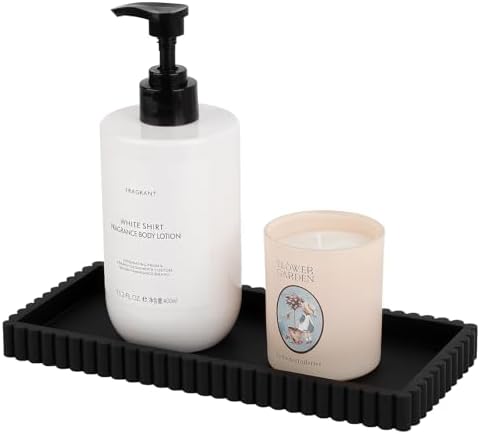
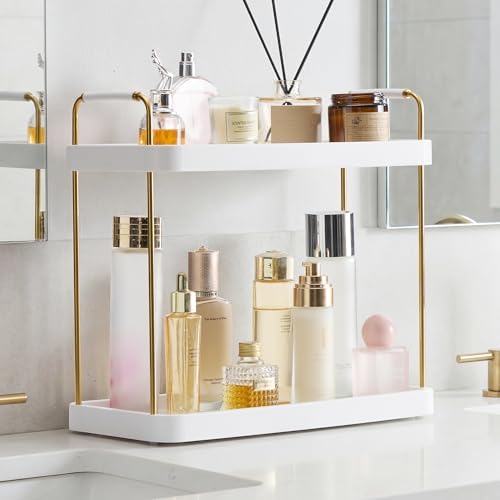
Countertop Organizer Tray (To Control Everyday Products)
Instead of having products spread across the counter, a simple tray keeps daily essentials grouped together in one defined area.
It instantly makes the bathroom feel cleaner and more organized without removing convenience.


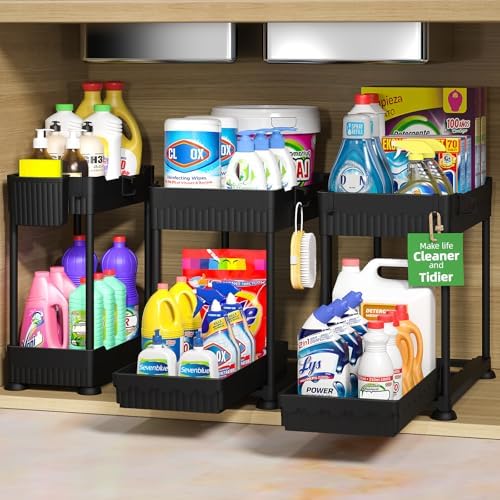
Under-Sink Storage Bins (To Stop Hidden Chaos)
The space under the sink often becomes cluttered with random bottles and backup products.
Storage bins create simple categories so everything stays visible and easier to access.


Shower Caddy Organizer (To Reduce Shower Clutter)
Too many bottles in the shower make the entire bathroom feel crowded.
A shower caddy keeps products organized in one spot while helping limit what actually stays inside the shower area.


Drawer Dividers (To Simplify Daily Routines)
Bathroom drawers get messy fast when small items mix together.
Drawer dividers create structure so essentials are easier to find and don’t turn into hidden clutter.


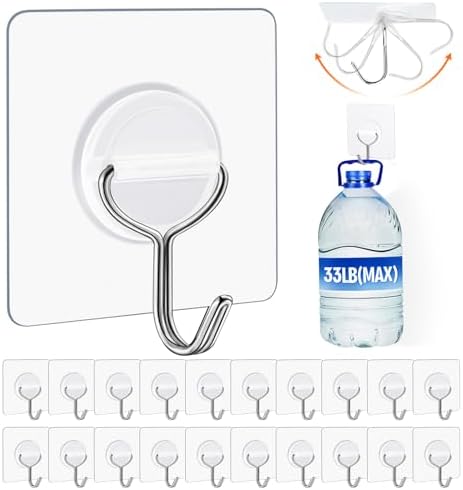
Adhesive Wall Hooks (To Free Up Surfaces)
Hooks are one of the easiest ways to remove towels, robes, or clothes from counters and floors.
They add function without taking up valuable bathroom space.


Over-the-Toilet Storage Shelf (To Use Vertical Space)
Bathrooms usually have limited storage, but vertical space often goes unused.
A slim shelf above the toilet adds storage without making the room feel crowded.


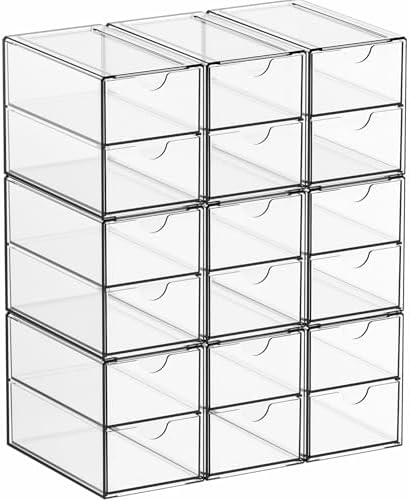
Clear Acrylic Organizers (To Reduce Visual Noise)
Clear organizers help contain smaller products while still letting you see everything easily.
They make the bathroom feel calmer without hiding things completely.


Final Thought
A bathroom doesn’t need to look like a showroom to feel good.
It just needs to support your routine instead of slowing it down.
And most of the time, the biggest improvements come from removing what’s unnecessary—not adding more.
Because when the clutter disappears, even a small bathroom starts feeling lighter, calmer, and much easier to live with every single day.