The Biggest Kitchen Storage Mistakes You’re Probably Making
At some point, your kitchen just stops feeling easy.
Not messy in a dramatic way.
Not completely out of control.
Just… slightly harder to use than it should be.
You go to cook something simple and end up moving things around first. You open a cabinet and pause for a second longer than expected. You look for something you know you have—but it’s not immediately in sight.
Nothing feels broken.
But nothing feels smooth either.
Before: A Kitchen That Looks Organized… But Slows You Down
If someone walked into your kitchen, they probably wouldn’t notice anything wrong.
Things are in place. Cabinets are closed. Surfaces aren’t overflowing.
It looks functional.
But using it tells a different story.
Because organization isn’t just about where things are.
It’s about how easy they are to use.
And that’s where things start to fall apart.
You Spend More Time Adjusting Than Cooking
One of the first signs something isn’t working is how often you adjust things.
You want to use the counter—but there’s just enough on it to get in the way.
So you move something.
Then something else.
Then you start cooking.
It doesn’t feel like a big deal.
But it happens every time.
And that small extra step becomes part of your routine.
Cabinets Are Full… But Not Helpful
At a glance, your kitchen might seem like it has enough storage.
Plenty of cabinets. Enough drawers. Space for everything.
But once you start using them, it feels different.
You open a cabinet and shift things around just to grab one item.
You stack things on top of each other because there’s nowhere else to put them.
You hesitate for a second before reaching in—because you know it won’t be quick.
That’s when you realize:
Storage isn’t the problem.
Access is.
Everything Has a Place—But Not the Right One
This is one of the most common issues, and it’s easy to miss.
You’ve organized your kitchen.
Everything has a designated spot.
But those spots don’t match how you actually use the space.
Items you use daily are slightly out of reach.
Things you barely touch are sitting in the most convenient areas.
So even though everything is technically “organized,” it doesn’t feel efficient.
And that mismatch creates friction every single time you cook.
The Counter Becomes a Backup Storage Area
It starts small.
A coffee maker. A toaster. Maybe a few items you use often.
All reasonable on their own.
But over time, the counter slowly fills up.
Not enough to look cluttered…
But enough to reduce how much space you actually have to work with.
So every time you cook, you’re working around things instead of with the space.
And that’s what makes your kitchen feel smaller than it really is.
Visual Clutter Builds Without You Noticing
Nothing looks messy at first.
But there’s always something in view.
A few items on the counter. Some containers on a shelf. Tools sitting out “for convenience.”
Individually, they make sense.
Together, they create constant visual noise.
And in a kitchen—where everything is already close together—that noise builds quickly.
Your eyes are always processing something.
There’s no pause.
And that’s what makes the space feel tighter, even when it isn’t.
The Real Problem Is Friction
At some point, it becomes clear.
The issue isn’t how much storage you have.
It’s how much effort it takes to use it.
All those small actions—moving things, searching, adjusting—add up.
They slow you down.
They make simple tasks feel slightly more complicated than they should be.
And over time, that changes how your kitchen feels completely.
The Shift: Noticing What Gets in the Way
Instead of trying to make the kitchen look better, the focus shifts to something simpler:
“What gets in the way when I’m cooking?”
Not what looks messy.
Not what could be improved visually.
Just what interrupts your flow.
Those small moments where you pause, adjust, or hesitate.
Once you start paying attention to that, patterns show up quickly.
You notice what you move every time. What you avoid using. What feels slightly inconvenient but never urgent enough to fix.
And that’s where the real improvements come from.
Not in adding more storage.
Not in buying more organizers.
Just in removing the small obstacles that make your kitchen harder to use than it needs to be.
After: When the Kitchen Starts Working With You Again
The change didn’t come from a big reset.
There was no full clear-out, no perfectly labeled system, no moment where everything suddenly looked like a magazine.
It started with small decisions.
Moving a few things closer to where they’re actually used. Taking a couple of items off the counter. Letting go of what was just taking up space without adding value.
At first, it didn’t look that different.
But it felt different almost immediately.
You Stop Preparing the Space Before Using It
Before, every task had a small setup phase.
You’d clear a bit of counter space, move something aside, open and close a cabinet more than once.
After, that step disappears.
You walk in and start.
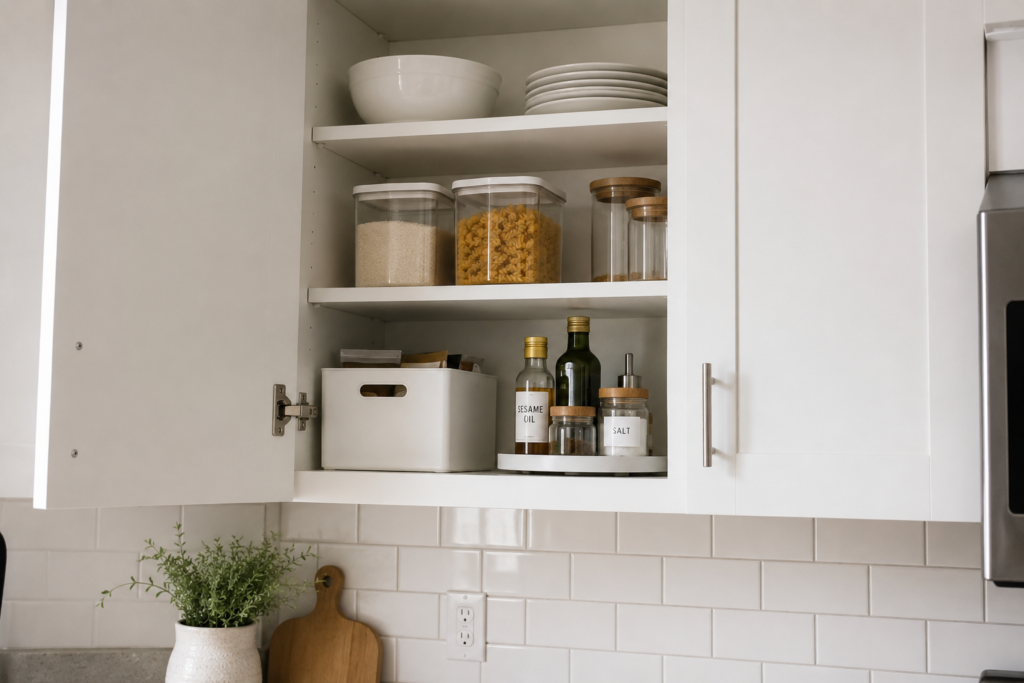
There’s already space where you need it. The things you use most are already within reach.
And that alone makes cooking feel easier, even when nothing else has changed.
The Counter Becomes a Workspace Again
This is usually the biggest shift.
Not a completely empty counter—just a usable one.
A section that stays clear enough to actually work on.
And once you have that, everything flows better.
You prep faster. Clean as you go more naturally. You’re not constantly adjusting your surroundings just to keep going.
It’s a small change that affects everything.
Cabinets Feel Lighter Without Adding Space
Nothing about the cabinets physically changed.
But once they stopped being overfilled, everything inside became easier to use.
You open a cabinet and see what’s there.
You reach in and grab something without moving three other things first.
You don’t hesitate.
And that’s what makes storage feel useful again.
Not how much it holds…
How easily you can access it.
Daily Items Finally Make Sense
Another quiet change happens when things are placed based on real use.
Not where they “should” go.
But where you actually need them.
Utensils closer to the stove. Oils and spices within reach. Plates where they’re easiest to grab.
And suddenly, you’re moving less.
Not in a noticeable way at first.
But enough to make everything feel smoother.
Less Visible Stuff, More Breathing Room
One of the most underrated changes is reducing what stays in sight.
Not hiding everything away.
Just being more selective.
Only what you use daily stays visible.
Everything else has a place out of view.
And that shift creates something the kitchen didn’t have before:
Space to breathe.
The room feels calmer. Less busy. Easier to be in.
You Start Using More of What You Own
This part is unexpected.
When everything is easier to see and reach, you naturally use more of what you already have.
Tools you forgot about. Ingredients you used less often. Items that were buried before.
Not because you made an effort to use them…
But because they’re finally accessible.
What Stayed the Same (And Why That Matters)
The layout didn’t change.
The size didn’t change.
There was no expensive upgrade or new system.
And that’s important.
Because it shows that most kitchens don’t need more storage.
They need better flow.
Less friction. Less overfilling. Less visual noise.
The Result: A Kitchen That Feels Effortless
Visually, the difference might seem subtle.
But in daily use, it’s obvious.
You move more easily. Cook more naturally. Clean without thinking about it.
The space supports you instead of slowing you down.
And that’s what a good kitchen should do.
Recommended Products That Fix Common Kitchen Storage Mistakes
Expandable Cabinet Shelves (To Stop Stacking Everything)
Stacking items inside cabinets makes everything harder to reach.
Expandable shelves create an extra level, so you can see and grab things without moving everything around.
Simple change, big difference in daily use.


Clear Storage Bins (To Keep Everything Visible)
When items are hidden, you forget what you have.
Clear bins keep things grouped but still visible, so you don’t waste time searching or rebuying things you already own.


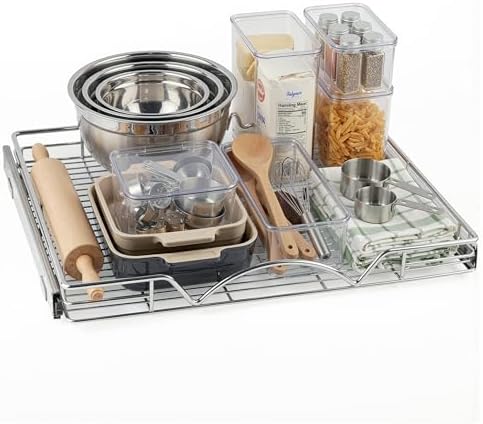
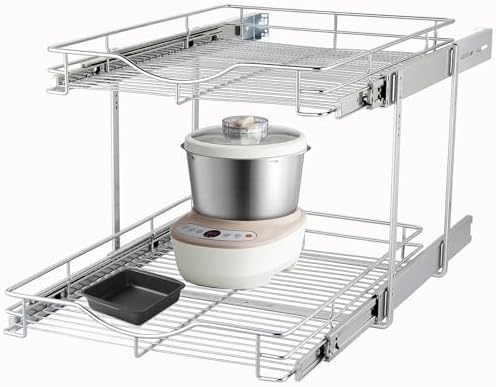
Pull-Out Cabinet Organizers (To Make Deep Spaces Usable)
Deep cabinets are where things get lost.
Pull-out organizers bring everything forward, so you can access items without digging.
This removes one of the biggest sources of friction in most kitchens.


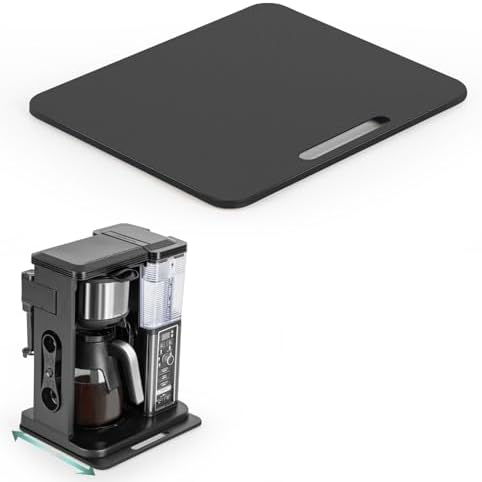
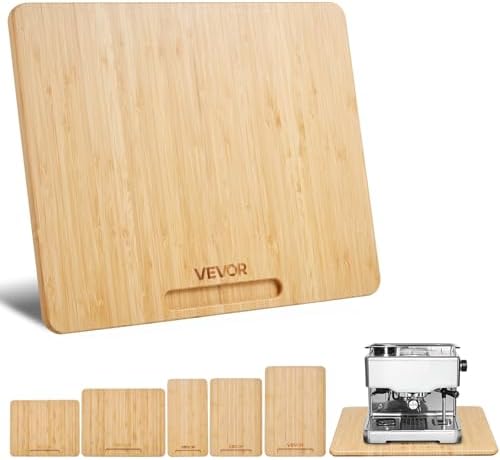
Countertop Appliance Slider (To Free Up Working Space)
Appliances tend to stay on the counter because they’re hard to move.
A simple slider lets you push them back when not in use and pull them forward easily when needed.
More flexibility without removing what you use.


Wall-Mounted Utensil Hooks (To Reduce Drawer Clutter)
Drawers fill up fast, especially with utensils.
Wall hooks move frequently used tools out of drawers and into easy reach, freeing up space where it matters.


Lazy Susan Turntable (To Fix Hard-to-Reach Corners)
Corner cabinets and deep shelves often waste space.
A turntable lets you access everything with a simple spin instead of moving items around.
It’s one of the easiest upgrades for instant improvement.


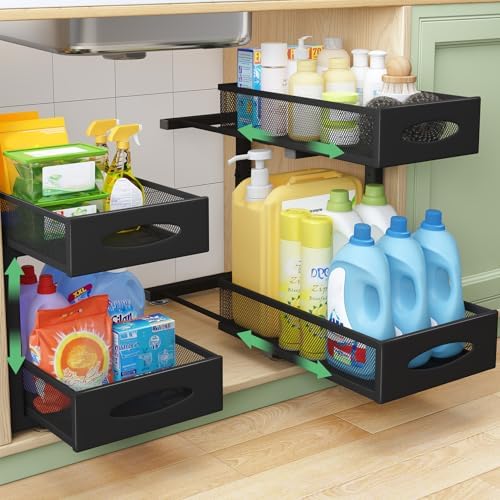
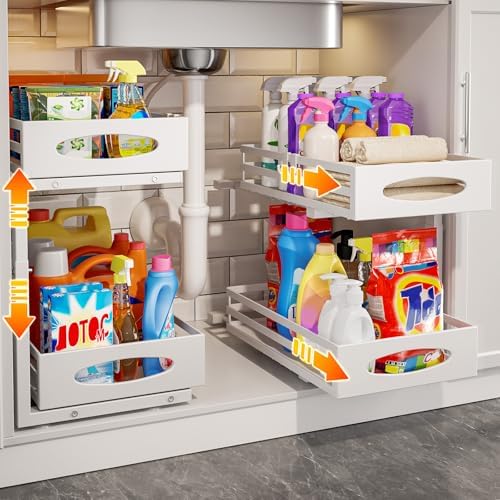
Under-Sink Storage Organizer (To Control Hidden Chaos)
The space under the sink tends to become cluttered quickly.
A simple organizer creates structure so everything has a place and stays accessible.


Final Thought
You don’t need to redesign your kitchen to improve it.
Most of the time, you just need to remove what’s getting in your way.
Make things easier to reach, easier to see, easier to use.
And when that happens…
Even the same kitchen can feel completely different.