Under $50 Small Space Ideas That Make a Huge Difference
At the beginning, the space didn’t feel like a problem.
It was small, yes—but manageable.
You could move around, sit, work, relax. Everything technically had a place, and nothing felt completely out of control.
So you didn’t question it.
You just adapted to it.
Until those small, everyday moments started to feel a little more frequent.
A little more noticeable.
Before: A Space That Works… But Slows You Down
There wasn’t a single big issue.
It was a pattern of small ones.
You’d go to sit down and move something first. Try to use a surface and realize it was already partially taken. Look for something and take a few seconds longer than expected.
Nothing frustrating enough to fix immediately.
But constant.
And that’s what changed how the space felt.
Not the size itself…
The effort it took to use it.
It Looked “Fine”… But Didn’t Feel Easy
If someone walked in, they probably wouldn’t notice anything wrong.
Things were in place. Surfaces weren’t overflowing. Storage existed.
It looked functional.
But living in it felt different.
Because “fine” doesn’t mean effortless.
It just means you’ve gotten used to it.
You’ve learned where things are, how to move around, what to adjust.
But that doesn’t mean it’s working well.
It just means you’ve adapted to the friction.
Every Surface Was Slightly Occupied
This is where the real problem started to show.
No surface was completely cluttered.
But none of them were fully usable either.
A table with a few items. A desk with just the essentials. A corner that seemed organized but still in use.
Individually, everything made sense.
Together, they quietly took over your space.
So every time you needed to use something, you had to create space first.
Move something. Shift things around. Make room.
That extra step became part of everything.
And that’s what made the space feel smaller than it really was.
The Space Felt Full—Even When It Wasn’t
There’s a difference between having a lot of things…
And feeling like you have no room.
This space felt full.
Not because there was too much stuff in a visible way.
But because everything already had a job.
Every surface was in use. Every storage area was occupied. Every corner had something assigned to it.
There was no flexibility.
No place to temporarily put something. No room to move without adjusting first.
And that’s what made it feel tight.
Visual Clutter Builds Up Quietly
Nothing looked messy.
But there was always something in view.
Small objects, everyday items, things that didn’t seem like a problem on their own.
But in a small space, everything is close together.
So your eyes are constantly processing multiple things at once.
There’s no pause.
And over time, that creates a sense of pressure.
The space feels heavier.
More crowded.
Not physically…
But mentally.
The Real Problem Was Friction
At some point, it becomes clear.
The issue isn’t how much space you have.
It’s how easy it is to use.
All those small actions—moving things, adjusting, searching—add up.
They slow you down.
They make simple tasks feel slightly more complicated than they should be.
And over time, that changes how the space feels completely.
The Shift: Noticing What Gets in the Way
Instead of trying to make the space look better, the focus shifts to something simpler:
“What gets in the way here?”
Not what looks messy.
Not what could be improved visually.
Just what interrupts your flow.
Those small moments where you pause, adjust, or hesitate.
Once you start paying attention to that, patterns appear quickly.
You notice what you move every day. What you work around. What feels slightly inconvenient but never urgent enough to fix.
And that’s where the real opportunity is.
Not in adding more.
Not in buying more.
Just in removing the small obstacles that make your space harder to use than it needs to be.
After: Small Shifts That Change How the Space Feels
What changed wasn’t dramatic.
There was no big cleanout, no complete redesign, no moment where everything suddenly looked perfect.
It was quieter than that.
A few things were moved. Some were taken off surfaces. Others were simply placed where they made more sense.
At first, it didn’t feel like much.
But using the space told a different story.
The Space Started Working With You
Before, you were constantly adjusting to the space.
Moving things out of the way, working around objects, creating room just to do something simple.
After, those small adjustments started to disappear.
You could sit without shifting anything. Place something down without clearing space first. Reach for what you need without thinking about it.
That’s when you notice the difference.
Not visually—but in how the space responds to you.
One Usable Surface Changes Everything
One of the most noticeable shifts came from something simple: creating a clear surface.
Not a completely empty room.
Just one area that stayed usable.
A table, a desk, part of a counter.
Before, every surface was partially taken.
After, at least one of them was always ready to use.
And that changes how the entire space feels.
Because when you don’t have to prepare your space before using it, everything becomes easier.
Less Movement, More Flow
Before, every action had extra steps.
Move something. Adjust something else. Go back and forth to grab what you need.
After, those steps started to disappear.
Items that were used together were placed closer together.
Things you reach for often became easier to access.
And suddenly, your routine felt smoother.
Not because you were doing less…
But because you weren’t wasting effort anymore.
Storage Felt Lighter Without Adding More
Interestingly, nothing major changed about storage.
But once unnecessary items were moved or reduced, everything else had more room.
You could see what you had.
You didn’t have to dig through things.
You didn’t feel like everything was packed tightly together.
And that alone made the space feel less crowded.
Because when storage feels full, the whole space feels full.
Visual Noise Went Down (And You Feel It Immediately)
Another subtle change made a bigger impact than expected.
Reducing what stayed visible.
Not hiding everything away.
Just being more intentional about it.
Only daily-use items stayed in sight.
Everything else moved out of view.
And that created something the space didn’t have before:
Breathing room.
Your eyes had less to process.
The space felt calmer, lighter.
And naturally, it started to feel bigger.
Movement Became Natural Again
Before, movement always had a small interruption.
Something slightly in the way. Something that needed adjusting.
After, movement felt direct.
You didn’t have to think about how to use the space.
You just used it.
And that’s what makes even a small space feel comfortable.
Not because it’s larger…
But because it’s easier to live in.
What Stayed the Same (And Why That Matters)
The size didn’t change.
The layout didn’t change.
There was no expensive upgrade.
Which is important.
Because it shows that most small spaces don’t need more square footage.
They need fewer obstacles.
Less friction, less visual clutter, less unnecessary movement.
The Result: Same Space, Completely Different Feel
Visually, the change might seem subtle.
But in daily life, it’s obvious.
The space feels easier to be in.
More flexible. Less frustrating. More usable.
And that’s what people really mean when they say a space feels “bigger.”
Not the dimensions.
The experience.
Recommended Products That Make a Big Difference in Small Spaces (Under $50)
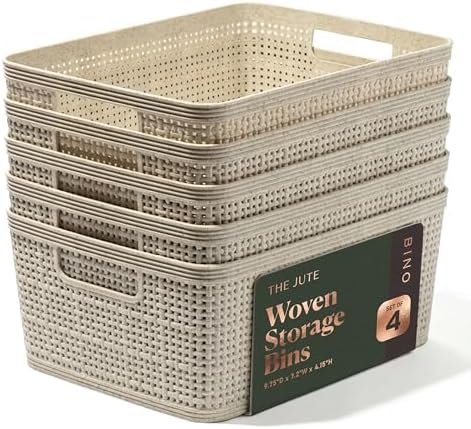
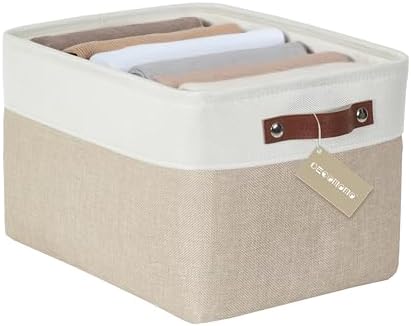
Multi-Purpose Storage Baskets (To Keep Things Controlled)
Loose items tend to spread across surfaces without you noticing.
Simple baskets group them into one defined space, making everything look cleaner while keeping it easy to access.


Wall Hooks (To Free Up Everyday Space)
Hooks are one of the easiest ways to remove clutter from chairs, floors, or tables.
Placed where you naturally drop things, they turn everyday mess into a simple system.


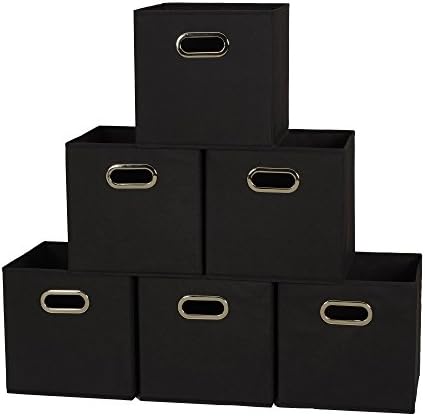
Foldable Storage Bins (For Flexible Organization)
Not everything needs a permanent place.
Foldable bins let you store items when needed and remove them when you don’t, keeping your space from feeling full all the time.


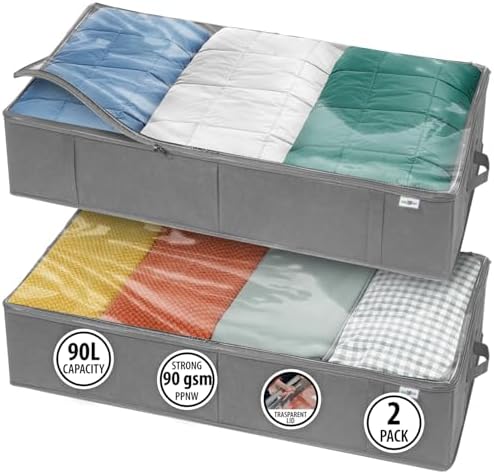
Under-Bed Storage Containers (To Use Hidden Space)
One of the most underused areas in any small space is under the bed.
These containers help you store less-used items out of sight while keeping your main space open.


Slim Storage Shelves (To Add Storage Without Bulk)
When you need extra storage, bulky furniture can make things worse.
Slim shelves fit into tight areas and add function without making the room feel crowded.


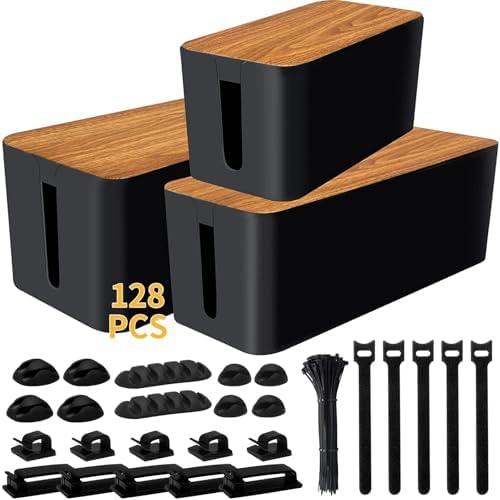
Cable Management Box (To Reduce Visual Noise)
Cables and chargers create more visual clutter than you think.
A simple cable box hides them in one place, making your space feel instantly cleaner and calmer.


Rolling Storage Cart (For Moveable Functionality)
A small rolling cart adds storage only when you need it.
You can move it depending on what you’re doing and tuck it away afterward, keeping your space flexible.


Final Thought
You don’t need to add more to improve your space.
Most of the time, you need to remove what’s getting in your way.
Simplify what you use every day.
Make things easier to reach, easier to see, easier to use.
And when that happens…
Even a small space can feel like more than enough.