Closet Organization Mistakes That Waste Space
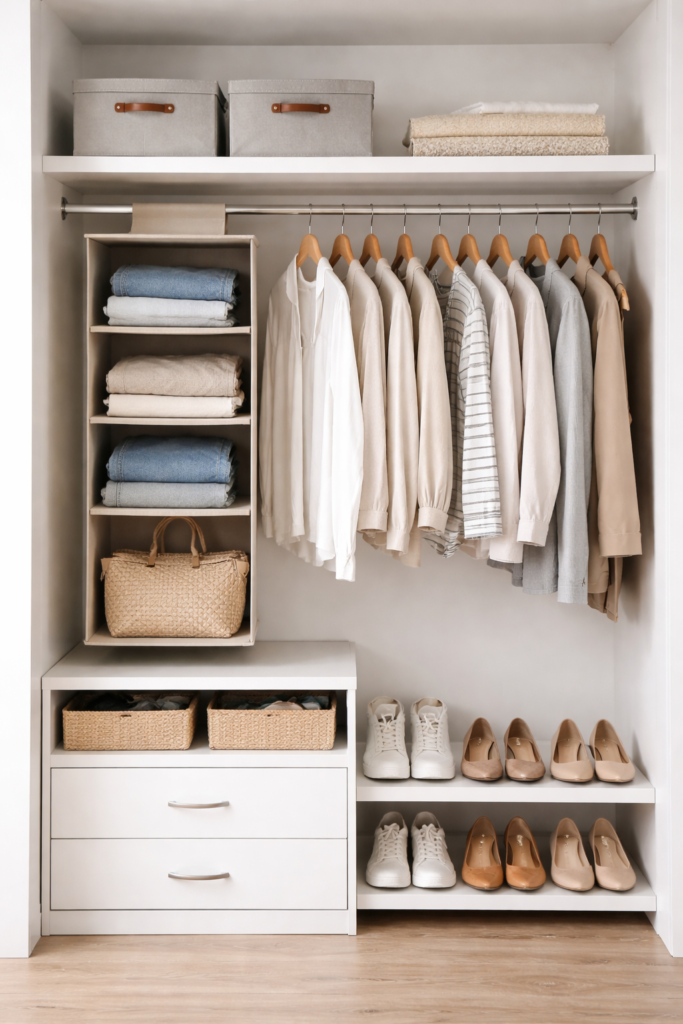
If your closet always feels full—no matter how much you clean or organize—it’s probably not just about how many clothes you have.
It’s about how the space is being used.
Because most closets don’t actually lack space.
They just lose it… little by little, through small mistakes that don’t seem like a big deal at first.
Until one day, everything feels cramped, hard to manage, and honestly a bit frustrating.
The good news is that once you spot these mistakes, fixing them is usually much easier than you’d expect.
Keeping Clothes You Don’t Actually Wear
This is one of those things that sounds obvious… until you actually go through your closet.
Because it’s not just about clothes you never wear. Those are easy to spot.
The real issue is everything in between.
Clothes you kind of like, but never reach for.
Things that almost fit, but not quite.
Items you bought for a specific moment that never really came.
They don’t feel like clutter, so they stay.
But over time, they quietly take over your space.
And the problem isn’t just physical—it’s mental too.
Every time you open your closet, you’re not just choosing what to wear. You’re filtering through options that don’t really serve you anymore.
That’s what makes getting dressed feel harder than it should be.
A small shift that helps a lot is asking a different question.
Instead of “Do I like this?” ask:
“Would I actually wear this in the next few days?”
That question cuts through a lot of the hesitation.
Because your closet shouldn’t be a storage space for possibilities—it should be a working system for your daily life.
And once you remove those “in-between” items, everything else becomes easier to see, easier to use, and easier to maintain.
Using Bulky or Mismatched Hangers
At first glance, hangers don’t seem like a big deal.
They’re just… there.
But when you start paying attention, you realize how much they affect your closet.
Bulky plastic hangers, a few wooden ones, some thin wire ones—all mixed together.
Clothes sit at different heights, some take up more space than others, and nothing really lines up.
It creates this subtle sense of disorder, even if everything is technically “hung up.”
And more importantly, it wastes space.
Thicker hangers push clothes apart. Mismatched ones create gaps. And over time, that adds up to less room for the things you actually wear.
Switching to slim, uniform hangers might seem like a small upgrade—but it changes how your closet feels immediately.
Everything lines up. Clothes sit closer together. The space looks cleaner without you doing anything else.
It’s one of those changes where you don’t realize how much it helps until you see the difference.
Not Using Vertical Space Properly
Most closets aren’t small because of width—they’re limited because of how the height is used.
Look at your closet and you’ll probably notice it.
Empty space above your clothes.
A shelf that’s overloaded while another area is barely used.
Piles that could be stacked better, but aren’t.
It’s not that there’s no room—it’s that the space isn’t structured.
When vertical space isn’t used intentionally, it turns into wasted potential.
You end up stacking things in a way that feels temporary. Things fall over. You avoid touching certain areas because it’s too much effort to fix them afterward.
What helps here isn’t adding more stuff—it’s dividing the space in a way that makes sense.
Breaking shelves into sections. Creating layers. Giving each level a purpose.
Even small adjustments can make a big difference.
Because once your vertical space is working for you, your closet starts to feel bigger without actually changing its size.
Folding Everything the Same Way
Most of us learned one way to fold clothes… and then just stuck with it.
Stack everything neatly, one piece on top of another, and call it organized.
And at first, it does look clean.
But after a few days, you start noticing the problem.
You only wear what’s on top.
Everything underneath gets ignored.
And the moment you try to grab something from the middle, the whole pile falls apart.
So you fix it… and the cycle repeats.
The issue isn’t folding itself—it’s visibility.
When you can’t see what you have, you naturally default to the same few items over and over again.
And everything else becomes background noise.
A small shift here makes a big difference.
Instead of stacking everything vertically, think about ways to make more items visible at once.
It doesn’t have to be perfect or aesthetic—just practical.
When you can see your options without digging, you make faster decisions and create less mess in the process.
And over time, your clothes actually get used more evenly.
Ignoring the “Dead Space”
Every closet has those awkward spots that don’t feel worth using.
The very top shelf where things get forgotten.
The bottom floor that turns into a random pile.
Corners that feel too inconvenient to deal with.
So you ignore them.
But in a small closet, those areas matter more than you think.
Because while they’re being wasted, your main space is getting crowded.
The key here isn’t to turn those areas into something perfect—it’s to give them a simple role.
The top shelf doesn’t need to be accessed every day, so it works well for seasonal clothes or items you don’t use often.
The bottom space can hold shoes, storage boxes, or anything that doesn’t need to be at eye level.
And those awkward corners? Even assigning them a “less important” category is better than letting them become clutter zones.
Once every part of your closet has at least a basic purpose, things stop feeling random.
And that alone makes the space easier to manage.
Trying to Fit Too Many Categories in One Space
This is where closets start to feel overwhelming.
It’s not just clothes anymore.
It’s shoes, bags, accessories, maybe even random items that didn’t have a place anywhere else.
And without clear separation, everything blends together.
That’s when you start losing time.
You look for something simple and end up moving three other things just to find it.
Or you stop putting things back properly because there’s no clear “home” for them.
The solution isn’t to create a complicated system.
It’s just to create enough separation that your brain doesn’t have to work so hard.
Clothes with clothes.
Shoes in one area.
Accessories grouped together.
Even loose categories make a difference.
Because once your closet has some structure, you’re not guessing anymore.
You know where things go—and that’s what keeps everything from falling apart again.
Recommended Products to Fix Closet Organization Mistakes
The right products won’t magically organize your closet—but they can make a big difference when your system already makes sense. The goal is to remove friction, save space, and make everything easier to maintain.
Here are some simple, practical options that actually help.
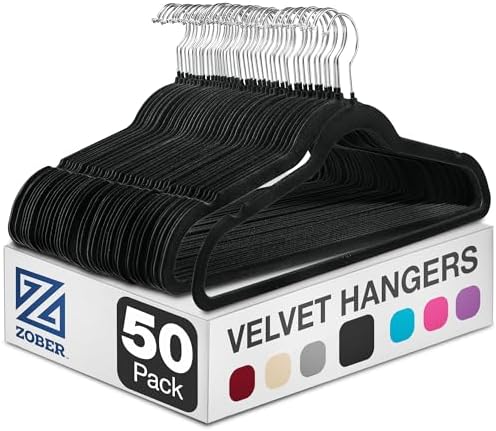
Slim Velvet Hangers
One of the easiest upgrades you can make.
Slim velvet hangers take up less space than bulky plastic or wooden ones, and they keep clothes from slipping. Using the same type of hanger also makes your closet look cleaner and more organized instantly.


Shelf Dividers
If your shelves always turn into messy piles, this is a simple fix.
Shelf dividers help keep stacks of clothes separated so they don’t collapse into each other. This makes it easier to grab what you need without ruining everything else.


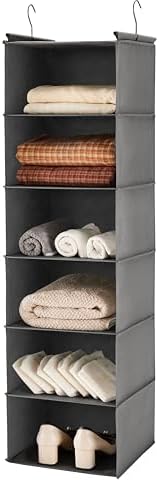
Hanging Closet Organizer
Perfect for adding vertical storage without installing anything.
These organizers give you extra compartments for folded clothes, shoes, or accessories. They’re especially useful if your closet has unused space below hanging clothes.


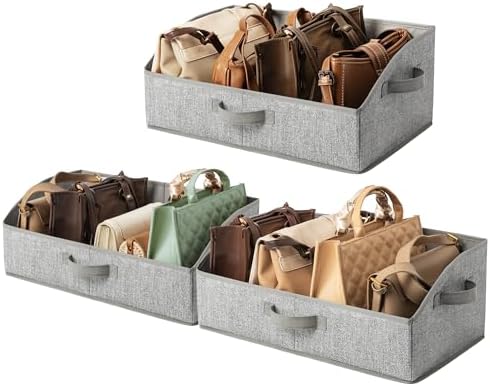
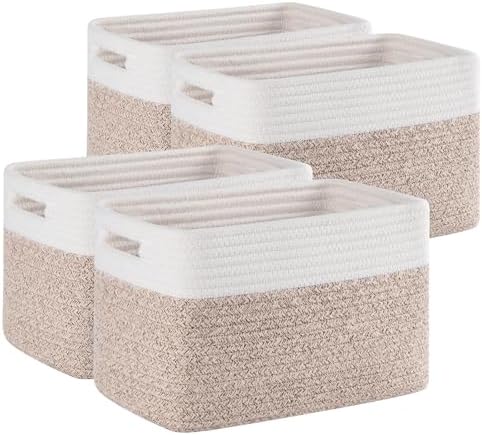
Storage Bins for Closet Shelves
Bins help turn open shelves into structured spaces.
Instead of loose items everywhere, you can group things by category—like seasonal clothes, gym wear, or accessories. This makes everything easier to find and keeps your closet from feeling chaotic.


Under-Bed Storage Containers
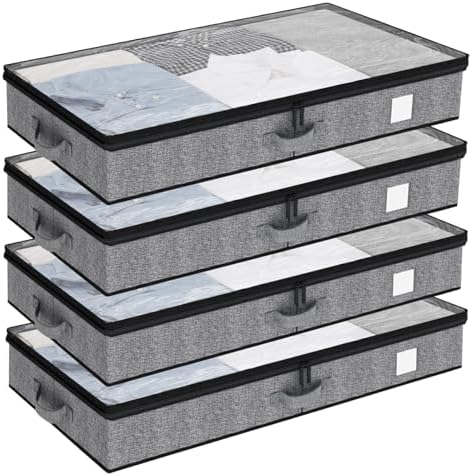
If your closet is too full, not everything needs to stay inside it.
Under-bed containers are great for storing off-season clothes or items you don’t use often. They free up valuable closet space without getting rid of anything important.



Shoe Organizer Rack
Shoes can take up more space than you realize.
A simple shoe rack keeps them organized and off the floor, making your closet feel less crowded. It also helps you see what you have instead of stacking pairs on top of each other.


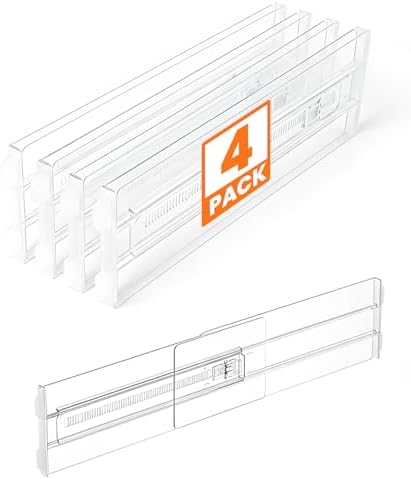
Drawer Dividers for Small Items
For things like socks, underwear, or accessories, dividers make a big difference.
They create small sections so everything has its place, which makes drawers easier to use and maintain.


Over-the-Door Organizer
This is an easy way to use space that usually goes to waste.
You can store shoes, bags, or accessories without taking up room inside your closet. It’s especially useful for small spaces where every inch matters.


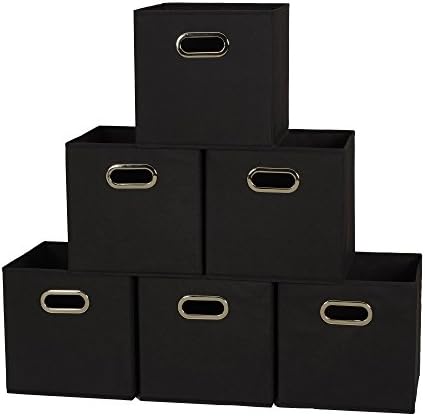
Foldable Storage Boxes
These are great for keeping things contained without adding bulk.
You can use them for items you don’t need every day, and when they’re not in use, they fold flat to save space.

![Univivi Fabric Foldable Storage Boxes [4-Pack] Large Collapsible ...](https://m.media-amazon.com/images/I/41gSGENG2ZL._AC_.jpg)

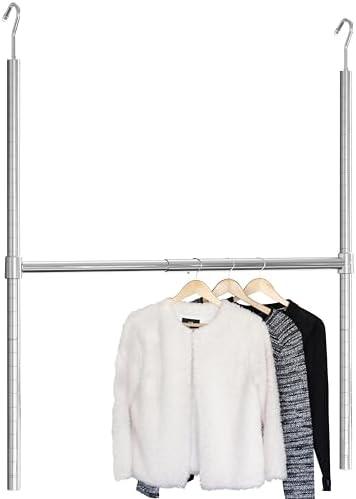
Closet Rod Extender
If you have a single hanging rod, you might be wasting vertical space.
A rod extender lets you create a second level for shorter items like shirts or pants, effectively doubling your hanging space without needing a full closet upgrade.
These products work best when they support a simple system. You don’t need all of them—just a few that solve your specific problems can completely change how your closet feels and functions.


Final Thoughts
Most closet problems don’t come from big mistakes.
They come from small habits that slowly take up space without you noticing.
A few extra items here.
A slightly inefficient setup there.
A system that looks fine, but doesn’t really work in daily life.
And over time, it adds up.
But the good part is—you don’t need a complete reset to fix it.
Just a few small adjustments can change how your closet feels.
More space.
Less friction.
Less time spent figuring things out every morning.
And when your closet works, everything else gets a little easier too.