
How to Organize a Closet With Too Many Clothes
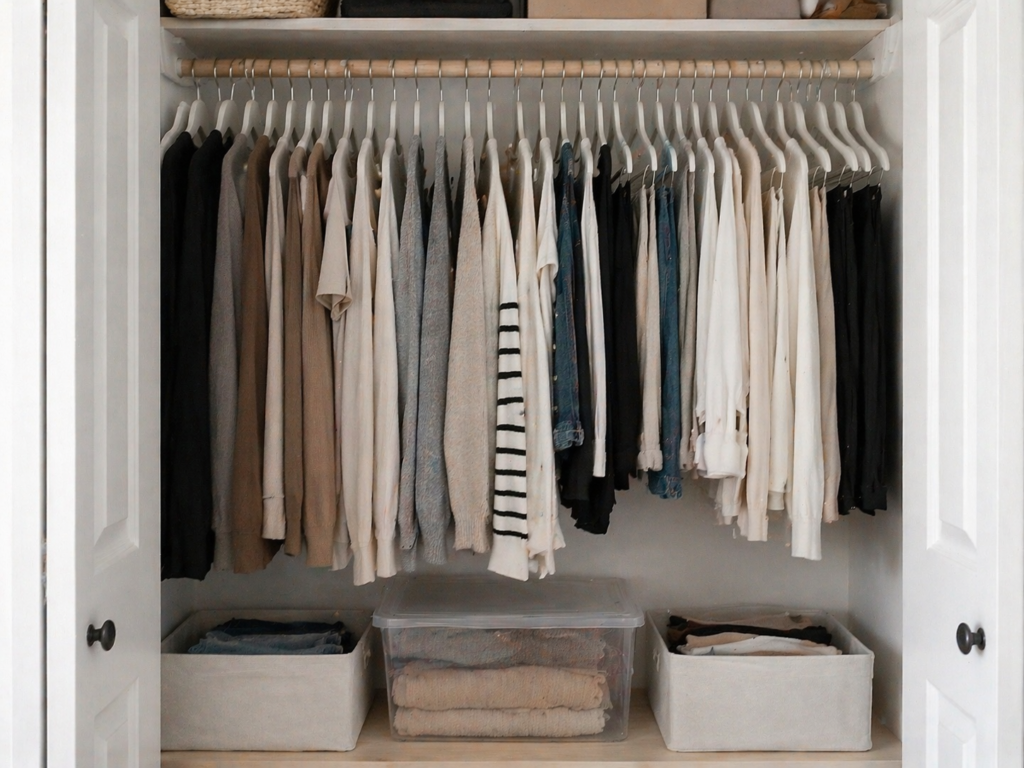
There’s a difference between a messy closet… and an overloaded one.
A messy closet can be fixed in an afternoon.
An overloaded closet feels like a constant problem.
You hang things, fold things, try to make space—and somehow it still feels full.
Not chaotic. Just tight.
Like everything is competing for room.
And that’s what makes it frustrating.
Because no matter how many times you “organize,” it never quite holds.
That’s usually the sign that it’s not about how things are arranged.
It’s about how much your closet is trying to carry.
Stop Trying to Fit Everything Perfectly
There’s a point where your closet stops responding.
You push hangers closer together, thinking you’re creating space. You fold things tighter, stack a little higher, squeeze one more item in.
And for a second, it looks better.
But the next time you reach in, everything shifts again.
A hanger gets stuck. A shirt wrinkles. Something falls off a pile that was already too full.
It’s not that you’re doing it wrong.
It’s that the space is already at its limit.
Trying to make everything fit perfectly sounds like a good goal—but in a full closet, “perfect” usually just means “compressed.”
And compressed spaces don’t hold their shape.
They push back in small ways.
You start avoiding certain sections because they’re annoying to deal with. You stop putting things back where they belong because it takes too much effort. You leave clothes on a chair “just for now.”
That’s how the system quietly breaks down.
Not all at once—but through small moments of resistance.
So instead of aiming for perfect, aim for ease.
Ask yourself a simpler question:
Can I grab this without moving three other things?
Can I put this back without adjusting everything around it?
If the answer is no, the space isn’t working—no matter how organized it looks.
Identify What You Actually Wear
This part isn’t about being strict.
It’s about being real with how your closet is actually used.
Because when you look at your clothes, they don’t all serve the same role.
Some pieces are part of your routine.
You reach for them without thinking. They fit your lifestyle, your schedule, your habits.
But then there’s everything else.
Clothes that used to work but don’t anymore.
Things you bought with good intentions but never quite wore.
Items you keep because they could be useful someday.
And they all sit together, taking up the same space.
That’s where things get heavy.
Because your everyday clothes—the ones you actually depend on—get lost in that mix.
You open your closet and it feels full… but still like you have nothing to wear.
Not because you don’t have options.
But because your real options are buried.
So instead of trying to organize everything equally, start noticing patterns.
What do you wear on a normal week?
What do you reach for when you’re not overthinking it?
What feels easy?
Those pieces tell you what your closet is really for.
And once you see that clearly, everything else becomes easier to question.
Not in a harsh way.
Just in a practical one.
Does this belong in my daily space—or is it just taking up room because it’s always been there?
That shift alone starts to create space, even before you move anything.
Give Your Closet Room to Breathe
Most closets don’t feel overwhelming because they’re disorganized.
They feel overwhelming because they’re full… with no space to move.
Everything is touching something else.
Hangers pressed together.
Stacks with no room to adjust.
Shelves that feel like they can’t hold one more thing.
And even if it looks “tidy,” it doesn’t feel good to use.
Every small action becomes a little harder than it should be.
You pull one shirt and three others come with it.
You try to put something back and have to force it into place.
You avoid certain sections because they feel like work.
That’s what a closet without breathing room does.
It turns simple routines into small frustrations.
Creating space doesn’t mean getting rid of half your wardrobe overnight.
It means easing that pressure just enough.
A small gap between hangers so clothes can move.
A shelf that isn’t completely filled so you can adjust things easily.
A drawer that closes without resistance.
Those small changes don’t look dramatic—but they feel completely different.
Because now your closet responds instead of resisting.
And once it starts feeling easier to use, you naturally maintain it better.
Create Zones Based on How You Live
A lot of closets are organized by category… but not by reality.
You might have sections for shirts, pants, jackets.
Which sounds logical.
But it doesn’t always match how you actually get dressed.
Because in real life, you don’t think in categories.
You think in situations.
What do I wear for work?
What do I wear at home?
What do I grab when I need something quick?
That’s where creating zones changes everything.
Instead of grouping everything by type, you start grouping by use.
Your most worn outfits in the easiest spot.
Occasional pieces slightly off to the side.
Seasonal or rarely used items further away.
Now your closet starts to reflect your routine.
And that removes a lot of friction.
You’re not searching anymore—you’re just reaching.
Make It Easy to Reset
No closet stays perfectly organized all the time.
There will be busy days. Lazy moments. Times when you just throw something in and close the door.
That’s normal.
What matters is how easy it is to get back on track.
If fixing your closet feels like a project, you’ll keep putting it off.
But if it takes a minute or two—just straightening a stack, spacing out hangers, putting things back where they naturally belong—you’ll do it without thinking.
That’s the difference between a system that works once… and one that actually lasts.
So instead of building something rigid, build something forgiving.
Something that can get a little messy and still be easy to fix.
Because real life isn’t perfect—and your closet doesn’t need to be either.
Recommended Products to Organize a Closet With Too Many Clothes
You don’t need a complicated system to fix an overloaded closet. The right products can help you create space, reduce friction, and make everything easier to access and maintain.
Focus on tools that simplify your routine, not ones that add extra steps.
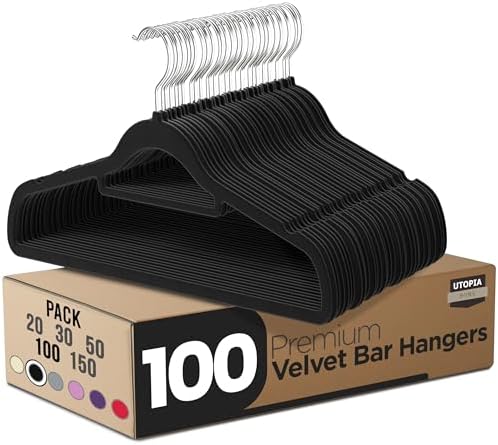
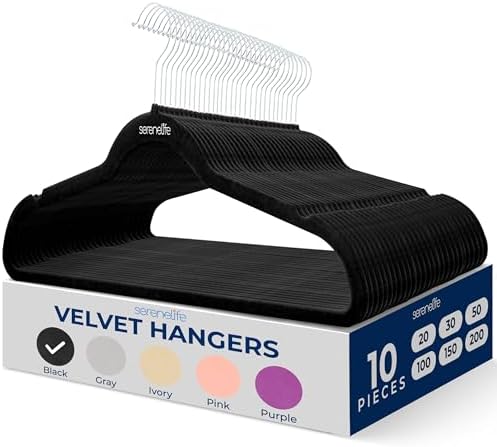
Slim Velvet Hangers
These instantly create more hanging space without making your closet feel tighter.
They take up less room than bulky hangers and keep clothes from slipping, which helps maintain a cleaner and more consistent look.


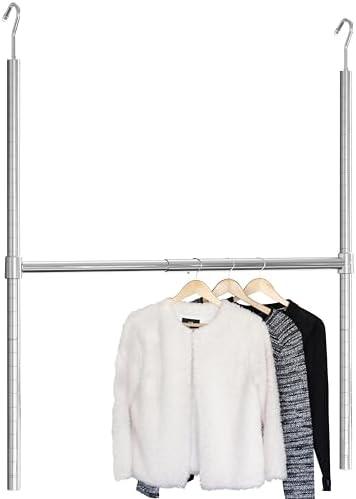
Closet Rod Extender
If your closet has only one hanging rod, this is one of the easiest ways to double your space.
It works especially well for shorter items like shirts, pants, and skirts.



Shelf Dividers
Shelves tend to collapse into messy stacks over time.
Dividers help keep piles upright and separated so everything stays in place and easier to grab.


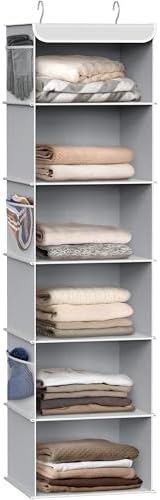
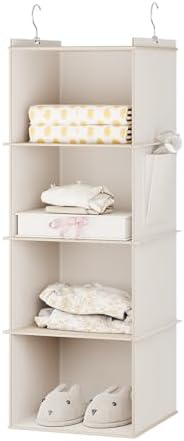
Hanging Closet Organizer
This adds vertical storage without any installation.
It’s perfect for folded clothes, accessories, or items that don’t need to be hung.


Under-Bed Storage Containers
Great for clothes you don’t need every day.
They free up your main closet while still keeping everything accessible when needed.


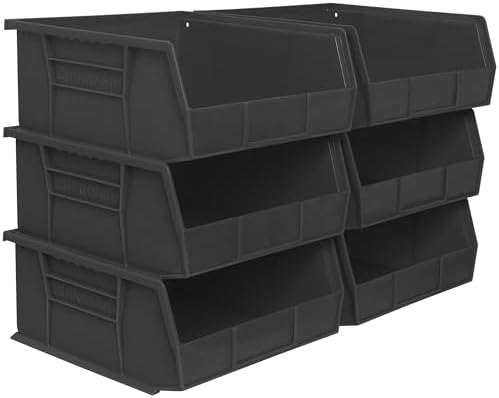
Stackable Storage Bins
These help you use vertical space without creating unstable piles.
You can organize clothes by category or frequency of use while keeping everything easy to reach.


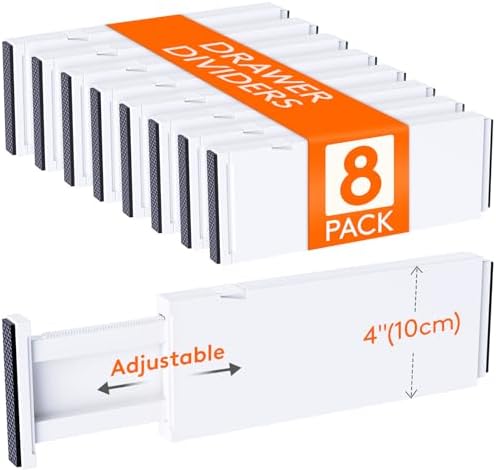
Drawer Dividers
Drawers get messy when everything is mixed together.
Dividers create simple sections so each type of clothing has its own space.



Over-the-Door Organizer
A great way to use space that usually goes unused.
It works well for shoes, accessories, or smaller clothing items.


Storage Boxes for Seasonal Items
Perfect for keeping off-season clothes out of your daily space.
They reduce clutter and make your closet feel lighter and easier to manage.


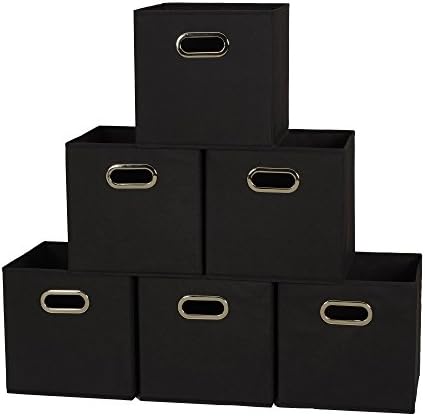
Foldable Fabric Bins
These are useful for grouping similar items together without making your closet feel rigid.
They’re flexible, easy to move, and help keep everything contained.



These products work best when they support a simple system. You don’t need all of them—just a few that solve your biggest problems can make your closet feel more organized and much easier to use every day.
Final Thoughts
A closet with too many clothes doesn’t need a complete overhaul.
It just needs less pressure.
Less competition for space.
Less friction when you use it.
Less effort to maintain it.
When you create a little breathing room, when you organize around your real habits, when you make things easier instead of tighter…
Your closet starts to work again.
Not perfectly.
But in a way that actually fits your everyday life.