Before & After: How This Small Space Feels Twice as Big Now
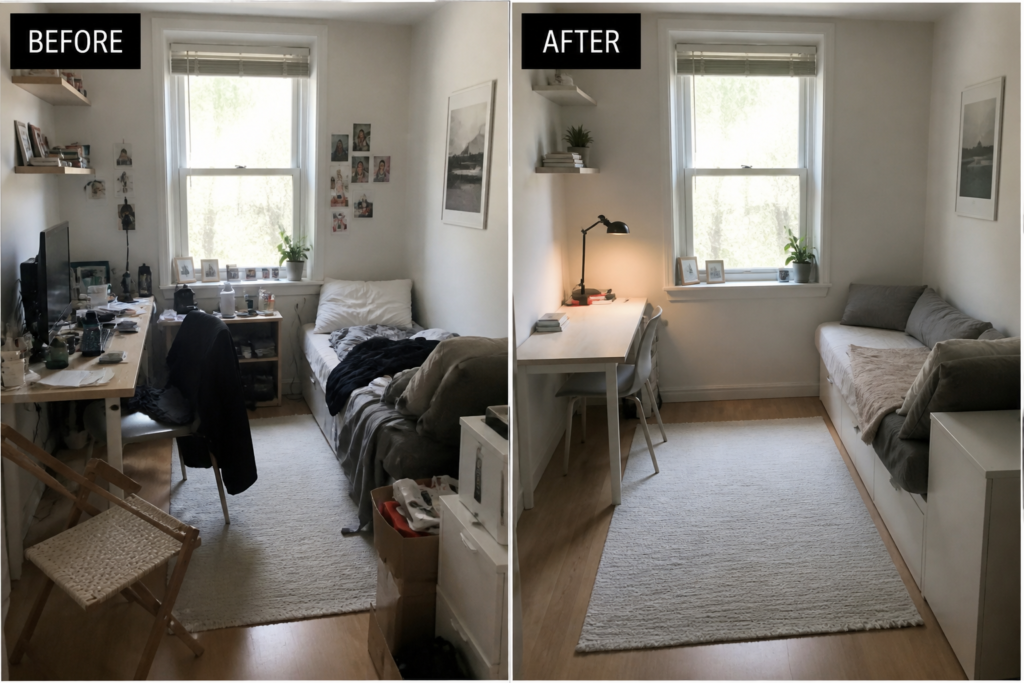
At first, the space didn’t feel like something that needed fixing.
It was small, yes—but manageable.
You could sit, move around, get things done. Nothing was falling apart, nothing looked chaotic.
It was the kind of space you don’t question too much.
You just adapt to it.
And that’s exactly what happened.
Until those small, barely noticeable inconveniences started to feel… constant.
Before: The Kind of Space That Slows You Down Without You Noticing
There wasn’t a single big problem.
It was a collection of small ones.
You’d walk in and shift something slightly to make room. Reach for an item and take an extra second to find it. Try to use a surface and realize you needed to move something first.
Individually, none of these things mattered.
But they happened all the time.
And that’s what made the space feel more limited than it actually was.
Not because there wasn’t enough room…
But because the room you had wasn’t easy to use.
It Looked Organized… But It Didn’t Feel Easy
From the outside, everything had a place.
There were containers, small systems, even some effort to keep things in order.
And visually, it worked.
Nothing screamed “mess.”
But living with it felt different.
Because organization that looks good doesn’t always match real life.
Things were stored logically—but not practically.
You had to open something to get what you use every day. Reach a bit farther than necessary. Adjust your position just to interact with the space.
It’s subtle.
But over time, that disconnect becomes exhausting.
Every Surface Was Slightly Occupied
One of the biggest issues wasn’t clutter in the usual sense.
It was how every surface was almost full.
A table with a few items. A counter with just the essentials. A shelf with things that “made sense” to keep there.
Nothing excessive.
But nothing empty either.
And that meant every time you wanted to use those surfaces, you had to create space first.
Move something. Rearrange slightly. Make room before doing what you actually came to do.
That extra step became part of every interaction.
And that’s what added friction.
The Space Felt Full—Even When It Wasn’t
There’s a difference between a space being full and a space feeling full.
This one felt full.
Not because there was too much stuff…
But because everything was already in use.
Every corner had a purpose. Every storage area was occupied. Every visible spot had something in it.
There was no flexibility.
No room to temporarily place something. No space to move without adjusting first.
And that’s what made it feel tight.
Visual Noise Was Doing More Than You Think
Another thing that’s easy to overlook is how much you’re constantly seeing.
There were small objects everywhere.
Not messy. Not chaotic.
Just present.
And in a small space, that matters more than you expect.
Because your brain is always processing what’s in front of you.
When there’s too much to take in, even if it’s organized, it creates a sense of pressure.
The room feels heavier.
More crowded.
Smaller.
Not physically—but mentally.
The Real Problem Was Friction, Not Size
At some point, it became clear that the issue wasn’t about square footage.
Nothing about the dimensions had changed.
What had changed was the experience of using the space.
And that came down to friction.
All those small actions that shouldn’t take effort—but did.
Moving things before using them. Taking extra steps for simple tasks. Thinking just a little more than necessary.
None of these are big problems.
But they’re constant.
And that’s what shapes how a space feels over time.
The Shift: Paying Attention to What Feels Slightly Annoying
Instead of trying to improve how the space looked, the focus shifted to something simpler:
“What feels slightly annoying here?”
Not frustrating enough to fix immediately.
Not bad enough to complain about.
Just those small moments where something feels off.
Once you start noticing them, patterns appear quickly.
You see what’s always in the way. What you move without thinking. What interrupts your flow, even in small ways.
And that’s where the real opportunity is.
Not in adding more…
But in removing what doesn’t need to be there in the first place.
After: Small Changes That Shift Everything
What happened next wasn’t dramatic.
There was no big cleanout day, no full redesign, no moment where everything suddenly looked completely different.
It was quieter than that.
A few things were moved. A few things were taken off surfaces. Some items were simply relocated to places that made more sense.
At first, it didn’t even feel like much had changed.
But using the space told a different story.
The Space Started Working With You
Before, you were constantly adjusting to the space.
Moving things out of the way, working around objects, making small corrections just to do something simple.
After, those adjustments started to disappear.
You could walk in and use things immediately.
Sit without shifting anything. Place something down without clearing space first. Reach for what you need without thinking about it.
That’s when you realize something has changed.
Not visually, but functionally.
And that’s what matters.
Surfaces Finally Became Usable
One of the biggest shifts came from something simple: freeing up part of the main surfaces.
Not clearing everything.
Just enough to create actual working space.
Before, every surface had a purpose already.
After, surfaces became flexible again.
You could use them without preparation.
And that changes how the entire space feels.
Because when your main surfaces work without effort, everything else becomes easier too.
Less Visible, More Breathing Room
Another subtle change made a surprisingly big difference.
Reducing what stayed in sight.
Not hiding everything away.
Just being more intentional about what remained visible.
Only the items used daily stayed out.
Everything else moved out of immediate view.
And that created something the space didn’t have before—breathing room.
Your eyes had less to process.
The space felt calmer, lighter.
And naturally, it started to feel bigger.
Movement Became Natural Again
Before, movement always had a small interruption.
Something in the way, something slightly off.
After, movement felt direct.
You didn’t have to adjust your routine to fit the space.
The space supported your routine.
And when that happens, even a small area can feel comfortable.
Not because it’s larger…
But because it’s easier to live in.
Storage Felt Lighter Without Adding Anything
Interestingly, the amount of storage didn’t really change.
But how it felt did.
Once unnecessary items were moved or reduced, everything else had more room.
You didn’t have to dig through things.
You didn’t feel like storage was always full.
And that alone removed a lot of the pressure from the space.
What Stayed the Same (And Why That Matters)
The size didn’t change.
The layout didn’t change.
There was no new furniture, no expensive upgrades.
Which is important.
Because it shows that most small spaces don’t need more.
They need less friction.
Less visual noise. Less unnecessary movement. Less effort to use what’s already there.
The Result: A Space That Feels Easy to Be In
After everything settled, the difference showed up in small moments.
Walking in didn’t feel tight.
Using the space didn’t feel like a process.
There was less adjusting, less thinking, less hesitation.
And over time, that changes how the space feels completely.
Because when something you use every day becomes easier…
You notice.
Not in a dramatic way.
But in a quiet sense that things finally work the way they should.
Recommended Products That Make Small Spaces Feel Bigger (Without Adding More Stuff)
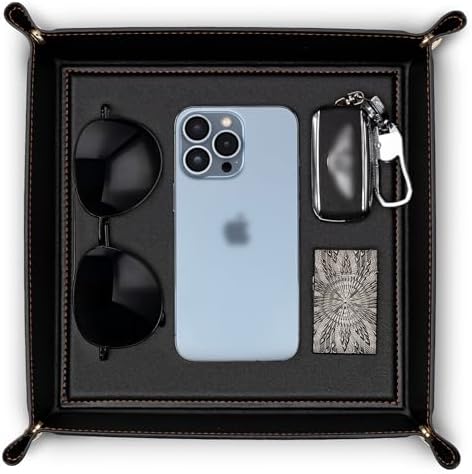
Minimalist Storage Trays (To Control Visual Clutter)
Instead of having small items spread across different surfaces, a simple tray groups them into one defined area.
This reduces visual noise instantly and keeps part of your space clear without removing what you use daily.



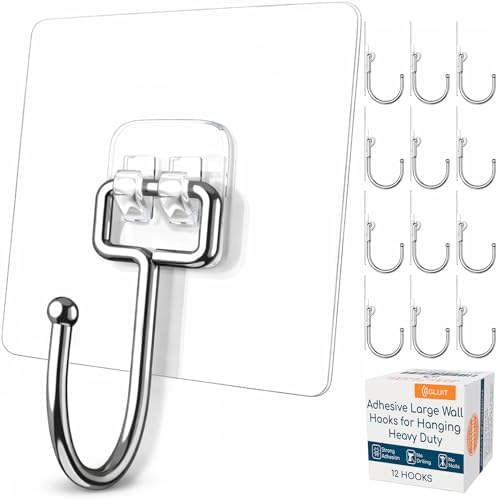
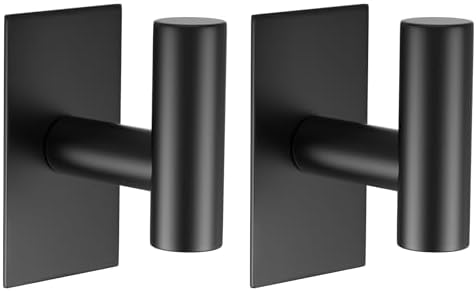
Wall Hooks (To Free Up Surfaces)
Hooks are one of the easiest ways to remove items from tables, chairs, or counters.
Placed where you naturally drop things, they turn clutter into a controlled system without adding bulk.


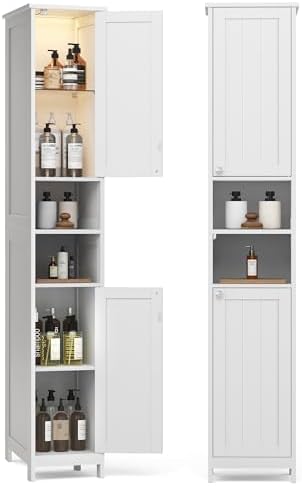
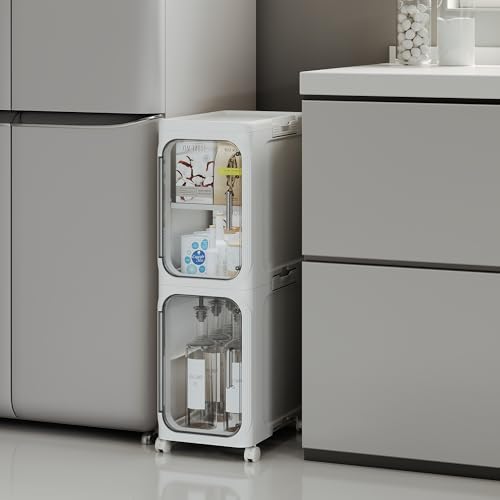
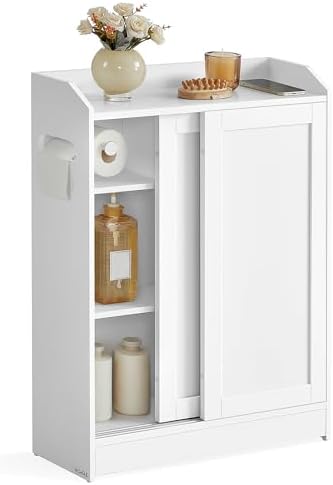
Slim Storage Cabinets (For Tight, Unused Gaps)
Small spaces often have narrow areas that go unused.
A slim cabinet fits into those gaps and adds storage without making the room feel heavier or crowded.
Foldable Storage Bins (To Keep Things Flexible)
Not everything needs a permanent place.
Foldable bins let you store items when needed and remove them when you don’t.
That flexibility keeps your space from feeling full all the time.
![Univivi Fabric Foldable Storage Boxes [4-Pack] Large Collapsible ...](https://m.media-amazon.com/images/I/41gSGENG2ZL._AC_.jpg)


Under-Furniture Storage Containers (To Use Hidden Space)
Storage under beds, sofas, or furniture helps keep less-used items out of sight.
This keeps your main area lighter and more open without reducing what you own.


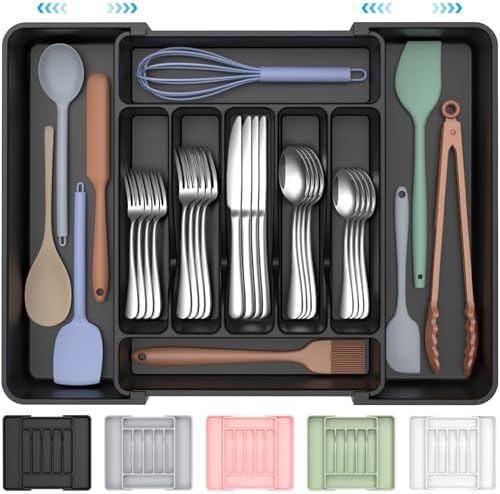
Drawer Organizers (To Reduce Hidden Friction)
Even when clutter isn’t visible, it still affects how your space works.
Drawer organizers create simple sections so everything is easy to find and doesn’t shift around.
That predictability saves time every day.


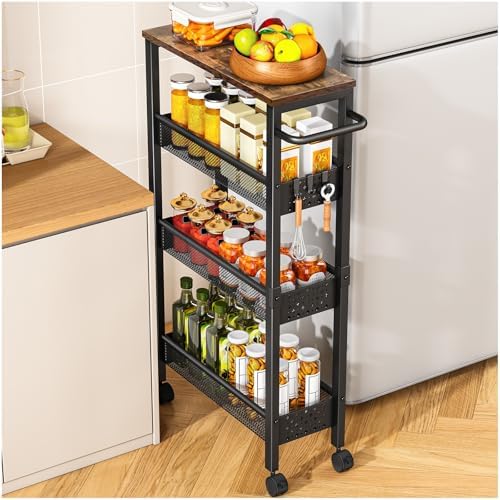
Rolling Storage Carts (For Moveable Functionality)
A small rolling cart adds storage only when you need it.
You can move it around depending on your activity and tuck it away when not in use.
It’s a practical way to add function without permanently taking space.


Final Thought
A space doesn’t need to be bigger to feel better.
It just needs to stop getting in your way.
Most improvements don’t come from adding more storage or more systems.
They come from removing small points of friction.
Making things easier to use, easier to see, easier to move through.
And when that happens, the space doesn’t just look different.