
How to Keep Your Kitchen Organized Every Day
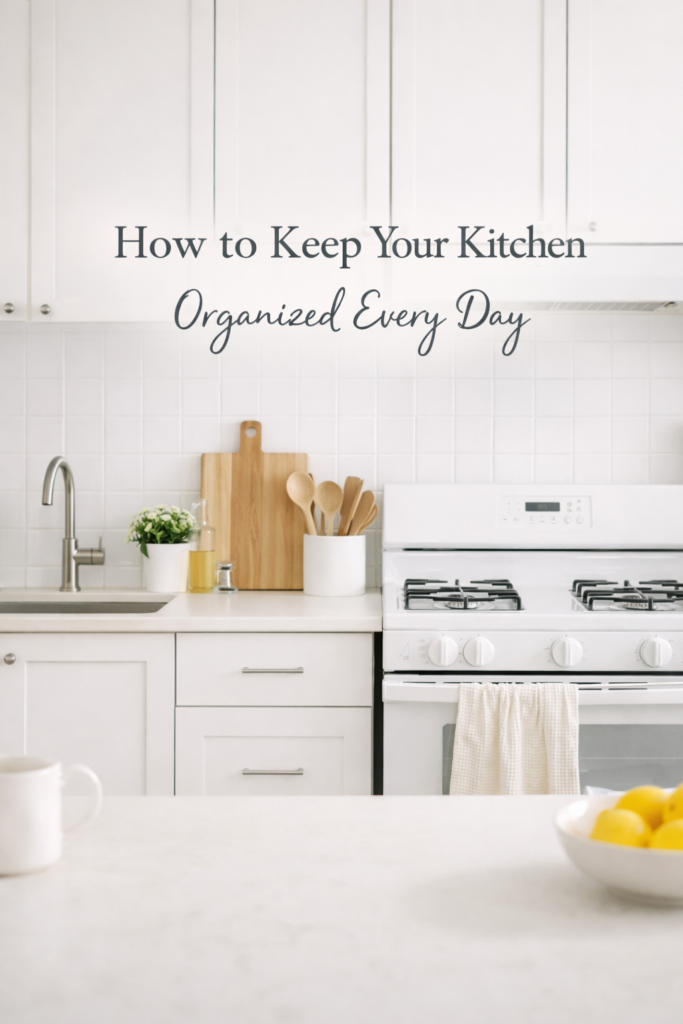
If there’s one room in the house that never really takes a break, it’s the kitchen.
It wakes up before you do — coffee brewing, breakfast plates out, maybe a lunch being packed in a rush. By the afternoon, it’s holding snack wrappers, glasses of water, and that one pan you meant to wash earlier. And by dinner, it’s working overtime again.
So if your kitchen feels messy by the end of the day, that doesn’t mean you’re disorganized. It means you’re using it.
The goal isn’t to keep it looking untouched. The goal is to keep it manageable.
Clear Counters, Clear Mind
There’s something psychological about kitchen counters. When they’re crowded, everything feels more chaotic than it actually is.
Maybe you’ve noticed this: even if the sink is empty, a counter full of small items — spice bottles, mail, random utensils, grocery bags — can make the entire space feel overwhelming.
Start by editing what permanently lives there.
Be honest. Do you really use that appliance every day? If not, it probably doesn’t need to sit out. The more breathing room your counters have, the easier it is to clean and the calmer the kitchen feels.
And here’s the hidden benefit: when counters are mostly clear, you’re less likely to drop things there absentmindedly. Clutter attracts clutter. Clear space protects itself.
Give Everyday Items a Logical Home
A lot of daily kitchen mess comes from hesitation.
You finish using something and pause for a second because you’re not sure exactly where it belongs. That tiny pause is often enough to justify leaving it out “for now.”
That’s how items start floating.
Take some time to think about flow. When you cook, where do you naturally stand? Where do you prep food? Where do you reach first?
Store utensils close to the stove. Keep cutting boards near your prep area. Put food storage containers in one consistent cabinet instead of splitting lids and bases in different places.
When your kitchen is arranged around how you actually move, cleanup becomes automatic. You don’t have to think — you just return things to where they logically belong.
And if something doesn’t have a clear home, that’s your signal. Either create one or reconsider whether you need it.
Cook Smarter, Not Harder
One of the biggest turning points in keeping a kitchen organized daily is learning to clean while you cook.
It doesn’t mean scrubbing everything immediately. It means being slightly ahead of the mess.
While something simmers, rinse the cutting board. While the oven preheats, load a few dishes into the dishwasher. Wipe a spill when it happens instead of stepping around it.
These small actions prevent that overwhelming after-dinner mountain of dishes.
It also changes how the kitchen feels while you’re in it. Instead of cooking in chaos and facing a disaster afterward, you’re working in a space that stays relatively under control.
And when dinner is done, the cleanup feels lighter — because you’ve already handled half of it.
Build a Short Evening Reset
No kitchen stays perfect all day. That’s unrealistic.
But what makes the difference between a kitchen that feels manageable and one that feels out of control is the reset.
Before you go to bed, spend five quiet minutes putting the space back in order. Clear the counters. Put stray items back in their drawers. Straighten the dish towel. Take out the trash if it’s full.
It’s not about scrubbing the floors or reorganizing cabinets. It’s about restoring baseline order.
There’s something incredibly grounding about walking into a tidy kitchen in the morning. It sets the tone for the entire day.
And the best part? When you reset daily, it never turns into a massive project. It stays small. Consistent. Sustainable.
Keeping your kitchen organized every day isn’t about discipline as much as it is about awareness. Small decisions, repeated often, create a space that supports you instead of stressing you out.
Be Honest About What You Actually Use
Kitchens tend to collect things quietly.
An extra set of measuring cups because they were on sale. A specialty appliance you swore you’d use every weekend. Mugs from trips, gifts, promotions. None of it feels excessive on its own — until your cabinets barely close.
The problem isn’t usually lack of space. It’s too much volume.
If you want your kitchen to stay organized daily, you have to make room for ease. And ease only happens when there’s breathing space inside your drawers and cabinets.
Open one cabinet at a time and look at it without judgment. When was the last time you used everything inside? If something hasn’t moved in a year, it’s probably not essential to your everyday life.
This doesn’t mean you need a minimalist kitchen with two plates and one pan. It just means your storage should reflect your real habits, not your ideal ones.
When you reduce the excess, putting things away becomes effortless because you’re not playing cabinet Tetris every night.
Make Storage Work for You
Organization tools can be helpful, but they’re not magic.
Drawer dividers, clear bins, shelf risers — they work best when they solve a specific frustration. If your utensils are constantly tangled, dividers make sense. If spices disappear in the back of a deep cabinet, a turntable can change everything.
But avoid overcomplicating it. Too many containers can create another layer of maintenance.
The real goal is visibility and accessibility. You should be able to open a drawer and see what you have. You should be able to grab what you need without shifting five other items out of the way.
When your kitchen is easy to navigate, it naturally stays tidier because there’s less friction.
Control the “Drop Zone”
Almost every kitchen has one.
A corner of the counter where mail lands. A chair that collects bags. A small space that quietly becomes a temporary holding area for everything that doesn’t belong there.
Instead of fighting this habit, manage it.
Designate a small tray, basket, or drawer for those in-between items. Give the clutter a boundary. Then, during your nightly reset, empty it.
This small adjustment keeps random items from spreading across the entire kitchen. It contains the mess before it multiplies.
Accept That Lived-In Is Different From Messy
An organized kitchen doesn’t mean it looks untouched.
There will be days when you’re cooking multiple meals, hosting friends, or simply too tired to clean immediately. That’s normal.
The difference is recovery time.
In a kitchen with good systems, it takes minutes to get back to baseline. In a cluttered kitchen with no structure, it takes hours.
That’s what daily organization really gives you — resilience.
You can use your space fully, without fearing the cleanup afterward.
Recommended Products
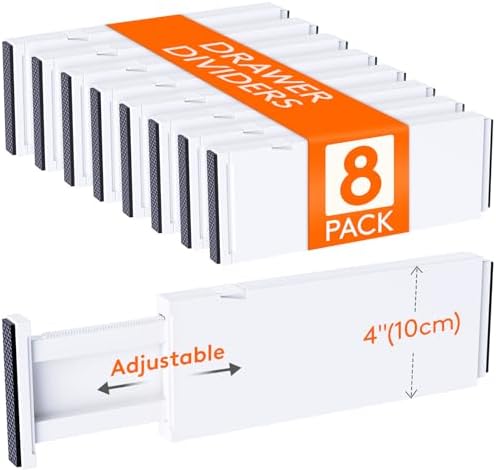
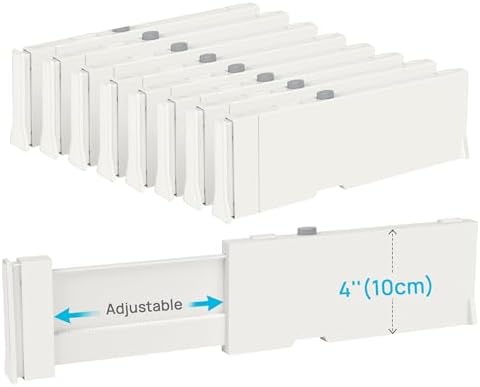
Drawer Dividers
A good set of adjustable drawer dividers can completely change how your kitchen functions. Instead of utensils sliding around or getting tangled together, everything has a defined space. Look for sturdy, expandable dividers that fit your drawer size so you can customize the layout. When each tool has its own section, putting things away becomes automatic.


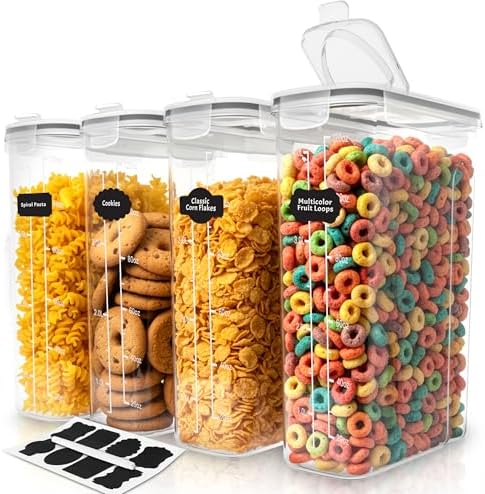
Clear Food Storage Containers
Matching, stackable food storage containers make cabinets and refrigerators look instantly more organized. Clear containers allow you to see what you have at a glance, which reduces food waste and prevents duplicate purchases. Choose airtight options that stack securely to maximize vertical space.


Lazy Susan Turntable
Deep cabinets and corner shelves can easily become clutter traps. A simple lazy Susan helps you access oils, spices, or condiments without knocking things over. It keeps smaller items visible and easy to grab, which makes everyday cooking smoother and less frustrating.


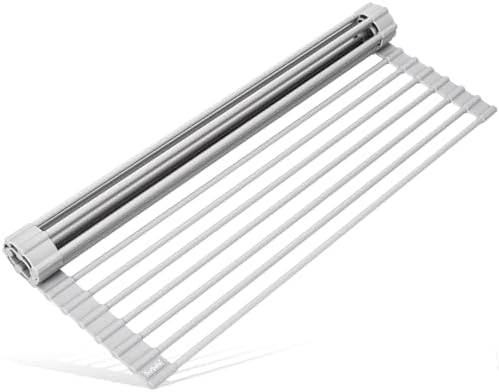
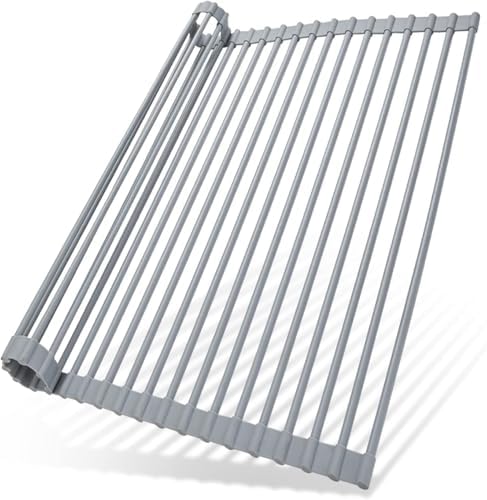
Over-the-Sink Drying Rack
If counter space is limited, an over-the-sink drying rack can free up valuable surface area. It allows dishes to dry neatly without taking over your workspace. This small adjustment keeps counters clearer and makes the kitchen feel less crowded.


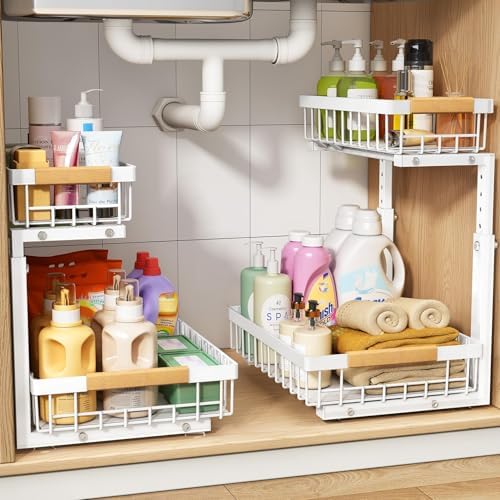
Under-Sink Organizer
The space under the sink is often chaotic. A tiered under-sink organizer helps separate cleaning products, sponges, and trash bags so they’re not piled on top of each other. When this area is structured, you save time searching and avoid unnecessary mess.


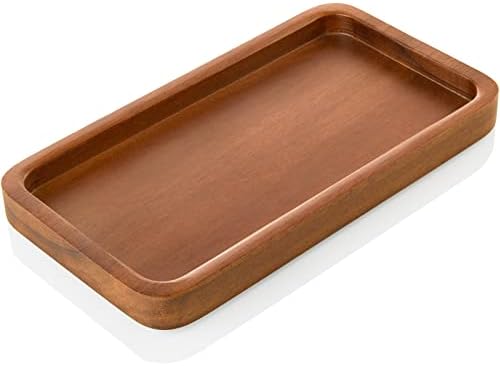
Countertop Tray or Catch-All
To control everyday clutter, a simple tray can act as a contained drop zone for small items like keys, mail, or sunglasses. Instead of spreading across the counter, these items stay within a defined boundary. It’s a small detail that makes a noticeable difference in maintaining order.



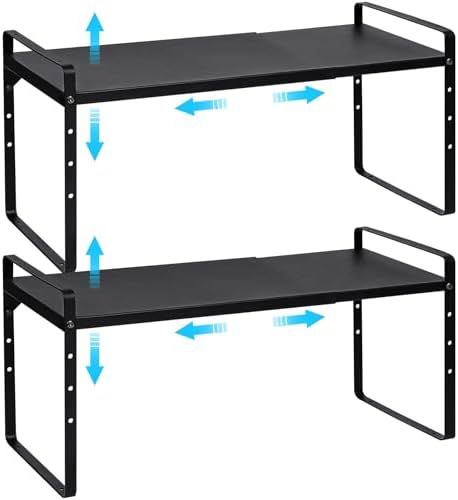
Shelf Risers
Shelf risers help you double the usable space inside cabinets without any permanent installation. They’re especially useful for stacking plates, mugs, or pantry items more efficiently. By making vertical space accessible, they reduce overcrowding and make daily organization easier.


Final Thoughts
Keeping your kitchen organized every day isn’t about strict rules or constant cleaning. It’s about small habits that quietly protect your space.
Clear counters that invite calm. Cabinets that close easily. A short reset that prepares you for tomorrow.
When your kitchen supports you instead of overwhelming you, everything feels lighter — mornings move smoother, meals feel less stressful, and even cleanup becomes part of the rhythm instead of a burden.
And over time, that consistency turns into something powerful: a space that works with your life, not against it.