
How to Maintain a Minimalist Closet Without Re-Cluttering
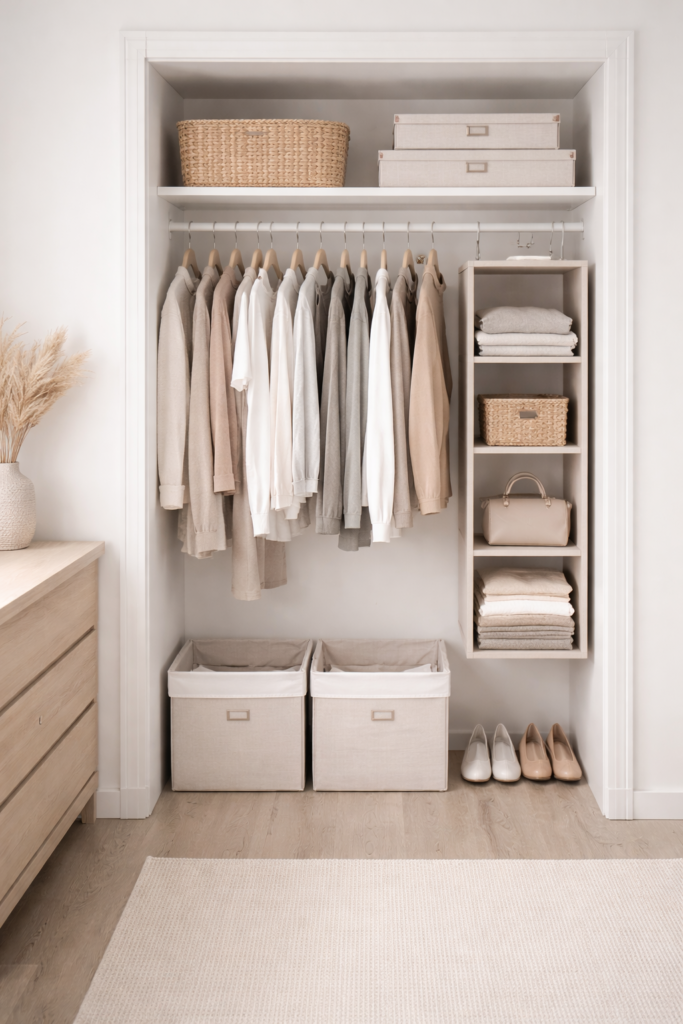
Getting your closet to feel minimal is one thing.
Keeping it that way is something else entirely.
At first, everything feels clear. Lighter. Easier to manage.
You can see what you have. Getting dressed takes less time. There’s space between things.
But slowly, almost without noticing, it starts to shift.
A few extra items sneak in. Something doesn’t get put back. A “just in case” piece stays.
And before long, the closet starts feeling familiar again… just a little more crowded than it used to be.
Not messy. Just heavier.
That’s how re-cluttering happens.
Quietly.
Stop Relying on Motivation
At the beginning, it feels easy.
You’ve cleared things out, simplified your closet, and everything has space again. It feels intentional. Calm. Like you finally figured it out.
And for a while, you stay in that mindset.
You’re more aware of what you bring in. You’re careful about what you keep. You’re paying attention.
But that level of attention doesn’t stay the same forever.
Life gets busy. You’re in a rush. You’re tired. You just want to get dressed and move on.
And in those moments, you don’t make perfect decisions.
You keep something because it’s easier than deciding. You leave something out because you’ll deal with it later. You don’t question a new item as much as you would have before.
None of it feels like a big deal.
But that’s exactly how things start to build again.
Not through big changes—but through small, unnoticeable ones.
That’s why relying on motivation doesn’t work long-term.
Because it assumes you’ll always have the energy to care at the same level.
A better approach is to make your closet do some of that work for you.
When your space has clear limits, you don’t have to constantly decide.
If your hangers are full, something has to go before something new comes in.
If your shelves have breathing room, you notice immediately when they start to feel tight.
These small boundaries act like quiet reminders.
They don’t require effort. They just exist.
And over time, they keep things from drifting too far without you having to think about it.
Make It Easier to Put Things Back
There’s a version of organization that looks great… but doesn’t hold up.
Everything is neatly arranged, perfectly spaced, visually satisfying.
But the moment you start using it, you realize something.
It’s a little inconvenient.
Not enough to notice right away—but enough to change your behavior.
Maybe hangers are packed too tightly, so putting something back takes a bit more effort than it should.
Maybe a shelf looks clean, but there’s no room to slide something in without adjusting everything else.
Maybe a drawer closes, but just barely.
These small frictions add up.
Because every time something feels slightly annoying to put away, you hesitate.
You leave it for later. You place it somewhere temporary. You tell yourself you’ll fix it when you have more time.
And slowly, those small delays become your new habit.
That’s how clutter rebuilds—not because the system failed, but because it wasn’t easy to maintain.
A minimalist closet should feel almost effortless to use.
You shouldn’t have to move three things just to hang one shirt.
You shouldn’t have to reorganize a shelf just to put something back.
There should always be a bit of extra space—just enough to absorb real life.
Because your closet isn’t a display.
It’s something you interact with every single day.
And if it doesn’t support that, it won’t last.
When putting things back is simple, you don’t think about it.
You just do it.
And that’s what keeps everything from slowly slipping out of place.
Don’t Let “Just in Case” Take Over
This is the quiet one.
It doesn’t feel like clutter when it starts.
In fact, it usually feels responsible.
You keep a jacket because you might need it. A shirt because it still “works.” Something that doesn’t quite fit your style anymore, but feels too good to let go.
Individually, these decisions make sense.
They’re reasonable. Practical, even.
But they don’t stay individual for long.
They build slowly, in the background, without creating any immediate problem.
Until one day, your closet feels… a little tighter.
Not overwhelming. Just less clear than it used to be.
That’s when you realize those “just in case” items have been taking up more space than you thought.
The challenge is that they’re harder to remove.
They don’t feel unnecessary enough to get rid of easily.
So instead of forcing yourself into a strict yes-or-no decision, it can help to create a middle ground.
A small, defined space for those uncertain items.
Not your main closet. Not your daily rotation.
Just a temporary holding area.
If you reach for something from that space, it earns its way back.
If it sits there untouched for a while, the decision becomes clearer—without pressure.
It’s a softer way of staying honest with what you actually use.
Keep a Light Reset Habit
You don’t need to constantly reorganize your closet to keep it minimal.
In fact, doing too much too often usually makes it feel like a chore.
What works better is something lighter.
A quick reset, here and there.
Nothing dramatic.
Maybe once a week, you take a minute to scan your closet.
You notice if something feels tighter than usual. If a section looks more crowded. If something is out of place.
You don’t fix everything.
You just make small adjustments.
Put a couple of things back where they belong. Remove one item that doesn’t feel right anymore. Clear a small section so it can breathe again.
That’s it.
These small resets don’t take effort—but they keep things from drifting too far.
Because the longer you wait, the harder it feels to fix.
But when you stay close to it, even just a little, it never becomes overwhelming.
Recommended Products to Maintain a Minimalist Closet
You don’t need a lot of tools to keep a minimalist closet in check. The goal isn’t to add more—it’s to support a system that stays simple and easy to maintain over time.
Choose products that reduce friction and help you stay consistent without thinking too much about it.
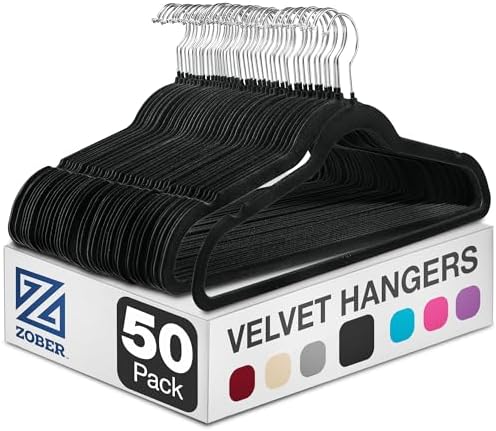
Slim Velvet Hangers
These keep your closet visually clean and take up less space than bulky hangers.
They also create a natural limit—when you run out, it’s a clear signal to reassess what you’re keeping.



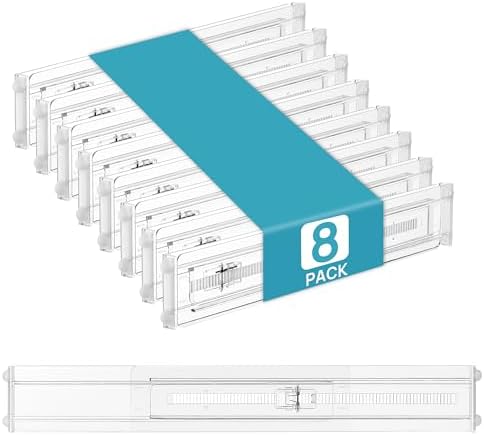
Drawer Dividers
Perfect for keeping smaller items in order without mixing everything together.
They make it easier to find what you need and just as easy to put things back.

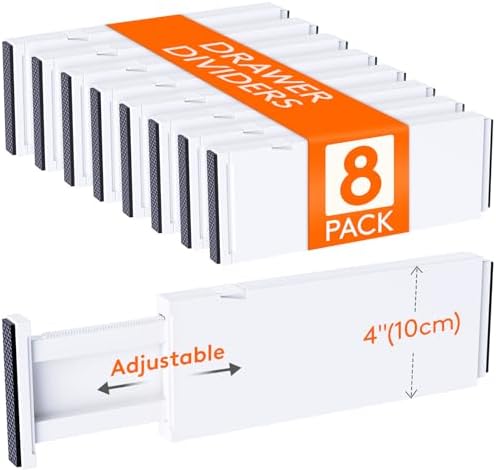

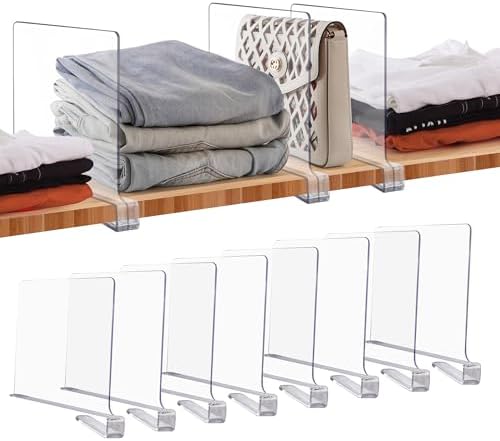
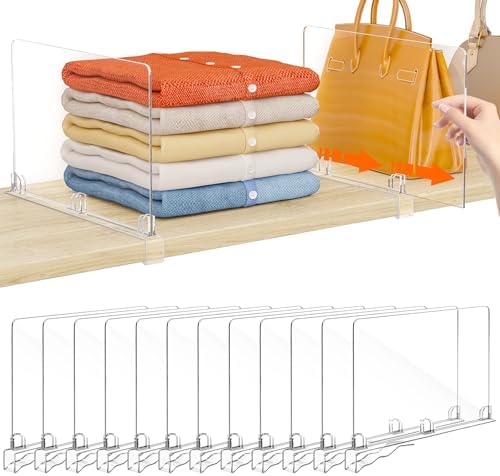
Shelf Dividers
These prevent stacks from collapsing and turning into clutter.
They help maintain structure so your closet stays organized longer.


Foldable Storage Bins
Useful for grouping items without making your closet feel rigid.
They’re flexible and easy to adjust as your needs change.

![Fab totes Storage Bins [3-Pack], Foldable Storage Baskets for Org...](https://m.media-amazon.com/images/I/41xO-WYPauL._AC_.jpg)
![Univivi Fabric Foldable Storage Boxes [4-Pack] Large Collapsible ...](https://m.media-amazon.com/images/I/41gSGENG2ZL._AC_.jpg)

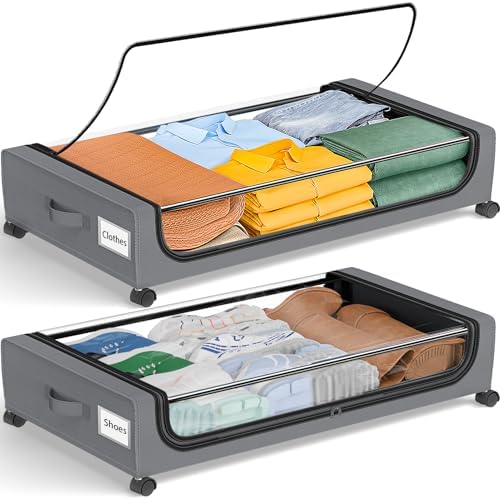
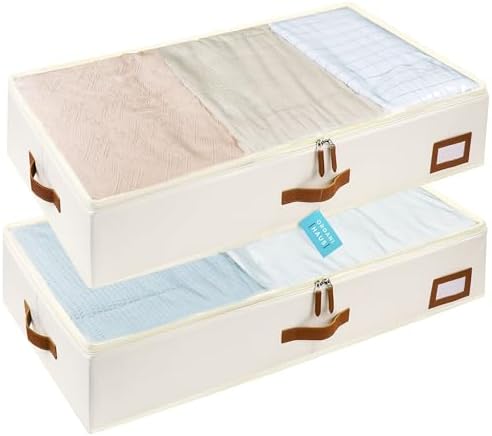
Under-Bed Storage Containers
Great for moving seasonal or rarely used items out of your main space.
They help reduce pressure inside your closet without getting rid of things completely.


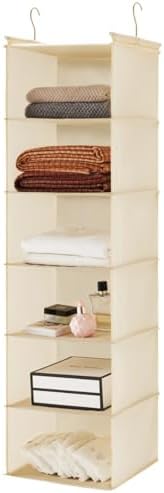
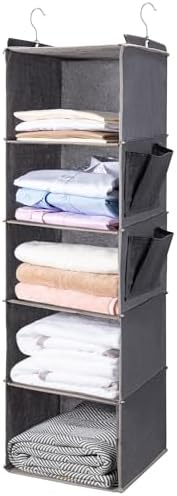
Hanging Closet Organizer
Adds vertical storage without permanent changes.
Ideal for folded clothes or items that don’t need to be hung.


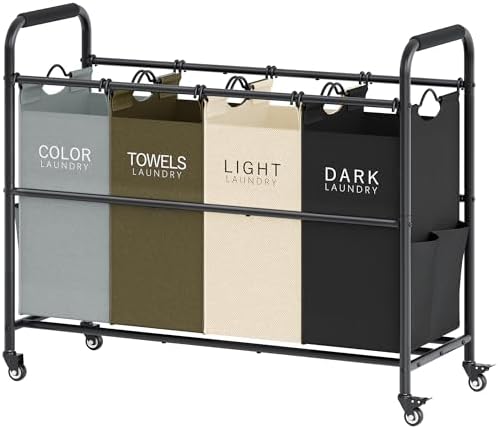
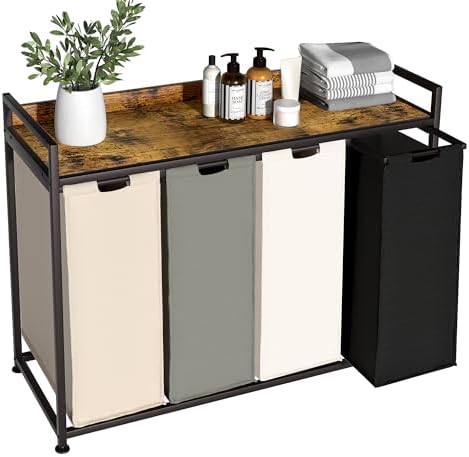
Laundry Hamper with Sections
Helps you stay on top of what needs to be washed.
It reduces the chance of clean and worn clothes mixing back into your closet.


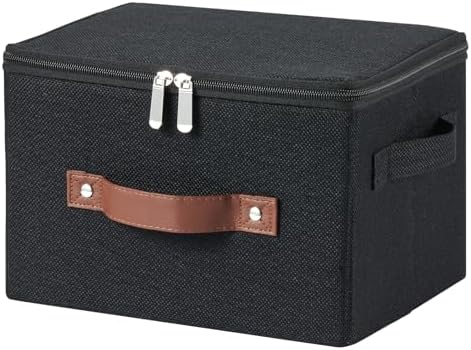
Storage Box for “Maybe” Items
A simple way to manage “just in case” pieces.
It creates a boundary so they don’t take over your main space.

![PRANDOM Larger Collapsible Storage Bin with Lid [1-Pack] Fabric D...](https://m.media-amazon.com/images/I/51MKCoaTdmL._AC_.jpg)

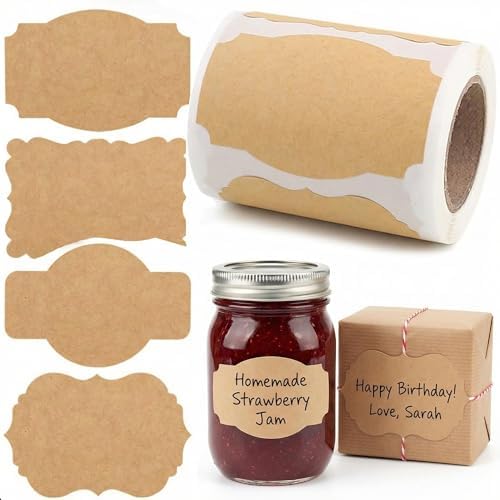
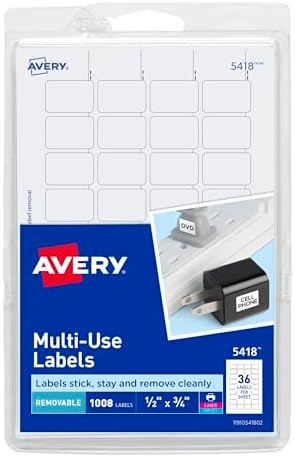
Label Tags or Minimal Labels
Useful if you want to keep categories clear without overcomplicating things.
They make maintaining your system easier over time.


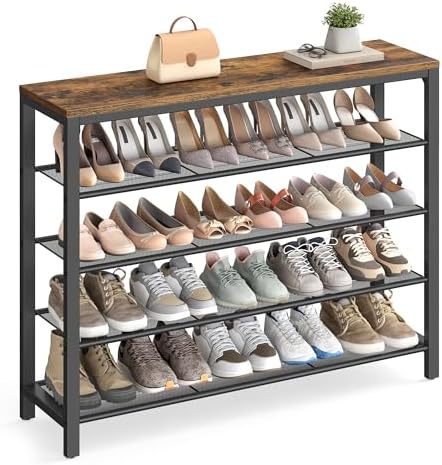
Shoe Storage Rack or Organizer
Keeps shoes contained and easy to access.
It prevents them from spreading across your closet floor and creating visual clutter.
These products work best when they support a simple system. You don’t need many—just a few that make your closet easier to use will help you maintain that minimalist feel without constant effort.



Final Thoughts
A minimalist closet isn’t something you achieve once.
It’s something you maintain quietly, over time.
Not with strict rules.
Not with constant effort.
But with small decisions that keep things from building up again.
Letting go of what no longer fits your life.
Keeping your space easy to use.
Making room for how you actually live, not how you think you should.
When you approach it that way, something changes.
It stops feeling like maintenance.
And starts feeling like… ease.
And that’s what makes it sustainable.